


Classical Roman Figure
A classical roman figure brings the sculptural triumphs of antiquity into domestic spaces, capturing mythological deities, emperors and historic heroes in metal, marble and terracotta.
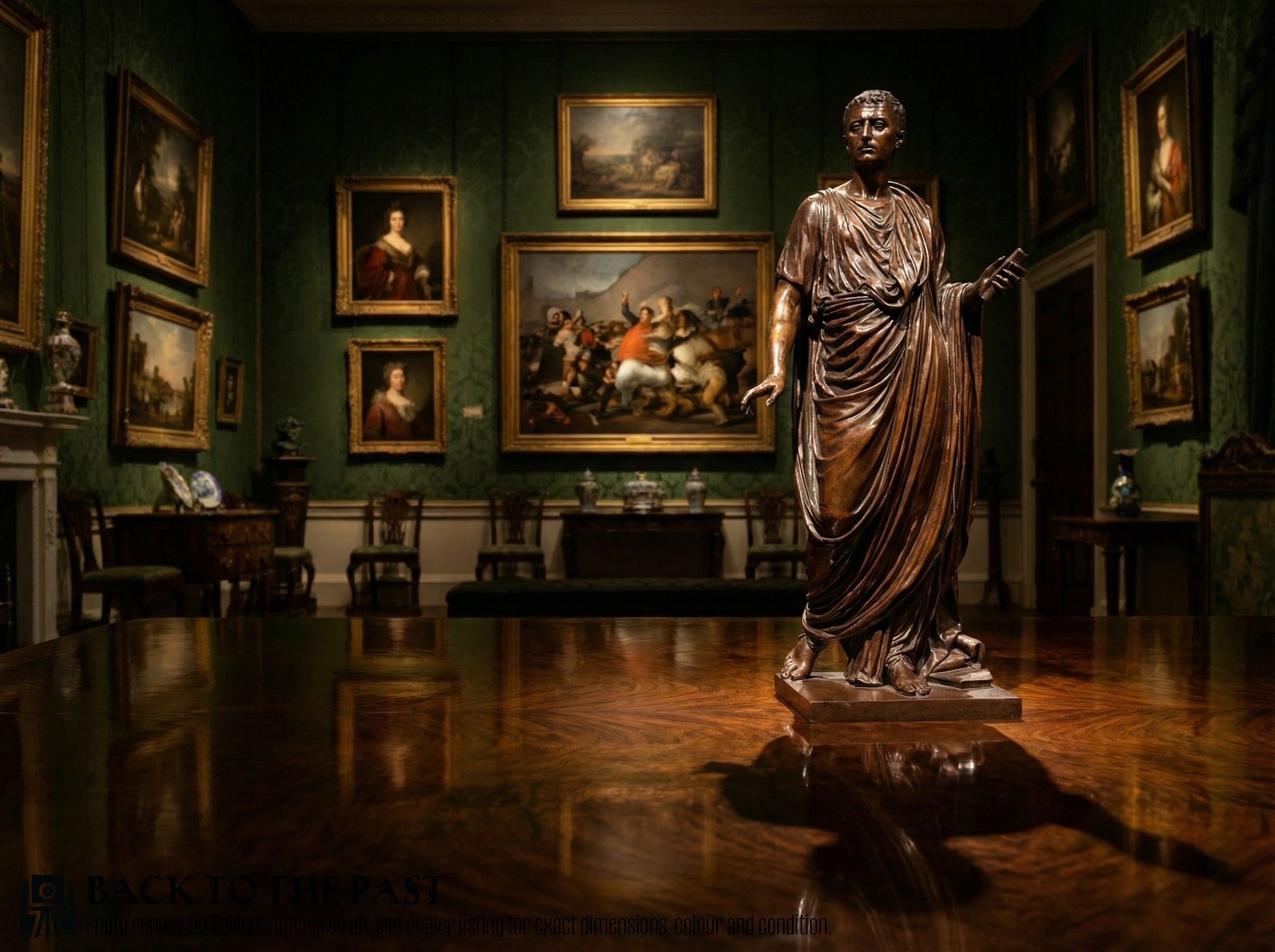
Classical Roman Figure
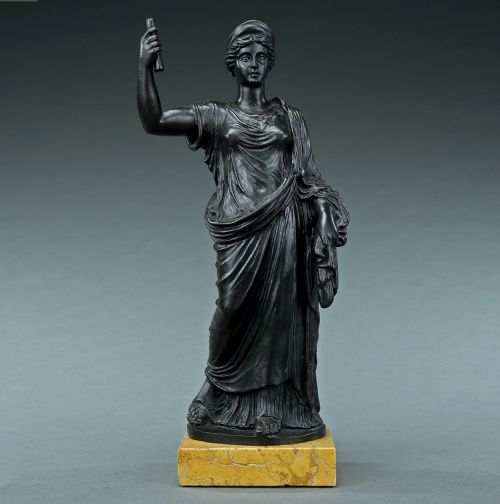
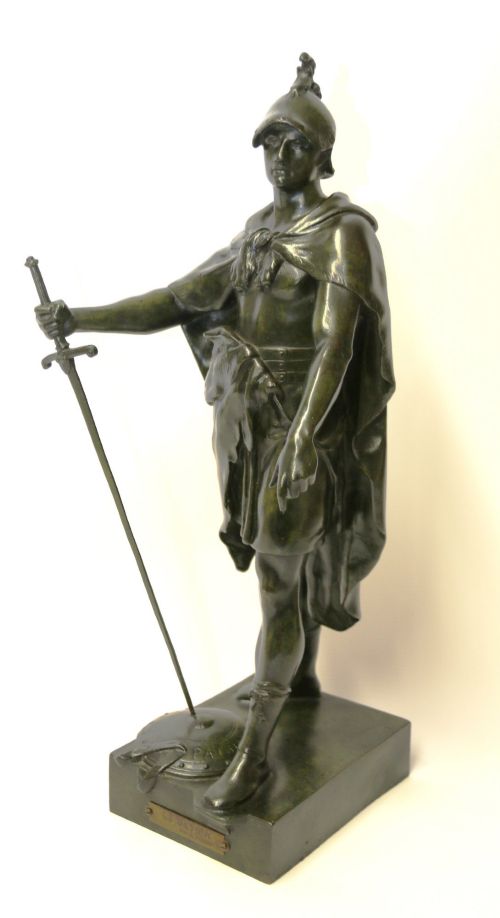
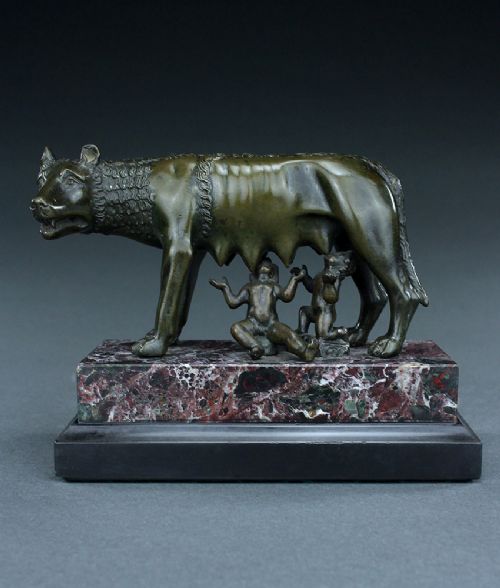
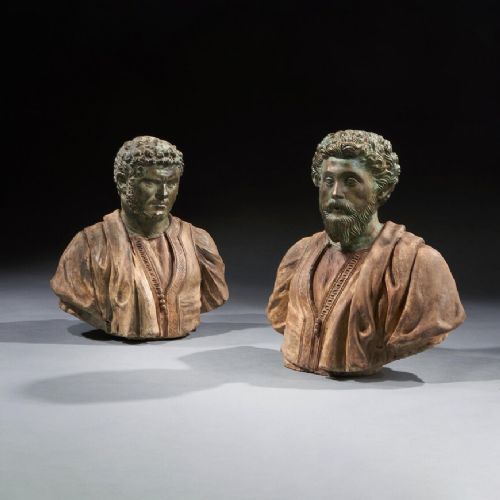
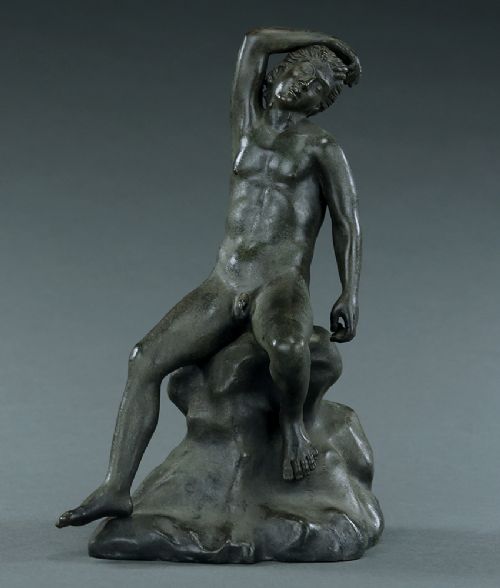
A classical roman figure embodies the enduring fascination with ancient art, emerging principally as Grand Tour souvenirs, 19th-century cabinet bronzes, and portrait busts designed for scholarly interiors. Collectors encounter representations of mythological figures such as Juno, Bacchus, and the Dancing Faun alongside historical commanders like Julius Caesar and Marcus Aurelius. These pieces span periods from the 17th century through the Victorian era, reflecting the prevailing neoclassical taste of European travellers and collectors.
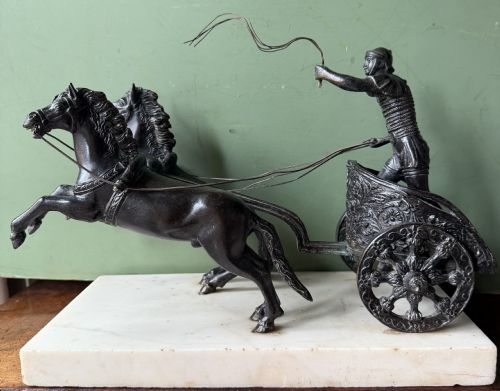
The assortment includes standing statues, mounted equestrian groups, and portrait busts resting upon marble plinths, alongside related media such as terracotta sculptures, porcelain figures, and framed engravings. Grand Tour reductions after notable museum antiquities dominate the selections, offering domestic-scale interpretations of major sculptural discoveries from Pompeii and Rome. Buyers frequently find patinated bronze casts, spelter figures, and carved marble representations that emulate ancient prototypes.
Originating largely from Italian and French foundries, these works served as both travel mementos and educational ornaments for libraries and drawing rooms. The physical scale varies from cabinet statuettes to substantial library busts, each capturing the anatomical idealism and draped attire characteristic of classical sculpture. This category bridges classical archaeology and decorative arts, preserving the aesthetic priorities of 18th- and 19th-century academic sculpture.
Materials and Casting Techniques
Foundries produced these works primarily through traditional metal-casting methods, utilising bronze and spelter finished with dark patination or verdigris treatments to simulate aged metal. Artisans frequently mounted completed metal figures upon contrasting white or Rosso Levanto marble plinths, anchoring the sculptures securely with threaded pins.
Alternative media include carved marble, terracotta, and Derby porcelain, each requiring skilled modelling by hand before firing or carving. Engravings and paintings on this page demonstrate the preparatory and illustrative tradition that accompanied three-dimensional sculpture during the 18th and 19th centuries.
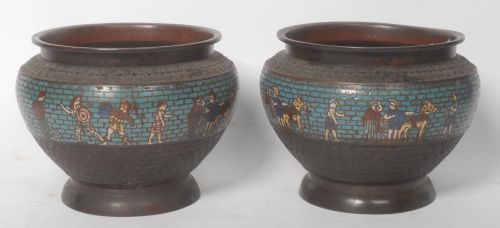
Surface finishing involved manual chasing to refine muscular contours and drapery folds, followed by chemical patination to achieve desired tonal variations. Enamel accents occasionally decorated associated cachepots, while shell cameos provided a miniature medium for carved classical profiles.
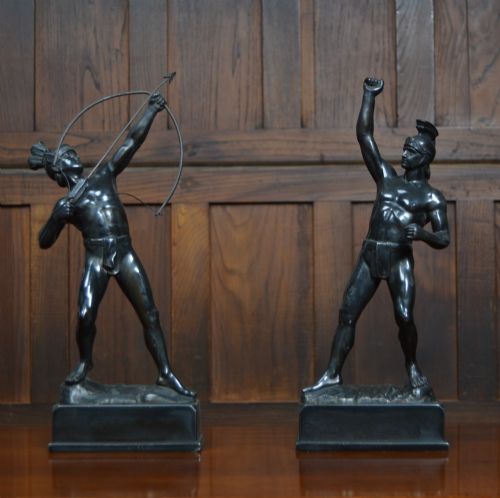
Several miniature figures depict athletic fauns and mythological figures caught mid-dance or resting after exertion.
Evaluating Quality and Execution
Quality rests upon the crispness of the metal chasing and the fidelity of the reduction to the ancient prototype, distinguishing workshop output from mass-market souvenirs. Superior casts retain sharp anatomical articulation in musculature, hair, and facial expressions without obscuring finer details beneath heavy patination.
The integration of the material influences the overall success of the piece, particularly where metal figures meet fitted marble bases or incorporate cast bronze attributes. Skilled patination provides depth and tonal variation, whereas inferior examples often exhibit flat, uniform colouring across the surface.
Signatures from established foundries or named sculptors elevate the standing of a piece, reflecting rigorous studio standards and precise metalworking techniques. The weight of the bronze and the stability of the mount further indicate the structural integrity of the casting.
Émile Louis Picault·Mathurin Moreau·Richard Aurili·Zoffoli·Goldscheider
The Classical Roman Figure Glossary
- Grand Tour
- A traditional journey through continental Europe undertaken by upper-class scholars and collectors to study classical art and architecture. Souvenirs acquired during these travels formed the basis of many nineteenth-century collections.
- Patination
- The chemical or natural surface coloration applied to bronze and other metals over time. A controlled patina enhances sculptural depth and protects the underlying metal.
- Spelter
- A zinc alloy utilised as a less expensive alternative to bronze for nineteenth-century decorative figures. It is typically painted or electroplated to imitate bronze.
- Cachepot
- An ornamental flowerpot holder designed to contain a plain plant pot. Examples in this category incorporate classical bronze and champleve enamel motifs.
- Plinth
- A heavy base supporting a statue, bust, or column. In classical sculpture, contrasting marble plinths provide visual stability and elevation.
Classical Roman Figure: Frequently Asked Questions
What is a Grand Tour bronze?
A Grand Tour bronze is a souvenir reduction of an ancient sculpture, cast in Europe during the 18th or 19th century for travellers visiting classical sites.
These pieces allowed collectors to bring miniature representations of famous museum antiquities back to their home libraries and studies.
How do I care for antique bronze?
Maintain antique bronze by gently dusting the surface with a dry, soft cloth to prevent particulate accumulation.
Avoid chemical polishes or water, as harsh cleaning agents can strip the historical patination and damage the metal surface.
What subjects are most common?
Common subjects include mythological deities such as Bacchus, Juno, and the Dancing Faun, alongside Roman emperors and historical philosophers.
Sculptures frequently replicate celebrated ancient statues discovered during archaeological excavations in Pompeii and Rome.
How do I distinguish bronze from spelter?
Bronze is heavier, cooler to the touch, and rings with a resonant tone when lightly tapped, whereas spelter feels lighter and softer.
Examining the underside or areas of wear often reveals the paler grey metal beneath a flaking surface finish on spelter pieces.