
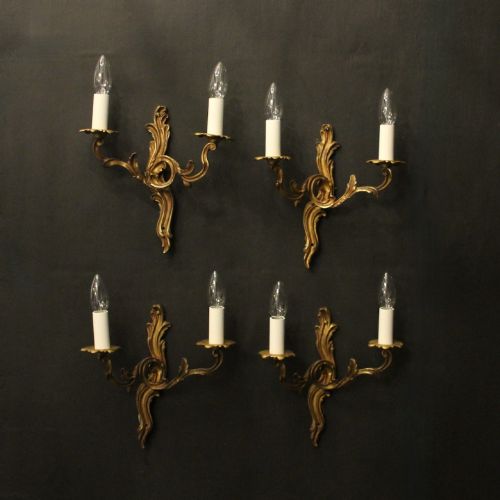


Antique Classical Bronze
Antique classical bronze pieces capture mythological figures, architectural ornaments and decorative urns shaped by nineteenth-century European taste.
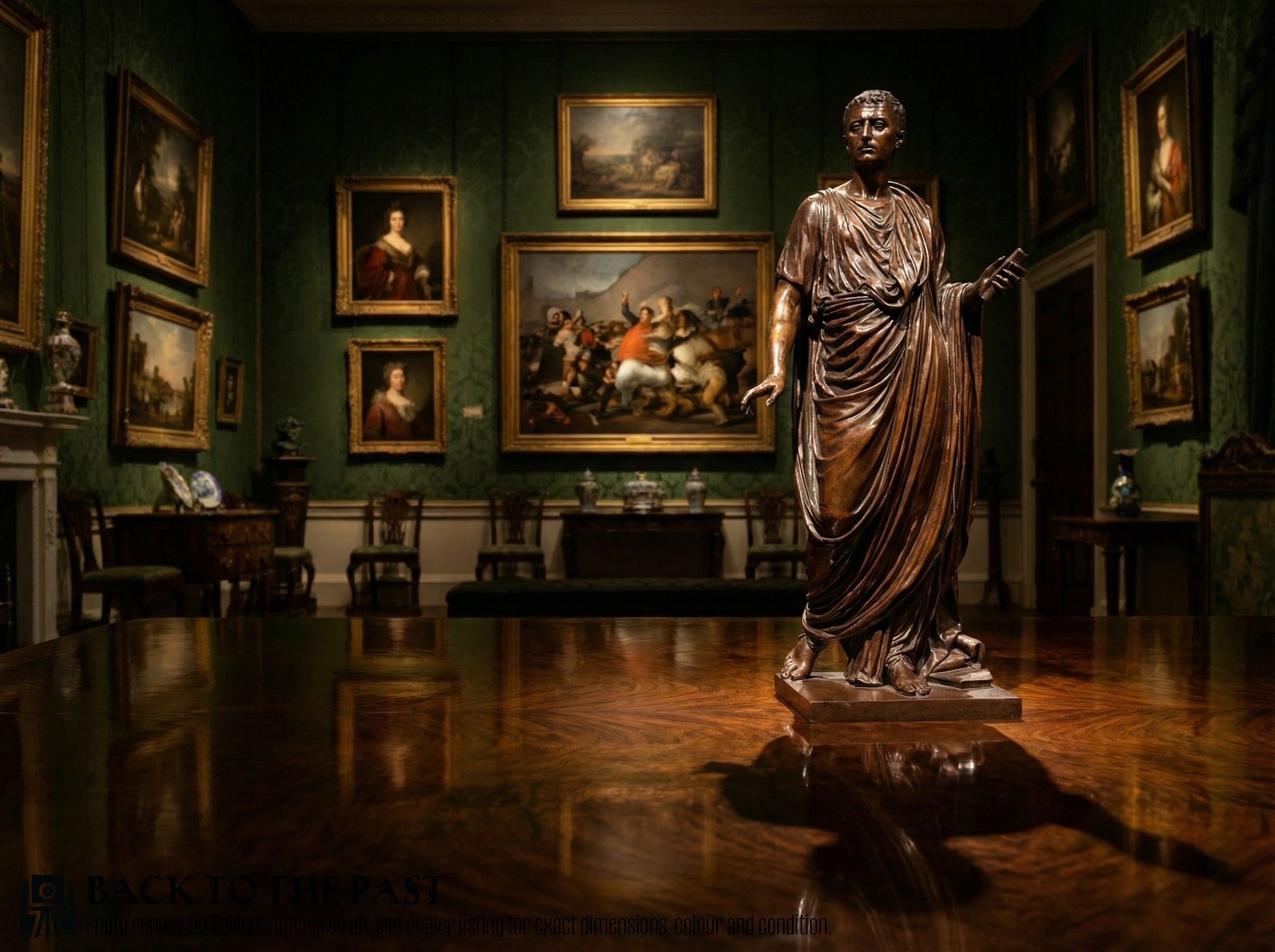
Antique Classical Bronze
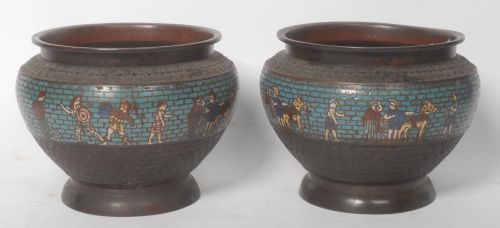
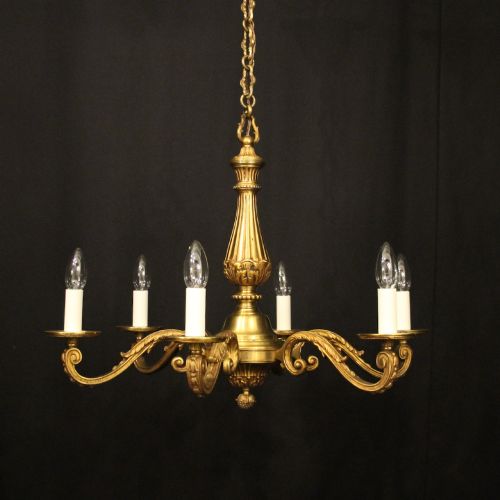
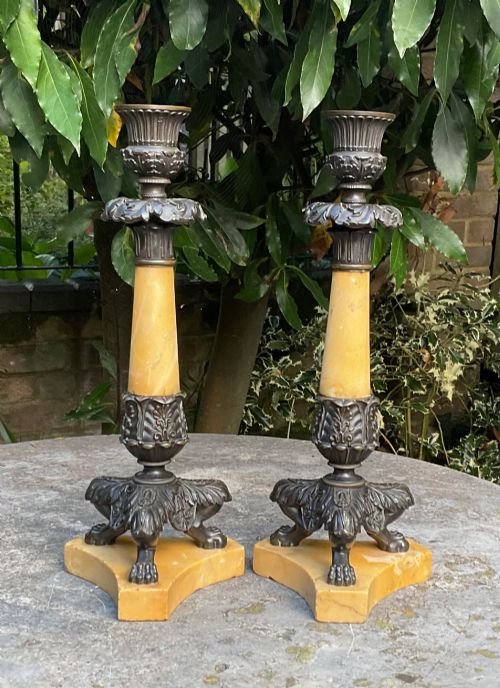
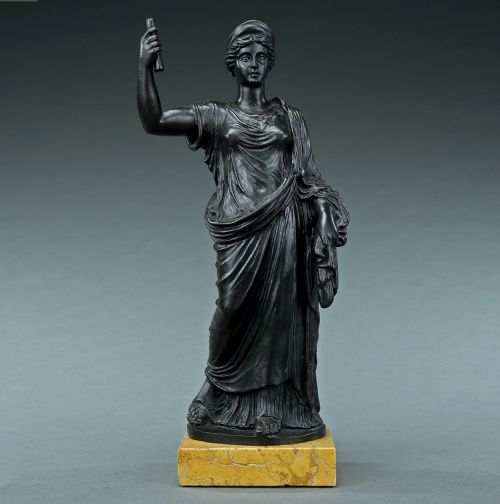
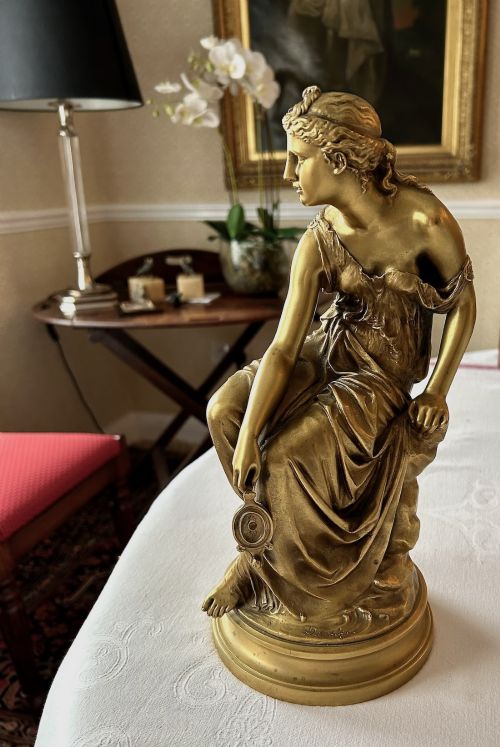
When searching for antique classical bronze, buyers encounter figures, lighting and decorative vessels drawn from Greek and Roman antiquity. These items emerged across the nineteenth century through the French Empire, Regency and Grand Tour movements, reflecting a widespread fascination with classical antiquity. The most common forms on this page include sculptural figures of deities, candlesticks, candelabra, mantel clocks and decorative urns.
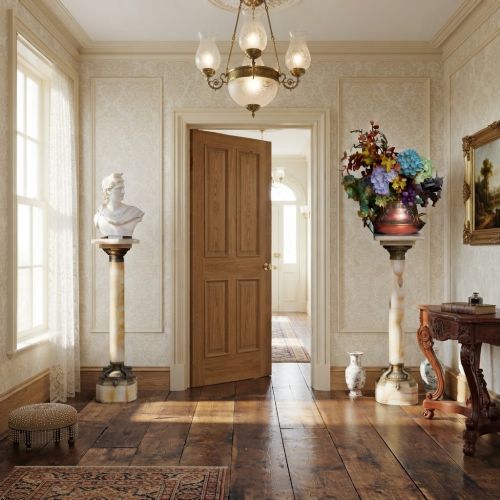
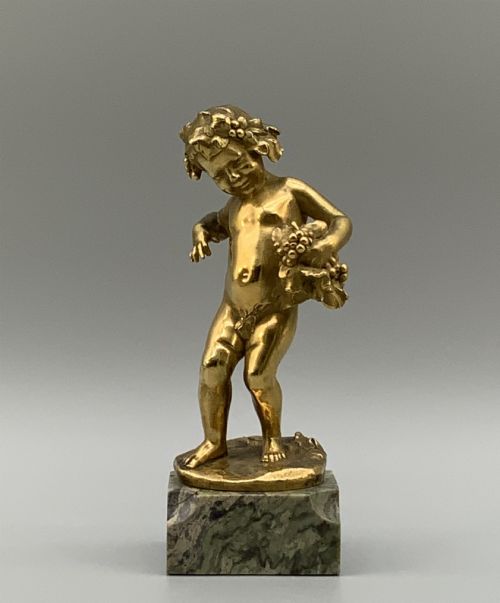
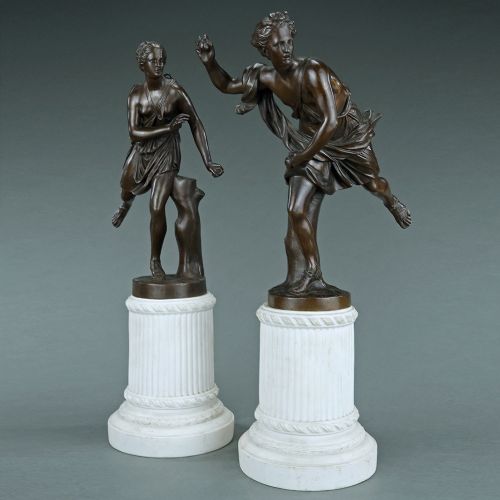
Many works take inspiration from specific archaeological finds or mythological subjects, such as representations of Juno, Bacchus, dancers and classical maidens. Grand Tour souvenirs frequently recreate famous ancient sculptures in bronze or patinated cast iron, often paired with marble pedestals or columns. Interior fittings like chandeliers, wall lights and table lamps also utilise these classical motifs within French neoclassical and Louis XVI styles.
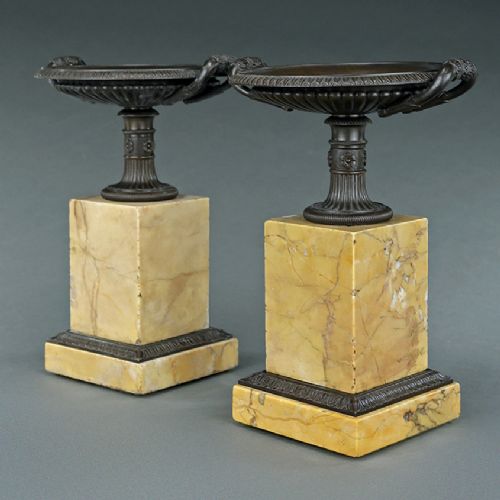
Domestic and decorative objects span library tazzas, inkwells, ewers and furniture mounts created in workshops across France and Italy. These pieces demonstrate how nineteenth-century makers adapted ancient architectural forms into functional items for formal interiors. The material palette frequently combines dark patinated bronze with gilded highlights or ormolu mounts set against rouge or white marble bases.
Materials and production methods
Foundries utilised traditional lost-wax casting alongside sand casting to shape molten bronze into intricate figures and decorative mounts. Artisans applied chemical patination to achieve deep brown or green surface tones, contrasting sharply with areas of fire gilding or ormolu. Cold painting occasionally appears on specific twentieth-century figures, adding subtle colour to robes and garments.
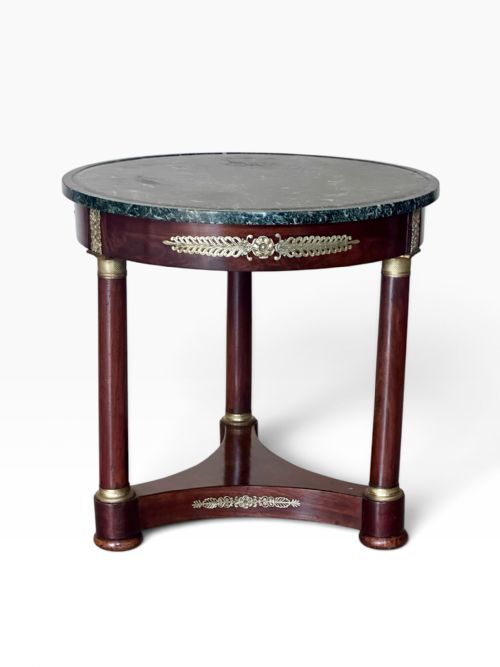
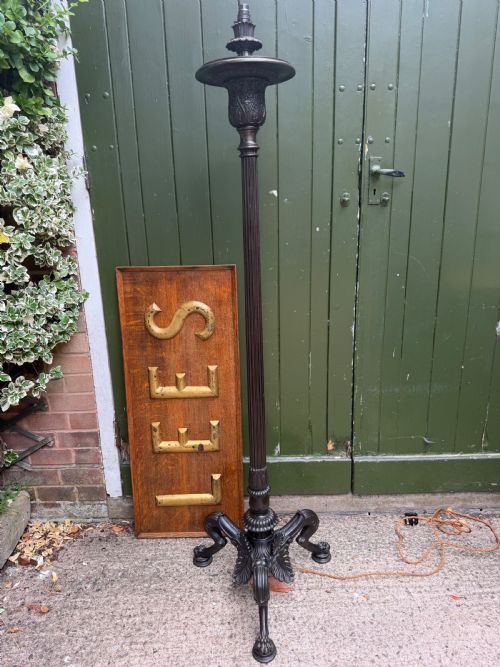
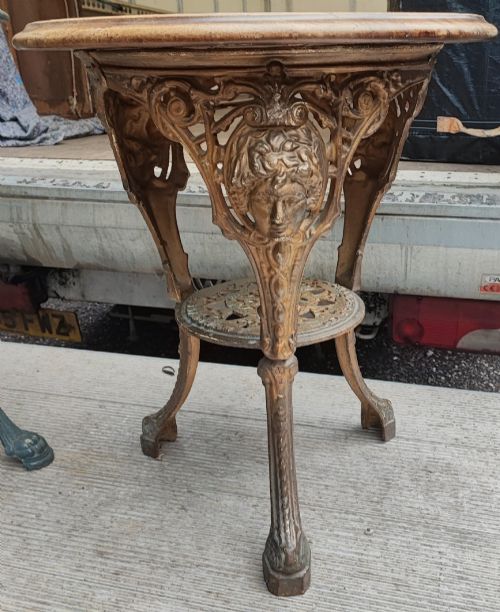
Stonework provides a structural base for many sculptures and lighting fixtures, incorporating contrasting materials such as white marble, rouge marble, onyx and wood. Ormolu collars and bronze mounts secure these stone elements, uniting metallic components with mineral plinths. Structural items like standard lamps and pub tables incorporate cast iron alongside traditional bronze elements to ensure stability.
Listings feature items spanning the nineteenth century, including Regency, Victorian, and French Empire styles rendered in bronze, marble, and ormolu.
Distinctions in craftsmanship
The choice of secondary materials dictates overall refinement, distinguishing heavy marble or onyx pedestals with fire-gilded ormolu from lighter bases using plain patinated spelter. Superior patination shows depth and evenness across complex contours, whereas lesser items display flat surfaces and rudimentary joining at the seams.
Etienne-Henri Dumaige·Charles Louis Malric·Susse Frères·Barbedienne·Ferdinand Barbedienne·Lemoyne·Pierre le Faguays·E Rousseau·Moreau Family·Japy Freres
The Antique Classical Bronze Glossary
- Ormolu
- Gilded bronze produced through a mercury amalgamation technique on decorative mounts and fittings. This finish provides a bright golden lustre distinct from modern electroplating.
- Grand Tour
- A nineteenth-century travel tradition where wealthy collectors purchased bronze souvenirs replicating ancient monuments and sculptures. These reductions brought classical archaeology into domestic drawing rooms.
- Patina
- The surface coloration developed naturally over time or applied chemically to bronze and metalwork. Dark patination highlights the underlying sculptural contours.
- Candelabra
- Branched lighting fixtures designed to hold multiple candles, often executed in neoclassical bronze and marble. They mirror architectural columns and figural supports.
- Lost-wax casting
- A historic method of creating metal sculptures from an original model encased in wax and clay. It allows for intricate undercuts and fine surface detail.
- Ewer
- A large jug with a wide spout and ornate handle, frequently cast in bronze during the nineteenth century. These decorative vessels emulate classical ceramic forms.
Antique Classical Bronze: Frequently Asked Questions
What are antique classical bronze pieces?
These items are nineteenth-century decorative objects, sculptures and lighting fixtures inspired by ancient Greek and Roman art. They include figures of mythological deities, architectural urns and candelabra produced during the Grand Tour and Empire periods.
Foundries across France and Italy cast these pieces in bronze, often mounting them on marble plinths or incorporating ormolu details. Collectors prize them for their precise interpretations of classical antiquities.
How were these bronzes used originally?
Households displayed sculptural bronzes and urns on mantelpieces, pedestals and library tables as symbols of classical learning and refined taste. Functional items like candelabra, chandeliers and oil lamps provided illumination in formal drawing rooms.
Souvenirs brought back from travels abroad served as conversational ornaments and physical reminders of archaeological sites across Italy and Greece.
How do you clean antique bronze?
Maintenance involves gentle dusting with a soft, dry brush or cloth to prevent dust accumulation within detailed crevices. Avoid chemical cleaners or metal polishes that strip the historical surface patina.
Preserving the original finish requires keeping pieces away from direct moisture and handling them with clean hands to protect the metal.
How can you tell a Grand Tour piece apart?
Grand Tour bronzes typically represent famous ancient sculptures housed in European museums, reduced in scale for travellers. They often feature dark patination and frequently stand on inscribed marble or slate bases.
These souvenirs date predominantly from the nineteenth century, reflecting the educational journeys undertaken by collectors across classical sites.