
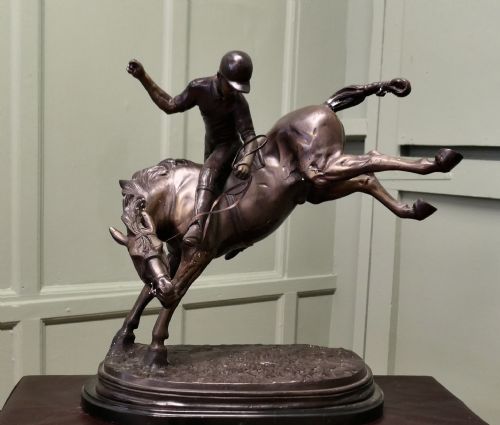
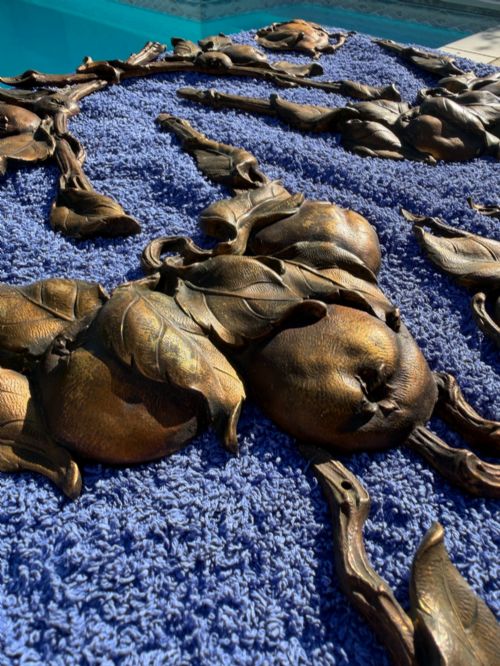
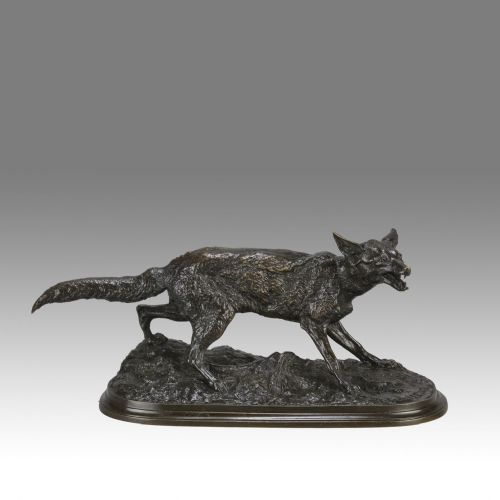
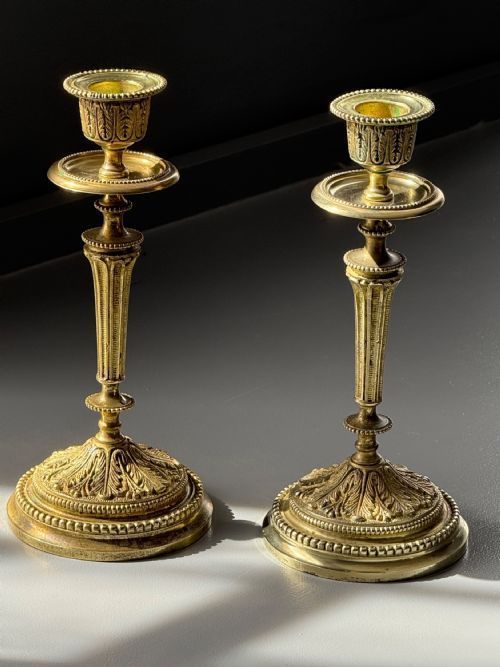

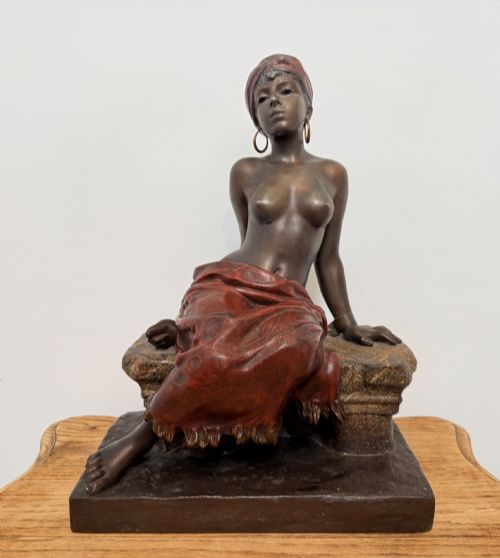


French Cast Bronze
These french cast bronze pieces span animalier figures, domestic lighting, and decorative mounts shaped by nineteenth and early twentieth century foundries.
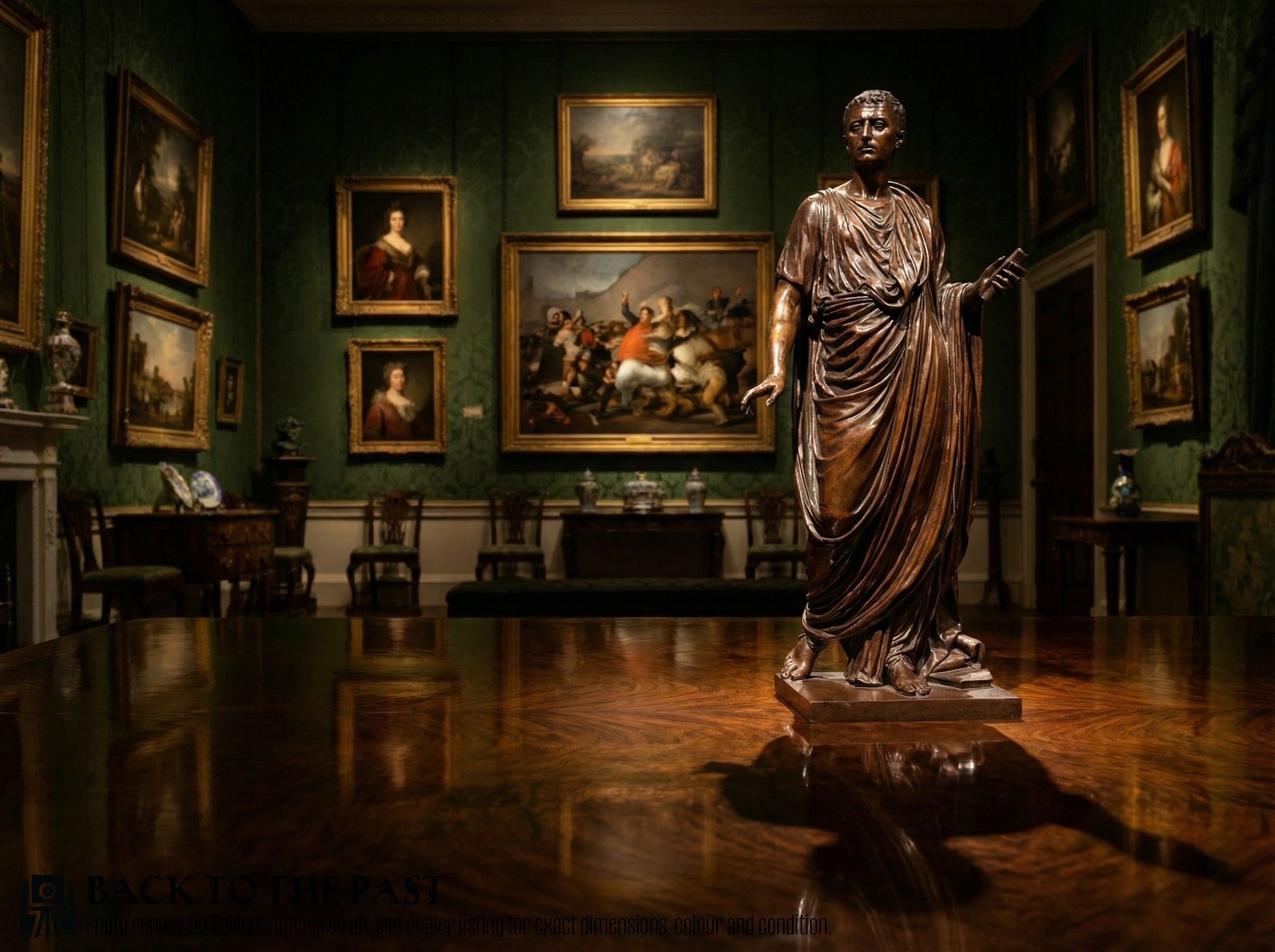
French Cast Bronze
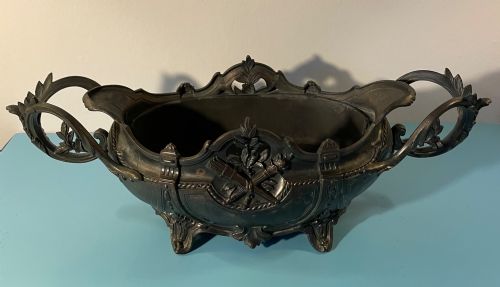
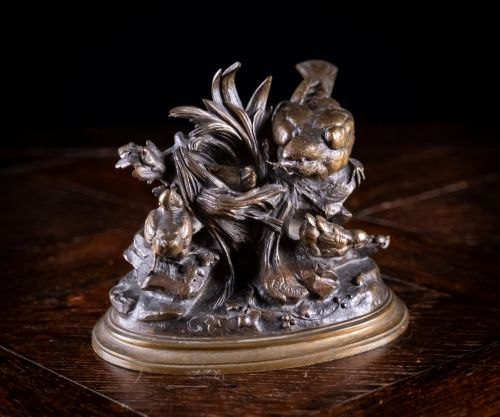
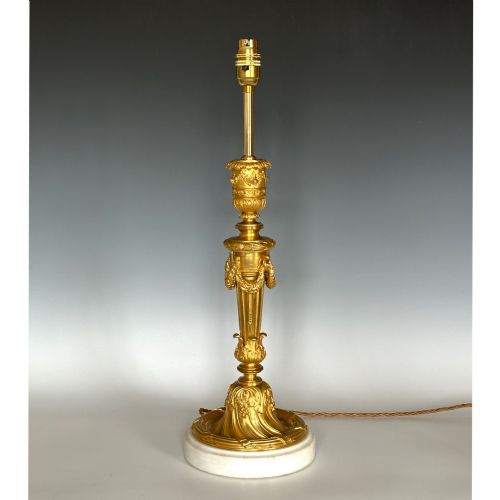
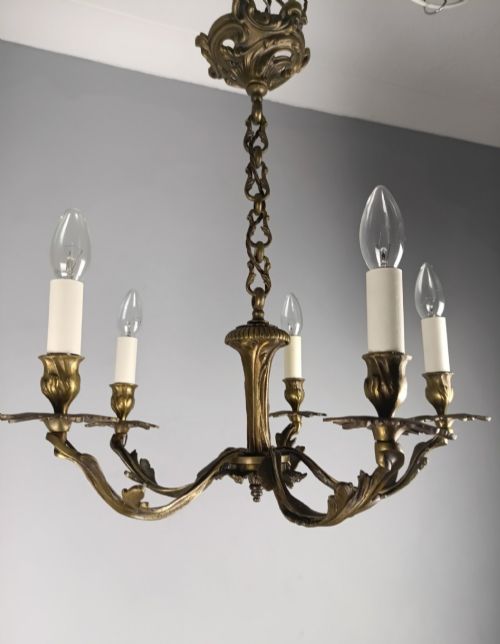
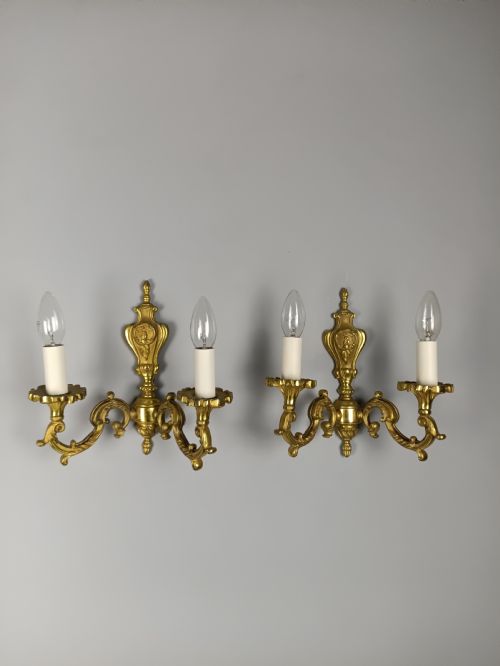
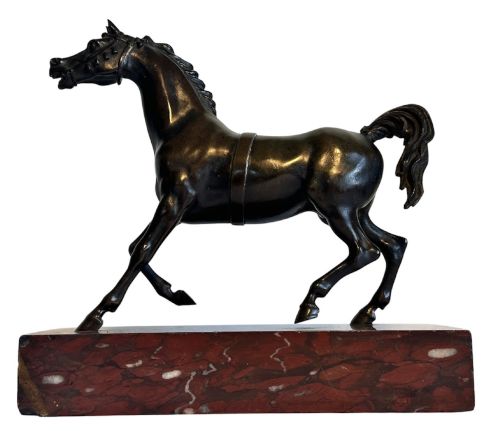
When buyers search for french cast bronze, they encounter sculptural animal studies, chandeliers, wall lights, and candlesticks originating from nineteenth century workshops. These objects record the rigorous modelling traditions of French foundries working through the periods of Louis XVI revival, Rococo, Art Nouveau, and Art Deco.
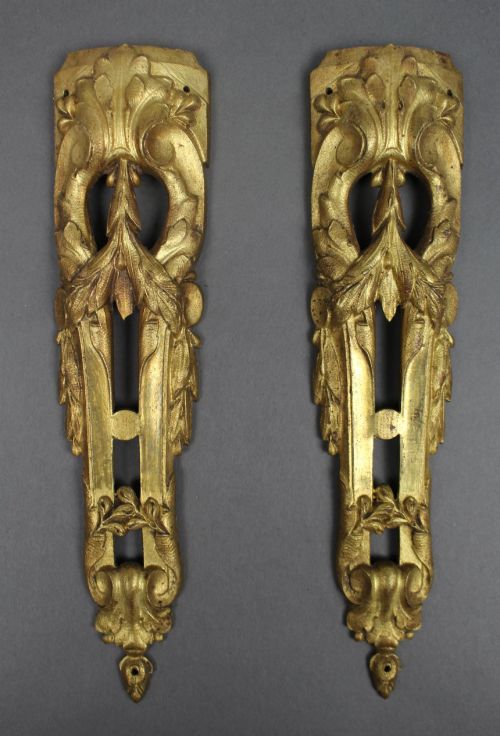
The domestic lighting and architectural elements, such as wall lights, girandoles, and furniture mounts, demonstrate how utilitarian metalwork received the same artistic attention as standalone sculptures. Many pieces integrate contrasting materials like marble bases or glass shades, establishing distinct decorative accents for interiors.
How they were made
Foundries utilised the lost-wax casting method or sand casting to achieve precise anatomical detail in animalier bronzes and crisp foliage on Rococo wall lights. Molten metal poured into moulds captured the fine textures of fur, fabric, and feathered plumage designed by prominent sculptors.
Surface finishing involved manual chasing, patination with chemical acids to achieve dark brown or green tones, and the application of mercury gilding or ormolu. Artisans assembled multi-part chandeliers and lamps by screwing or pinning individual cast brass and bronze components together.
Several dogs and cats interrupt their hunt to play with mice or birds across these nineteenth century desk lamps and mantle sculptures.
What varies in quality
Quality rests on the crispness of the chasing work after the casting process, where superior examples retain sharp definition in facial expressions, musculature, and decorative acanthus leaves. Weaker casts exhibit softened edges and filled-in crevices where hand-finishing was rushed or omitted entirely.
The integrity of the original patina or gilding dictates the visual depth of the metal, with inferior pieces suffering from over-cleaning or unsympathetic chemical re-treatments that flatten the surface highlights. The weight of the bronze and the stability of associated marble or slate plinths also signal the foundational standard of the piece.
P J Mêne·Emmanuel Villanis·Alfred Dubucand·Antoine L Barye·L & F Moreau
The French Cast Bronze Glossary
- Animalier
- A nineteenth century artistic movement focused on the realistic depiction of animals, particularly in motion. Sculptors such as P J Mêne and Antoine-Louis Barye defined this genre through rigorous observation of wildlife.
- Ormolu
- Finely ground high-carat gold applied to a bronze base using a mercury amalgam technique. This finish produces a deep, warm golden sheen characteristic of luxury decorative objects from the eighteenth and nineteenth centuries.
- Patina
- The surface sheen and colour developed by bronze over decades through oxidation and handling. Chemical treatments also created artificial patinas ranging from deep black-brown to green.
- Applique
- A wall-mounted lighting fixture designed to hold candles or electric bulbs, often cast in elaborate Rococo or Louis XVI styles. These fixtures project light outward using curved arms attached to a backplate.
- Chasing
- The manual post-casting process of refining metal surfaces using small chisels and hammers. This technique removes casting flaws and restores fine details lost in the mould.
French Cast Bronze: Frequently Asked Questions
How do I clean french cast bronze?
Dust surfaces gently with a soft, dry brush to prevent the accumulation of grit in recessed chasing work. Avoid using abrasive metal polishes or chemical cleaners that strip the historic patina.
Apply a microcrystalline wax sparingly if the metal requires protection against moisture. Buff the surface lightly with a clean cloth to maintain a stable, matte sheen.
Are these antique lamps converted for modern electricity?
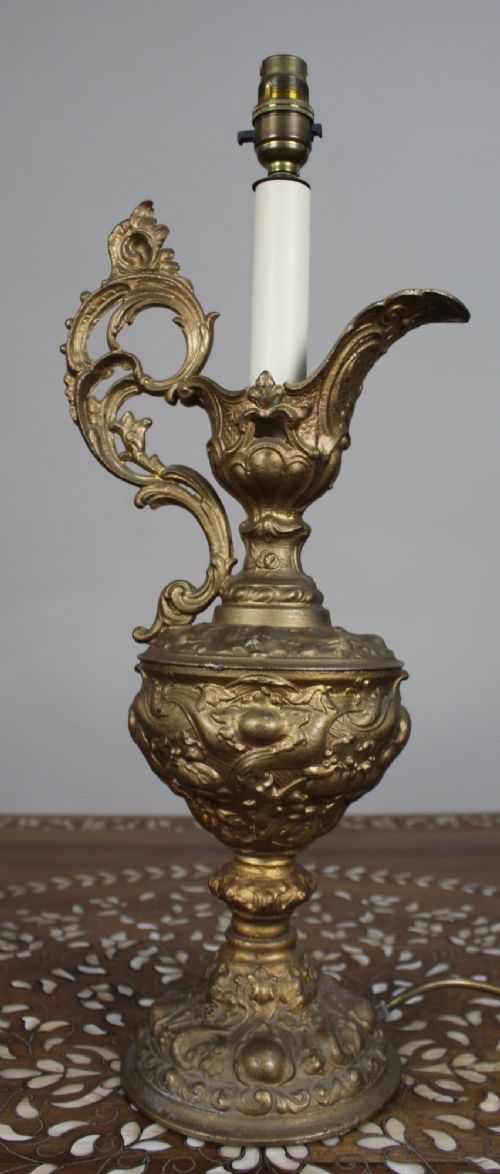
Many candelabra, wall lights, and sculptural figures from the nineteenth century have received electrical wiring during later periods. Fittings vary from recent installations to older conversions that require inspection by a qualified electrician.
Original bronze bodies remain unaltered during these adaptations, as wiring passes through existing central channels or bobeches. Buyers should check internal components to ensure compliance with current safety standards.
What is the difference between bronze and spelter?
Bronze is a durable alloy of copper and tin that accepts crisp chasing and develops a rich historical patina over time. Spelter, a cheaper zinc-based alloy, appears frequently in decorative figures and novelty lamps from the late nineteenth century.
Spelter is lighter, softer, and possesses a grainier texture beneath the paint or bronze-effect finish. A magnet will not stick to either material, but the weight and coldness of genuine bronze distinguish it immediately.
How do I identify animalier bronzes?
Animalier sculptures depict horses, dogs, and wild animals in dynamic poses, often bearing the cast signature of the sculptor on the base. Foundries frequently stamped their own marks or batch numbers near the lower edge of the bronze.
The anatomy reflects direct observation from menageries and rural studies characteristic of the period. Bases often consist of shaped marble, slate, or cast bronze matching the ground beneath the animal.