







Classical Porcelain Statue
A classical porcelain statue brings mythological elegance and refined ceramic artistry into any interior.
Classical Porcelain Statue
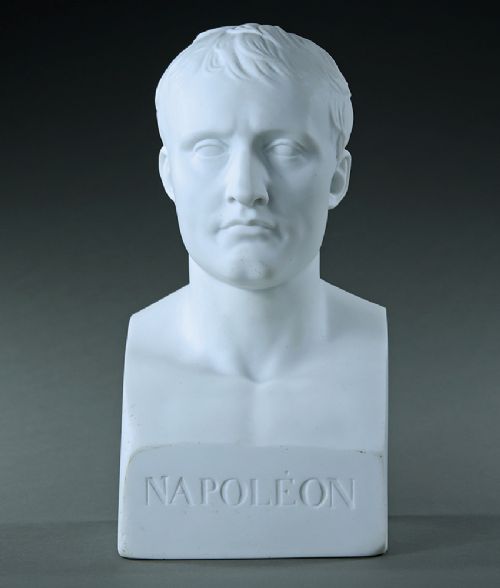
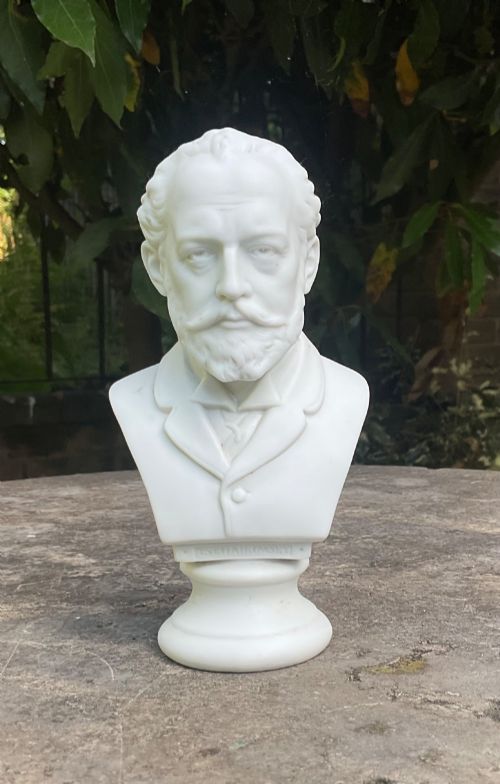
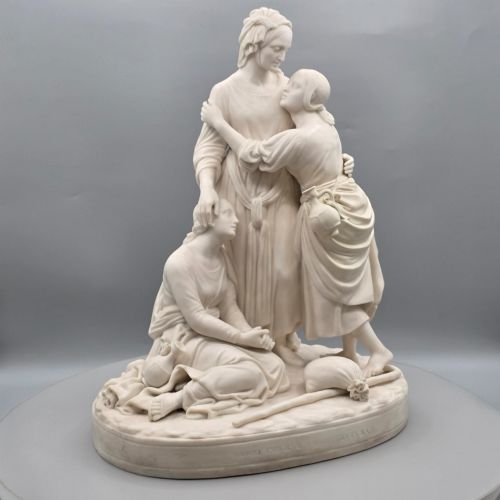
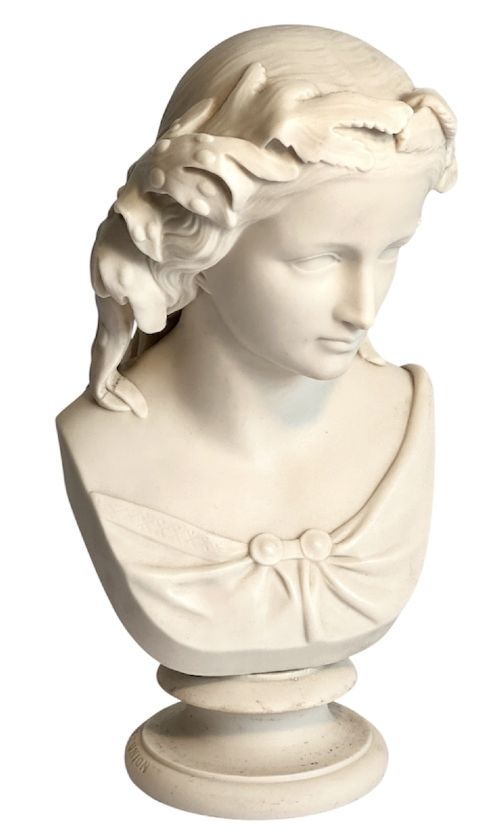
A classical porcelain statue encompasses figural sculptures, busts, and grouped studies drawn from ancient mythology and historical subjects. When searching for a classical porcelain statue, collectors encounter pieces shaped by major European factories from the eighteenth century through the early twentieth century.
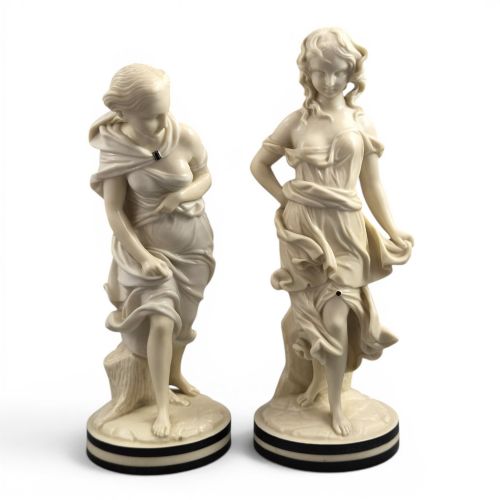
The selection ranges from eighteenth-century glazed figures produced by early English and continental works to unglazed nineteenth-century parian and bisque studies. Victorian interpretations of neoclassical and rococo revival themes dominate the offerings.
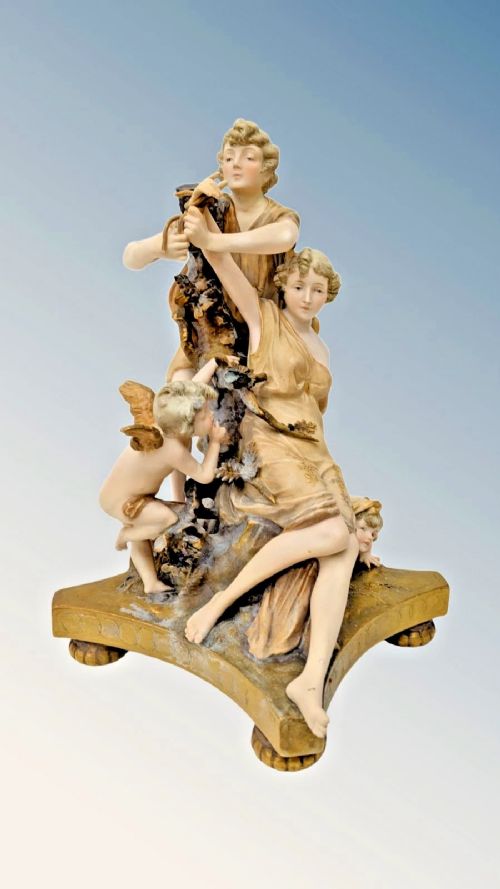
Forms include single standing maidens, allegorical figures representing elements or seasons, and monumental groups depicting classical deities. These works served as mantelpiece ornaments and decorative table displays in period homes.
How they were made
Manufacturers utilised hard-paste and soft-paste ceramic bodies, alongside specialised unglazed biscuit and parian porcelain formulas designed to imitate carved marble. Skilled modellers cast these figures in multiple mould sections before hand-finishing details and applying enamel colours or gold leaf highlights.
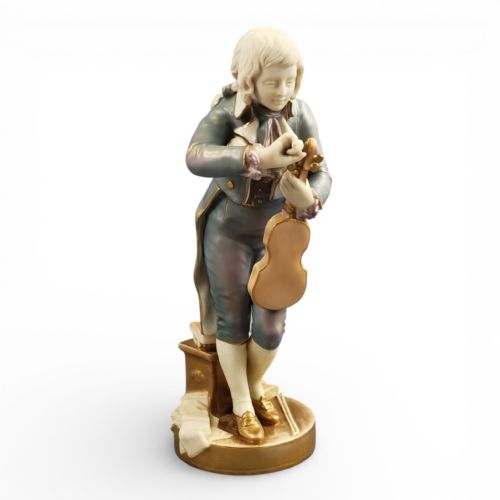
Gilding and shot enamel finishes added surface depth to later Victorian and Edwardian examples. Firing required precise temperature control within kilns to prevent warping in large-scale figural compositions.
Materials represented include bisque porcelain, enamel, gold leaf, and traditional ceramic gilding.
What varies in quality
Quality rests upon the crispness of the modelling and the finesse of the hand-finishing in the ceramic body. Superior examples display sharply defined facial expressions, delicate drapery folds, and clean removal of mould lines by the artisan.
The sophistication of the painted palette or the purity of the parian body dictates the standing of a piece within factory output. Early factory productions or signed works by notable modellers command greater attention from experienced collectors.
Minton·Royal Worcester·Derby Porcelain·Royal Dux·Samson Paris·Copeland·Achille Mollica·Luca Madrassi
The Classical Porcelain Statue Glossary
- Parian porcelain
- A fine-grained unglazed ceramic developed in the nineteenth century to simulate carved white marble. It contains a high proportion of feldspar which vitrifies during firing.
- Bisque porcelain
- Unglazed fired ceramic that presents a matte, chalky surface texture. It is frequently utilised for classical busts and detailed sculptural groups.
- Neoclassical
- A style inspired by the art and architecture of classical antiquity, focusing on symmetry, proportion, and mythological subject matter. It heavily influenced Victorian porcelain design.
- Gilding
- The application of gold leaf or powdered gold to ceramic surfaces for decorative highlights. It often accents the robes and attributes of mythological figures.
- Allegorical figure
- A sculptural representation embodying an abstract idea, season, or element through human form and symbolic attributes. Common examples depict water, land, or autumn.
Classical Porcelain Statue: Frequently Asked Questions
How do I clean a classical porcelain statue?
Dust the surface gently using a soft, dry artist brush to remove particles without disturbing delicate fingers or attributes. Avoid harsh liquid cleaners, particularly on unglazed parian or bisque surfaces that can absorb moisture.
Keep pieces away from direct sunlight and damp environments to protect painted enamel details and gold leaf highlights over time.
What is the difference between parian and bisque?
Parian porcelain was specifically formulated in the nineteenth century with a high feldspar content, firing to a dense, marble-like finish with a subtle sheen. Bisque porcelain remains completely unglazed and porous, offering a matte, chalk-like texture.
Both materials were utilised for classical sculptures, but parian successfully captured the luminous quality of carved stone favored by Victorian makers.
How can I date an antique porcelain figure?
Examine the underside of the base for factory impressed marks, painted numerals, or incised model numbers. Stylistic clues such as Victorian neoclassical drapery or Art Nouveau curves also provide broad chronological markers.
Comparing the specific modelling style and glaze type against documented factory production periods helps narrow down the decade of creation.
Where were these statues displayed in period homes?
In nineteenth-century interiors, these figures occupied prominent positions on mantelpieces, credenzas, and library tables. Larger monumental groups served as focal points in drawing rooms and entrance halls.
Collectors arranged them alongside other decorative ceramics to demonstrate classical learning and refined taste.