





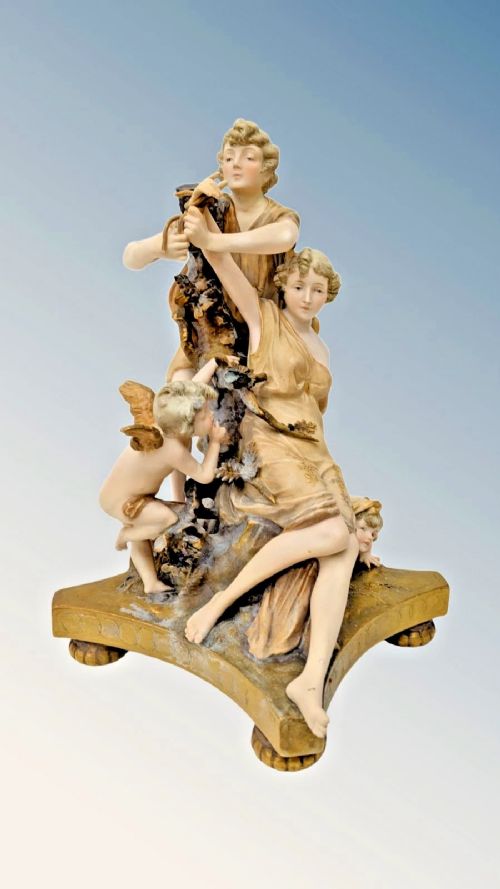


Classical Porcelain Figurine
A classical porcelain figurine brings mythological elegance and refined form into an interior, drawing on centuries of European kiln tradition.
Classical Porcelain Figurine
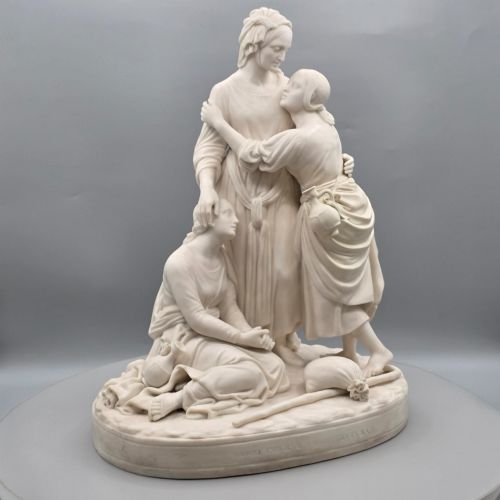
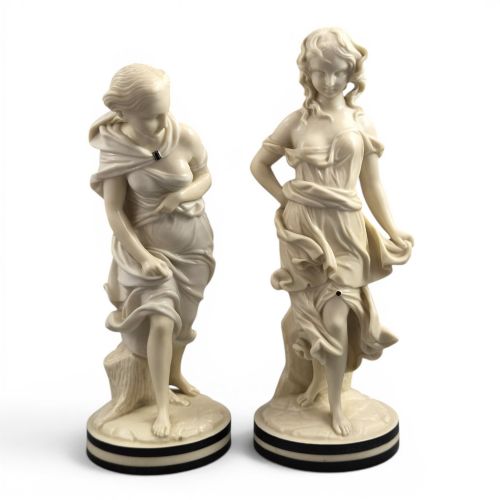
A classical porcelain figurine represents deities, allegorical figures, and maidens drawn from antiquity, often styled in the neoclassical or Victorian classical revival taste. These sculptural works range in origin from eighteenth-century English factories like Derby and Bow to nineteenth-century continental workshops and major factories such as Royal Worcester.
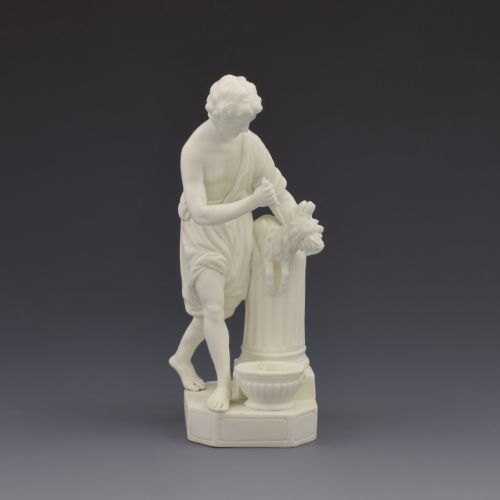
The versions most frequently met on this page include mid-to-late nineteenth-century parian and bisque pieces, alongside earlier soft-paste or hard-paste glazed figures with gilt highlights. Subjects span from named mythological characters such as Venus, Jupiter, and Diana to allegorical representations of seasons, elements, and arts.
Makers represented extend from historic English porcelain works to French Paris imitations and continental potteries, reflecting a sustained domestic and European appetite for antique sculptural ceramics throughout the Georgian and Victorian eras.
Materials and methods
Makers utilised various clay bodies, chief among them glazed porcelain, unglazed biscuit or bisque porcelain, and parian ware developed in the nineteenth century to imitate marble. Pieces were cast in moulds, sometimes built up in complex groups, and finished by hand with delicate detailing before firing.
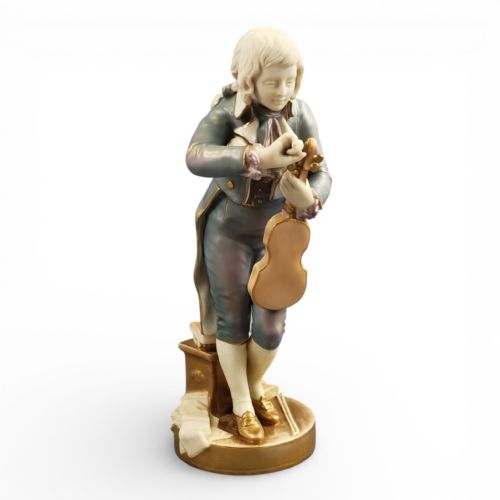
Surface decoration involved hand painting with enamel colours and the application of gold leaf or gilding to highlights, bases, and garments. Certain works also employed shot enamel or specialised biscuit formulas to achieve distinct matte or lustrous textures.
Listings feature eighteenth-century soft-paste porcelain alongside nineteenth-century parian ware and Edwardian bisque figures.
The spectrum of quality
Quality rests upon the crispness of the modelling and the finesse of the hand-finishing, which distinguishes spirited facial expressions and flowing drapery from softer, blunted recast forms. Superior works display anatomical proportion and clean seam removal executed prior to the final kiln firing.
The treatment of the material itself marks the hierarchy, whether through the creamy translucency of fine parian ware, the subtlety of polychrome enamel painting, or the precision of applied gilt highlights on glazed bodies.
Minton·Royal Worcester·Derby Porcelain·Bow Porcelain·Samson Paris·Royal Dux·Royal Crown Derby·Volkstedt·Achille Mollica
The Classical Porcelain Figurine Glossary
- Bisque Porcelain
- Unglazed ceramic body fired once to produce a matte, porous surface resembling marble. It is frequently employed for nineteenth-century classical figures and portrait busts.
- Parian Ware
- A fine-grained, self-glazing white porcelain developed in Victorian Britain to imitate carved marble. It fires to a smooth, warm texture ideal for sculptural detail.
- Enamel
- Vitreous coloured decoration painted onto the surface of porcelain and fixed in a muffle kiln. It provides the polychrome palette seen on robes and attributes.
- Gilding
- The application of gold or gold leaf to highlights, borders, and bases of figures. It enhances decorative richness.
- Neoclassical
- A style spanning the eighteenth and nineteenth centuries drawing inspiration from the art and culture of classical antiquity. It prioritises balance, classical drapery, and mythological themes.
Classical Porcelain Figurine: Frequently Asked Questions
What is parian porcelain?
Parian porcelain is a vitrified ceramic body developed in the nineteenth century specifically to emulate the smooth appearance of carved marble. It contains a high feldspar content that melts during firing to create a warm, unglazed surface.
This material allowed factories to produce affordable yet highly detailed classical statuary that captured the texture of human skin and fabric folds.
How do I identify biscuit porcelain?
Biscuit porcelain, also known as bisque, is fired without a final glossy glaze, leaving a dry, tactile finish. It reveals the purity of the model and was favoured for neoclassical busts and allegorical groups.
Under magnification, the surface lacks the glassy sheen found on standard glazed porcelain figures.
Where were these figures made?
These sculptural works originated across major European ceramic centres in Britain, France, Germany, and Bohemia. English factories like Derby, Bow, and Royal Worcester operated alongside continental producers such as Meissen, Samson of Paris, and Royal Dux.
Each region brought distinct paste formulas and painting traditions to classical subjects.
How should I care for antique porcelain?
Antique porcelain and parian figures require gentle dusting with a soft, dry brush to prevent accumulation in recessed crevices. Unglazed bisque and parian are particularly porous and prone to absorbing oils from skin or environmental grime.
Display pieces away from direct sunlight and areas prone to heavy moisture or grease.