


Classical Mythological Bronze
A classical mythological bronze brings the figures and stories of ancient gods and heroes directly into nineteenth-century interiors.
Classical Mythological Bronze
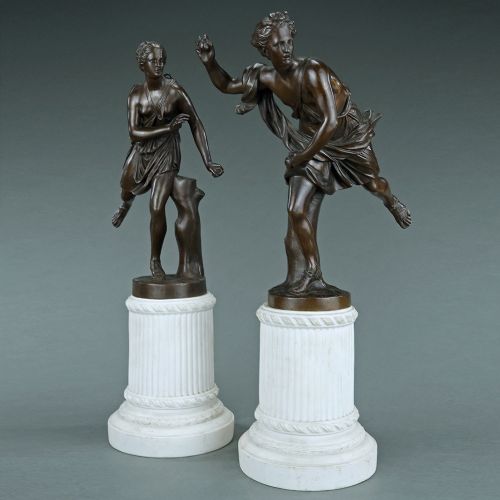
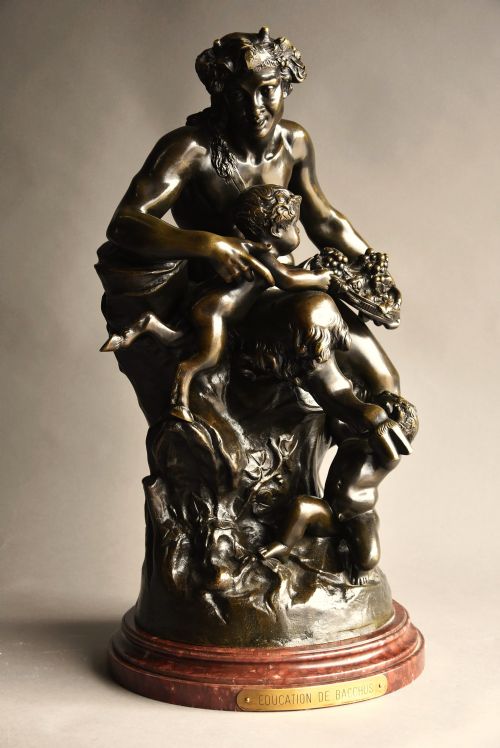
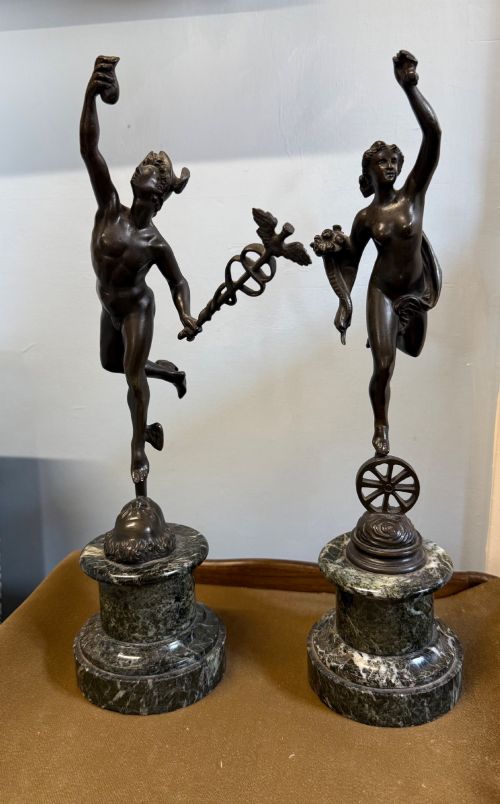
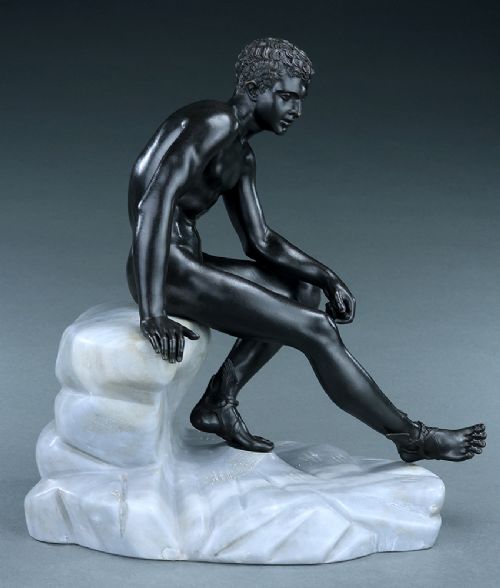
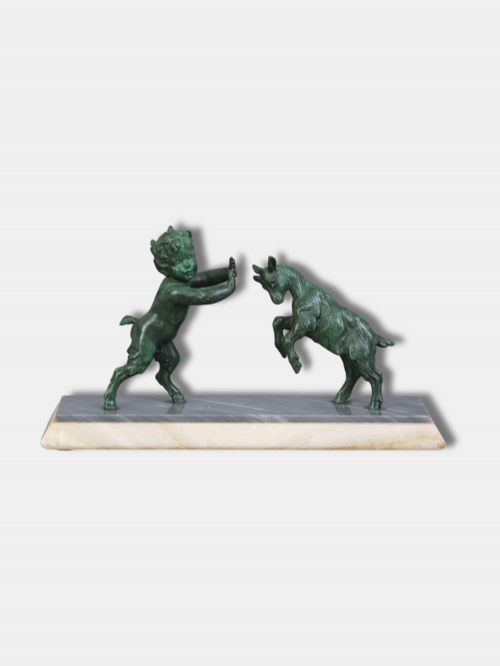
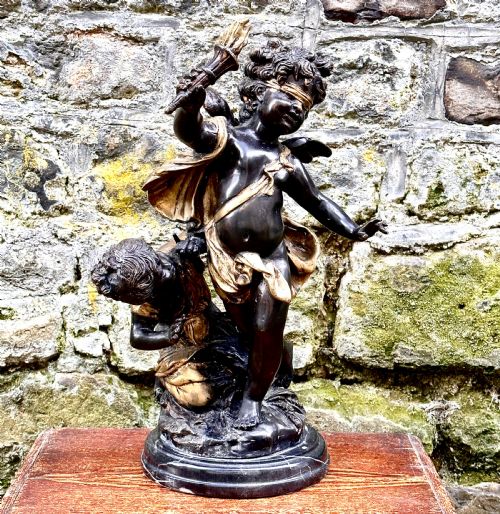
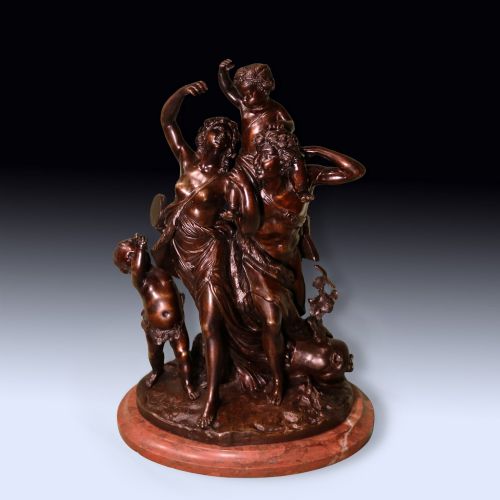
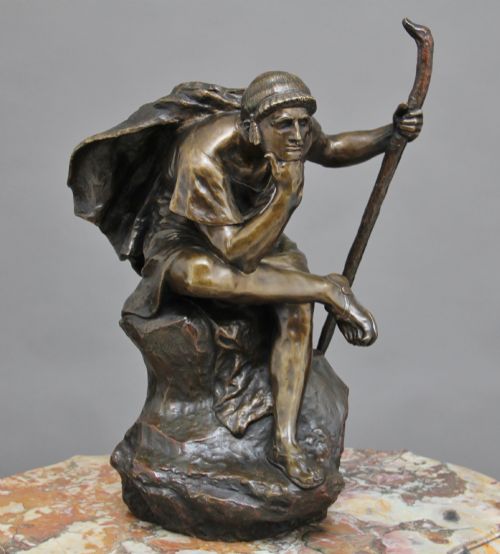
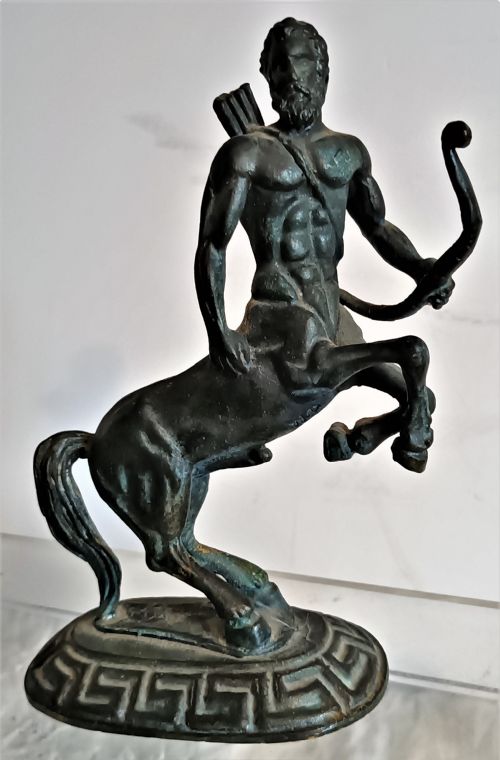
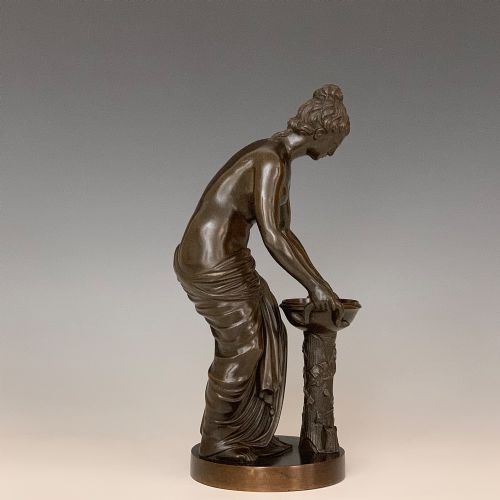
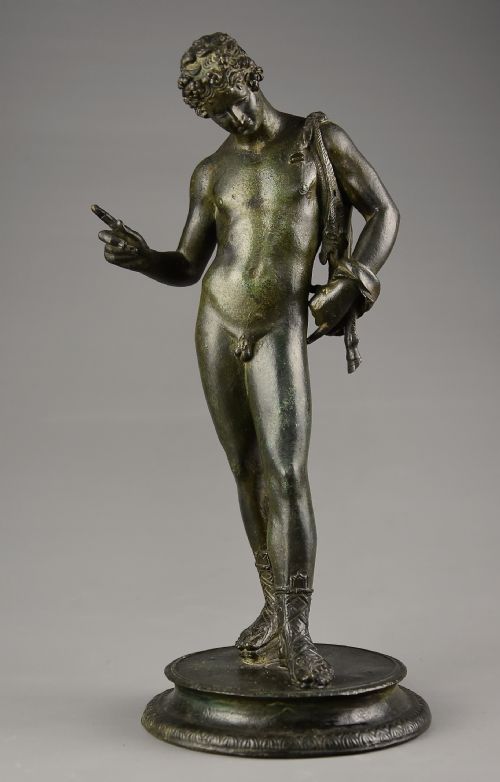
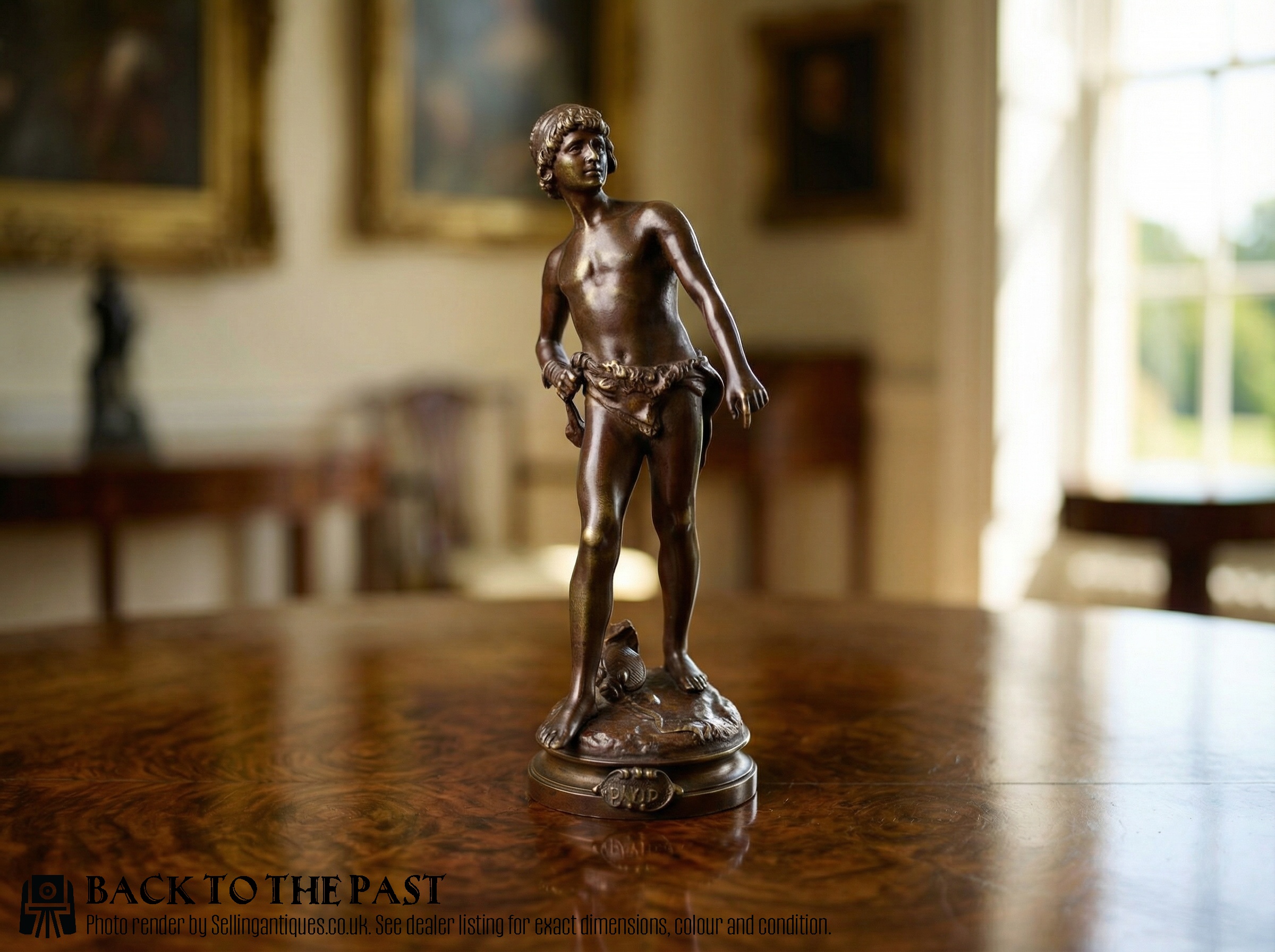
When you search for classical mythological bronze, you encounter figures and groups drawn from Greek and Roman deities, satyrs, nymphs and legendary heroes. The most frequent versions on this page are nineteenth-century French and Italian Grand Tour castings that translate ancient marble sculptures into small-scale works for desks, cabinets and mantelpieces.
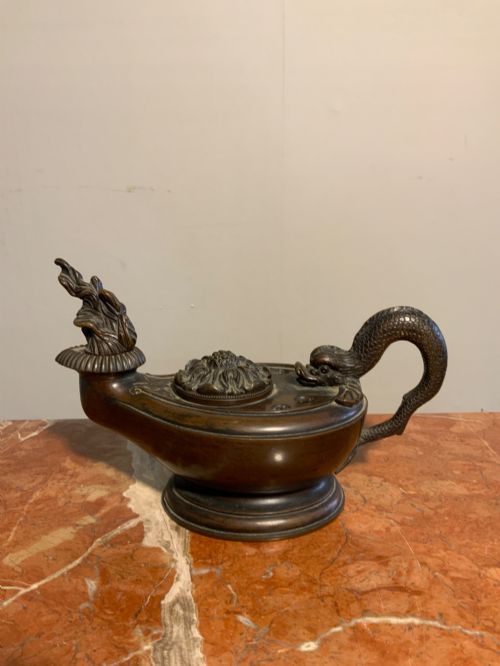
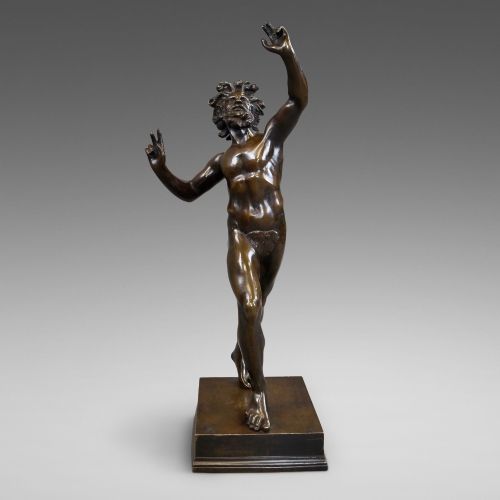
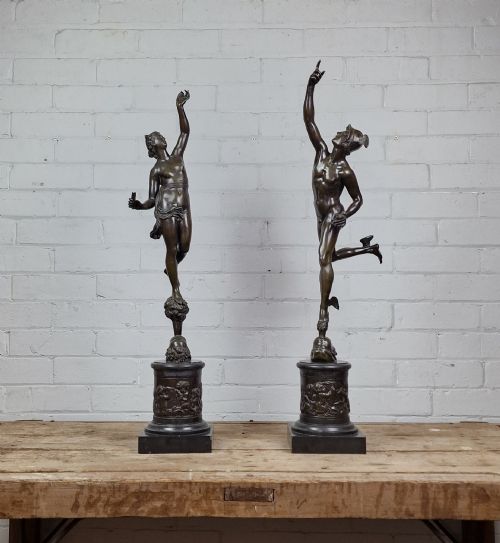
The selection ranges from inkwells, table lamps and platters to substantial sculptural groups depicting subjects such as Mercury, Narcissus, the Dancing Faun and the Abduction of a Sabine Woman. Many pieces rest on shaped marble bases or incorporate patinated finishes designed to emulate excavated antiquities.
Makers and workshops across France and Italy produced these works, drawing inspiration from classical antiquities and Renaissance masters such as Giambologna and Cellini. They served as scholarly souvenirs for travellers or decorative statements for Victorian and Edwardian homes.
How they were made
Foundries utilised the lost-wax technique or sand-casting methods to create these metal sculptures, pouring molten alloy into moulds formed around an original model. Skilled artisans then chased the cooled metal using chisels and files to sharpen details such as hair, drapery and facial expressions.
Surface finishes received careful attention through chemical patination to produce dark green, brown or near-black tones, occasionally complemented by parcel gilding, ormolu accents or mounted brass and bronze elements. Many figures were subsequently secured to plinths of grey, white or black marble.
Several mischievous fauns and satyrs manage to keep playing their pipes despite centuries of changing mantelpiece fashions.
What varies in quality
Proportion and balance also mark the better-executed works, particularly in reductions after large antique marbles where maintaining correct scale requires exceptional skill from the founder. The weight and quality of the supporting marble base and the depth of the chemical patination further distinguish higher-grade workshop productions.
Barbedienne·Emile Carlier·Albert Hussmann·Pierre Le Faguays
The Classical Mythological Bronze Glossary
- Grand Tour
- A traditional travel itinerary undertaken by nineteenth-century elites through France and Italy, generating a demand for bronze souvenirs cast after ancient sculpture.
- Patination
- The chemical treatment applied to the surface of the metal to produce specific coloration and protect against oxidation. It ranges from warm brown tones to deep verdigris green.
- Lost-wax casting
- A historic method of metal fabrication where a wax model is melted out of a ceramic mould to leave a cavity for molten bronze. This technique allows for intricate undercuts and fine surface detail.
- Ormolu
- Gilded bronze ornamentation applied to furniture, clocks and decorative objects. The process involves creating a mercury and gold amalgam fired onto the metal surface.
- Chasing
- The manual finishing process where a metalworker refines the raw casting using small hammers and punches to sharpen lines and remove surface flaws.
Classical Mythological Bronze: Frequently Asked Questions
What is a Grand Tour bronze?
A Grand Tour bronze is a small-scale nineteenth-century souvenir cast in Italy or France, reproducing famous classical sculptures seen by travellers during their European tours.
These pieces allowed collectors to bring museum antiquities into private studies and libraries as tangible links to classical history.
How do I identify the subject of a bronze figure?
Subjects are typically identified by specific attributes held by the figure, such as Mercury's winged cap, Neptune's trident or the pipes played by Pan.
Inscriptions on the base or comparisons with known ancient statues in Italian and French museums also clarify the mythological narrative.
Are these bronzes solid or hollow?
Most nineteenth-century decorative bronzes are hollow castings produced through sand-casting or lost-wax methods to reduce weight and conserve metal.
Heavier bases, often made of solid marble, provide stability for the lighter metal figures mounted upon them.
How should I clean a patinated bronze?
Dusting gently with a dry, soft brush is usually sufficient to maintain the surface without disturbing the historical patina.
Avoid using water, oils or commercial metal polishes, as these chemical agents can strip away the original finish applied by the foundry.