




Classical Bronze Figural Group
A classical bronze figural group brings mythological narratives and spirited movement into an interior through cast metalwork.
Classical Bronze Figural Group
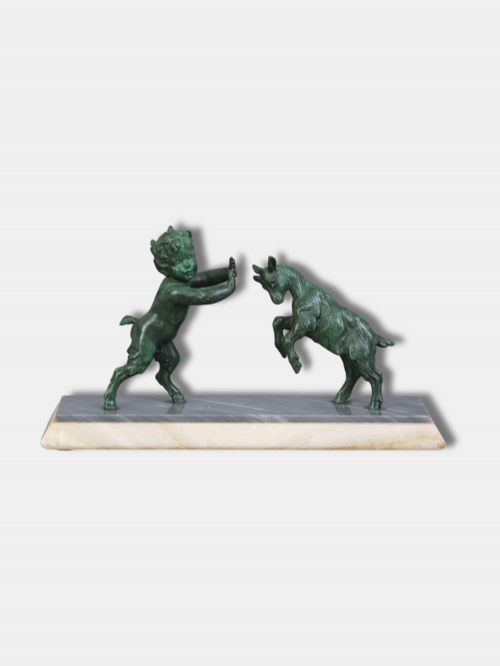
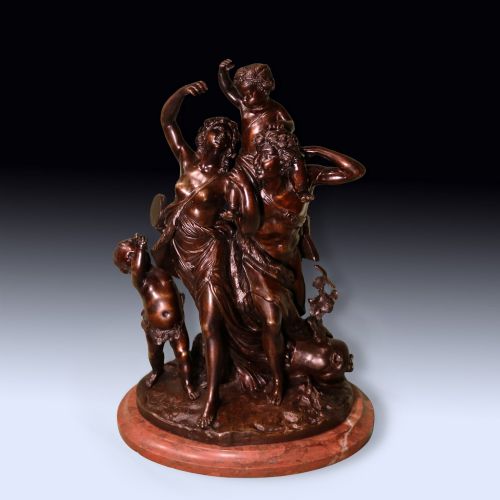
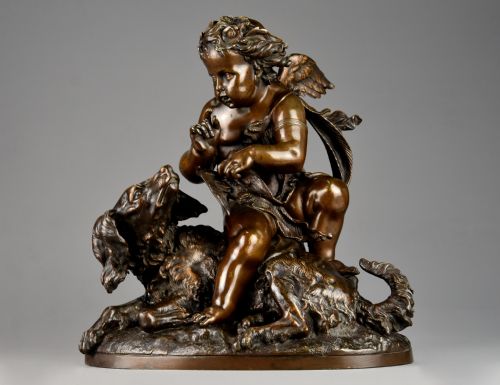
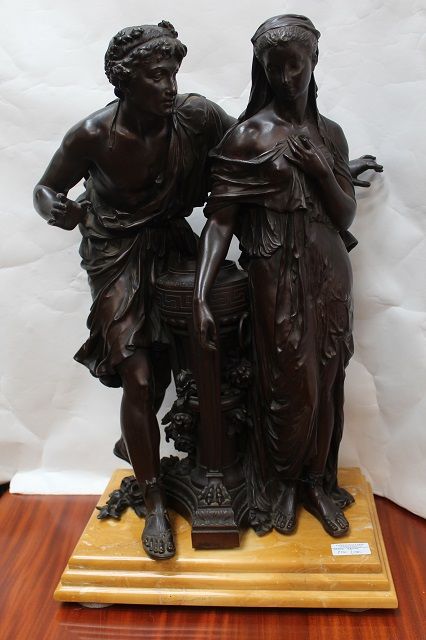
A classical bronze figural group brings together multiple figures drawn from mythology and antiquity, depicting subjects such as Bacchic revels with putti, dancing maidens, and fauns with goats. These works take the form of sculptural groups cast in metal, frequently mounted on marble pedestals to elevate the composition.
French foundries and individual sculptors produced the majority of these pieces during the nineteenth century, drawing heavily upon neoclassical and Rococo revival styles. The surviving examples range from intimate table-top sculptures to larger figural groups bearing signatures or stylised after earlier makers like Clodion.
What varies in quality
The definition and crispness of the chasing across the figures separate the finer examples from simpler castings. Subtleties in the hand-finished patination and the integration of the bronze elements with the marble pedestal distinguish the top of the range.
The presence of a recognised signature from a sculptor adds distinction, as does the complexity of multi-figure compositions involving dynamic interactions like dancing or holding grapes.
Materials paired with bronze across the selections include rouge marble, standard marble, wood, dark patina, and silvered bronze.
Emile Carlier·Clodion·Auguste Moreau·Carl Kauba·Carrier
The Classical Bronze Figural Group Glossary
- Patinated bronze
- Bronze that has been chemically treated to achieve a specific surface colour, ranging from rich dark browns to golden tones. This treatment protects the metal and defines the shadows of the figures.
- Putto
- A plump, often winged male infant figure frequently depicted in classical and mythological art. In these groups, putti commonly join in Bacchic scenes with grapes and wine.
- Neoclassical
- An artistic style inspired by the classical art and culture of ancient Greece and Rome. It prioritises balance, restraint, and mythological themes.
- Chasing
- The manual finishing of a bronze casting using hammers and punches to sharpen details and remove surface imperfections. Skilled chasing defines the textures of hair, fabric, and skin.
Classical Bronze Figural Group: Frequently Asked Questions
How do I clean a bronze sculpture?
Dust the bronze gently with a soft, dry brush to remove particles that settle in the crevices. Avoid using water, detergents, or commercial metal polishes that strip the original patination.
Apply a very thin layer of microcrystalline wax periodically if the surface requires protection. Buff the wax gently with a clean cloth to maintain a stable finish without creating a high gloss.
What is a Bacchic group?
A Bacchic group depicts figures associated with Bacchus, the Roman god of wine, agriculture, and fertility. These compositions frequently feature fauns, dancing maidens, and putti playing with grapes.
Such scenes draw directly on classical mythology and were especially popular among nineteenth-century French sculptors. They celebrate movement and festive abandonment through intertwined figures.
Are these figures solid bronze?
Most nineteenth-century figural groups are hollow castings produced using the lost-wax or sand-casting methods. Hollow casting reduces the weight and cost of the sculpture while allowing for intricate detail.
Heavier elements or bases may incorporate solid components or internal armatures for stability. The marble pedestals are solid stone supporting the metal sculpture above.
How are these pieces mounted?
Many figural groups are permanently attached to marble pedestals or rouge marble bases using threaded bolts or pins extending from the bronze feet. The marble provides a stable foundation and a contrasting visual frame for the dark or silvered metal.
Some pieces integrate wood elements alongside the stone and metal. Check the underside of the base to understand how the sculpture secures to its mount.