


Clodion Bronze Sculpture
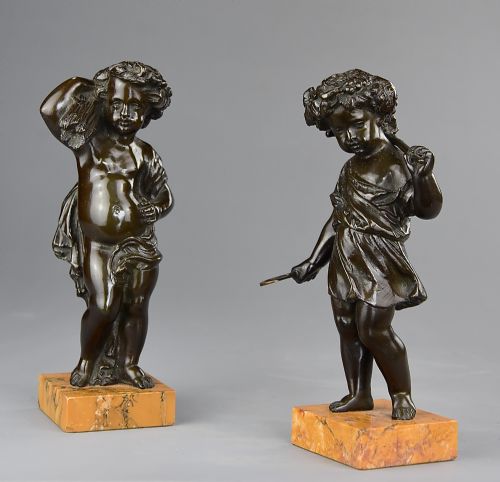
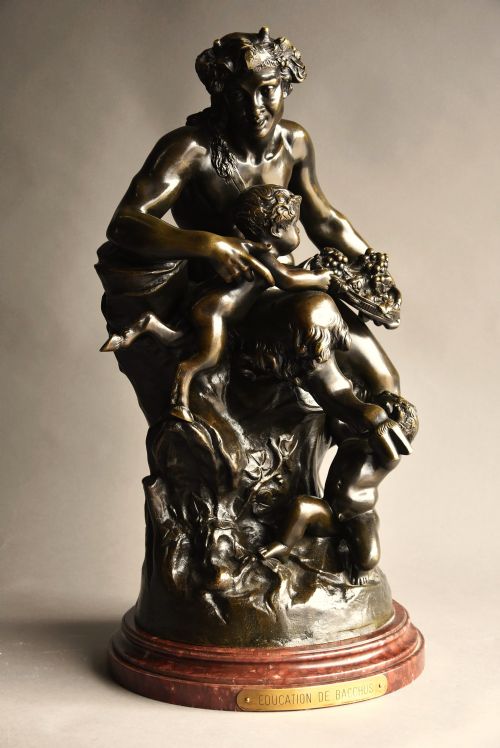
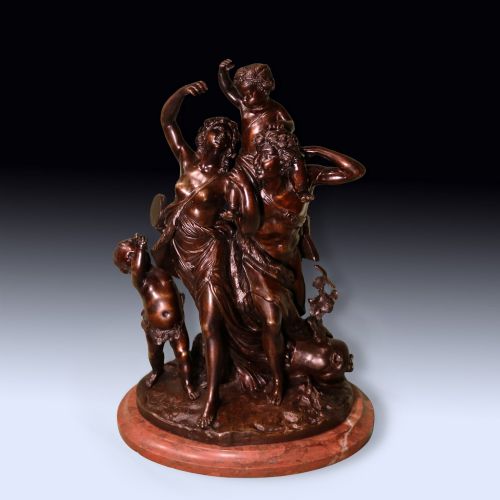
These clodion bronze sculpture pieces capture playful mythological figures and putti, bringing lively French neoclassical spirit into a room.
Clodion Bronze Sculpture
A clodion bronze sculpture depicts mythological subjects such as satyrs, putti, fauns, and dancing maidens in spirited groupings. These figural works reflect the enduring influence of Claude Michel Clodion, whose playful terracottas inspired later founders.
Most examples found here date from the nineteenth century, including pieces from the Georgian period through to the late eighteen-nineties. Collectors frequently encounter figures mounted on marble bases or cast as balanced pairs.
How they were made
Foundries cast these figural groups in bronze, often applying a deliberate patination to accentuate the musculature, drapery, and detailed expressions. The metalwork relies on traditional lost-wax casting techniques to capture dynamic movement and fine textures.
Many works incorporate carved marble bases that provide a stable platform and a distinct visual contrast to the dark metal. Artisans finished the surfaces by hand, chiselling and chasing the bronze details after removal from the mould.
Several groups capture mischievous satyrs and fauns cavorting together, proving that nineteenth-century mantelpieces knew how to party.
What varies in quality
The finesse of the chasing and the liveliness of the casting define the upper tier of these sculptures. Finer examples display crisp detail in hair, foliage, and facial expressions without losing energy in the composition.
The depth and consistency of the bronze patina, alongside the quality of any associated marble mount, separate standard production pieces from more ambitious casts.
Claude Michel Clodion
The Clodion Bronze Sculpture Glossary
- Patinated bronze
- Bronze that has been chemically treated to alter its surface colour, ranging from deep brown to golden tones. This finish protects the metal and highlights sculptural contours.
- Grand Tour
- A traditional trip through Europe undertaken by upper-class young men in the eighteenth and nineteenth centuries. Travellers often brought home bronze sculptures and antiquities as souvenirs.
- Rococo Revival
- A nineteenth-century design movement that revived the ornate, asymmetrical curves and playful motifs of the eighteenth-century French style. It heavily influences the composition of these figural groups.
- Putto
- A representation of a plump, naked male child, often winged, appearing frequently in classical and renaissance art. In these sculptures, putti engage in playful mythological scenes.
Clodion Bronze Sculpture: Frequently Asked Questions
What are clodion bronze sculptures?
These works are bronze castings depicting mythological figures, satyrs, and putti inspired by the eighteenth-century sculptor Claude Michel Clodion.
Foundry casts from the nineteenth century make up the majority of pieces available on the market today.
How were they used?
Sculptures of this type served as decorative table ornaments and cabinet pieces in nineteenth-century interiors. They demonstrated the owner's classical tastes and appreciation for French neoclassical art.
Pairs of figures often decorated mantelpieces or flanked other decorative objects in formal rooms.
How do I date a bronze?
Dating relies on examining the casting technique, the character of the bronze patina, and the style of any associated marble bases. Nineteenth-century examples often show specific foundry marks or stylistic cues from the Rococo Revival.
Comparing the crispness of the chasing to dated archive pieces helps narrow the period of creation.
How do I care for bronze?
Bronze requires minimal maintenance beyond gentle dusting with a soft, dry cloth to prevent the accumulation of grit. Avoid using chemical polishes or water, which can damage the patinated surface.
Keeping the sculpture in a stable environment away from excessive humidity preserves both the metal and any marble base.