


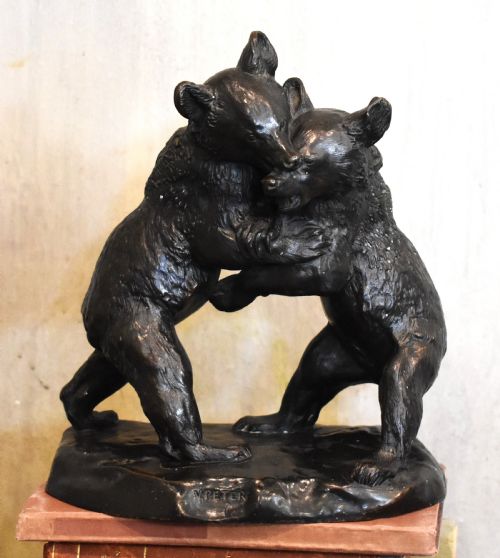


French School Bronze
These french school bronze works capture the expressive figures and animal subjects that collectors prize.
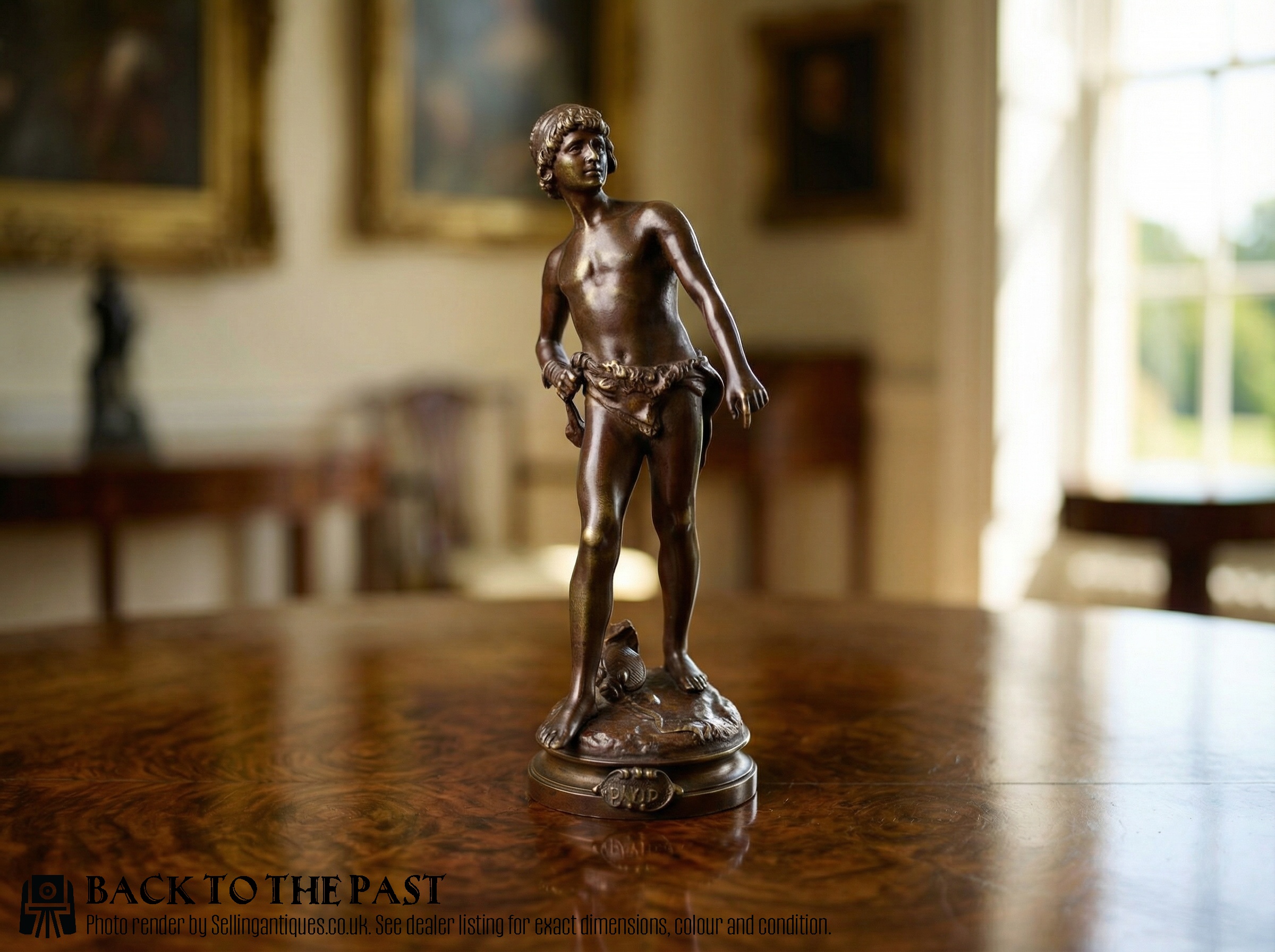
French School Bronze
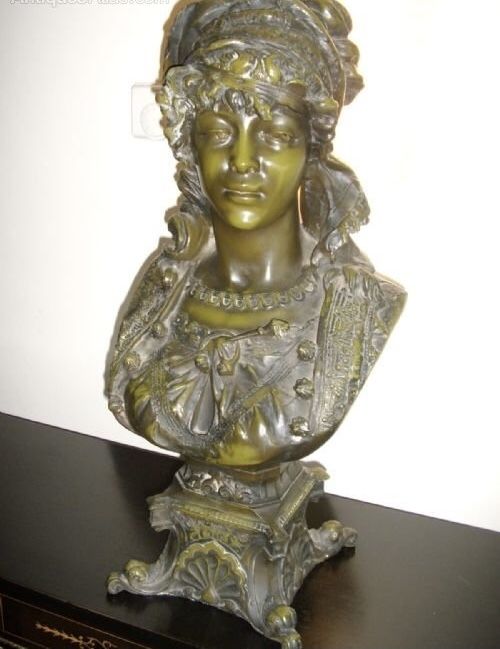
A french school bronze encompasses cast metal sculptures, figures and portrait miniatures originating from France across the eighteenth, nineteenth and early twentieth centuries. When you search for this phrase, you encounter works ranging from animalier subjects and mythological figures to portrait busts mounted on marble bases.
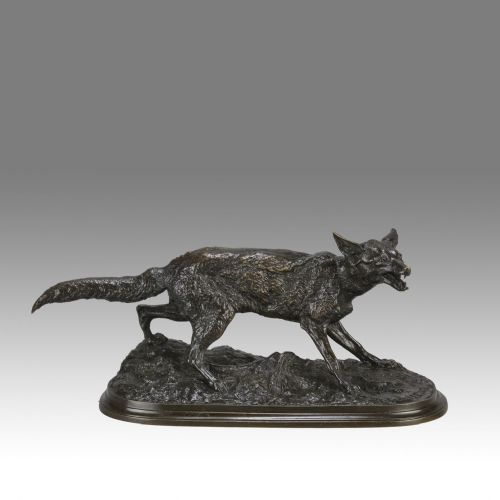
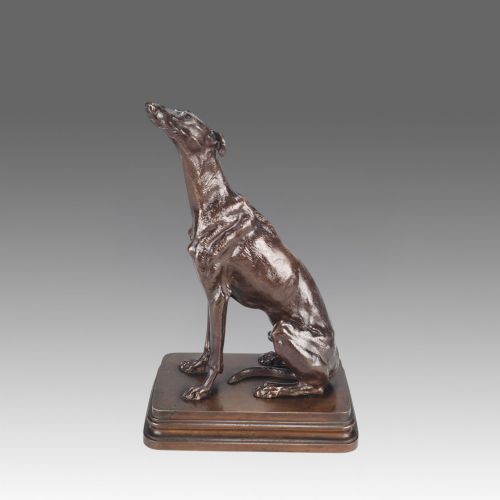
The pieces on this page lean heavily towards nineteenth century examples, featuring patinated bronze alongside gilt metal and alabaster components. Animalier studies of hounds, bears and horses dominate the selection, alongside classical figures and detailed portrait miniatures.
Assessing quality in bronze sculpture
The integration of materials also defines the piece, such as the fit between a bronze figure and its marble base. Signed works by recognised makers generally demonstrate superior foundry execution compared to unsigned or later castings.
French School Bronze Retail Price Guide 2026
Typical asking prices for french school bronze among the pieces listed under this phrase on Sellingantiques today, from the lower quarter to the upper quarter. They describe what is for sale here now, not the wider market.
Materials recorded across the selection include bronze, marble, alabaster and seed pearls.
P J Mêne·Alfred Dubucand·Henry Wissen Senior·Dumont·Victor Peter·Louis Auguste Moreau·Joaquim Angles·L Bureau
The French School Bronze Glossary
- Animalier
- A nineteenth-century artistic movement focusing on the realistic portrayal of animals. Sculptors in this tradition studied anatomy closely.
- Patinated bronze
- Metal treated with chemicals or heat to produce a specific surface colour and tone. This finish protects the bronze while enhancing visual depth.
- Portrait miniature
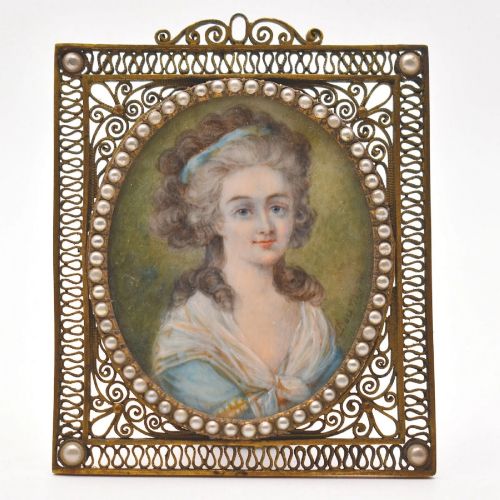
- A small, highly detailed painting, in this context often framed in gilt metal with seed pearls. They capture likenesses on a delicate scale.
- Gilt metal
- Metal coated with a thin layer of gold or gold-coloured finish. It provides decorative contrast in frames and mounts.
French School Bronze: Frequently Asked Questions
What is a french school bronze?
A french school bronze is a metal sculpture or miniature created by artists working within the French artistic tradition, primarily during the nineteenth century. These pieces encompass everything from animal studies to classical figures and portrait busts.
Collectors seek them for their expressive casting and detailed patination. The grouping spans multiple decades of foundry production in France.
How do I care for bronze sculpture?
Bronze requires minimal maintenance, needing only gentle dusting with a soft, dry cloth to prevent accumulation. Avoid commercial polishes or chemical cleaners that can strip the original patina.
Keep the sculpture away from direct sunlight and damp environments to protect both the metal and any attached marble bases.
What does animalier mean?
Animalier refers to nineteenth-century sculptures that depict animals in realistic, dynamic poses. Artists studied live subjects to capture accurate movement and behaviour.
This style produced popular bronzes of hounds, bears and horses.
Are these bronzes solid metal?
Many nineteenth-century sculptures were cast using the lost-wax method, which often resulted in hollow bronze forms to save weight and metal. The thickness of the metal varies depending on the foundry and the size of the piece.
Some figures are mounted on solid marble or alabaster bases for stability.