

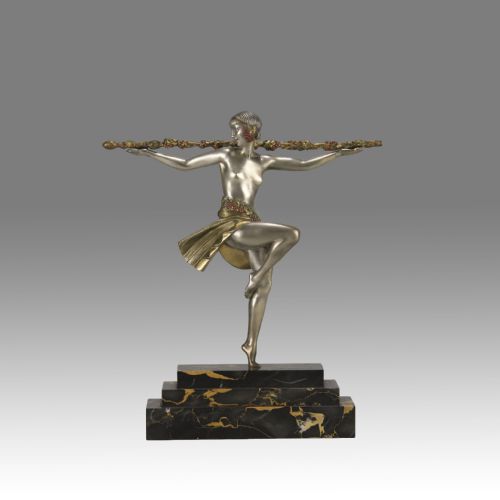
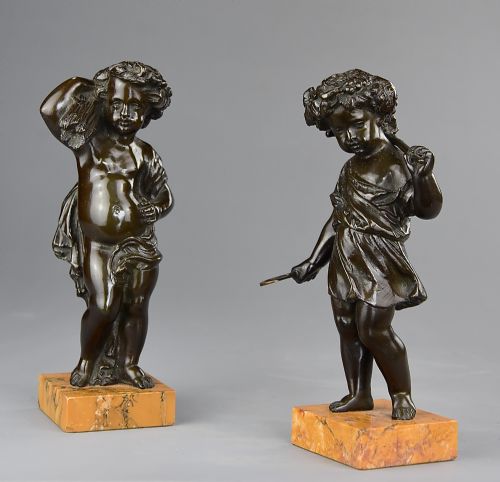
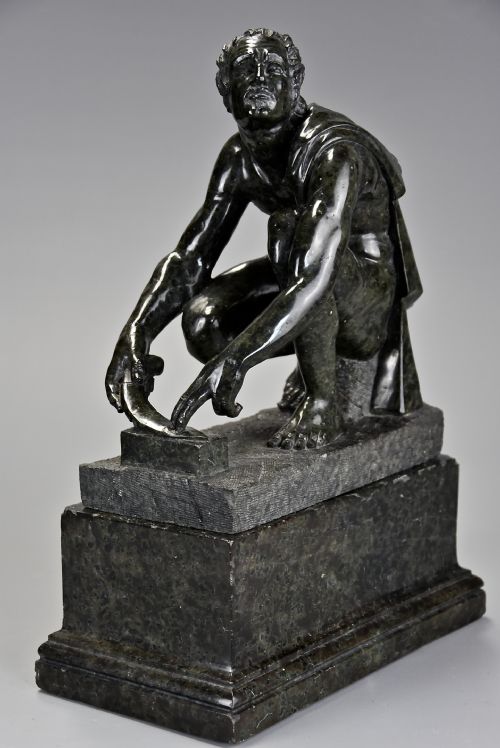
Classical Figure Statue
A classical figure statue captures the enduring appeal of antiquity, bringing mythological deities, heroic mortals and allegorical figures into interior and garden spaces.
Classical Figure Statue
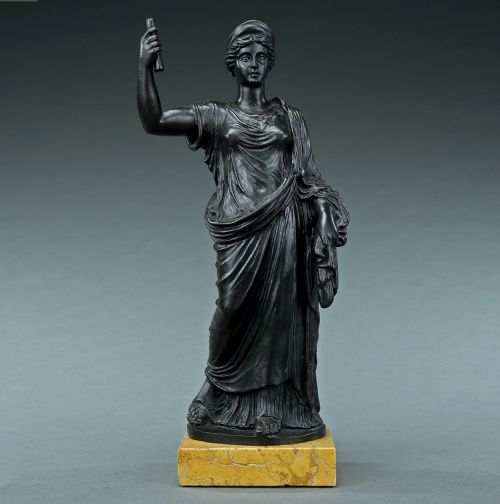
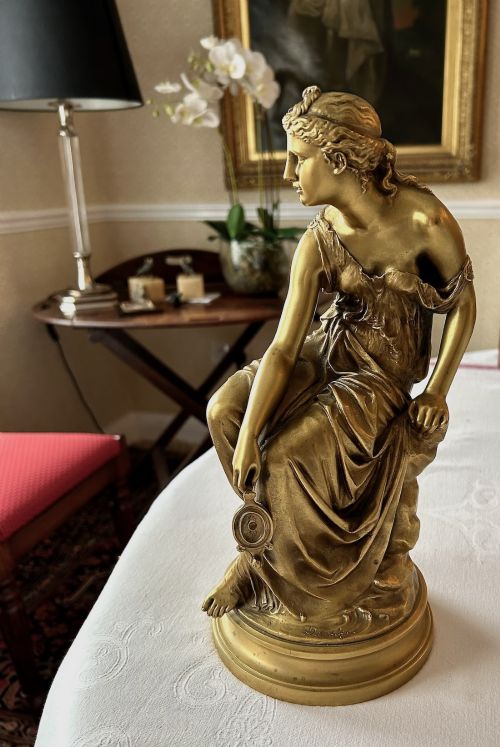
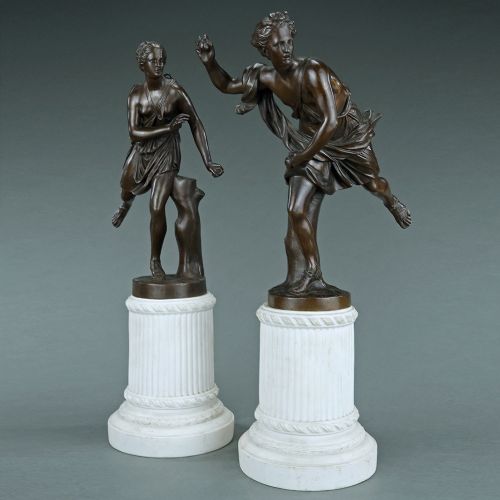
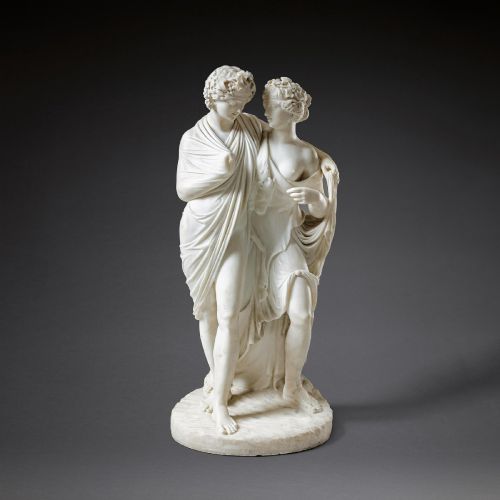
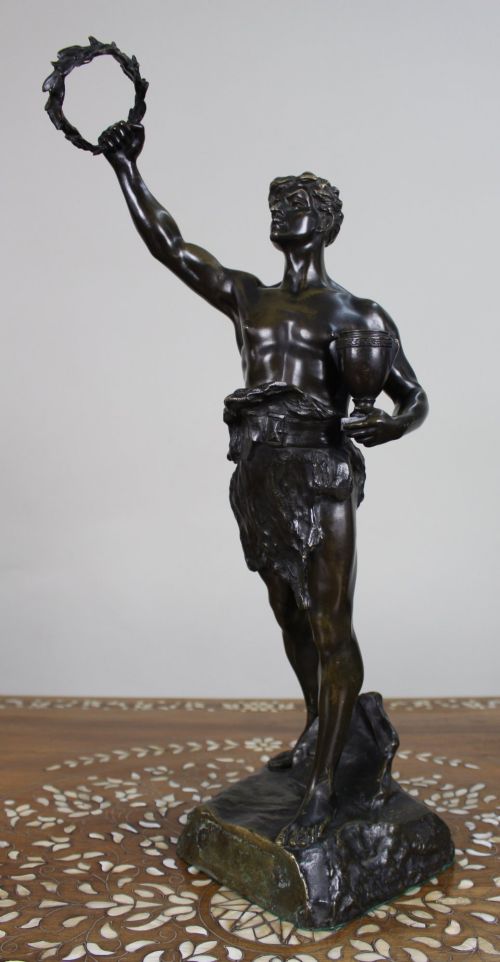
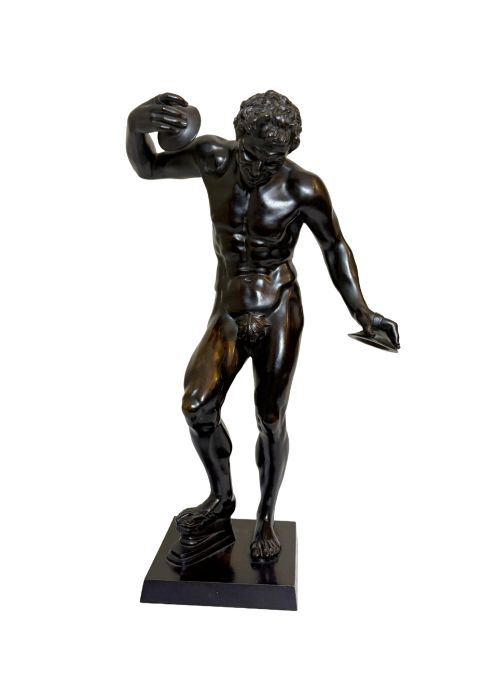
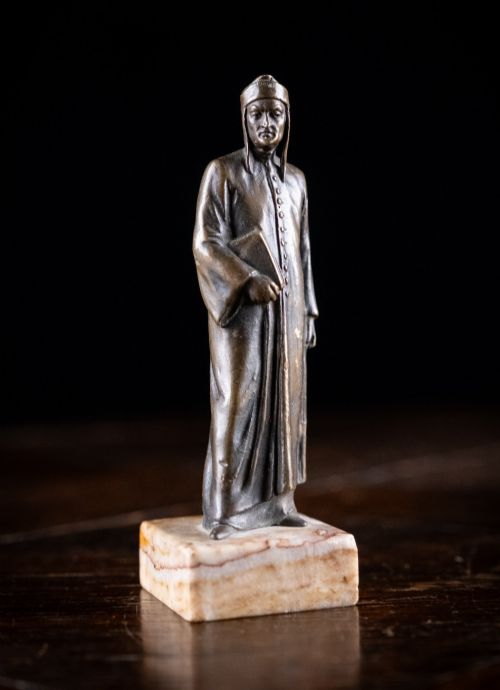
A classical figure statue embodies historical subjects drawn from Greek and Roman mythology, literature and ancient sculpture traditions. These pieces range from small Grand Tour souvenirs designed for desk display to monumental bronze castings and carved marble groups intended for focal points in grand rooms.
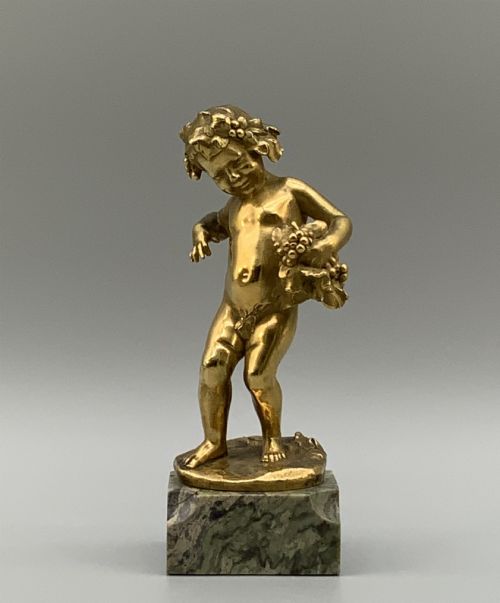
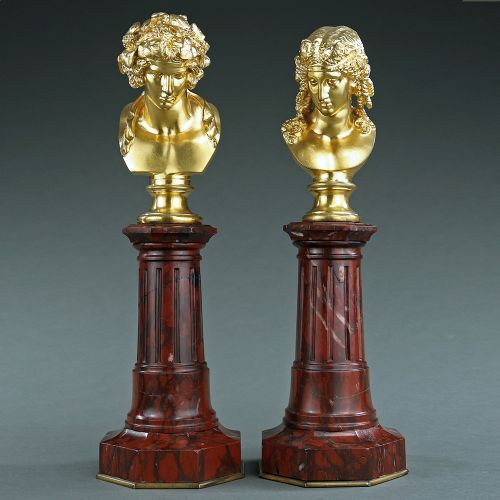
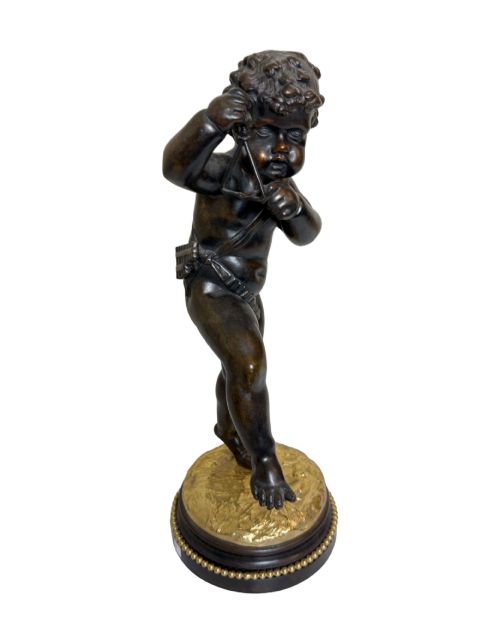
The selections available primarily span the nineteenth century, reflecting nineteenth-century French, Italian and English interpretations of classical antiquity. Buyers encounter reductions of famous ancient marbles, allegorical putti, dancing fauns and mythological deities such as Bacchus, Mercury and Venus.
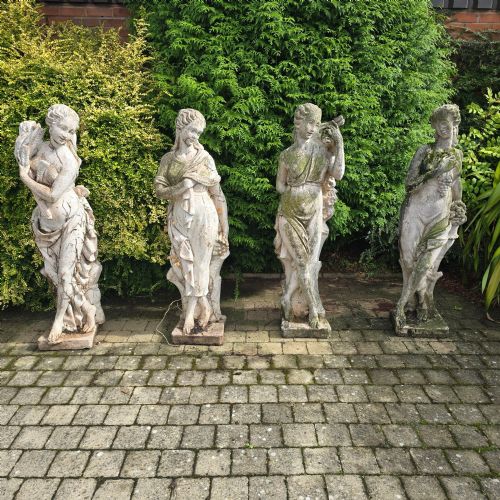
Formats vary widely between standalone bronze sculptures, marble groups on fossil stone bases, patinated metal table lamps and garden pieces cast in stone. The common thread is a reliance on neoclassical or classical revival styles that look back to Hellenistic and Roman models.
How They Were Made
Foundries utilised the lost-wax casting method for bronze pieces, allowing precise reproduction of complex musculature, drapery folds and facial expressions. Master founders then applied chemical patination treatments to achieve varied tones ranging from deep chocolate brown to warm greenish-black.
Carved marble and stone figures relied on pneumatic or hand chisels, often executed in Italian workshops utilising Carrara marble or local varieties such as verdo prato. Founders and carvers frequently worked after established antique models found in European museums and archaeological sites.
Classical Figure Statue Retail Price Guide 2026
Typical asking prices for classical figure statue among the pieces listed under this phrase on Sellingantiques today, from the lower quarter to the upper quarter. They describe what is for sale here now, not the wider market.
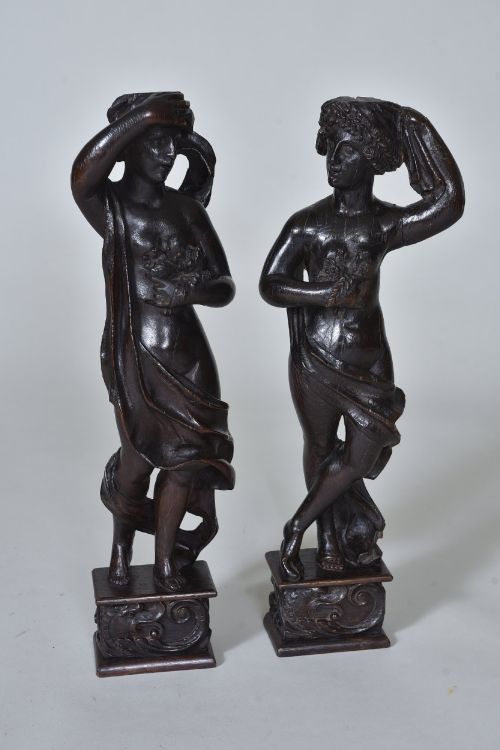
Listings feature materials spanning bronze, Carrara marble, pewter, cast stone and oak, representing production methods across the nineteenth century.
What Varies in Quality
The definition of the chasing in bronze work separates standard foundry output from exceptional pieces. Skilled chasers spent hours refining the raw metal casting by hand, sharpening hair strands, fingernails and textile patterns before applying the final patination.
Material selection dictates the presence of natural veining and inclusions in marble bases and figures. Superior examples employ dense, uniform stone without repairs, whilst lesser pieces utilise reconstituted materials or show visible structural flaws.
Etienne-Henri Dumaige·Susse Frères·Ferdinand Barbedienne·Carlo Albacini·Pierre le Faguays·G. Amodio Naples
The Classical Figure Statue Glossary
- Grand Tour
- A nineteenth-century travel tradition where wealthy Europeans collected art and souvenirs abroad. These small bronzes and marbles served as portable reminders of classical antiquity.
- Patination
- The surface coloration and finish applied to bronze or metal through chemical means or natural ageing. A rich patina enhances the perceived depth of sculptural details.
- Lost-wax casting
- A historic method where a metal sculpture is cast from an initial model encased in wax and mould material. This technique permits intricate undercut details impossible in rigid two-piece moulds.
- Neoclassical
- An artistic movement reviving the forms, proportions and themes of ancient Greek and Roman art. It dominated European sculpture and architecture from the mid-eighteenth through the nineteenth century.
Classical Figure Statue: Frequently Asked Questions
Where should I place a heavy marble statue?
Heavy marble and stone figures require stable, level surfaces capable of supporting substantial weight without shifting. Placing them on reinforced console tables or dedicated stone pedestals protects both the furniture and the floor.
Ensure the location avoids direct, continuous moisture if the piece is designed for interior display, particularly for items incorporating delicate marble bases or cold-painted finishes.
How do I clean nineteenth-century bronze sculptures?
Dust bronze surfaces gently using a soft, dry brush or microfibre cloth to prevent particulate buildup in recessed details. Avoid water, abrasive cleaners or chemical solvents that strip the original historic patina.
An occasional application of microcrystalline wax helps protect the metal from atmospheric humidity and handling oils. Buff the wax lightly with a clean cloth after application to maintain a soft sheen.
What distinguishes a Grand Tour bronze from later copies?
Grand Tour bronzes typically exhibit fine-grained chasing, crisp anatomical definition and heavy base materials such as fossil marble or slate. Foundries produced these pieces specifically for travellers visiting Italian and French cultural centres during the nineteenth century.
Inspect the underside and mounting pins for age indicators like hand-cut screws or patinated green bronze bolts. Mass-produced modern reproductions often display simplified surface textures and uniform modern hardware.
Are these statues suitable for outdoor garden display?
Only pieces explicitly cast in stone, reconstituted stone, lead or weather-resistant metals are suitable for exterior environments. Bronze develops a stable protective oxide layer outdoors, but cold-painted finishes and delicate marble groups will deteriorate rapidly in rain and frost.
Bring interior bronze and marble figures indoors during winter months to prevent thermal shock and moisture ingress.