


Classical Figure Sculpture
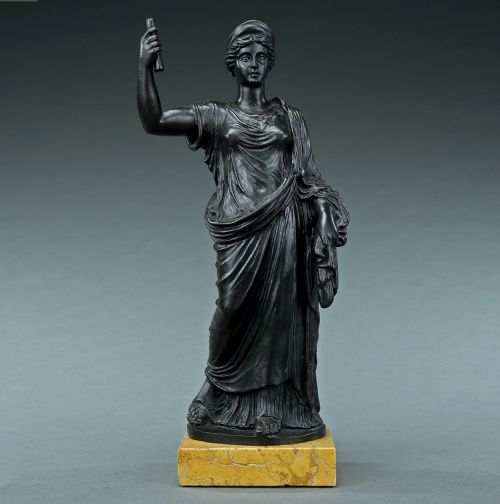
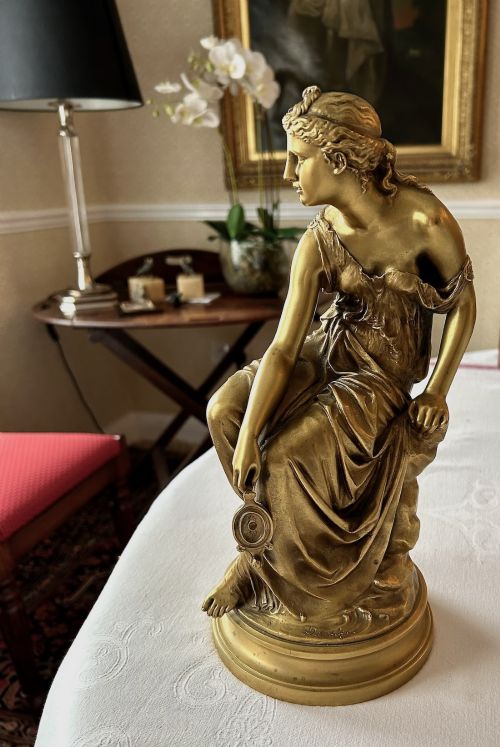
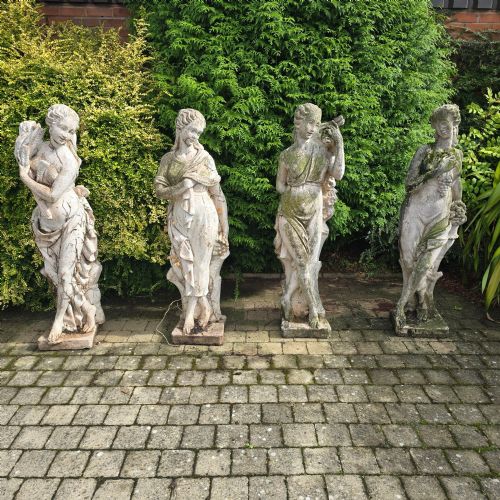
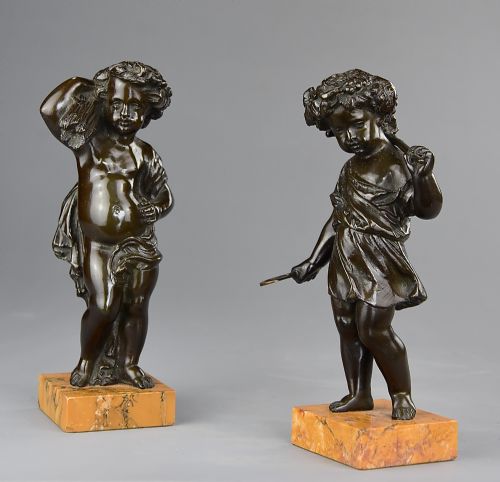
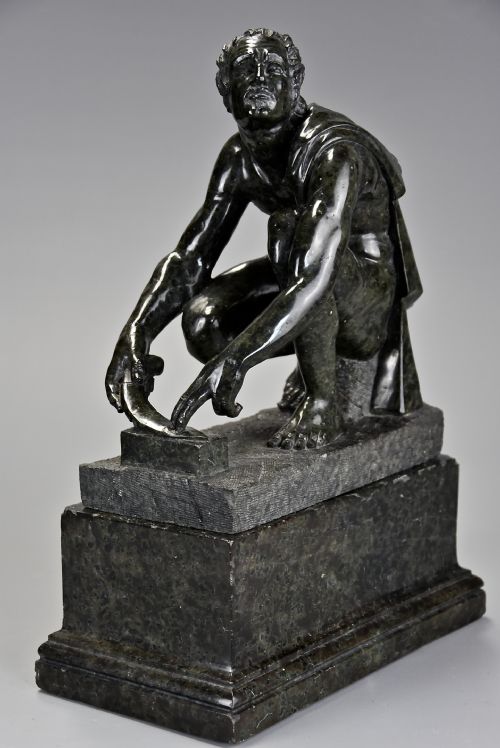
Classical figure sculpture takes many forms here, offering enduring depictions of mythological deities, literary figures and historical personages cast in metal or carved in stone.

Classical Figure Sculpture
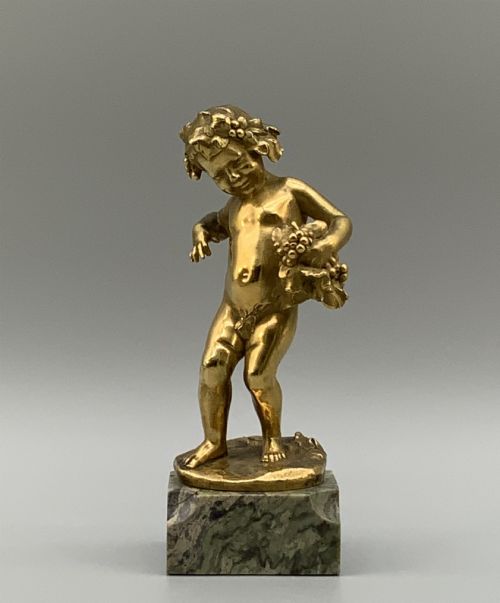
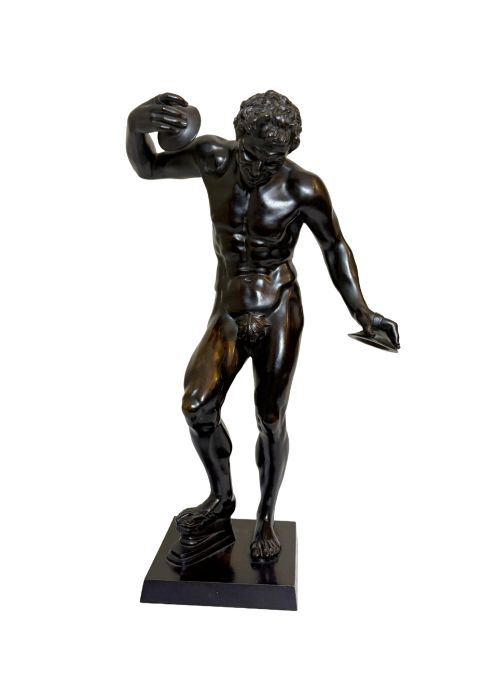
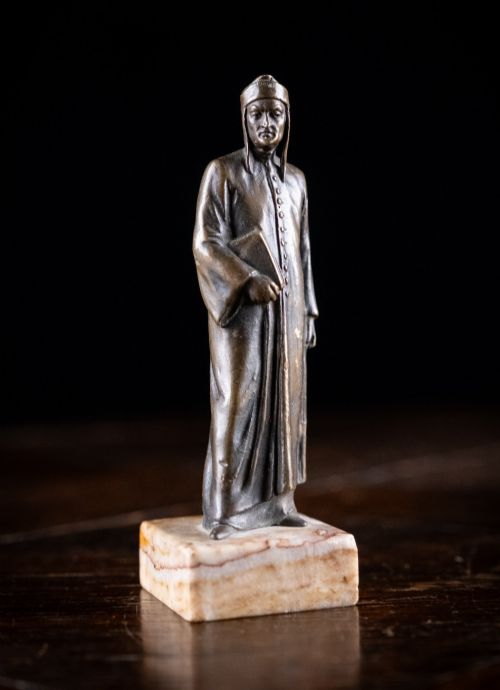
Classical figure sculpture encompasses representations of ancient deities, mythological narratives, and historical personages derived from antiquity, frequently seen in nineteenth-century interpretations. Buyers encounter subjects ranging from major Olympian gods and dancing fauns to allegorical putti and literary portraits.
The objects on this page span tabletop Grand Tour souvenirs, cabinet bronzes, and substantial carved marble or oak groups. Many examples reflect the Victorian enthusiasm for classical revival styles, executed by European foundries and individual makers.
Originating largely from French and Italian workshops during the nineteenth century, these pieces capture the enduring European fascination with Greco-Roman art. Collectors find both reductions of celebrated museum statues and original compositions modelled in the classical idiom.
Materials and methods
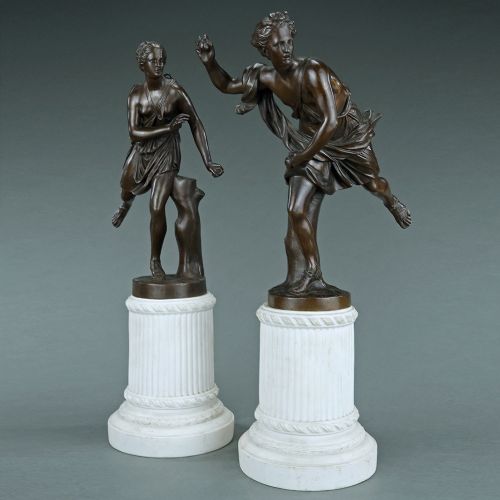
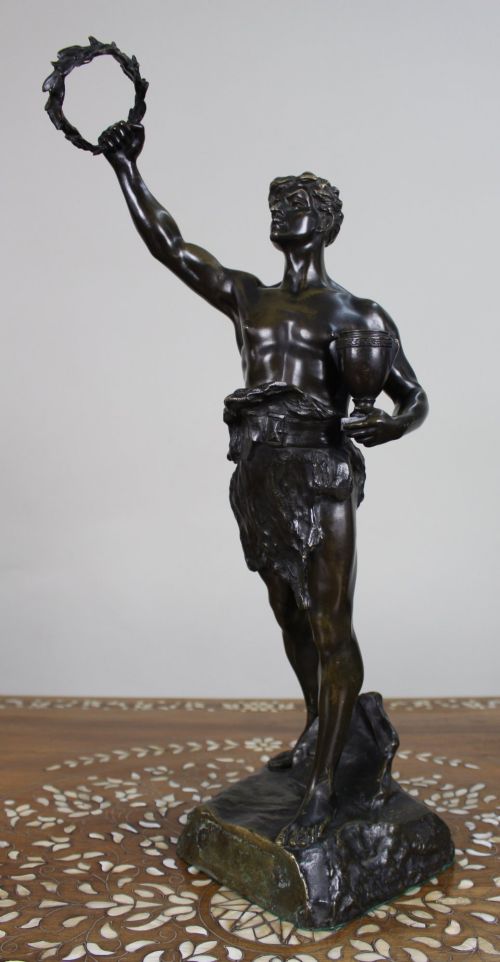
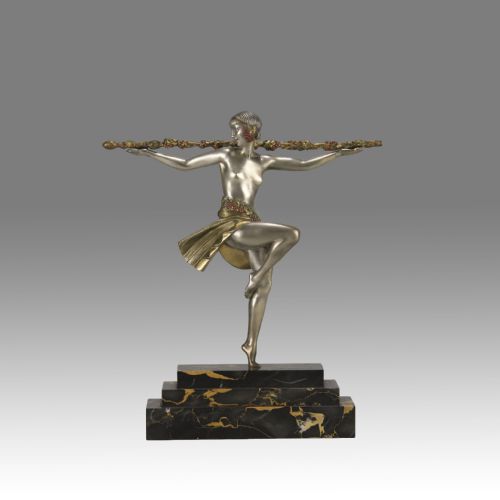
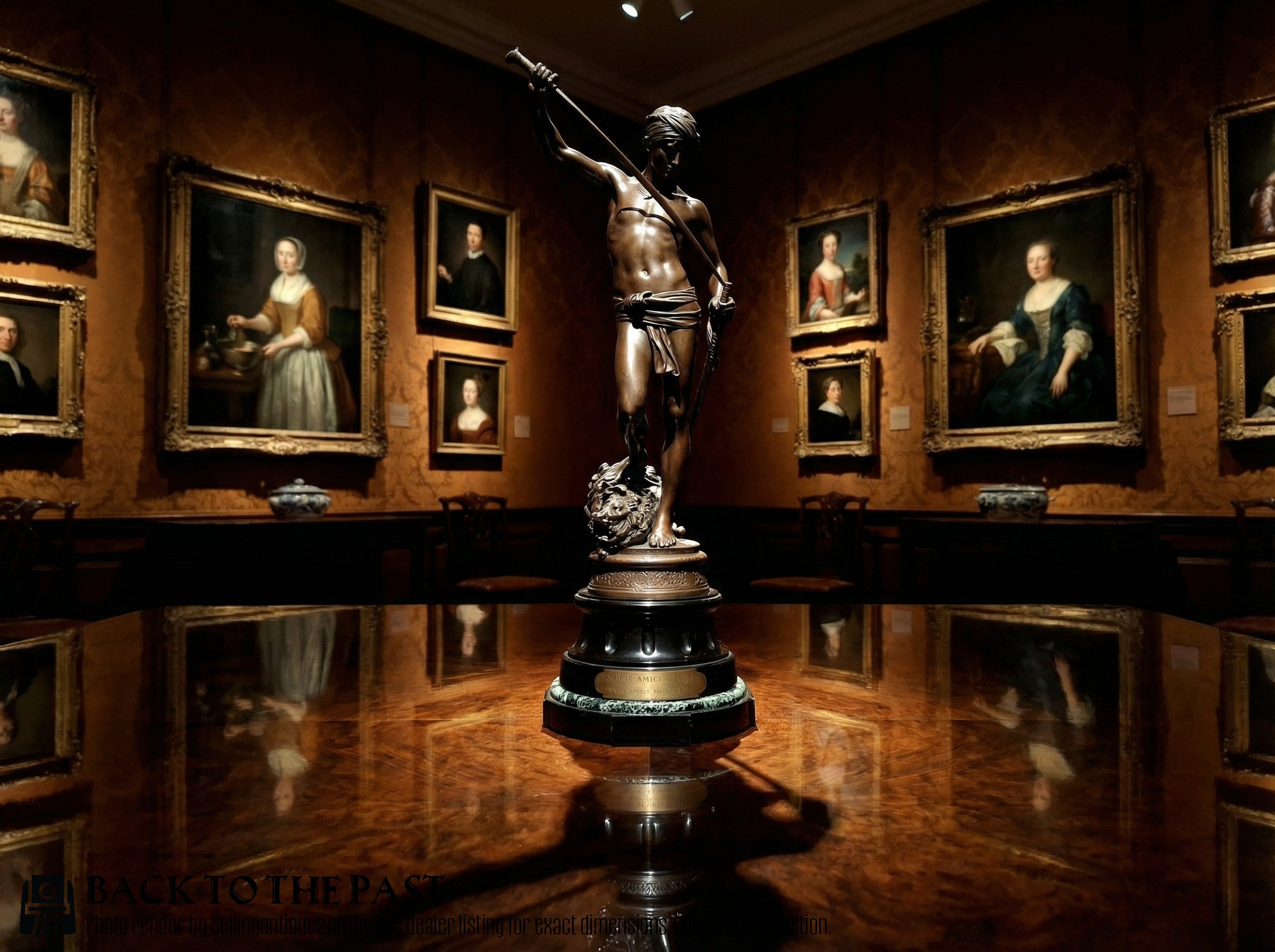
Foundries produced bronze sculptures using the lost-wax method or sand casting, applying patinated or gilt finishes to highlight muscular definition and drapery. Many works combine metal figures with integral or separate marble bases, utilising contrasting stone colours.
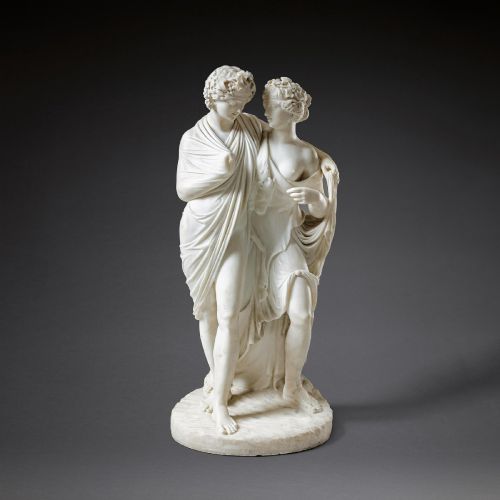
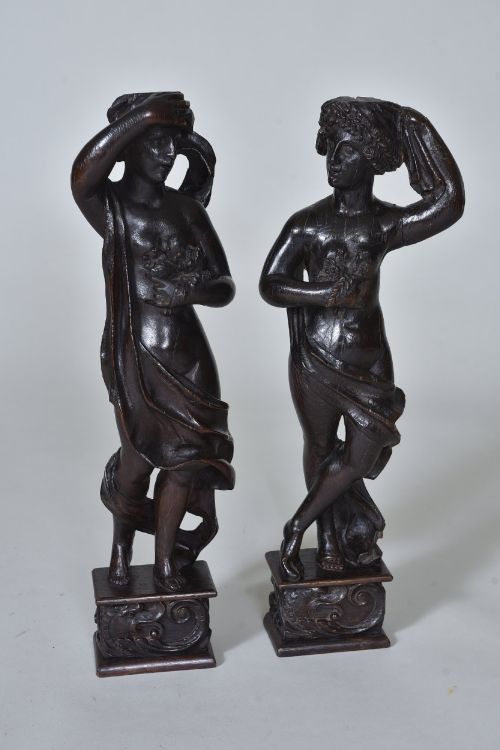
Carved pieces rely on marble varieties such as Carrara and verdo prato, shaped with chisels and rasps to achieve smooth flesh tones and textured garments. Wood carvers utilised oak for larger continental figures, working the grain to produce substantial relief and depth.
Classical Figure Sculpture Retail Price Guide 2026
Typical asking prices for classical figure sculpture among the pieces listed under this phrase on Sellingantiques today, from the lower quarter to the upper quarter. They describe what is for sale here now, not the wider market.
Several mischievous putti and dancing fauns appear across the centuries, proving that classical dignity frequently yields to merriment.
Assessing quality
In carved stone and marble, quality rests on the sensitivity of the proportion and the subtlety of the surface polish. Master carvers captured anatomical accuracy and fluid movement, whereas lesser workshop pieces exhibit stiffer postures and shallower relief.

Ferdinand Barbedienne·Susse Freres·Pierre le Faguays·Moreau Family·Carlo Albacini
The Classical Figure Sculpture Glossary
- Grand Tour
- A traditional trip of Europe undertaken by upper-class young European men of means in the 18th and 19th centuries. Souvenirs purchased on these journeys included small-scale bronzes and marble carvings of famous antiquities.
- Lost-wax casting
- A metal casting method in which a molten metal is poured into a mould that has been created by means of a wax model. Once the mould is made, the wax is melted and drained away.
- Patinated bronze
- Metal sculpture treated with chemical solutions to produce a specific surface colour and texture. This layer protects the bronze and creates tones ranging from deep brown to greenish verdigris.
- Parian ware
- A type of bisquely fired porcelain resembling marble, developed in the 19th century in Britain. It was widely utilised for small-scale classical portrait busts and figural groups.
- Gilt bronze
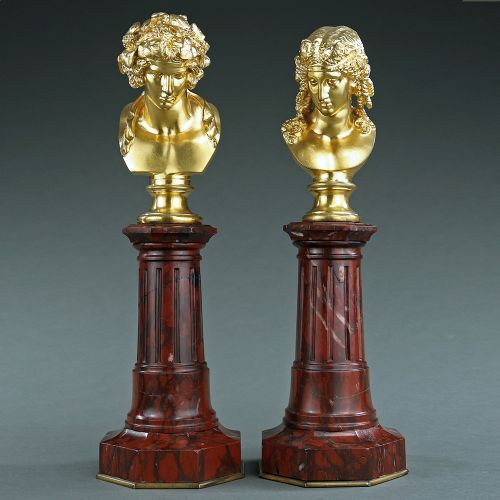
- Bronze objects coated with a thin layer of gold or gold amalgam to impart a rich metallic sheen. This technique was frequently employed in French decorative arts to emphasise ornamental details.
Classical Figure Sculpture: Frequently Asked Questions
What is a Grand Tour bronze?
Grand Tour bronzes are small-scale souvenir sculptures produced in Europe during the eighteenth and nineteenth centuries. Travellers collected them as portable reminders of classical monuments seen abroad.
These pieces typically depict famous ancient statues housed in Italian museums and archaeological sites. They allowed collectors to display classical taste within their home studies and libraries.
How do I care for bronze sculpture?
Bronze requires minimal maintenance, primarily consisting of gentle dusting with a soft, dry cloth. Avoiding abrasive cleaners preserves the original patinated or gilt surface.
Applying a very light coat of microcrystalline wax periodically helps protect the metal from atmospheric moisture. Keeping pieces away from direct heat sources prevents damage to underlying stone bases.
What distinguishes parian from marble?
Parian is a fine ceramic material developed in the nineteenth century to imitate the smooth texture of carved white marble. Unlike stone, it is slip-cast in ceramic moulds rather than carved by hand.
Parian pieces often feature a matte, unglazed finish that captures intricate facial details and drapery folds. They offered an accessible alternative to expensive Italian marble sculptures for Victorian interiors.
How can I identify nineteenth-century bronzes?
Nineteenth-century bronzes frequently bear foundry stamps, signatures, or registration marks cast directly into the base. The weight, colour of the patina, and precision of the chasing offer further clues to their origin.
Many of these works replicate famous classical or Renaissance prototypes produced by major European foundries. Examining the construction of the attachment pins and the base materials helps confirm the period of manufacture.