



Classic Wooden Clock
A classic wooden clock brings warmth and mechanical precision to a room, offering the enduring craftsmanship of mahogany, oak, and walnut.

Classic Wooden Clock
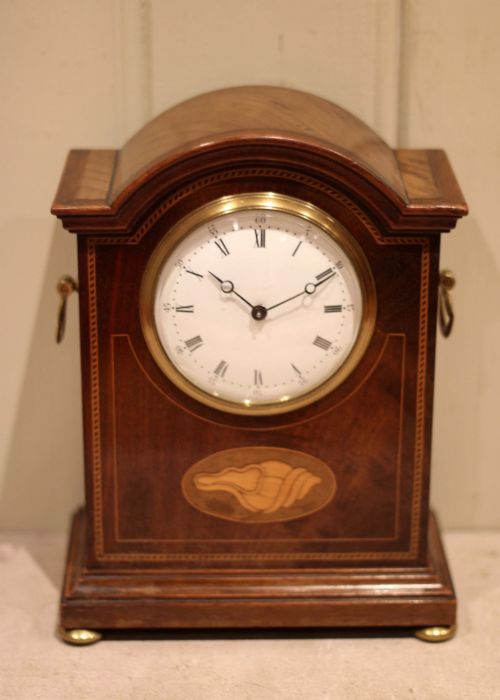
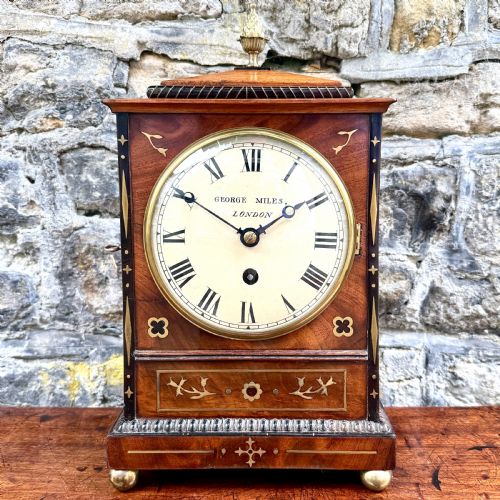
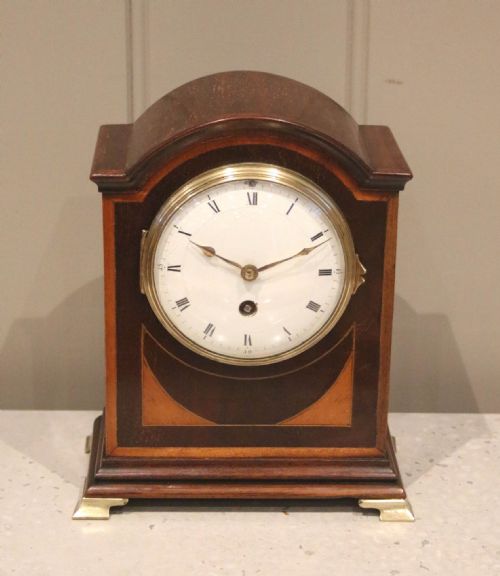
A classic wooden clock covers a broad sweep of domestic timepieces, ranging from towering longcase clocks to compact mantel, table, and bracket clocks. When searching for a classic wooden clock, buyers encounter pieces spanning the Georgian, Regency, Victorian, and Edwardian periods, alongside mid-century examples.
The materials are predominantly mahogany and oak, often detailed with brass, glass, enamel dials, and occasionally satinwood inlay. Formats vary from wall-hung Vienna clocks and library regulators to robust longcase floor clocks and portable desk models.
Mantel and bracket clocks dominate the selection, offering traditional dial faces protected by glass bezels. These functional objects reflect the changing domestic tastes of British, French, and English workshops across multiple centuries.
How they were made
Cabinetmakers constructed the housing using solid timbers and veneers like mahogany, walnut, and oak, frequently employing satinwood inlay to create decorative contrast on the wooden surfaces. Brass fittings, bezels, and pendulum bobs provided structural and visual accents against the dark wood grains.
Enamel or metal dials housed the movement behind protective glass covers, while internal mechanisms utilised eight-day striking trains or simpler timepiece movements. Carved details and architectural elements reflected the prevailing styles of the Georgian, Victorian, and Edwardian eras.
A knife-edge suspension helps a portico table regulator keep time without losing its temper.
What varies in quality
Quality reveals itself in the crispness of the timber cabinetwork, the depth of the mahogany or walnut grain, and the precision of any satinwood inlay or brass mounts. Finer examples display meticulous attention to proportion and cabinet joinery that survives intact across the centuries.
The execution of the dial and the sophistication of the movement, such as eight-day striking mechanisms or specialised suspensions, distinguish standard production pieces from higher-grade workshop creations.
Dent of London·Garrards·Henry Lamb, Windsor
The Classic Wooden Clock Glossary
- Bracket clock
- A portable timekeeper originally designed to sit on a bracket on the wall, though later placed on mantelpieces and tables. These clocks often feature brass carrying handles and elaborate wooden cases.
- Longcase clock
- A tall freestanding timepiece enclosed in a wooden case, commonly known as a grandfather clock. These floor-standing pieces house a pendulum and weight-driven movement.
- Portico clock
- A architectural clock style featuring supporting pillars reminiscent of classical Greek or Roman temples. French makers frequently utilised this balanced form in mahogany.
- Satinwood inlay
- A decorative technique where contrasting light-coloured wood is inserted into recesses of a primary timber such as mahogany. This adds geometric or floral detail to the clock case.
- Timepiece
- A clock that indicates the time without striking hours or quarters. These movements focus purely on the escapement and dial display.
Classic Wooden Clock: Frequently Asked Questions
How do I wind an eight day clock?
An eight-day movement requires winding via the dial holes roughly once a week using a matching key. Care must be taken not to overwind the mainspring.
Maintaining a regular winding schedule keeps the tension steady and helps preserve the internal mechanical components of the wooden clock.
Where should I place a wooden clock?
Wooden clocks perform best away from direct sunlight, dampness, and rapid temperature fluctuations that can warp timber cases or crack veneers. Stable placement on a level mantel, bracket, or wall ensures the pendulum swings evenly.
Keeping the clock clear of heat sources protects the original polish and the delicate internal brass mechanics.
How do I identify a Georgian clock?
Georgian timepieces typically feature rich mahogany or oak cases with restrained architectural proportions and traditional brass dials. The cabinetwork reflects the furniture design styles prevalent during the eighteenth and early nineteenth centuries.
Examining the backboards, secondary woods, and dial construction helps separate these earlier items from later revival pieces.
What is a Vienna wall clock?
A Vienna wall clock is a regulator-style timekeeper designed to hang on a wall, often featuring a long glazed wooden case that displays the swinging pendulum. Originating in the nineteenth century, these pieces prioritized precise timekeeping.
The carved oak or mahogany framing surrounds a prominent white enamel dial protected by a hinged glass door.