

Classic Brass Table Lighting
Classic brass table lighting brings warmth and utility to a room through centuries-old metalworking traditions.
Materials and Technique
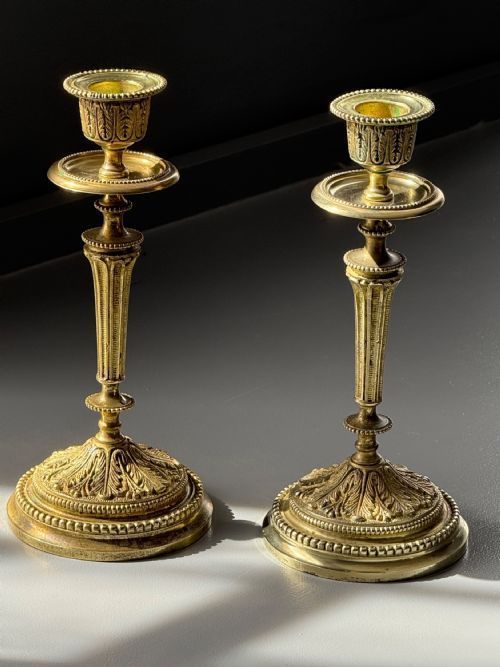
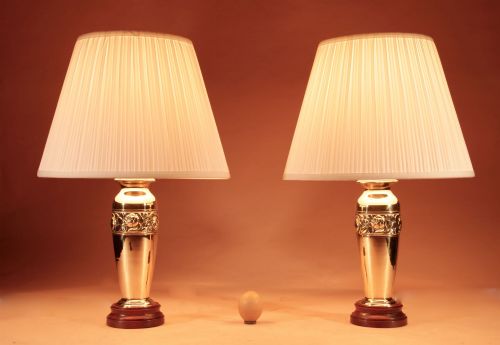
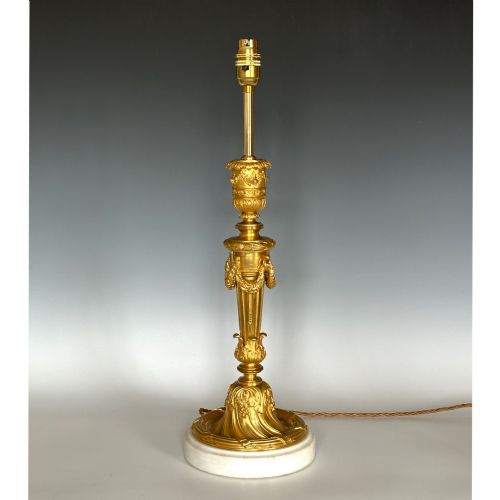
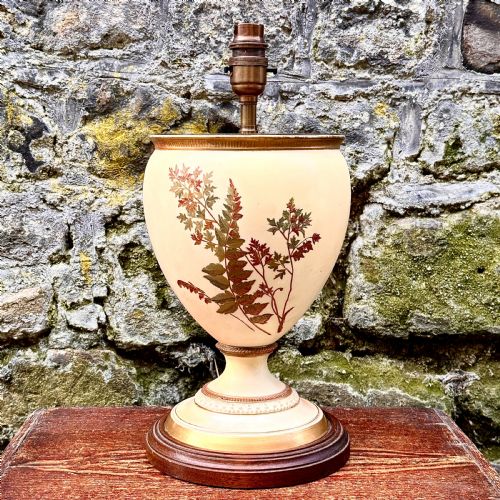
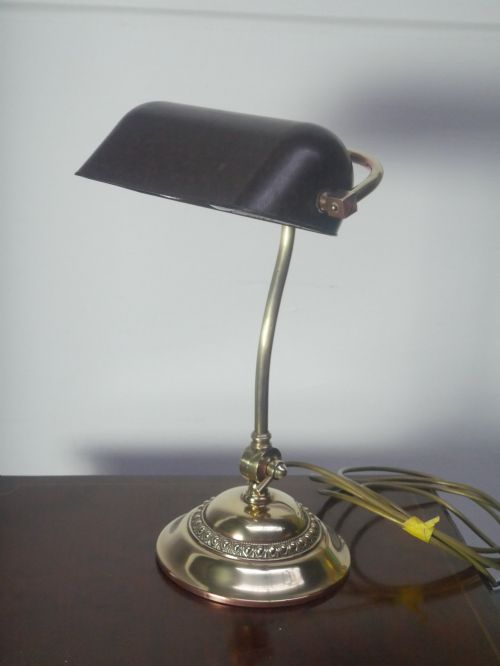
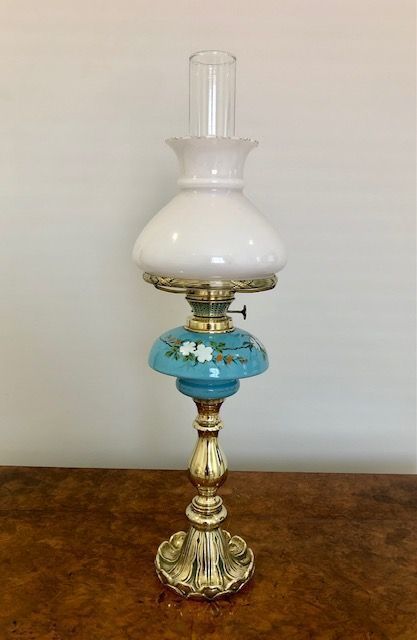
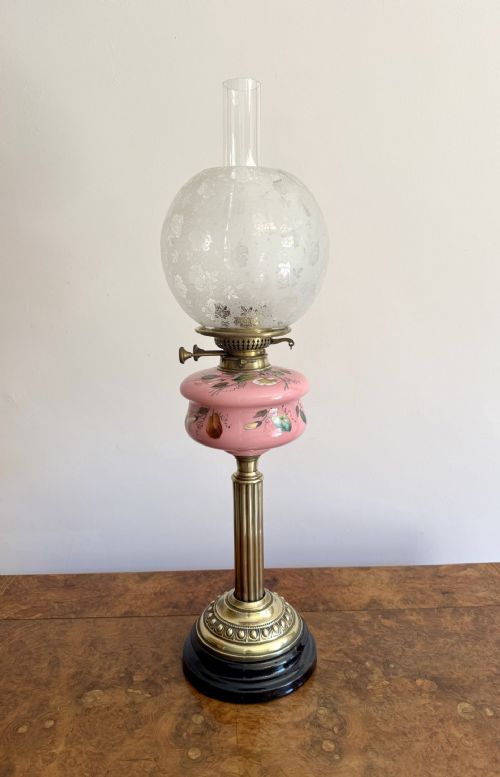
Construction relies heavily on brass, gilt bronze, and ormolu, often paired with glass, opaline glass, fabric, wood, and marble.
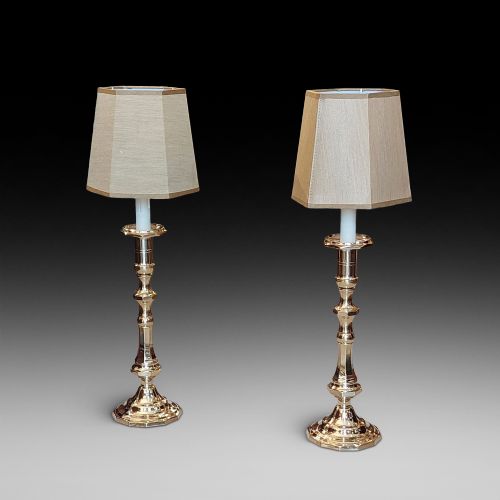
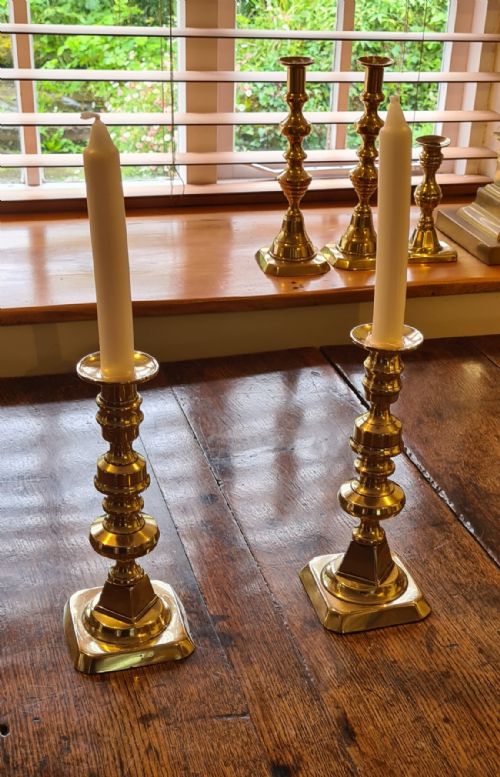
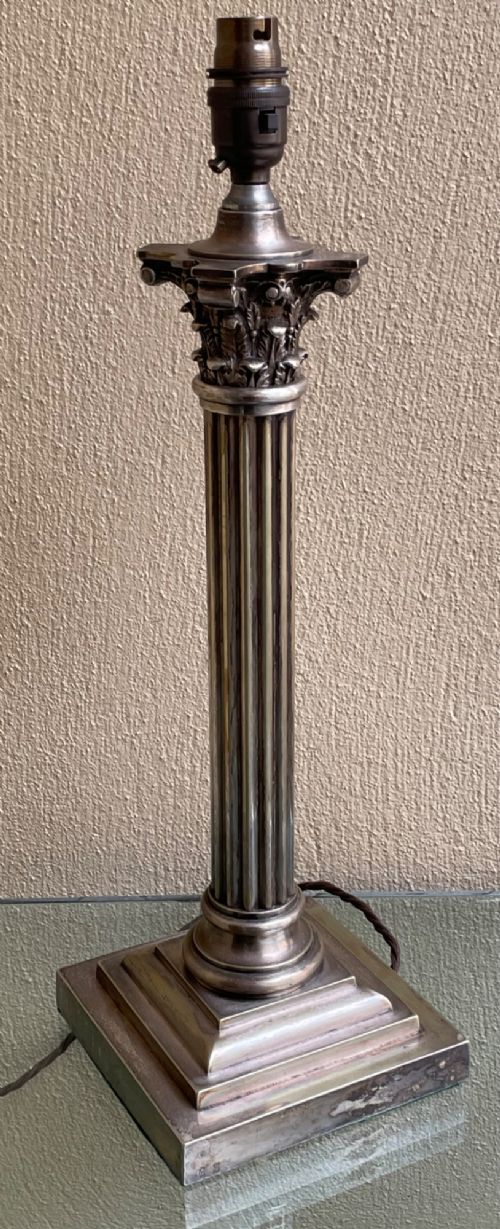
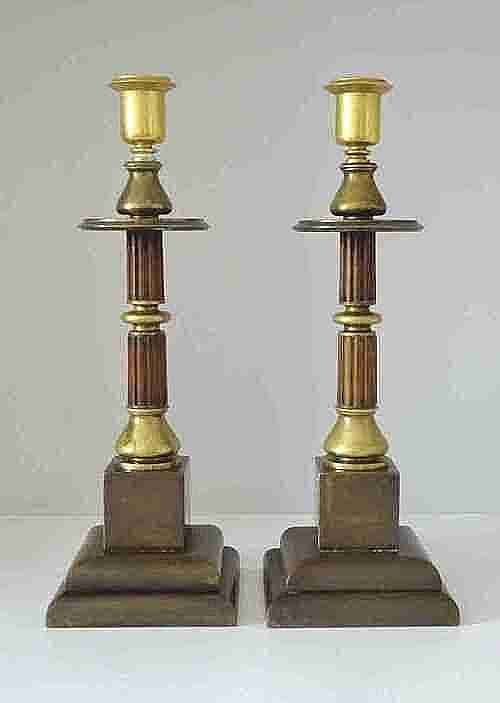
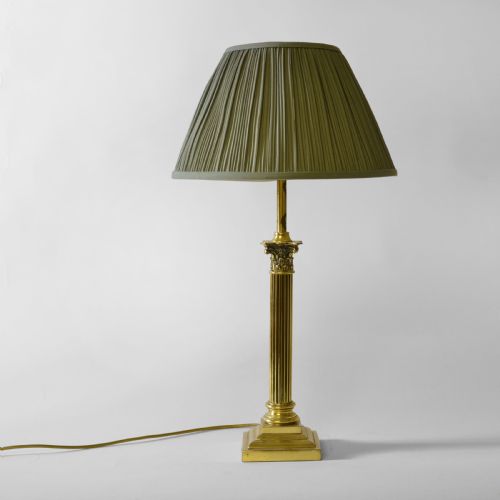
Workshops utilise casting, turning, and seaming techniques, exemplified by seamed brass ejector candlesticks and heavy corinthian columns.
Surface treatments include toleware painting and gilding, while components range from solid brass to combinations of bronze and brass.
Judging Quality
The distinction between standard production and superior execution lies in the crispness of casting detail and the weight of the metal used.
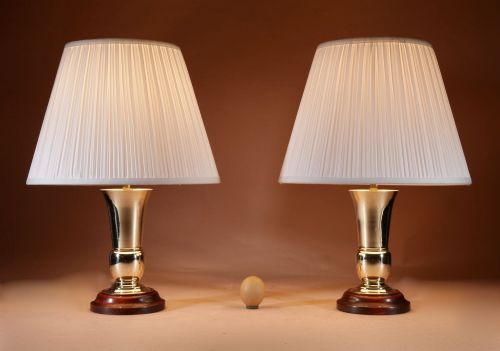
Subtleties in proportion, balance, and the integration of secondary materials like marble or opaline glass elevate certain pieces above others.
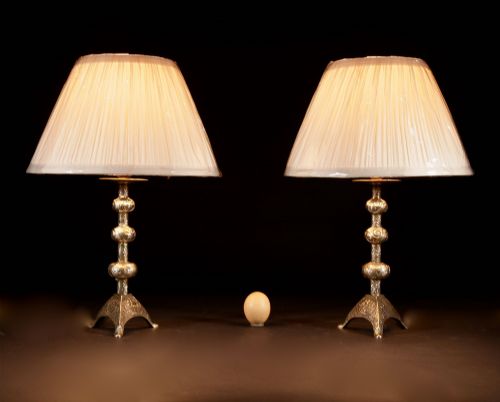
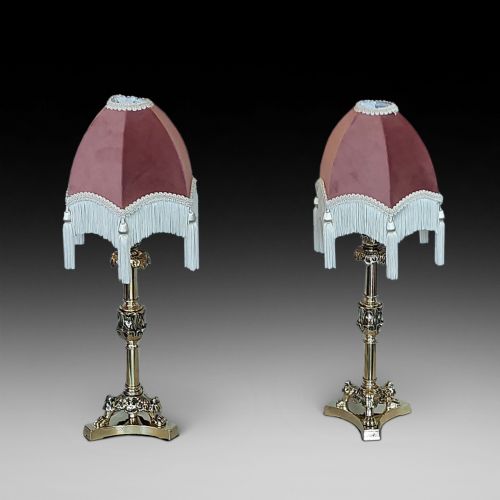
Object types range from single candlesticks and desk lamps to multi-branch candelabras and converted oil lamps.
Faraday & Sons·Royal Worcester
The Classic Brass Table Lighting Glossary
- Ormolu
- A gilt bronze finish applied to decorative metalwork. This technique gives pieces a rich golden appearance.
- Ejector
- A mechanism inside a candlestick designed to push out the remnants of a wax candle. It is a practical feature found on nineteenth-century designs.
- Paktong
- A copper-nickel-zinc alloy resembling silver, used for eighteenth-century candlesticks. It offers a distinctive pale lustre.
- Candelabra
- A branched candlestick holding multiple lights. These items range from two-branch pairs to multi-armed table fixtures.
Classic Brass Table Lighting: Frequently Asked Questions
What is a converted lamp?
A converted lamp is an antique candlestick or oil lamp that has been professionally adapted to take an electrical fitting. This process retains the original metalwork while adding modern functionality for the home.
Many Victorian and earlier pieces on the market have undergone this conversion to suit contemporary domestic lighting needs without losing their period character.
How do I identify a bouillotte lamp?
A bouillotte lamp is recognised by its distinctive central column rising from a shallow dish base, accompanied by a sliding toleware shade. The shade directs light downwards onto a desk or table.
Originating in France, these pieces often incorporate gilt bronze or brass and feature multiple candle arms converted for electricity.
Are these pieces solid brass?
While many items are cast from solid brass, others combine brass with bronze, gilt metal, or weighted bases for stability. Eighteenth-century examples may even utilise paktong rather than standard brass.
Checking the weight and examining the construction details reveals whether a piece is solid cast or assembled from plated components.
How do I date a brass lamp?
Dating relies on stylistic markers such as the proportions of a corinthian column, the presence of seamed construction, or distinct decorative motifs from periods like Art Deco or the Edwardian era.
Makers' stamps, wiring types, and secondary materials like opaline glass or marble also provide reliable clues to a piece's age of manufacture.