

Church Pew Seating
Church pew seating brings architectural character and ecclesiastical history into domestic interiors through robust wooden forms.
Church Pew Seating
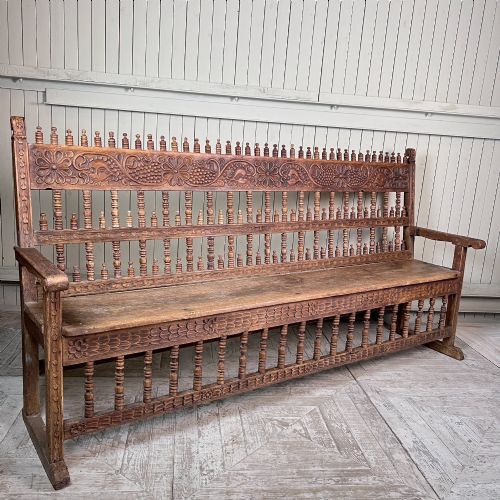
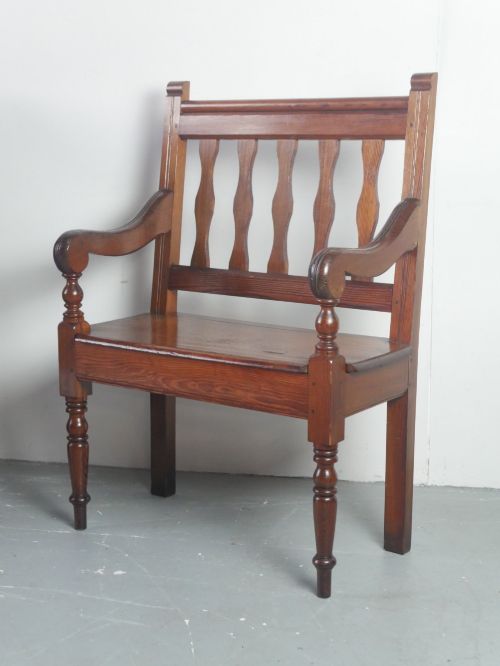
Church pew seating comprises long wooden benches and settles designed for ecclesiastical spaces, alongside related forms originating from chapels and public buildings. These pieces span periods from the eighteenth century through the Victorian era and into the early twentieth century, reflecting varied architectural influences.
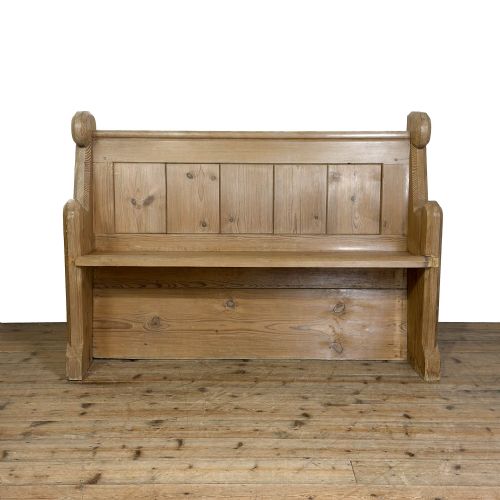
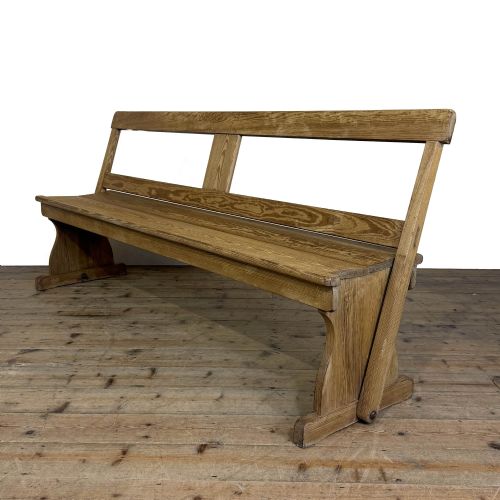
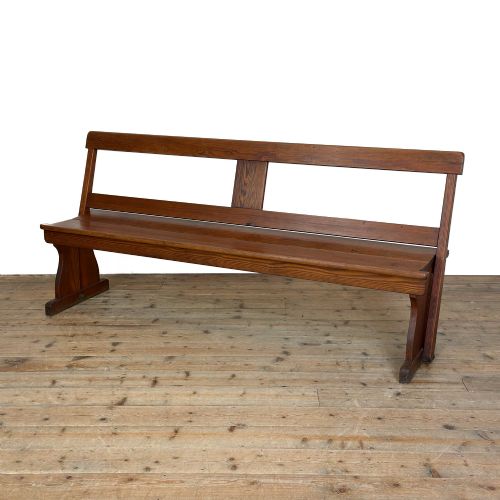
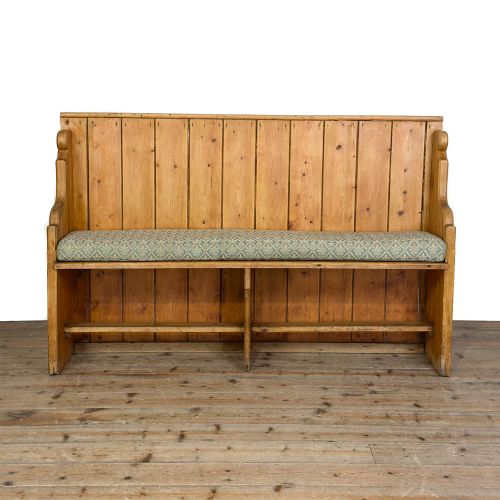
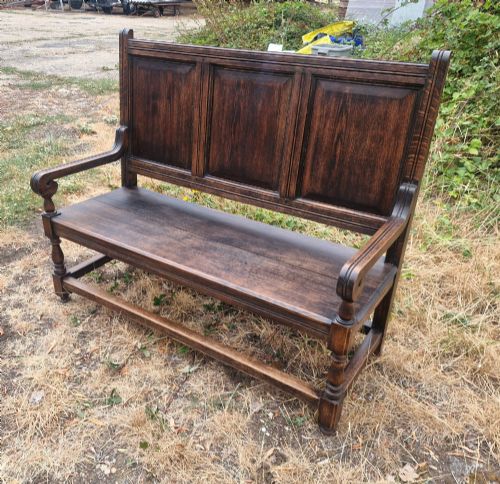
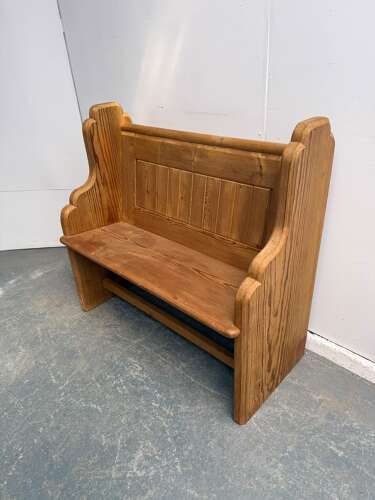
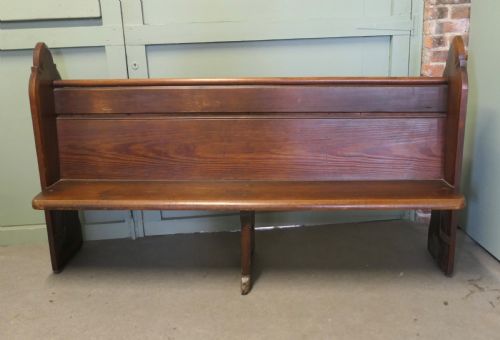
The most common examples on this page are nineteenth century pine and pitch pine church pews, often retaining waxed finishes or original paint. Alongside these, buyers find oak and hardwood benches showing Gothic Revival details and country house styles.
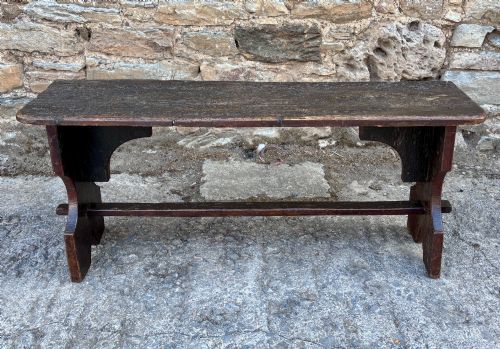
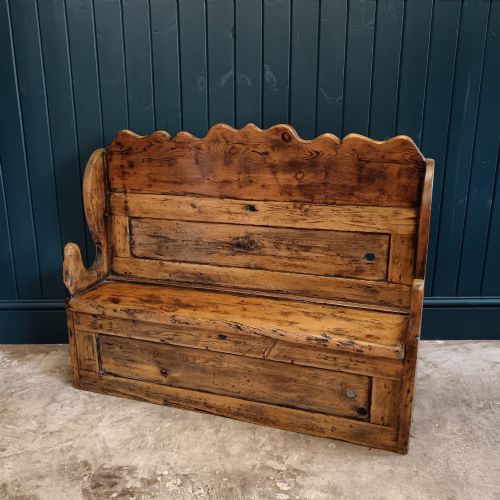
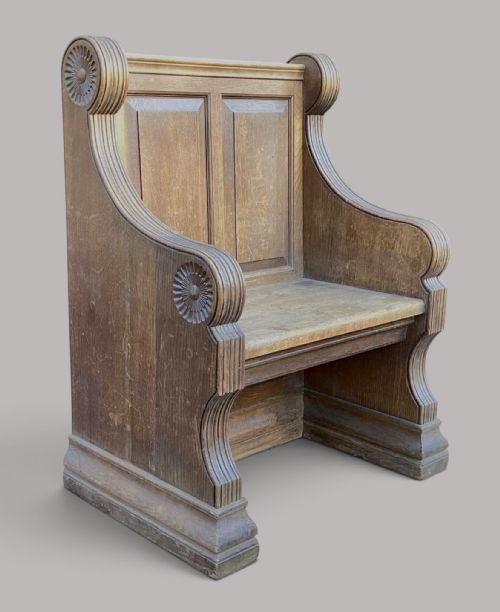
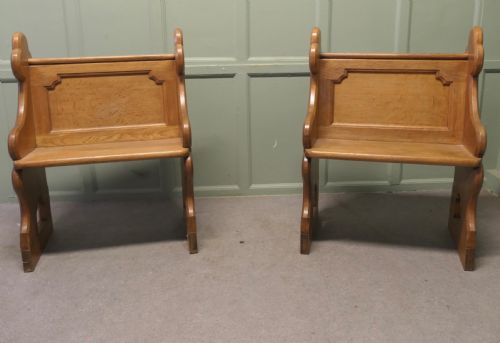
Forms range from single-seater chapel pews and organ benches to expansive nineteenth century oak seating and tall-backed settles. Many pieces serve functionally in hallways, kitchens and living spaces as robust seating solutions.
Materials and Construction
Construction relies heavily on solid native timbers such as pine, pitch pine and oak, selected for durability and structural strength. Carpenters utilised traditional joinery methods to build long benches capable of enduring heavy daily use in public houses and places of worship.
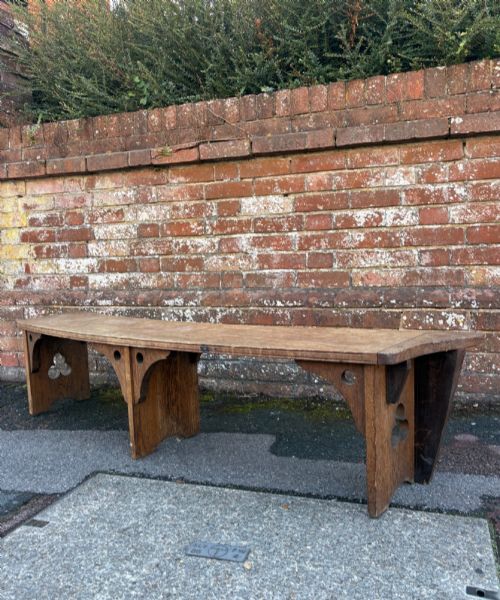
Surface treatments vary from waxed applications that highlight natural grain patterns to historic painted finishes in blue or other tones. Architectural details like trefoil carved supports and Gothic Revival tracery demonstrate the craftsmanship applied to ecclesiastical furniture.
Church Pew Seating Retail Price Guide 2026
Typical asking prices for church pew seating among the pieces listed under this phrase on Sellingantiques today, from the lower quarter to the upper quarter. They describe what is for sale here now, not the wider market.
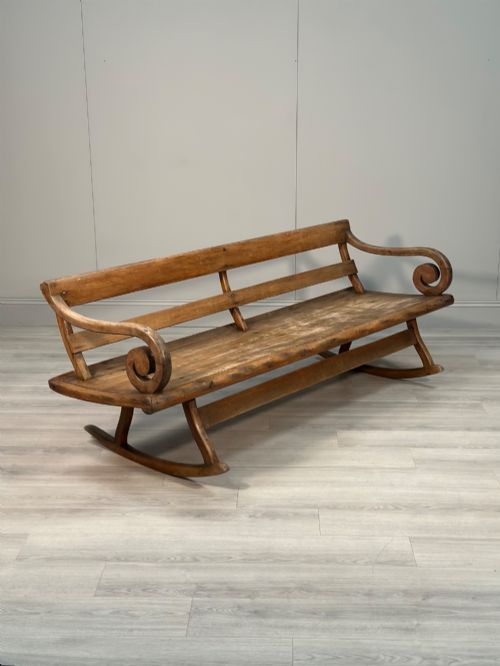
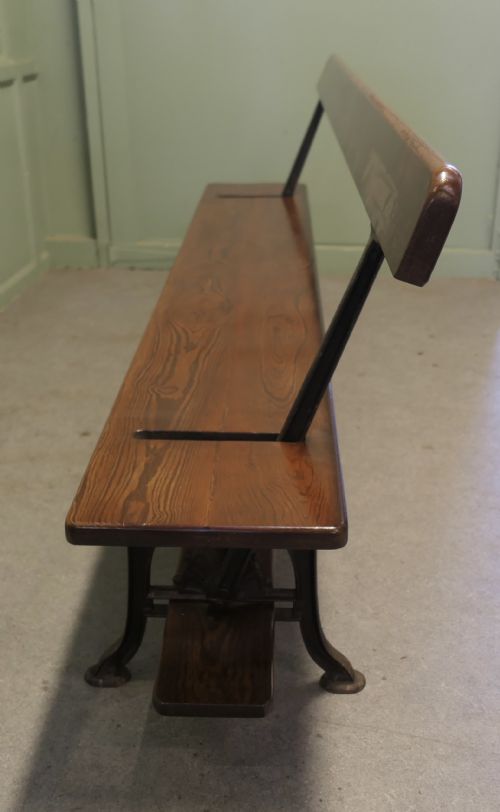
Some items served alternative duties like tramway transport and organ practice before finding sanctuary in domestic hallways.
Assessing Quality and Character
Quality rests in the integrity of the timber, the presence of original finishes like honey brown patina or old paint, and the subtlety of carved details. Pieces retaining original board seats and specific church provenance exhibit higher levels of historical interest.
Proportion and scale distinguish finer examples, particularly where architectural forms such as high backs or curved Gothic designs remain unaltered. The presence of maker marks or institutional stamps further elevates the standing of an individual bench.
The Church Pew Seating Glossary
- Settle
- A wooden bench with a high back, solid arms, and often a storage box beneath the seat. This form helps block drafts in traditional domestic settings.
- Pitch Pine
- A dense, resinous softwood widely utilised during the Victorian period for church pews and institutional furniture. It yields a distinct linear grain pattern.
- Gothic Revival
- An architectural and design movement from the nineteenth century mimicking medieval styles. It introduces pointed arches and trefoil carvings to seating.
- Patina
- The surface sheen and colour acquired by wood through age, handling, and regular waxing. This quality indicates genuine antiquity.
- Trefoil
- A graphic ornamentation featuring three overlapping lobes, frequently carved into wooden supports and bench ends. It references traditional Gothic architecture.
Church Pew Seating: Frequently Asked Questions
Where do church pews fit in a modern home?
These benches integrate well in hallways, along dining tables, or against living room walls where linear seating is required. Their narrow depths make them practical for tight spaces.
Larger examples provide substantial seating capacity, while shorter chapel pews function effectively as standalone accent pieces.
How do I care for antique pine pews?
Maintain waxed surfaces with occasional applications of beeswax to nourish the timber and preserve the historic finish. Avoid placing wooden seating near direct heat sources to prevent splitting.
Keep painted pieces dusted gently and protect surfaces from moisture using appropriate coasters or pads.
What is the difference between a pew and a settle?
Church pews are typically open-backed benches designed for rows in ecclesiastical buildings, featuring simple panel construction or Gothic supports. Settles traditionally incorporate high panelled backs and enclosed sides to shield occupants from draughts.
Both forms utilise robust timbers like oak and pine to ensure longevity.
How can I date an antique church bench?
Dating relies on timber selection, tool marks, construction methods, and stylistic cues such as Victorian Gothic detailing or Arts and Crafts influences. Oak examples often point towards earlier centuries or revival periods, while pitch pine suggests nineteenth-century institutional production.
Documented provenance, such as church marks, provides definitive historical placement.