




Chinoiserie Pottery Plate
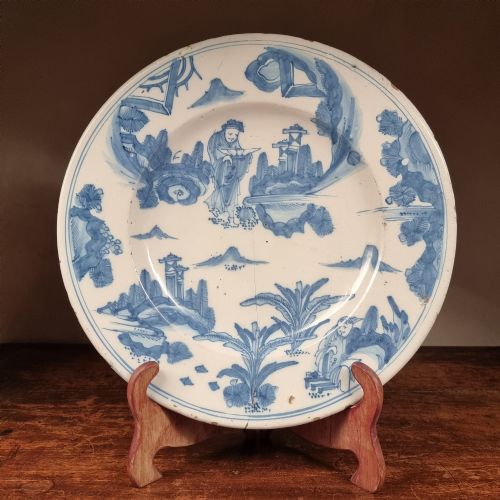
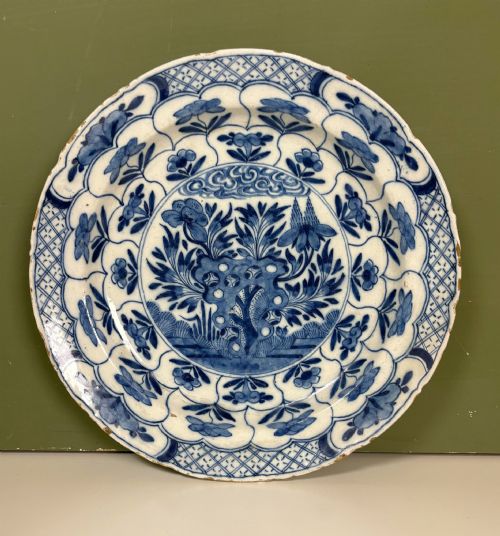
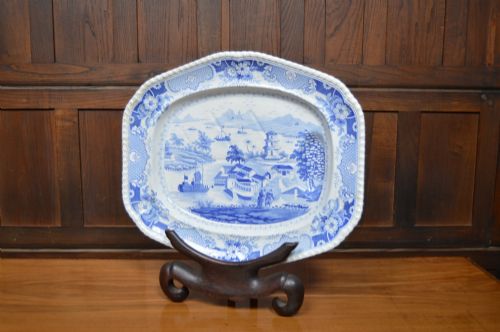
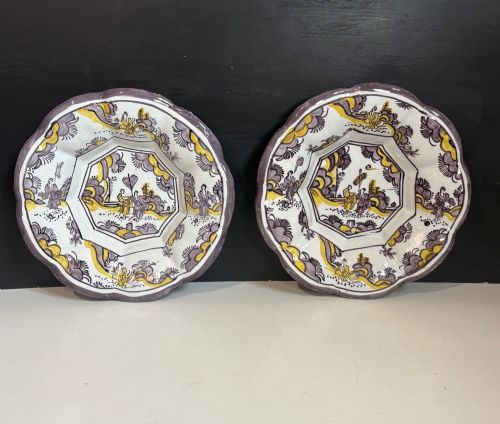
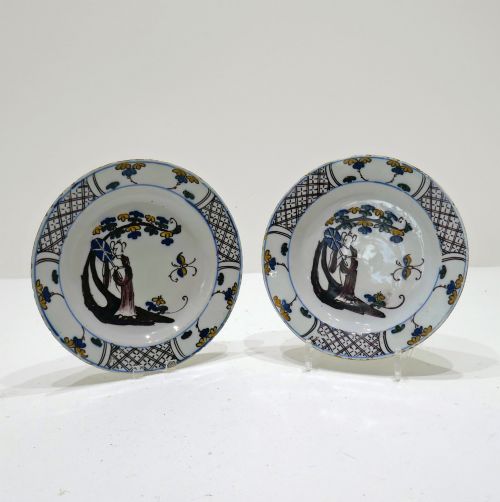
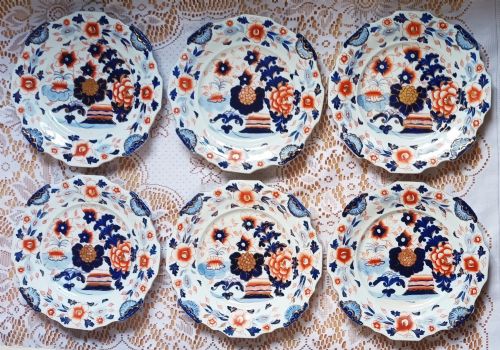
These chinoiserie pottery plate examples bring imaginative interpretations of Eastern motifs into domestic spaces through tin glaze, ironstone, and transferware.
Chinoiserie Pottery Plate
When searching for a chinoiserie pottery plate, collectors encounter various domestic forms, including chargers, serving platters, and standard plates produced across multiple centuries.
The selections span seventeenth-century tin-glazed chargers to nineteenth-century ironstone services, featuring styles from Dutch Baroque to Victorian interpretation.
Most entries originate from English potteries and Dutch workshops, adapting oriental-inspired figures, landscapes, and pagodas onto ceramic surfaces.
Materials and Techniques
Potters utilised earthenware, stoneware, and ironstone as bodies, applying tin glaze or clear glazes to form the smooth base for decoration.
Cobalt pigment and enamel colours were hand-painted or transfer-printed onto the ceramic surface before firing to create the characteristic blue and white or polychrome oriental scenes.
The listings span earthenware, stoneware, and ironstone, featuring eighteenth-century delftware alongside nineteenth-century transferware.
Judging Quality
Excellence rests in the crispness of the transfer print or the sureness of the hand-painted brushwork depicting the pagoda, garden, or figure scenes.
The stability of the glaze, the depth of the cobalt blue or enamel pigments, and the preservation of the ceramic body across centuries determine the standing of each piece.
John Ridgway·Mason·Minton·Wedgwood·Davenport·John Rogers and Son·Caughley·Spode
The Chinoiserie Pottery Plate Glossary
- Tin glaze
- An opaque white glaze containing tin oxide, providing a smooth canvas for painted decoration on earthenware. This technique defines much of early European delftware.
- Transferware
- A method of decorating ceramics by pressing an engraved copper plate design onto tissue paper and transferring it onto the pottery body. It allowed complex pictorial scenes to be replicated consistently.
- Ironstone
- A dense, durable type of earthenware patented in the nineteenth century to imitate porcelain. It resists chipping and formed the sturdy body for many large chargers and plates.
- Charger
- A large decorative or serving plate, often displayed on walls or sideboards rather than used at the table. These expansive surfaces provided ample space for elaborate pictorial layouts.
- Polychrome
- Decoration employing multiple colours rather than a single pigment like cobalt blue. These pieces often feature vibrant greens, reds, and yellows in their pictorial schemes.
Chinoiserie Pottery Plate: Frequently Asked Questions
How do I date an old plate?
Dating relies on examining the ceramic body, glaze characteristics, and potting techniques alongside any visible maker marks or backstamps.
Early pieces often display tin-glaze surfaces with minor edge chipping, whereas later nineteenth-century examples frequently utilise durable ironstone or transfer-printing methods.
Can I use these plates daily?
Most antique pieces function better as display items or decorative chargers rather than for daily dining use.
Historic glazes and soft earthenware bodies can suffer damage from modern cutlery and dishwashers over time.
What is delftware?
Delftware refers to tin-glazed earthenware produced in England, the Netherlands, and other regions, known for its absorbent white surface.
Painters applied cobalt blue designs directly onto the unfired glaze, resulting in a soft, absorbent finish reminiscent of imported porcelain.
How do I hang a charger safely?
Displaying large dishes on walls requires a properly sized wire spring hanger that supports the rim without placing undue pressure on the body.
Ensuring the wall fixing is secure prevents accidental slips, particularly with heavier ironstone or tin-glazed chargers.