




Chinoiserie Porcelain Lamps
Chinoiserie porcelain lamps bring together European mounting traditions and Asian ceramics to create striking decorative lighting for the home.
Chinoiserie porcelain lamps
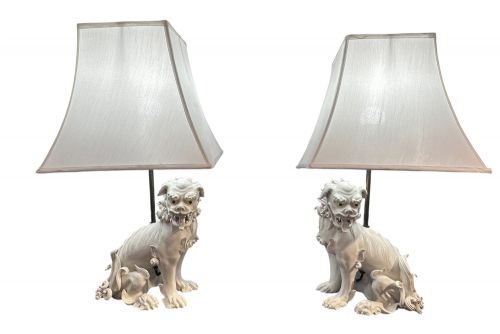
Chinoiserie porcelain lamps unite historic ceramic vessels with wired lighting fixtures designed for domestic display. Buyers seeking chinoiserie porcelain lamps will encounter paired table lamps fashioned from converted vases and jars.
The selections available span both the eighteenth and nineteenth centuries, offering examples of European and Asian aesthetic exchange. These objects transform antique vessels into functional lighting without losing their decorative presence.
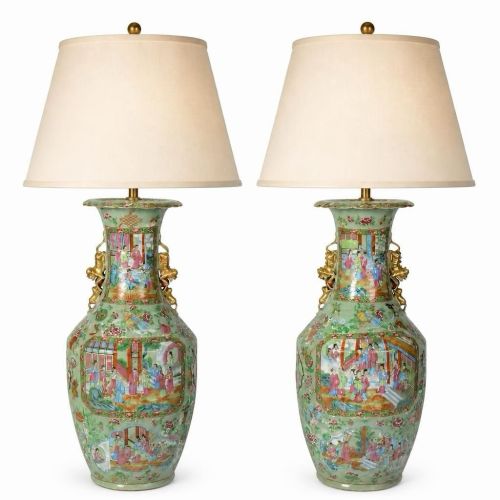
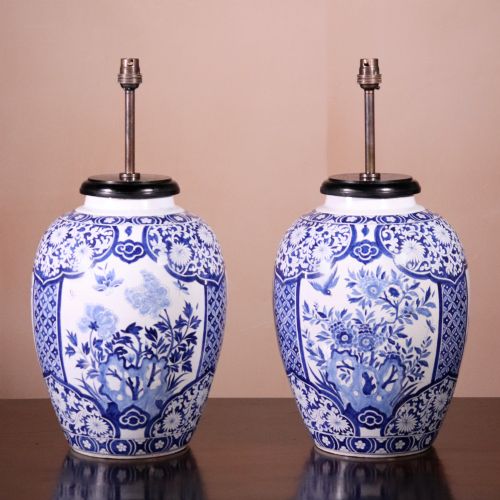
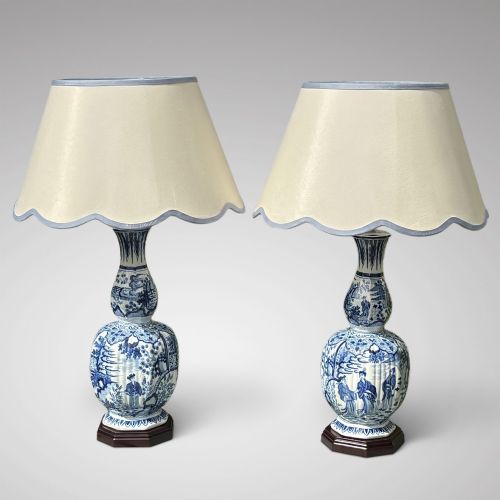
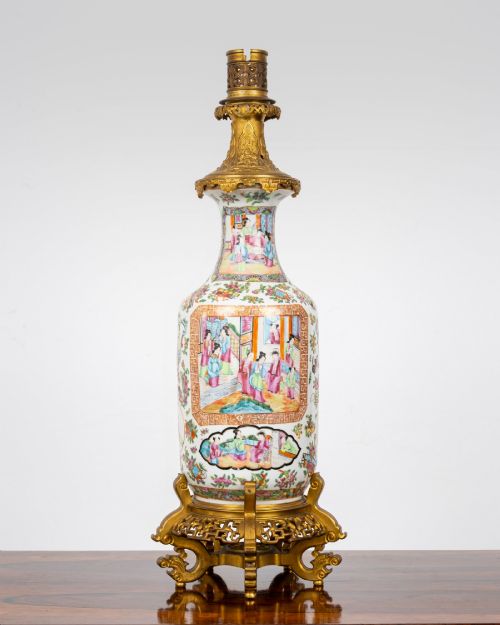
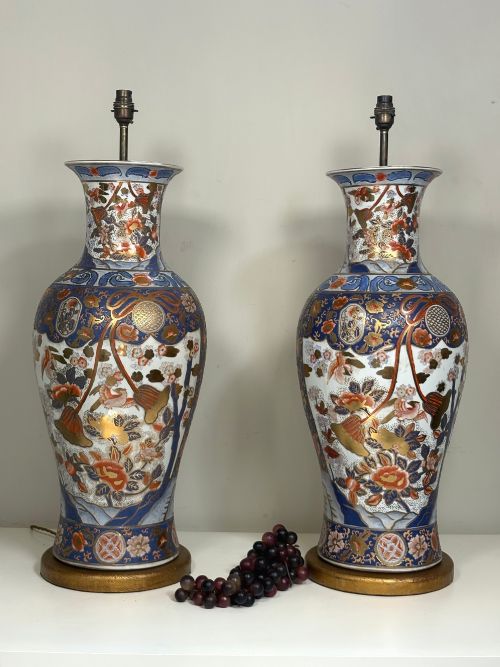
Forms on this page include Dutch Delftware pieces alongside Chinese Rose medallion vases and Mandarin vases. Each piece reflects the enduring European fascination with Eastern ceramic design.
Construction and Materials
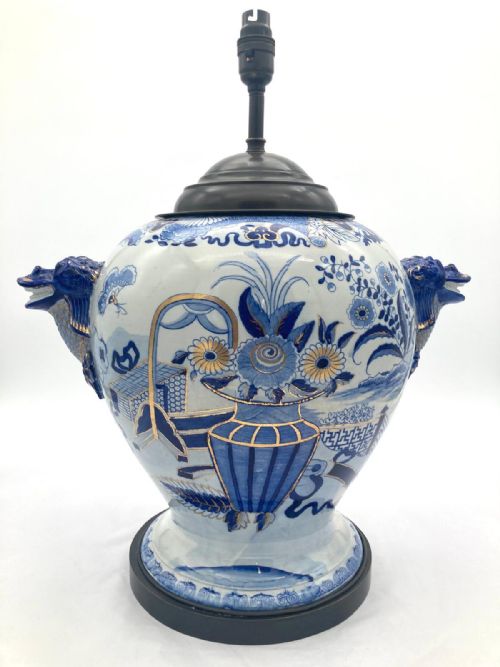
The foundation of these pieces relies on porcelain or earthenware bodies, often shaped into vases and jars during the eighteenth and nineteenth centuries. Artisans decorated these ceramic surfaces with cobalt blue pigments or polychrome enamel palettes.
Metal mounts in ormolu, gilt bronze, or brass secure the ceramic bodies and provide structural integrity for the lamp fittings. Wooden elements and fabric components complete the construction, blending historic vessels with modern illumination.
Listings feature eighteenth and nineteenth-century periods, utilising porcelain, earthenware, ormolu, gilt bronze, brass, wood, and fabric materials.
Assessing Quality
The refinement of the ceramic body and the precision of the hand-painted decoration establish the baseline of quality. Earlier pieces demonstrate superior potting techniques and more nuanced brushwork on the porcelain surface.
The integration of metal mounts reveals the level of craftsmanship involved in conversion. Finer examples utilise heavy ormolu or gilt bronze mounts that complement the contours of the vase rather than simply securing it.
The Chinoiserie Porcelain Lamps Glossary
- Chinoiserie
- European decorative style reflecting Chinese artistic influences, prevalent in ceramics, furniture, and architecture from the seventeenth century onwards.
- Ormolu
- Finely ground high-carat gold-mercury amalgam applied to a bronze object, creating a rich golden surface finish on decorative mounts.
- Delftware
- Tin-glazed earthenware produced in the Netherlands, particularly associated with blue and white designs imitating Chinese porcelain.
- Rose Medallion
- A distinct style of nineteenth-century Chinese export porcelain featuring segmented panels filled with figures, birds, and flowers in vibrant pink and green enamels.
- Mandarin Vases
- Large export porcelain vessels decorated with detailed court scenes and figures in traditional costume.
Frequently Asked Questions
Are these lamps converted from old vases?
Most of these pieces started life as decorative vases or jars before being adapted into functional table lamps at a later date. This conversion process allows historic ceramics to find a practical place in contemporary interiors.
Makers incorporated metal mounts and electrical wiring while preserving the original decorative body of the vessel.
How do I date an antique lamp?
Dating relies primarily on the ceramic body, glaze characteristics, and painting style rather than the electrical components. Eighteenth-century pieces exhibit different potting weights and pigment tones compared to nineteenth-century examples.
Examining the metal mounts also provides clues, as ormolu and gilt bronze techniques evolved significantly between the periods.
Where should I place these lamps?
These table lamps work effectively on sideboards, consoles, or large desks where their height and decorative detail can be fully appreciated. Their paired nature makes them suitable for symmetrical placement on either side of a fireplace or mirror.
Ensure the surrounding decor complements the rich colours and metallic finishes of the bases.
What is the difference between Delft and Chinese porcelain?
Dutch Delftware is a tin-glazed earthenware made in Europe to imitate the appearance of imported Chinese blue and white porcelain. Chinese porcelain possesses a denser, vitrified body that rings when struck and generally displays finer detail in the painting.
Both materials appear within these lighting conversions due to the shared historical demand for Asian-inspired aesthetics.