


Chinese Porcelain Vase Lamps
Chinese porcelain vase lamps bring centuries of ceramic artistry and ambient light into a room, combining antique vessels with electrical fittings.
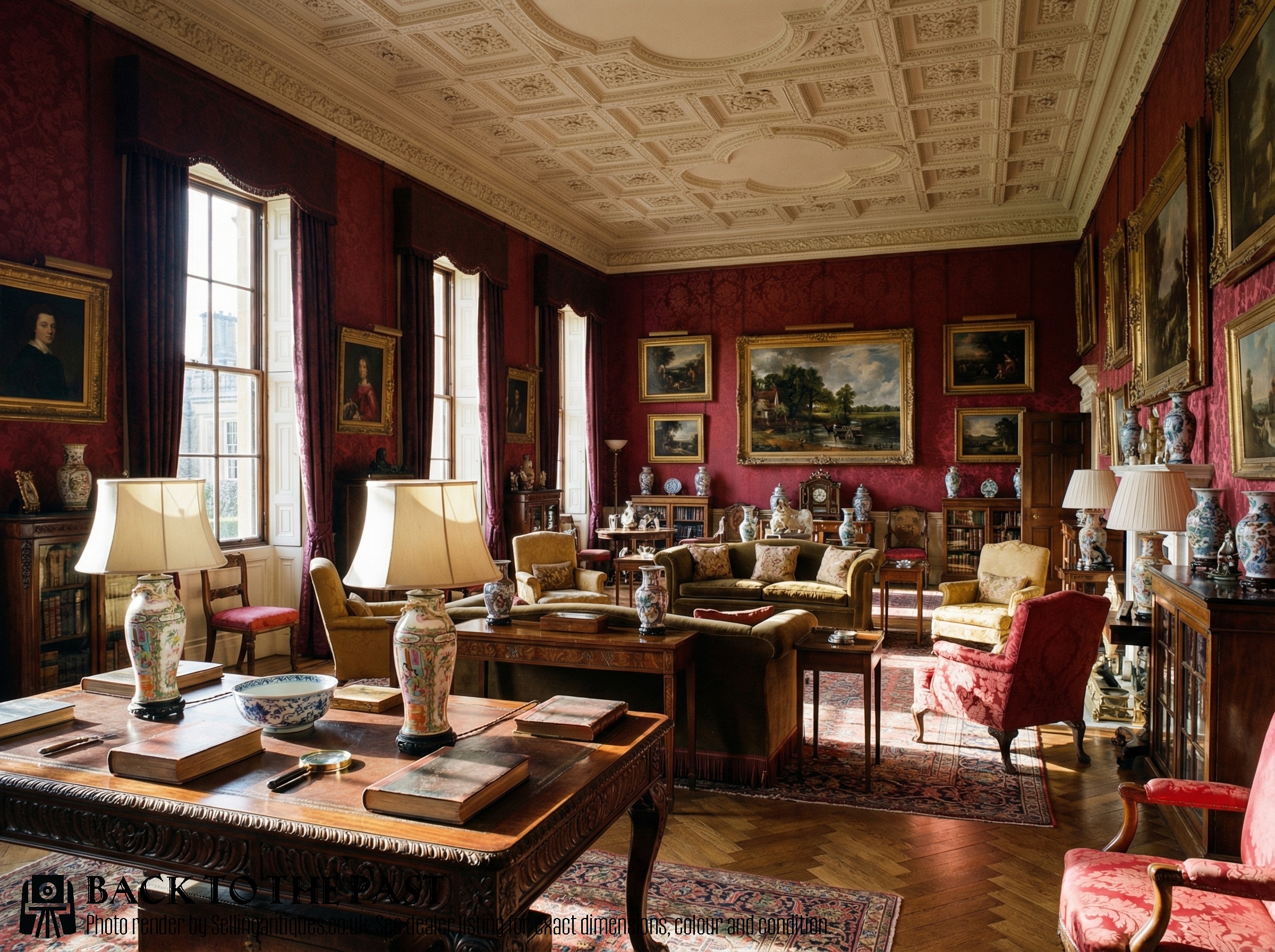
Chinese Porcelain Vase Lamps
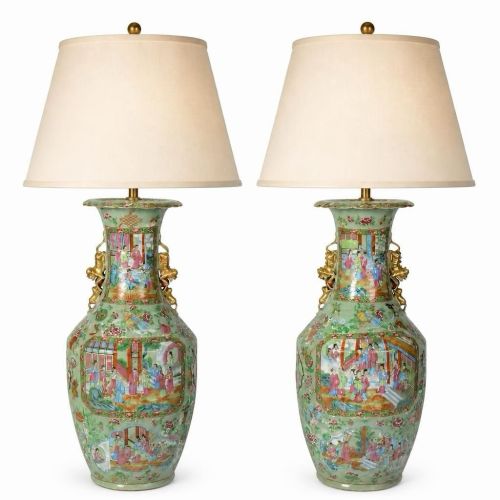
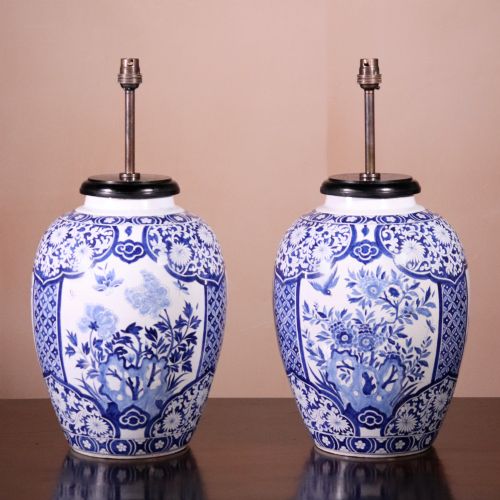
Chinese porcelain vase lamps transform antique jars, baluster vessels and ginger jars into functional table lighting for interiors. The pieces encountered most frequently on this page date from the nineteenth century, drawing upon traditional glazing and decorative techniques.
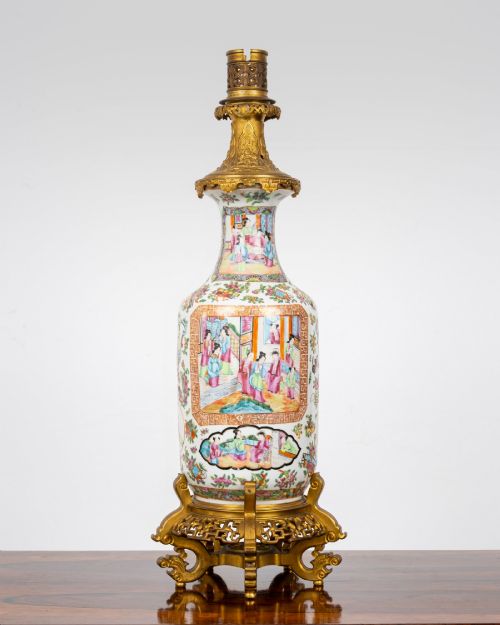
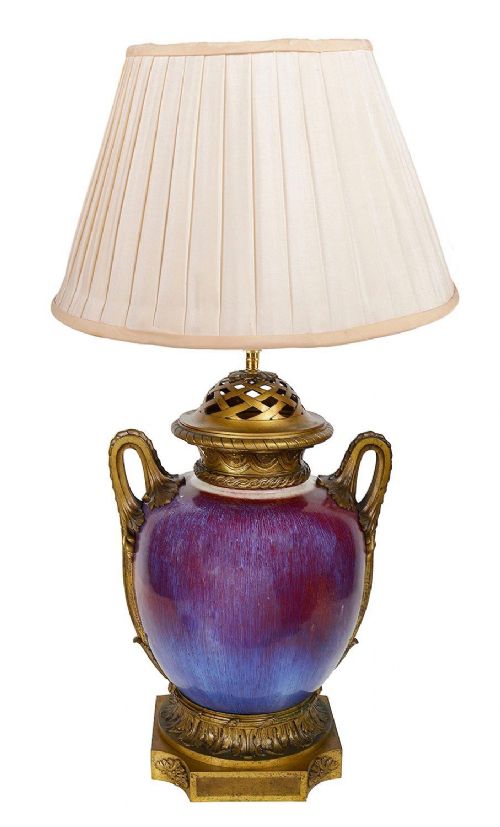
Vessels are often paired symmetrically, making them suitable for console tables or sideboards. Many examples incorporate metal mounts in ormolu or gilt bronze, which adapt the ceramic bodies for European domestic settings.
Materials and Construction
The foundation of each piece is fired porcelain, decorated with enamel palettes such as famille rose, famille verte, or cobalt blue underglaze. Artisans shaped these ceramics by hand on the potter's wheel before applying intricate painted details and glazes.
Metal components such as brass, ormolu and gilt bronze are frequently integrated around the rim, base or handles to secure electrical wiring and provide structural stability. Additional elements like silk, fabric and wood are utilised for lampshades and plinths.
Chinese Porcelain Vase Lamps Retail Price Guide 2026
Typical asking prices for chinese porcelain vase lamps among the pieces listed under this phrase on Sellingantiques today, from the lower quarter to the upper quarter. They describe what is for sale here now, not the wider market.
Listings feature porcelain, brass, ormolu, gilt bronze, silk and wood across eighteenth and nineteenth century periods.
Assessing Quality
The sophistication of the painted enamel work and the clarity of the porcelain body define the upper tier of pieces. Hand-painted motifs display fine brushwork and depth of colour, whereas lesser examples show rigid or mechanical application.
The integration of metal mounts also dictates standard; heavy cast ormolu and gilt bronze fittings executed with precision indicate superior craftsmanship compared to simpler brass or wooden bases.
The Chinese Porcelain Vase Lamps Glossary
- Famille Rose
- A palette of opaque enamels dominated by pink or rose colours introduced during the Qing dynasty. This technique allowed for nuanced shading and detailed floral or figural compositions.
- Ormolu
- Gilt bronze mounted onto furniture and ceramics, providing a decorative metallic accent. The technique involves applying a gold-mercury amalgam to cast bronze.
- Baluster
- A vase shape with a rounded body that tapers toward the neck and stands upon a wider base. This silhouette is frequently adapted for table lighting due to its stable proportions.
Chinese Porcelain Vase Lamps: Frequently Asked Questions
How are vase lamps wired?
Most antique vase lamps are converted by running a cord through a drilled hole in the base or through the top fitting. Modern electrical components are added to suit domestic standards.
Rewiring ensures safety while preserving the structural integrity of the original ceramic body.
What styles do these lamps feature?
The inventory displays styles including Qing dynasty aesthetics, blue and white export ware, and nineteenth century Chinoiserie. European mountings in the French taste are also common.
These designs reflect both traditional Chinese ceramic production and Western decorative preferences of the period.
Are lamps sold as pairs?
Many listings comprise matched pairs of vases, which were adapted into lighting together. Single lamps also appear frequently in the selection.
Pairs are particularly sought after for symmetrical placement on mantelpieces or large side tables.
How do I care for antique porcelain lamps?
Dust the porcelain and metal mounts gently with a dry, soft cloth. Avoid harsh chemical cleaners that might damage enamel painted surfaces or patinated bronze.
Check the wiring periodically and handle the ceramic body with care during repositioning.