


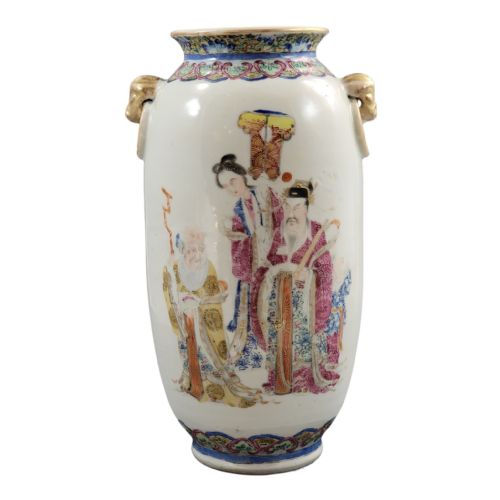


Chinese Porcelain Figures
Chinese porcelain figures bring the craftsmanship of past dynasties directly into your home, offering tangible connections to centuries of ceramic artistry.
Chinese Porcelain Figures
When you search for chinese porcelain figures, you encounter a diverse array of sculptural ceramics that capture human, animal, and mythological subjects across multiple eras. These objects range from small handheld snuff bottles and figurines to large imperial figures and decorative pairs.
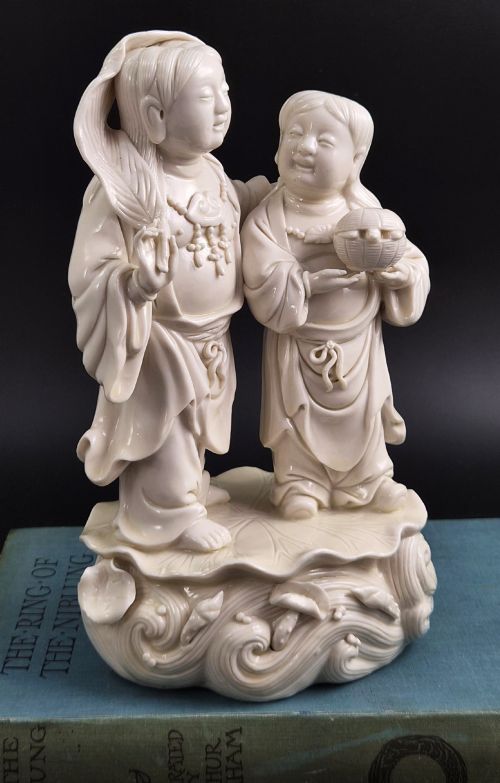
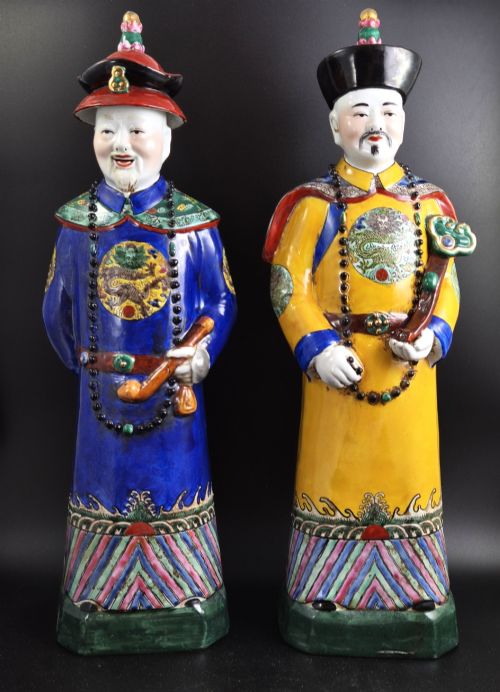
The pieces on this page span several centuries, with a strong representation of nineteenth-century Qing Dynasty examples alongside eighteenth-century items and twentieth-century Republic period works. You will frequently find figures depicting immortals, laughing buddhas, emperors, and animals such as cockerels and foo dogs.
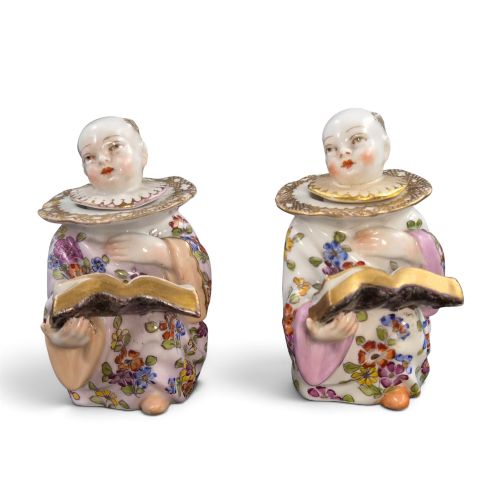
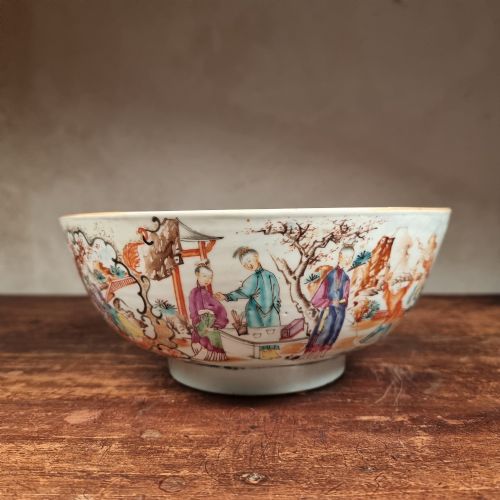
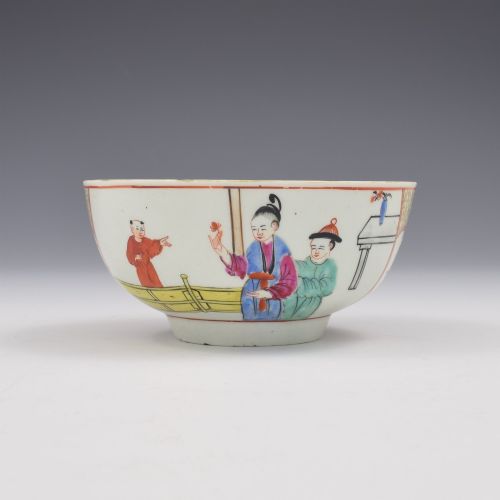
European makers also adapted these themes, resulting in eighteenth-century English porcelain and nineteenth-century French pieces that incorporate mandarin figures and Chinese designs. These European interpretations sit alongside traditional Asian ceramics, reflecting a long history of cultural exchange and stylistic emulation.
Materials and Technique
Potters utilised fine ceramic materials, including hard-paste and soft-paste porcelain, shaped by hand or moulded before firing at high temperatures. Workshops then applied glazes such as sancai, turquoise, and pale green monochrome finishes to the ceramic body.
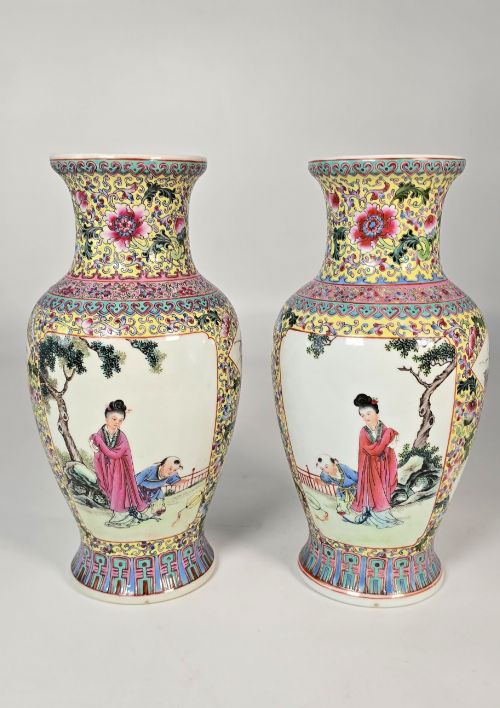
Many items feature hand-applied overglaze enamels, including famille rose palettes, alongside underglaze blue painting and occasional gold leaf accents. These decorative layers required precise secondary firings to fuse the colours onto the glazed surface.
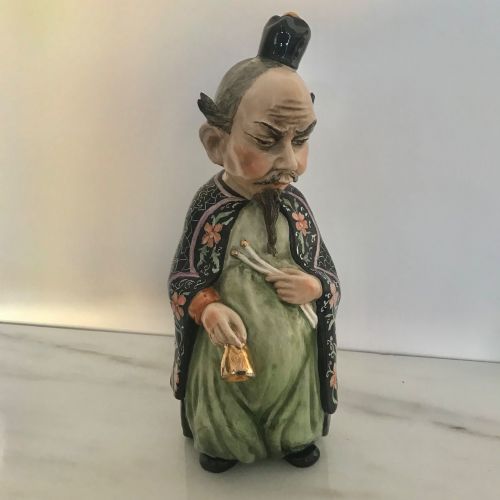
Nodding head figures delighted Victorian drawing rooms by bobbing and tilting with the slightest breeze or movement of the table.
Evaluating Quality
Quality rests upon the crispness of the moulding and the skill of the hand-painted details, where fine brushwork defines facial expressions and robes with precision. Finer pieces display careful control over enamel placement and glaze fluidity without pooling or running.
The presence of accurate reign marks, potting weight, and the subtlety of the ceramic body further separate standard decorative items from superior examples. Master workshops achieved a balance between sculptural presence and delicate surface decoration.
Edmé Samson·Zhu Mao Ji·Gao Hengsheng·Fujian Huiguan
The Chinese Porcelain Figures Glossary
- Famille rose
- A palette of opaque overglaze enamels dominated by pink or rose colours, introduced during the Qing Dynasty. This technique allowed for nuanced shading and detailed pictorial scenes on porcelain figures.
- Foo dog
- A traditional guardian lion sculpture placed to protect buildings and households. In ceramic form, these creatures often appear with a single paw resting on a brocade ball.
- Qing Dynasty
- The final imperial dynasty of China, lasting from sixteen forty-four to nineteen twelve. Pieces from this era frequently exhibit high technical mastery in enamelling and monochrome glazing.
- Mandarin pattern
- A decorative scheme featuring court figures in architectural or garden settings, popular on both eighteenth-century Chinese export porcelain and contemporary European imitations.
- Blanc de Chine
- A white porcelain produced at Dehua in Fujian province, known for its milky glaze and smooth integration with the underlying ceramic body. This ware was widely used for figures of deities like Guanyin.
Chinese Porcelain Figures: Frequently Asked Questions
How do I identify a Qing Dynasty figure?
Look for specific glaze types like turquoise or pale green, alongside the characteristic famille rose enamel palette used during the nineteenth century. Examining the base for period marks or specific studio inscriptions can also provide clues to the era of production.
Context matters as much as marks, because many later pieces adopted traditional styles without deceptive intent. Comparing the potting weight and facial painting with dated examples helps confirm the period.
What are the common subjects for these figures?
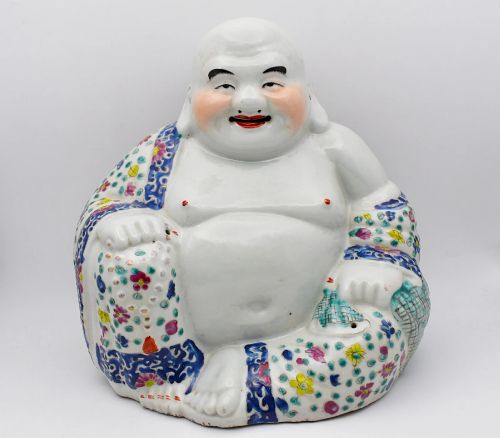
Sculptures frequently depict Daoist immortals, laughing buddhas such as Budai, and scholars, reflecting traditional values of longevity and prosperity. Animals including cockerels, goats, ducks, and foo dogs also appear regularly.
Human figures often tell specific stories from folklore or represent high-ranking officials. Animal figures served both decorative purposes and symbolic roles as guardians.
How should I display porcelain figures at home?
Place figures on stable surfaces away from high-traffic areas to prevent accidental knocks, using museum wax if necessary for added security. Ensure they sit out of direct sunlight to protect overglaze enamels from fading over time.
Pairing matching figures, such as cockerels or foo dogs, on sideboards or mantels creates visual symmetry. Smaller items like snuff bottles benefit from dedicated enclosed shelving where their detail can be appreciated up close.
Are European adaptations considered authentic antiques?
Eighteenth-century English factories like Bow and Worcester created distinct interpretations of Chinese designs, as did nineteenth-century French makers such as Edmé Samson. These items hold distinct historical value as European responses to Asian aesthetics rather than reproductions meant to deceive.
Collectors prize these European pieces for their own manufacturing history and distinct soft-paste or hard-paste bodies. They form a separate collecting category from pieces made in Jingdezhen or Dehua.