

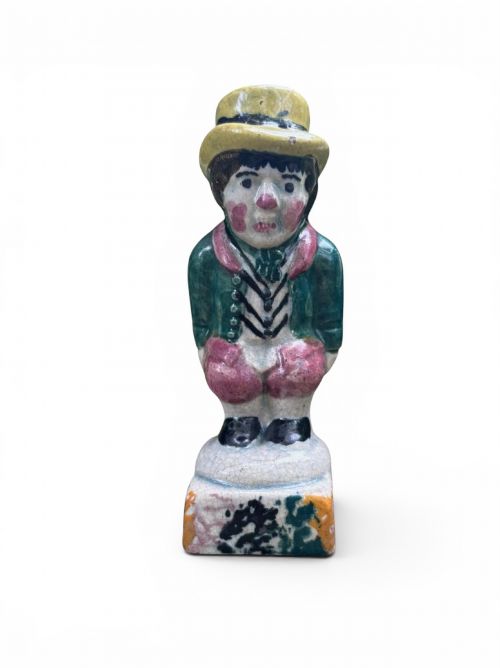


Multicolour Ceramic Figures
These multicolour ceramic figures bring character and colour to any room, offering traditional craftsmanship from the Georgian era through to the mid-twentieth century.
Multicolour Ceramic Figures
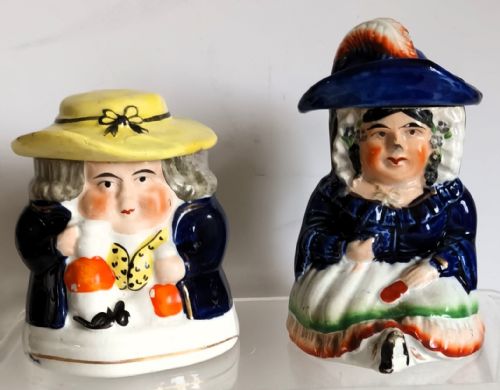
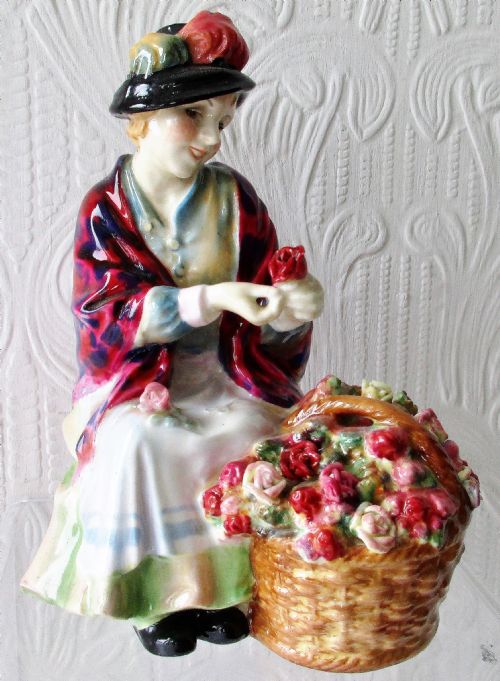
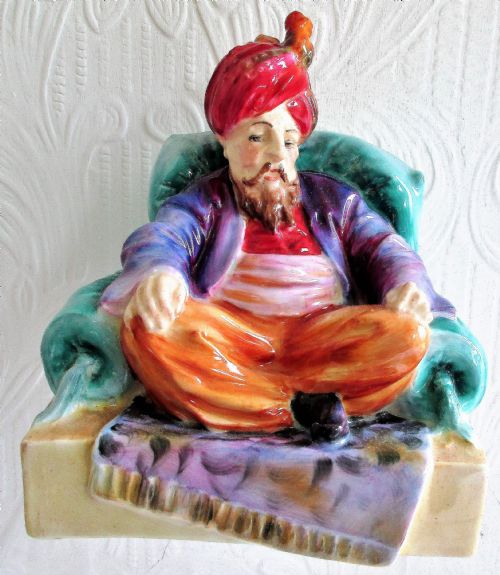
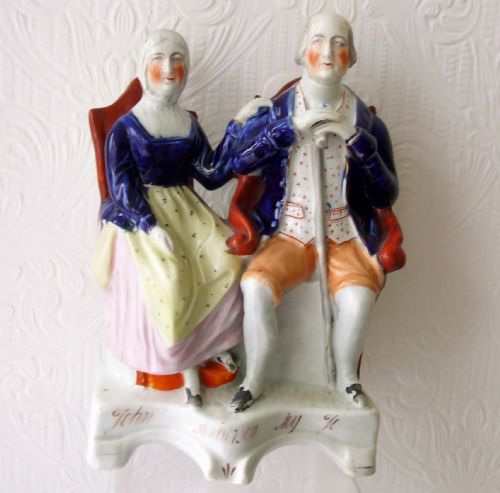
When you search for multicolour ceramic figures, you encounter a varied selection of decorative items ranging from nineteenth-century Staffordshire pottery portraits and tobacco jars to porcelain figurines by makers such as Royal Doulton and Derby.
The objects on this page include decorative figurines, watch holders, pepper pots, and figural candlesticks spanning periods from the eighteenth century to nineteen-fifty.
Victorian Staffordshire pieces and porcelain groups form the core of what you are most likely to meet on this page, alongside French faience and Japanese Satsuma work.
How they were made
Potters shaped these pieces using earthenware, porcelain, and pearlware, applying lead glaze, enamel, and occasional gold leaf for surface decoration.
Techniques range from hand-painted enamel details on porcelain bodies to slip-decorated earthenware and moulded salt-glazed or lead-glazed Staffordshire figures.
Multicolour Ceramic Figures Retail Price Guide 2026
Typical asking prices for multicolour ceramic figures among the pieces listed under this phrase on Sellingantiques today, from the lower quarter to the upper quarter. They describe what is for sale here now, not the wider market.
Several figures depict literary characters, historical sailors, and singing groups, preserving Victorian theatrical tastes in cheerful earthenware.
What varies in quality
Quality rests in the crispness of the moulding and the skill of the hand-painting, particularly where fine facial expressions and detailed costumes are concerned.
Pieces that retain strong, vibrant enamel colours and undamaged gilt highlights sit higher in the range than those with heavy wear or poorly matched restoration.
Royal Doulton·Derby Porcelain·Samson of Paris·Minton·Royal Worcester·HR Quimper
The Multicolour Ceramic Figures Glossary
- Pearlware
- A fine earthenware developed in the late eighteenth century featuring a subtle blue-tinted glaze that pooled attractively in crevices. It provides a smooth white ground for underglaze painting.
- Staffordshire
- Pottery manufactured in the English region known as the Potteries, famous for cheerful portrait figures and animals. These are typically earthenware with painted or transfer-printed decoration.
- Enamel
- Opaque vitreous material fused to the ceramic surface at high temperatures to provide bright colours. It sits slightly raised above the surrounding glaze.
- Faience
- Tin-glazed earthenware produced in France and other European countries, known for its opaque white background and painted multicolour motifs. It offers a smooth canvas for decorative designs.
- Famille Rose
- A palette of Chinese porcelain decoration featuring opaque pink enamel introduced during the Qing dynasty. The style was widely exported to Europe.
Multicolour Ceramic Figures: Frequently Asked Questions
How do I clean antique ceramic figures?
Use a soft, dry brush to remove dust from delicate surfaces and crevices.
Avoid using water or chemical cleaners, particularly on pieces with enamel or gold leaf decoration.
Are these figures marked on the base?
Some pieces carry factory stamps, painted initials, or impressed numbers beneath the glaze.
Many nineteenth-century Staffordshire figures remain unmarked, requiring attribution based on style and modelling.
What is the difference between earthenware and porcelain?
Earthenware is a porous, opaque pottery body fired at lower temperatures and finished with an opaque glaze.
Porcelain is a denser, vitrified material that can be translucent and rings slightly when struck.
How were tobacco jars used in the past?
Tobacco jars sat on mantelpieces and desks to keep loose leaf tobacco moist and fresh.
They often featured fitted lids and humorous or illustrative figural designs to suit domestic interiors.