





Republic Period Figures
Republic period figures bring distinctive ceramic artistry and character to a room, offering collectors a fascinating window into early twentieth-century Chinese and European craftsmanship.
Republic Period Figures
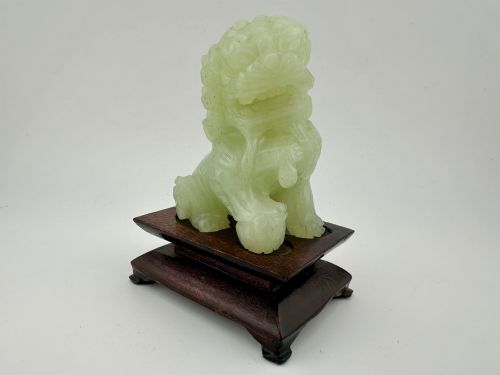
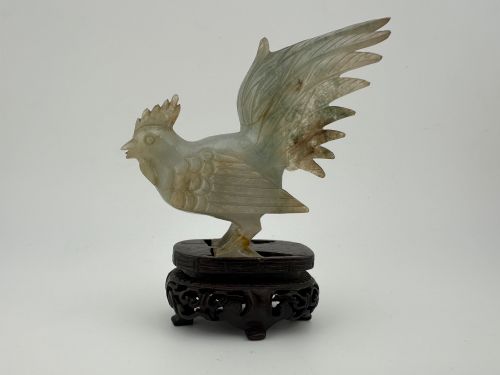
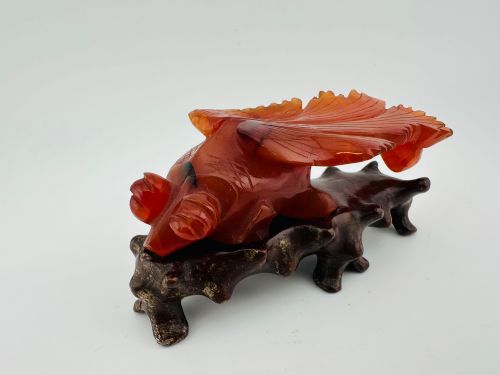
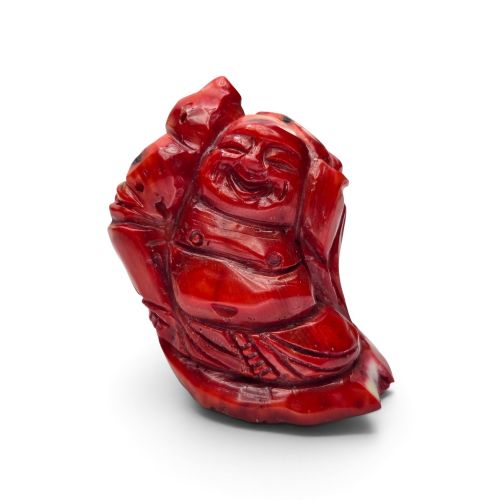
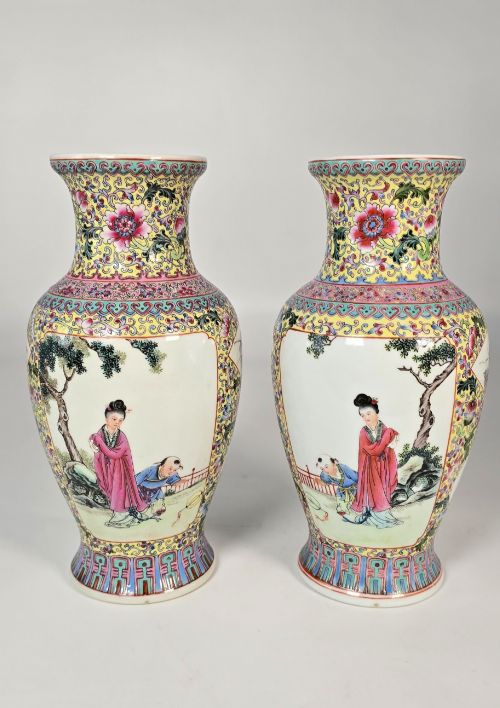
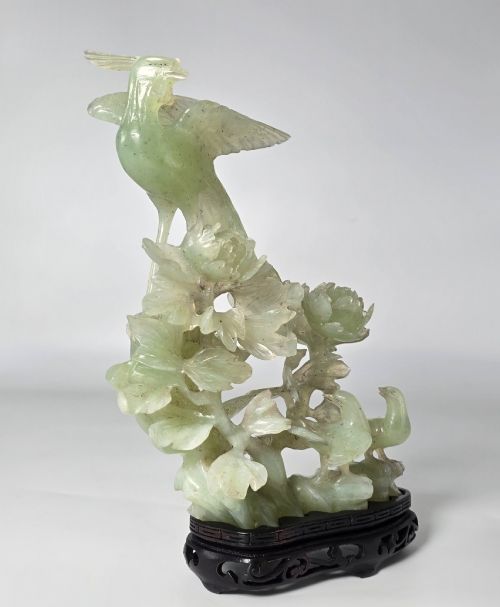
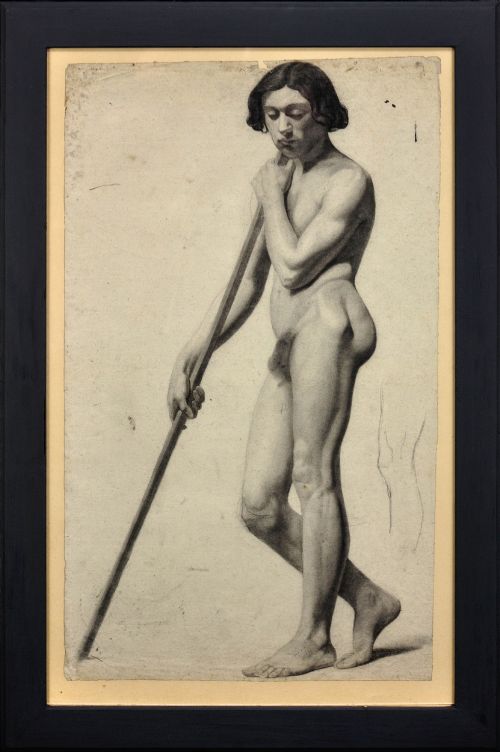
Republic period figures encompass a diverse array of sculptural objects, spanning porcelain statues, carved hardstone groupings, and academic life studies. When searching for republic period figures, buyers most frequently encounter hand-painted porcelain ceramics and carved mineral groups dating from the early twentieth century.
The selection ranges from Famille Rose laughing Buddhas and immortal vases to turquoise glazed figural lamps and French academic drawings. These pieces reflect a dynamic transition in artistic production during the early decades of the twentieth century.
Materials and Techniques
Craftsmen utilised high-fired porcelain decorated with vibrant enamel palettes, notably Famille Rose, alongside meticulously carved hardstones such as jadeite, red coral, and agate. Bronze and cloisonné enamel also appear among the sculptural works.
Makers applied detailed hand-painting and precise carving techniques to capture lifelike textures in robes, hair, and facial expressions. Surface treatments include turquoise glazes, black and gilt lacquering, and intricate cloisonné wirework.
Republic Period Figures Retail Price Guide 2026
Typical asking prices for republic period figures among the pieces listed under this phrase on Sellingantiques today, from the lower quarter to the upper quarter. They describe what is for sale here now, not the wider market.
Listings feature items spanning the nineteenth and twentieth centuries, predominantly utilising porcelain, hardstone, bronze, and cloisonné enamel.
Distinguishing Quality
The selection of raw material also dictates worth, with flawless carved hardstone and substantial bronze castings standing apart from simpler moulded ceramics. Signed pieces bearing artisan inscriptions often indicate higher atelier standards.
Zhu Mao Ji·Henry Arthur Roberts·Gao Hengsheng
The Republic Period Figures Glossary
- Famille Rose
- A major palette of Chinese ceramic glazes introduced in the Qing dynasty, featuring opaque pink or rose enamel derived from colloidal gold. It allowed artists to render subtle tonal gradations on porcelain figures.
- Budai
- A historical monk often depicted as a stout, laughing figure symbolising contentment and good fortune. Sculptures of him are frequently rendered in porcelain or carved coral.
- Cloisonné
- An ancient technique for decorating metal object surfaces using strips of metal to form compartments filled with vitreous enamel paste. The piece is then fired and polished smooth.
- Academic Realism
- A style of painting and sculpture produced under the influence of European academies of art, emphasising accurate anatomical study and classical proportion as seen in life drawings.
Republic Period Figures: Frequently Asked Questions
What defines republic period figures?
These pieces comprise sculptures, vases, and statues produced around the early twentieth century, particularly reflecting Chinese Republican era craftsmanship alongside select European academic works from the same timeframe.
They bridge traditional dynastic artistry and modern decorative sensibilities, capturing human and divine subjects in porcelain, bronze, and carved stone.
How do I display porcelain figures safely?
Position them away from direct sunlight to protect enamel colours and prevent thermal stress on older ceramic bodies. Ensure they rest on stable, level surfaces where vibration is minimal.
For taller pieces or figural lamps, placing them on sturdy wooden furniture or dedicated display cabinets protects them from accidental knocks.
How are hardstone figures carved?
Artisans used abrasive pastes and rotary tools to shape dense materials like jadeite, agate, and red coral into intricate figural groupings. This laborious reduction method allowed sculptors to utilise natural colour variations within the stone.
Subtle shifts in mineral tone often highlight specific details of robes, lotuses, or attendant birds within the sculpture.
Are these figures signed by artists?
Certain porcelain vases and sculptures bear artisan signatures, calligraphic inscriptions, or studio seals that identify the maker or the kiln responsible for production. These marks provide valuable context regarding the piece's origin.
Unsigned examples remain common, reflecting commercial workshop output rather than individual master carvers.