




Antique Porcelain Immortals
Antique porcelain immortals bring centuries of East Asian craftsmanship into your home, depicting revered figures with remarkable detail and coloured glazes.
Antique Porcelain Immortals
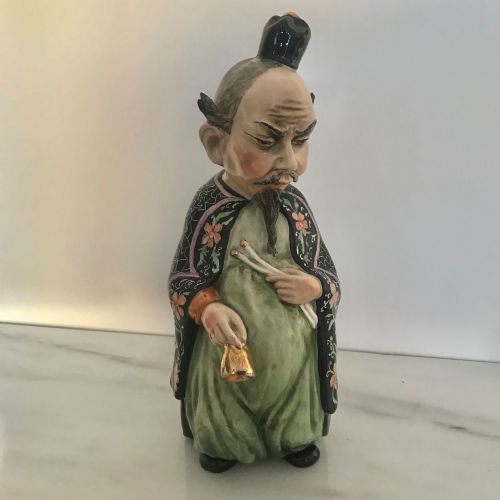
Antique porcelain immortals encompass figures, vases, brush pots, and snuff bottles originating from Chinese and Japanese traditions across the nineteenth and early twentieth centuries. These works frequently depict mythological deities, Daoist figures, and arhats modelled in ceramic or earthenware.
The pieces on this page heavily feature Qing Dynasty and Meiji Period aesthetics, alongside Republic Period and Chinese Export works. Buyers encounter both individual figurines and paired vases decorated with enamel, gilt, and glaze.
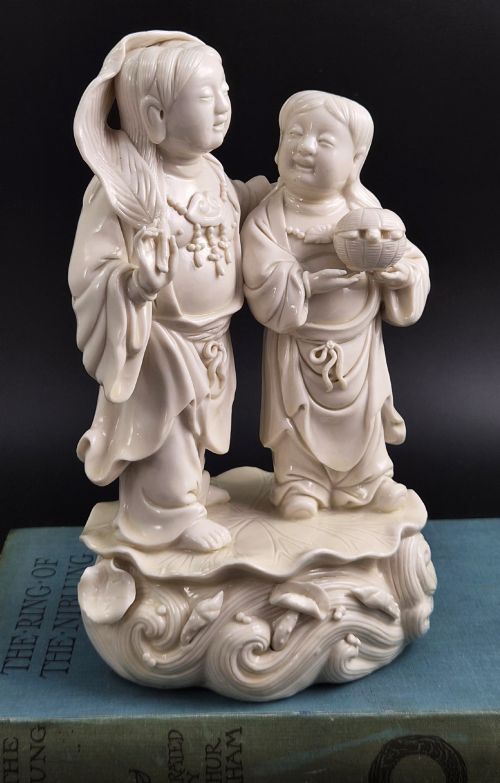
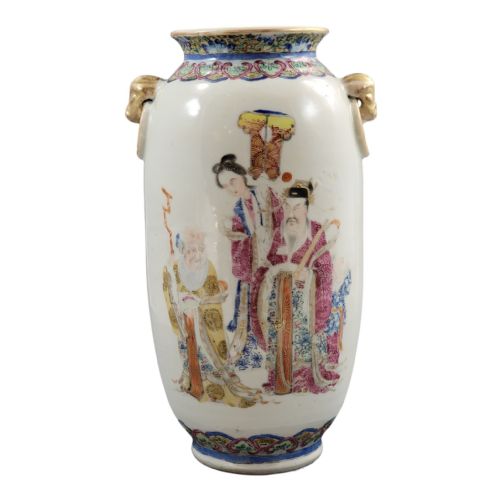
Vessels and sculptures range from turquoise glaze table lamps to Blanc-de-Chine figure groups. Each object captures traditional iconography through distinct regional styles including Satsuma, Kutani, and famille rose.
How they were made
Artisans shaped these pieces using porcelain, ceramic, and earthenware bodies before applying intricate hand enamel decoration and colourful glazes. Kiln techniques varied from traditional Chinese high-fired methods to Japanese earthenware production.
Surface ornamentation often incorporates gold leaf, gilt, and white metal highlights to accentuate the robes and attributes of the depicted figures. Moriage techniques and detailed brushwork build textured relief on Satsuma and Kutani surfaces.
Antique Porcelain Immortals Retail Price Guide 2026
Typical asking prices for porcelain immortals among the pieces listed under this phrase on Sellingantiques today, from the lower quarter to the upper quarter. They describe what is for sale here now, not the wider market.
Materials documented across the collection include porcelain, earthenware, enamel, gold leaf, glaze, ceramic, gilt, and white metal.
What varies in quality
The fineness of hand-painted enamelwork and the precision of facial expressions distinguish superior figures from standard production. Master painters achieved nuanced shading on robes and naturalistic tones on skin.
The integrity of the porcelain body and the richness of the gilding or gold leaf application indicate workshop skill. Well-preserved turquoise and famille rose glazes retain their depth without dullness.
Gao Hengsheng
The Antique Porcelain Immortals Glossary
- Famille rose
- A palette of opaque rose-pink enamel introduced in Chinese ceramics during the Qing Dynasty. It allowed for delicate shading and pictorial detail.
- Blanc-de-Chine
- A type of white porcelain made in Dehua, China, featuring a creamy ivory glaze. It was widely used for religious figures.
- Satsuma
- Japanese earthenware pottery decorated with intricate enamel patterns and heavy gilding. Pieces often depict historical or mythological scenes.
- Moriage
- A Japanese ceramic technique where slip is piped onto the surface to create raised decorative patterns. It adds tactile dimension to vases and figurines.
- Brush pot
- A cylindrical vessel, also known as a bitong, used by scholars to hold writing brushes. Examples in this category feature carved or enamelled immortal motifs.
Antique Porcelain Immortals: Frequently Asked Questions
What are antique porcelain immortals?
Antique porcelain immortals are ceramic figures and decorated vessels depicting legendary Daoist figures, arhats, and deities from Chinese and Japanese traditions.
These pieces were produced in various styles including Qing Dynasty famille rose and Japanese Satsuma wares during the nineteenth and early twentieth centuries.
How were these porcelain figures used?
Many figures served as decorative items or symbols of longevity and good fortune within homes and scholar's studios.
Vessels such as brush pots and vases combined practical utility with symbolic representations of revered mythological personalities.
How do I care for antique porcelain?
Clean these delicate surfaces gently with a soft, dry cloth to remove dust without damaging the enamel or gold leaf details.
Keep pieces away from direct sunlight and moisture fluctuations to protect fragile glazes and earthenware bodies.
How do I distinguish Chinese and Japanese pieces?
Chinese pieces often utilise famille rose or turquoise glazes with motifs from Daoist mythology, such as Shoulao and the Eight Immortals.
Japanese works frequently employ Satsuma or Kutani styles featuring arhats, monks, and moriage decoration.