


Chinese Export Porcelain Platter
These Chinese export porcelain platters combine practical service with centuries of global trade, offering durable ceramic surfaces painted in rich cobalt and enamel.

Chinese Export Porcelain Platter
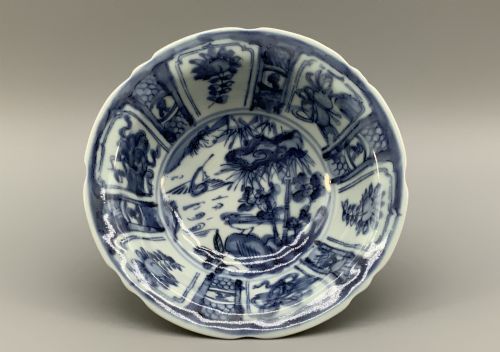
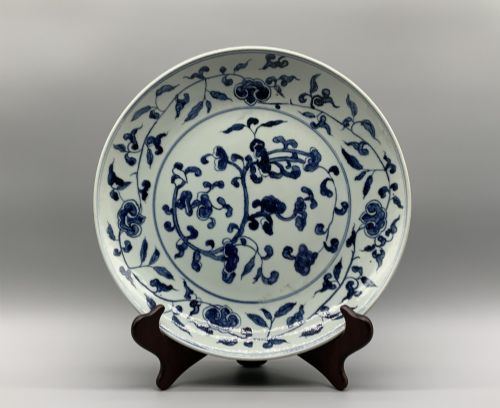
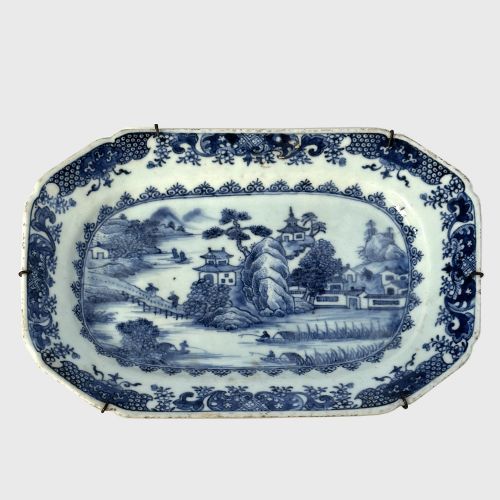
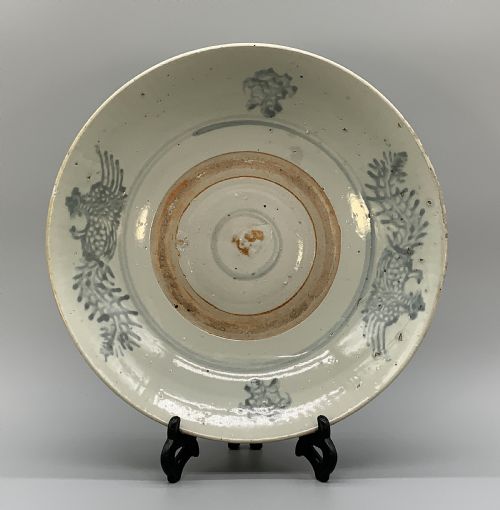
When you search for a Chinese export porcelain platter, you encounter serving vessels made in the East specifically for Western dining tables. The pieces here span multiple centuries, ranging from early Ming Dynasty swatow ware through Kangxi and Qianlong periods up to 19th-century Canton productions.
You meet chargers, serving dishes, and meat drainers alongside platters proper, mostly rendered in porcelain and ceramic. The cobalt glaze and blue and white palette dominate the selection, accompanied by famille rose and Chinese imari colourways.
Materials and methods of production
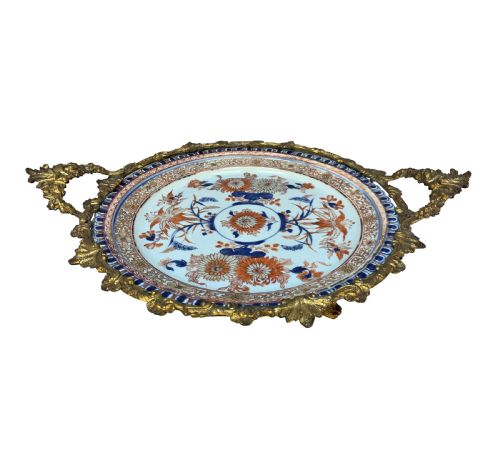
Potters shaped hard-paste porcelain and ceramic before applying cobalt underglaze pigments and bright enamels by hand. Artisans utilised gold leaf and occasional ormolu mounts to finish surfaces, securing lasting vitrification through high-temperature kilns.
The combination of cobalt glaze and hand-painted motifs defined the output across Qing and Ming dynasties. Workshops balanced durability with refined decorative detail to satisfy overseas markets.
Some platters include fitted ceramic drainers, proving that 18th-century diners worried just as much about soggy roast beef as we do.
Distinctions in craftsmanship and preservation
The standard of a Chinese export porcelain platter rests upon the precision of the hand-painted brushwork and the clarity of the cobalt underglaze. Superior examples display crisp definition in complex scenes, while lesser items show hasty execution.
Preservation of the porcelain body, enamel colours, and any applied ormolu or gold leaf dictates the standing of an individual dish. Intact surfaces without structural compromise command greater appreciation.
The Chinese Export Porcelain Platter Glossary
- Charger
- A large decorative plate or platter intended for formal table service or display. These substantial vessels anchor large dining arrangements.
- Famille Rose
- A palette of opaque enamels dominated by pink or rose colours introduced during the Qing Dynasty. This technique allowed for nuanced polychrome floral and figural painting.
- Swatow Ware
- Coarse trade porcelain produced in southern Chinese kilns during the late Ming dynasty. These pieces typically feature bold, spontaneous blue and white or polychrome decoration.
- Meat Drainer
- A ceramic insert pierced with holes designed to fit inside a platter to drain juices from joints of meat. Examples survive from the Qianlong period.
- Cobalt Underglaze
- Pigment applied to the raw porcelain body before glazing and firing, producing deep blue designs that withstand high kiln temperatures. This method ensures the decoration remains permanent beneath the glassy surface.
Chinese Export Porcelain Platter: Frequently Asked Questions
How were these platters used?
These platters served large joints of meat and communal dishes at formal Western dining tables during the trade era. They functioned as both practical tableware and display pieces in wealthy households.
Over time, many transitioned from active dining service to decorative wall hanging or cabinet display as their age and fragility became apparent.
How do I identify a Qianlong period piece?
Qianlong period items align with the reign spanning the 18th century, often exhibiting precise blue and white painting, famille rose enamels, or armorial designs. Examination of the paste and the specific palette helps connect a platter to this era.
Comparing the glaze texture and motifs against dated comparative examples aids in confirming the production period.
What is Chinese Imari porcelain?
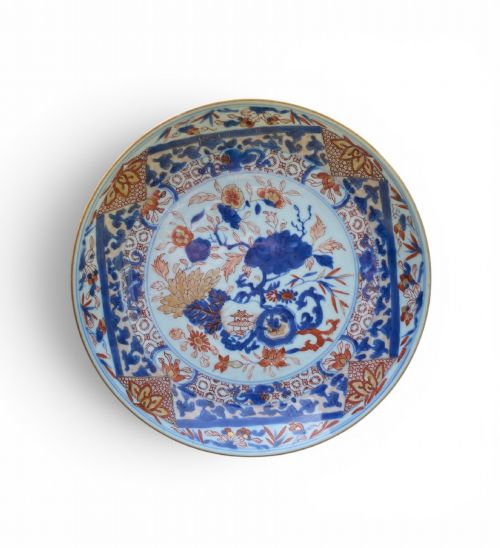
Chinese Imari refers to export porcelain decorated in a palette of underglaze blue, iron red, and gold, emulating Japanese Imari wares. Chinese kilns adopted this style to satisfy European demand in the 18th century.
The combination of deep cobalt and rust-red enamel creates a distinct visual contrast across plates, dishes, and platters.
How should I care for antique porcelain?
Display these platters away from direct sunlight and areas subject to sudden temperature fluctuations to protect the ceramic body and enamels. Clean them gently with a soft, dry cloth rather than immersing them in water.
Ensure any wall mountings or display stands securely support the weight of the heavy porcelain without putting stress on the edges.