




Cherub Table Centrepiece
A cherub table centrepiece brings sculptural drama to dining, anchoring the room with figurative bronze or porcelain figures.
Cherub Table Centrepiece
A cherub table centrepiece combines functional table vessels with figurative sculpture, taking the form of large bowls, tazzas, jardiniere platters, and elaborate candelabra. When searching this phrase, buyers encounter striking ornamental objects designed to dominate the centre of a dining table or sideboard.
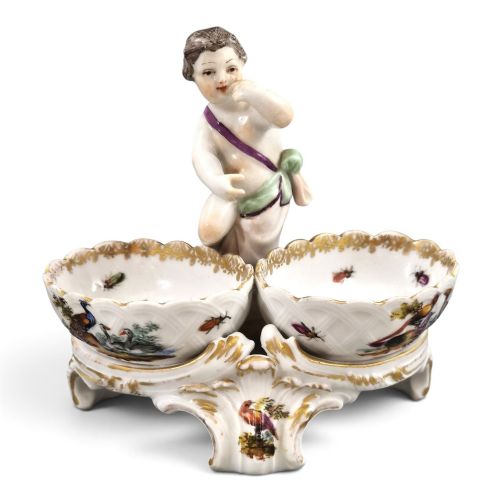
The pieces appearing on this page span the nineteenth century and the Edwardian era, with Victorian and French nineteenth-century examples dominating the selection. Makers from Germany, France, and England utilised porcelain, silver plate, and bronze to create these elaborate dining table statements.
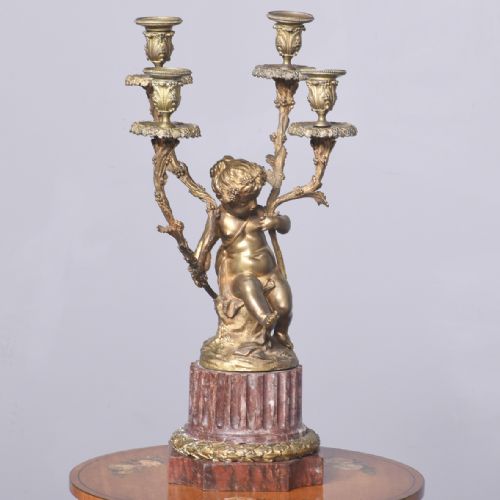
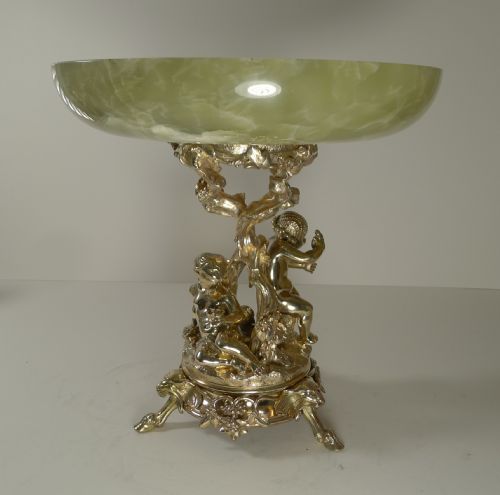
Forms range from simple porcelain shell basins supported by putti to massive multi-light candelabra paired with marble bases or cut glass bowls. These works reflect the elaborate dining rituals of the period, where table decoration signaled status and artistic taste.
How they were made
Metal centrepieces rely on bronze casting, silver plating, and ormolu work, often combining patinated and gilded surfaces with carved marble bases or cut glass bowls. Workshops used intricate moulding techniques to render the wings, hair, and limbs of the putti with sharp definition before applying gold leaf or silver plating.
Porcelain examples involve ceramic moulding, hand-painting, and glazing, executed by major factories and smaller continental potteries alike. Artisans applied delicate polychrome decoration and hand-painted details to birds, flowers, and figures before high-temperature firing.
Musical putti hold tiny instruments mid-air, forever frozen in nineteenth-century table-top symphony.
What varies in quality
The weight of the materials and the structural integrity of complex multi-light candelabra or large ceramic bowls distinguish ordinary production from important signed works by prominent makers. The integration of high-grade accessories, such as heavy cut glass liners or genuine marble plinths, elevates the piece.
KPM Berlin·Schierholz·Meissen·Christofle Paris·Elkington
The Cherub Table Centrepiece Glossary
- Putti
- Winged infant figures frequently depicted in art and decoration, often interchangeable with cherubs in nineteenth-century descriptions. These figures form the primary sculptural support or decorative motif on the pieces listed here.
- Ormolu
- Gilded bronze, where a layer of gold is applied to a bronze base using mercury amalgamation or electroplating techniques. This finish provides a bright, lasting golden lustre characteristic of French decorative objects.
- Tazza
- A shallow ornamental bowl or cup set upon a stem and foot, commonly utilised for serving fruit or sweets on formal tables. In metal or porcelain, it serves as a central platform for figurative supports.
- Jardiniere
- A decorative pot or stand designed to hold plants or floral arrangements, often executed in bronze, ceramic, or porcelain. These items form a subset of large table centrepieces.
- Silver Plate
- A base metal, such as copper or Britannia metal, coated with a thin layer of silver through electroplating or old Sheffield plate methods. This technique allowed manufacturers to produce elaborate tableware at a scale impossible in solid silver.
Cherub Table Centrepiece: Frequently Asked Questions
What is a cherub table centrepiece?
A cherub table centrepiece is an ornamental dining table decoration featuring sculpted winged figures supporting bowls, baskets, or candle holders. They were produced primarily during the nineteenth and early twentieth centuries.
These pieces combine utility with sculpture, serving as the visual focal point for formal dining settings.
How were they used historically?
Dining rooms of the Victorian and Edwardian eras utilised these large objects in the middle of dining tables during formal meals. They held fruit, sweetmeats, floral displays, or provided illumination through attached candle branches.
Hostesses used them to display wealth, artistic taste, and to orchestrate the visual theme of a multi-course dinner party.
How do I style one today?
Place a cherub centrepiece in the middle of a large dining table, a heavy sideboard, or an entrance hall console where it can be viewed from multiple angles. Let the object stand alone as a sculptural focal point or fill glass bowls and porcelain baskets with seasonal fruit or flowers.
Ensure the surrounding furniture is sturdy enough to bear the substantial weight of bronze, marble, and porcelain constructions.
How do I distinguish porcelain from bronze?
Porcelain items are ceramic works featuring glazed surfaces and hand-painted polychrome details, which feel cool and smooth with a resonant ring when tapped gently. Bronze and silver-plated pieces are metal objects, often displaying patination, chased surface details, and significantly heavier weight.
Many nineteenth-century pieces combine both materials, mounting porcelain bowls on ormolu stands or pairing bronze putti with marble bases.