


Chased Silver Bowl
A chased silver bowl brings intricate surface depth and weight to a room, ranging from Victorian presentation pieces to early twentieth-century Chinese export vessels.
Chased Silver Bowl
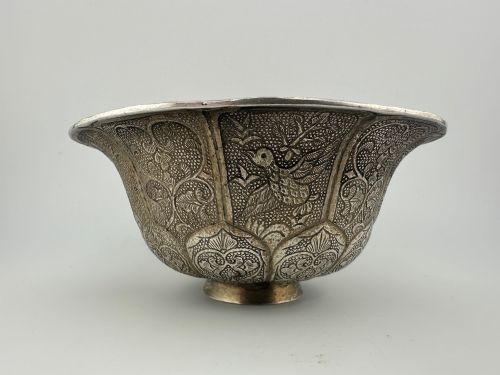
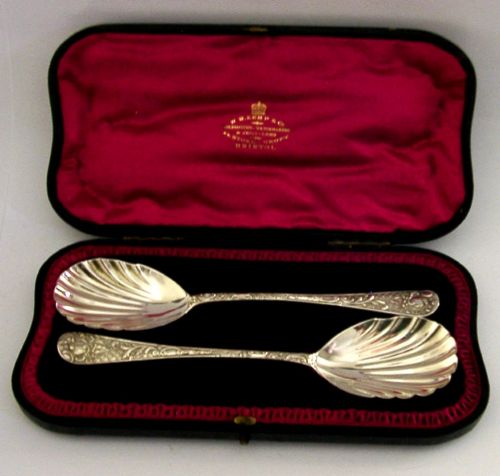
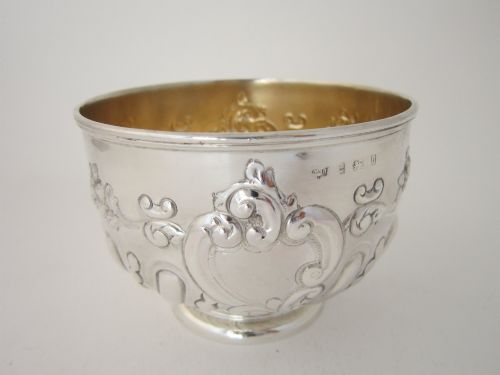
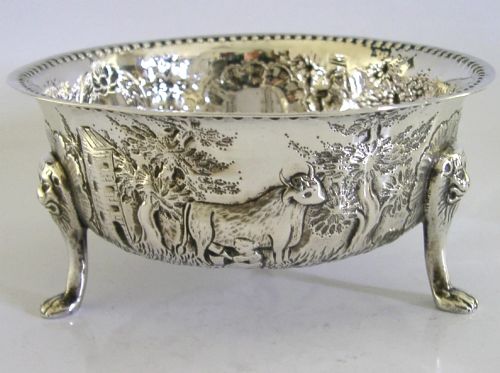
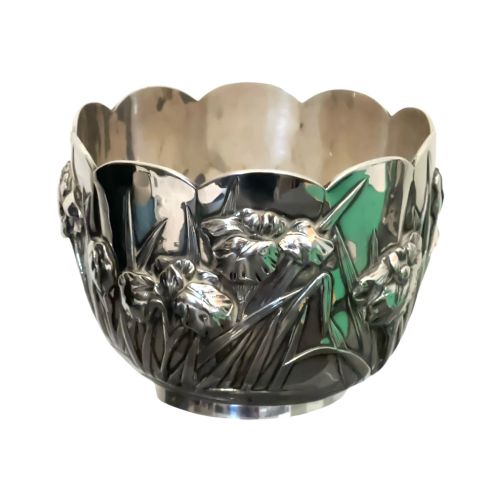
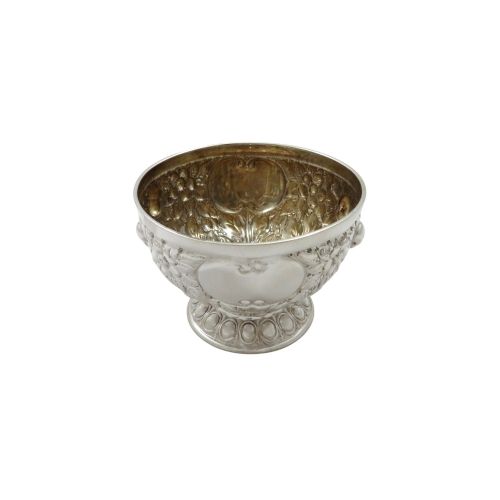
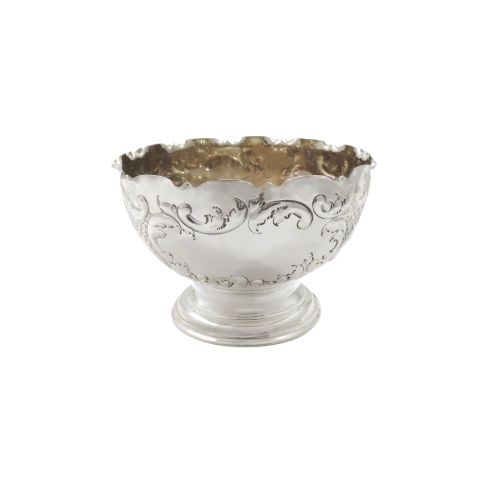
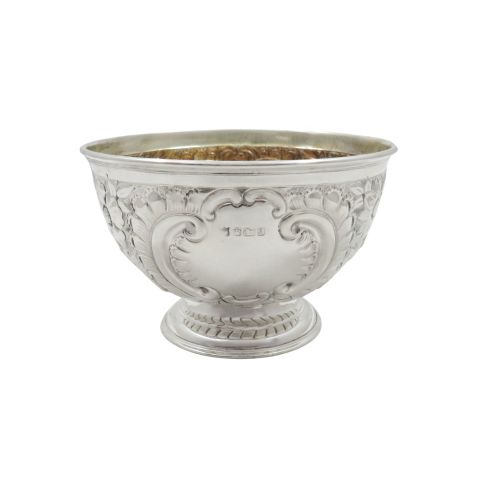
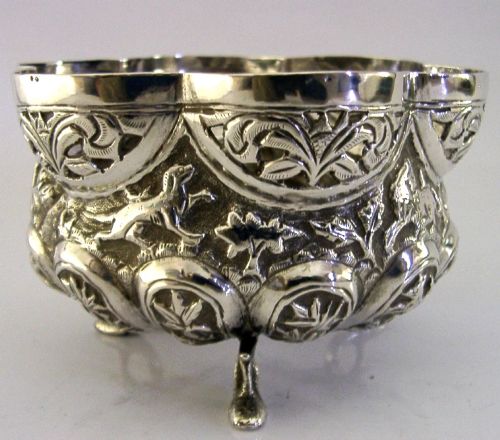
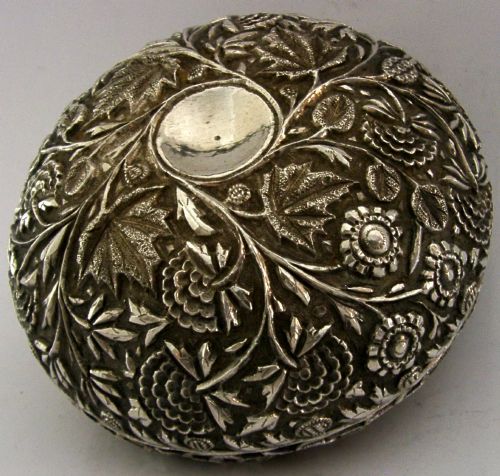
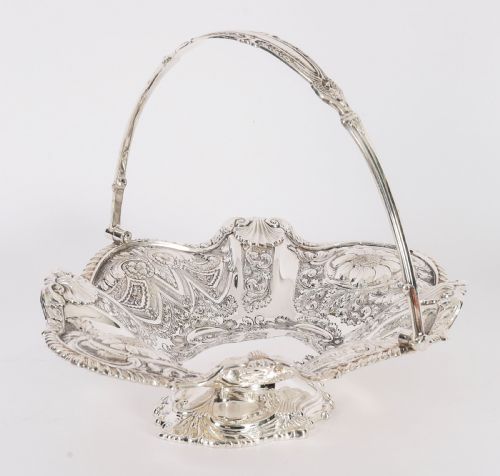
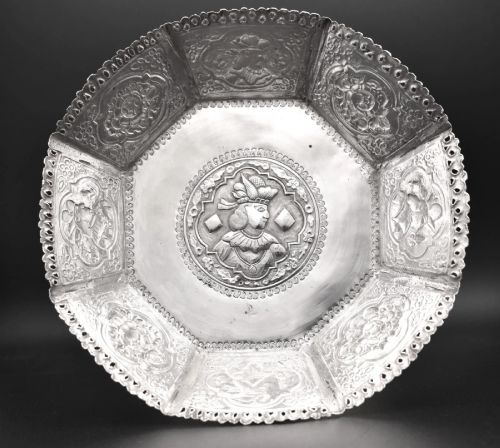
A chased silver bowl is a hollow vessel worked from behind with hammers and punches to sink the metal, creating raised ornamentation on the exterior surface. When searching for a chased silver bowl, buyers encounter forms spanning decorative bowls, footed presentation pieces, fruit baskets, and rose bowls from various periods. Victorian and Edwardian examples dominate the selection, alongside Chinese Export, Meiji, and Anglo-Indian regional variants from the nineteenth and twentieth centuries.
The objects vary widely in scale and silhouette, from small bonbon dishes and pedestal bowls to large heavy centrepieces and wine coolers. Many pieces originate from British workshops in London, Birmingham, and Sheffield, while others reflect international silver traditions utilising solid silver or silver plate on copper.
Materials and chasing techniques
Makers formed these bowls using sterling silver, solid silver, or electroplated nickel silver and silver plate over copper bases. The defining attribute is the chased decoration, executed by hammering metal into a pitch bowl to displace the material and raise floral, animal, or figural motifs.
Guildsmen combined chasing with repoussé work, pushing the metal from the reverse and refining details from the front using punches. This dual technique created high-relief scenes of birds, foliage, and deities seen on English, Burmese, and Chinese pieces.
Chased Silver Bowl Retail Price Guide 2026
Typical asking prices for chased silver bowl among the pieces listed under this phrase on Sellingantiques today, from the lower quarter to the upper quarter. They describe what is for sale here now, not the wider market.
Materials recorded on this page include sterling silver, silver plate, copper, velvet, and silk linings.
Judging quality in chased silver
Quality rests upon the crispness of the hand-chased relief and the thickness of the silver gauge, which dictates the overall heft of the bowl. Superior pieces retain sharp definition in intricate motifs without thinning the metal walls through excessive chasing.
The balance of the vessel, particularly on footed pedestals or twin-handled forms, separates standard domestic ware from masterwork presentation bowls. Maker marks, clear hallmarks, and structural integration of handles or applied rims further denote superior execution.
George W. Scott & Sons Ltd·Barker Ellis·Elkington & Co·Edward Edwards·John Edward Terrey·George Unite·Mackay & Chisholm·Harrison Brothers & Howson·George Fox
The Chased Silver Bowl Glossary
- Chasing
- Working the metal surface from the outside with punches and hammers to sink the background and leave raised patterns. This technique shifts material rather than removing it.
- Repoussé
- Shaping metal from the reverse side to create raised designs on the front. It is frequently paired with chasing to achieve deep relief.
- Sterling silver
- An alloy containing a high proportion of pure silver combined with other metals for durability. British pieces typically carry standard hallmarks denoting this purity.
- Silver plate
- A thin layer of silver bonded to a base metal such as copper or nickel silver. Techniques include electroplating and older fusion methods.
- Comport
- A shallow decorative bowl raised on a stem or foot, used for serving fruit or sweets. They appear frequently in Victorian and Edwardian dining settings.
Chased Silver Bowl: Frequently Asked Questions
How do I clean a chased silver bowl?
Use a soft cloth and mild silver dip or paste designed for precious metals, taking care around deep recesses. Avoid harsh abrasives that wear away the fine chased details.
Store the vessel in a dry environment and handle it with clean hands to prevent tarnish buildup on the raised motifs.
Are these bowls suitable for daily use?
Most antique pieces function well for displaying fruit, potpourri, or dried flowers rather than serving acidic foods daily. Solid silver withstands careful handling, while plated items require gentle care to protect the surface.
Placing felt pads underneath protects both furniture and the base of pedestal models.
What is the difference between solid silver and silver plate?
Solid silver consists entirely of silver alloy throughout its structure, carrying official assay office hallmarks. Silver plate applies a thin coating of silver over a base metal like copper or nickel.
Weight often provides an initial clue, as solid vessels tend to feel heavier than plated equivalents of identical size.
How can I tell the period of a chased bowl?
Examine the hallmarks, style of ornamentation, and manufacturing marks stamped onto the base or rim. Victorian and Georgian pieces often display specific monarch duty marks or date letters.
Stylistic cues such as Rococo Revival scrolls or Meiji flora help narrow down the decade of production.