






Caucasian Wool Floor Runner
When you search for a caucasian wool floor runner, you are looking at resilient tribal and nomadic floor coverings woven across the nineteenth and early twentieth centuries.
Caucasian Wool Floor Runner
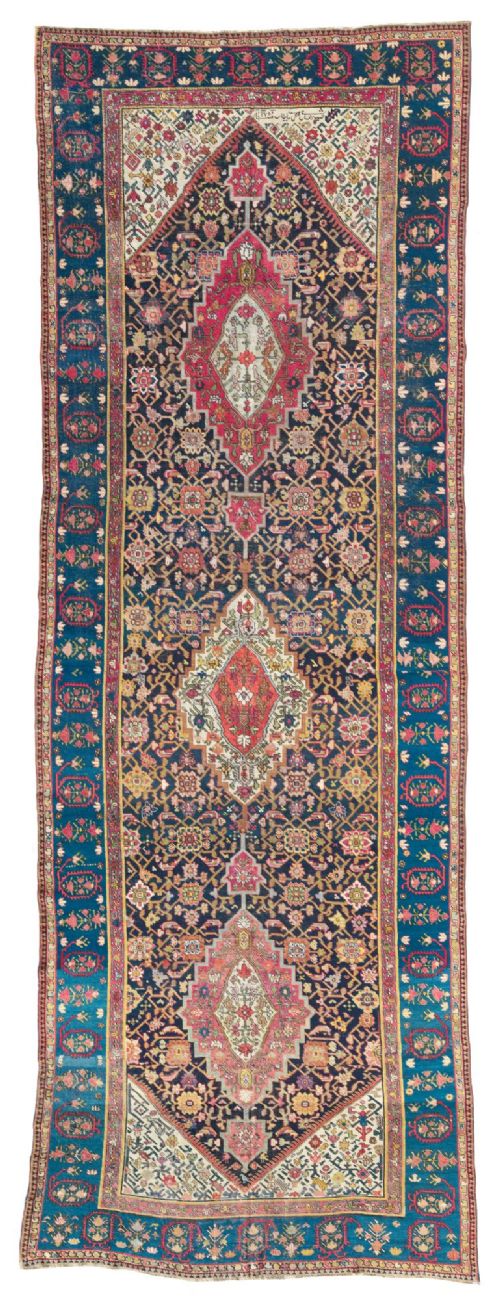
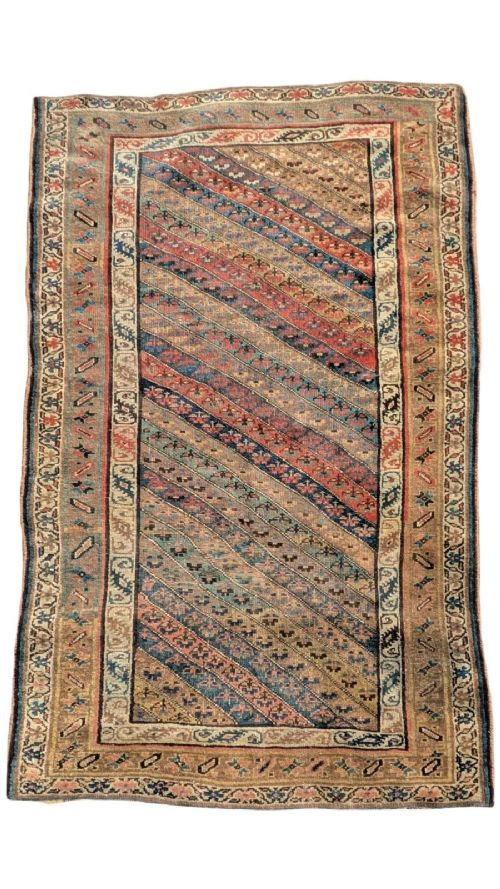
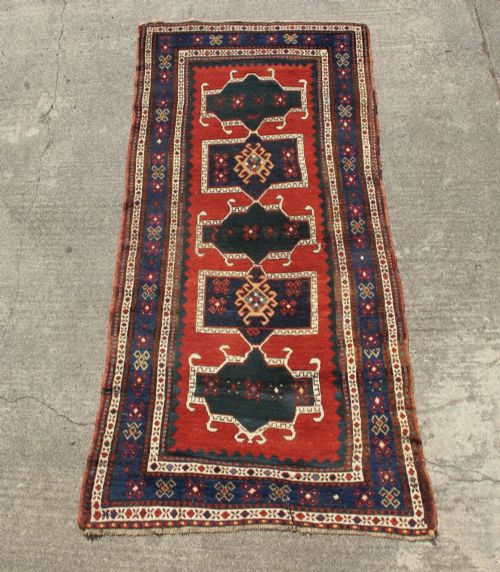
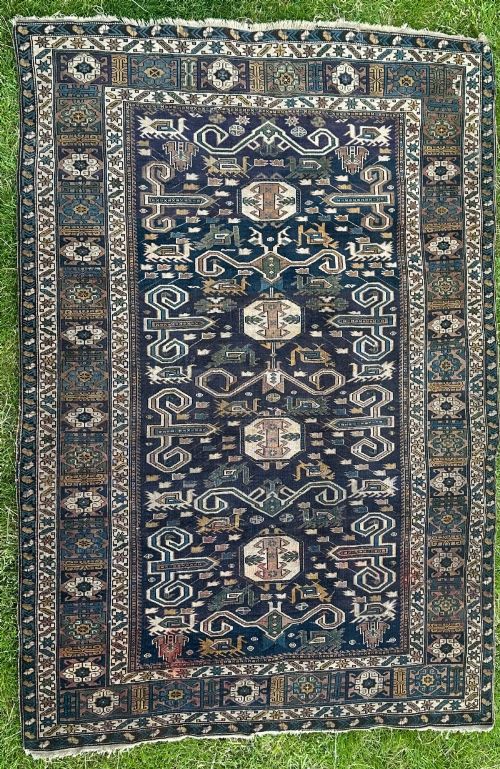
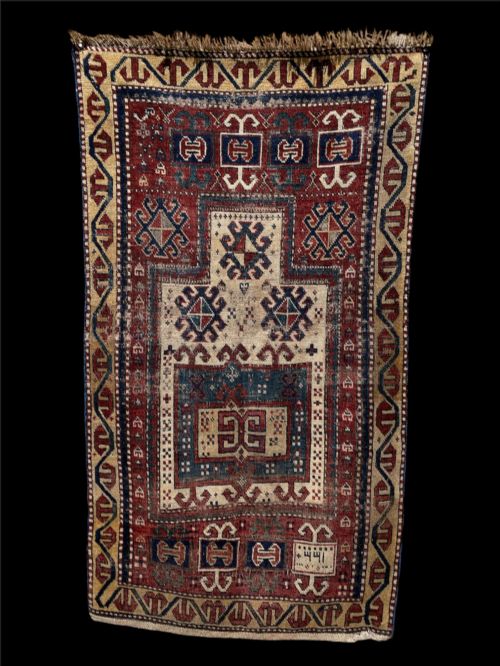
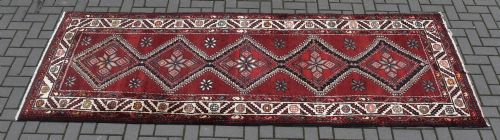
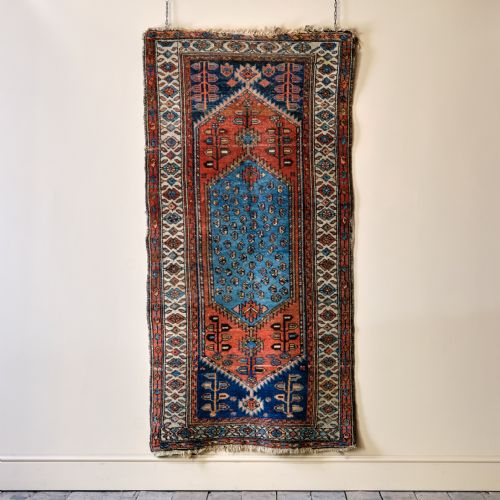
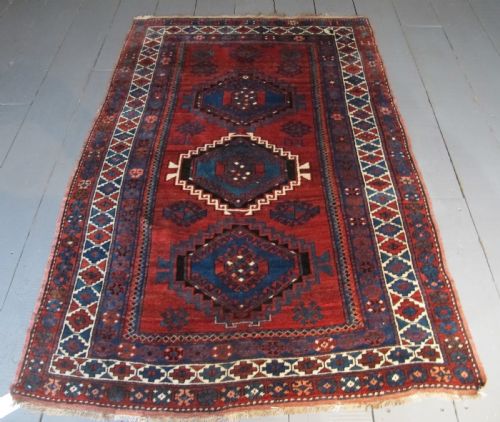
A caucasian wool floor runner represents the distinct weaving traditions of the Caucasus region, produced primarily between the mid-nineteenth century and the 1930s. These pieces include narrow runner formats intended for hallways and long spaces, alongside related tribal formats from Kurdish, Karabagh, Kazak, and Shirvan origins.
The selections span village and nomadic workshops rather than rigid urban centres, displaying geometric motifs, hooked medallions, and traditional prayer designs. Surviving examples reflect the practical needs of nineteenth-century households adapted into decorative floor textiles for modern interiors.
How they were made
These textiles rely on hand-knotted and hand-woven construction using wool and hand-spun wool fibres, often supported by cotton foundations. Artisans tied dense pile knots or employed flatweave techniques to create durable surfaces designed for heavy domestic use.
Natural dye traditions supplied the rich colour palettes visible across these carpets, yielding deep tones that mellow gradually with age. The weaving process combined structural warp and weft threads with careful knotting by hand, resulting in robust, flexible floor coverings.
Several pieces preserve ancient symbols like the dragon and phoenix, faithfully knotted into humble hallway floors.
What varies in quality
Quality in these textiles depends heavily on the fineness of the knotting and the crispness of the geometric design work. Higher grade examples display tighter structural density and more deliberate execution of complex motifs like Lezghi stars or floral lattices.
The condition of the wool pile and the retention of original borders also separate superior specimens from heavily worn items. Consistency in hand-spun materials and the clarity of the primary colour combinations indicate the skill of the original weaver.
The Caucasian Wool Floor Runner Glossary
- Kazak
- A designated style and origin within the Caucasus region known for bold geometric medallions and primary saturated colours. These rugs typically display strong tribal character.
- Shirvan
- A traditional weaving provenance from the eastern Caucasus noted for finely detailed patterns and balanced compositions. Shirvan pieces often feature structured geometric layouts.
- Kelleh
- A large format carpet shape, longer than a standard rug but wider than a corridor runner. This size accommodated specific room dimensions in traditional households.
- Soumak
- A flatweave textile technique producing a smooth face with wrapped weft threads on the reverse. Soumak carpets offer durability without a deep pile.
- Boteh
- A traditional teardrop or almond-shaped motif representing a stylized floral spray or cypress tree. This ancient symbol appears frequently across various regional designs.
Caucasian Wool Floor Runner: Frequently Asked Questions
Where were these runners made?
These runners originate from the Caucasus region, encompassing areas historically linked to diverse tribal groups and weaving villages.
Production centres included Karabagh, Shirvan, and Kazak districts, where local families produced textiles for domestic utility and regional trade.
How do I care for an antique wool runner?
Vacuum these wool textiles gently using suction only, avoiding rotating brush attachments that can pull at the hand-knotted pile.
Position a suitable underlay beneath the runner to prevent slipping and reduce friction between the floorboards and the historic fibres.
Are these runners suitable for hallways?
Narrow runner formats were originally constructed to fit domestic corridors, making them well suited for modern hallway placement.
The dense wool construction provides natural resilience against regular foot traffic when paired with proper padding.
How do I identify different regional designs?
Regional attribution relies on observing specific structural traits, border arrangements, and characteristic medallion geometries.
For instance, Kazak pieces favour large hooked motifs, whereas Shirvan work often employs tighter, more intricate lattice patterns.