





Multicolour Rug
When you search for a multicolour antique rug, you encounter hand-woven textiles and flatweaves carrying rich regional palettes from Persia, the Caucasus, and Central Asia.
Multicolour Rug
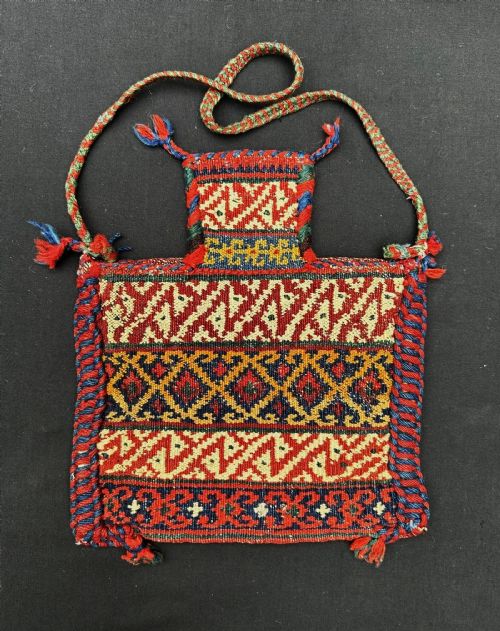
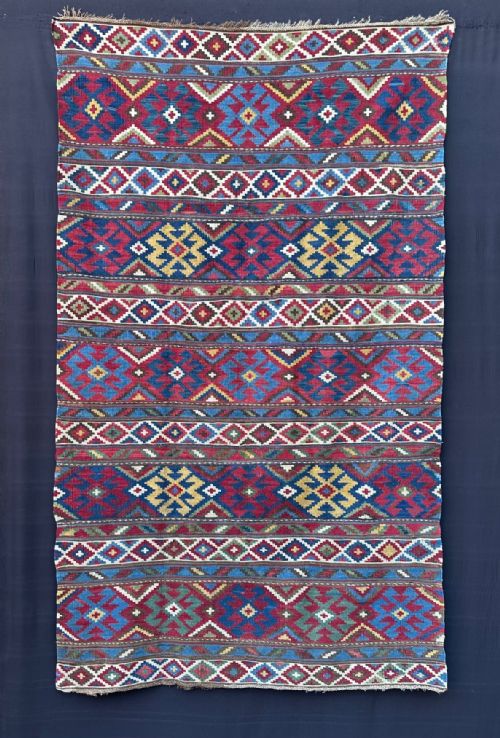
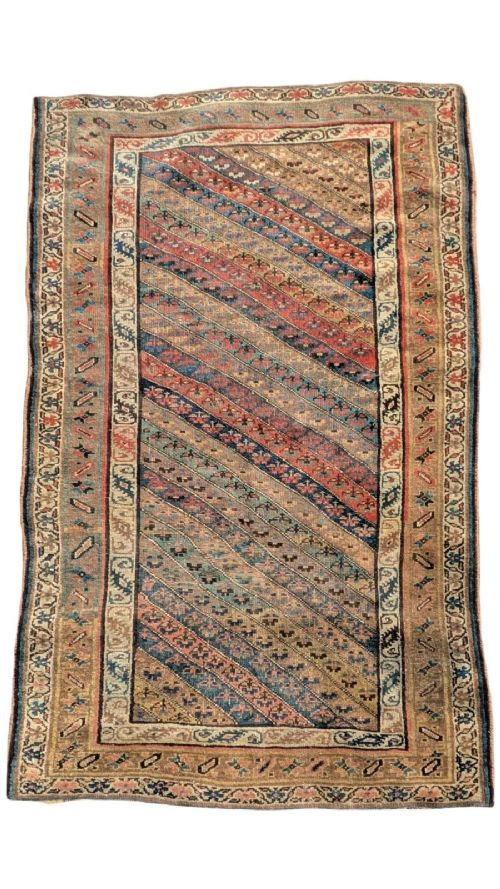
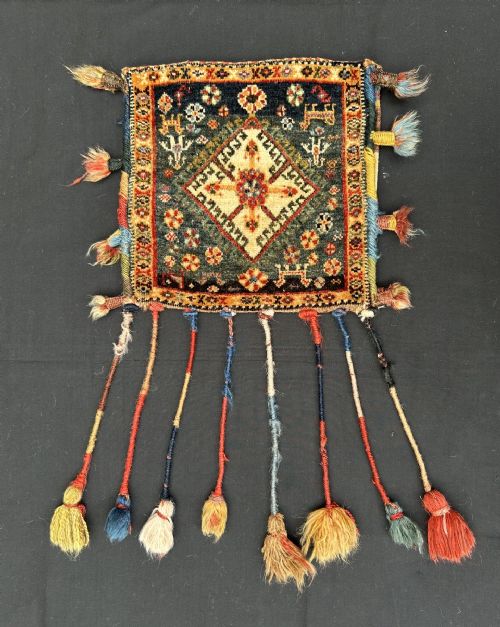
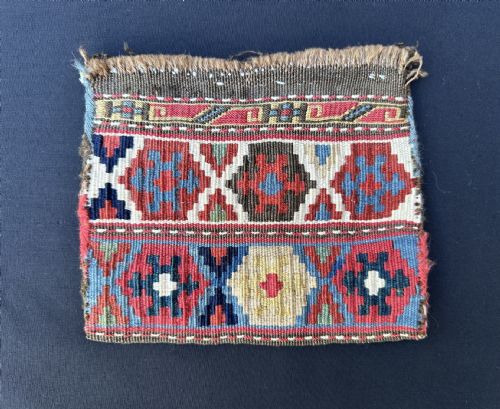
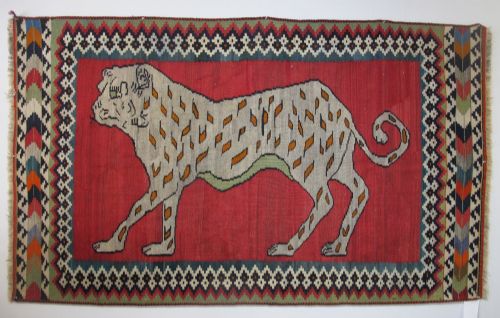
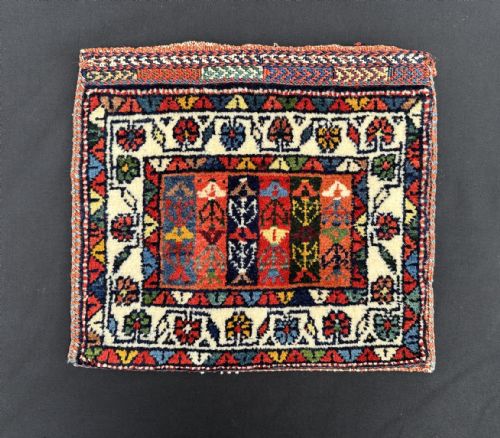
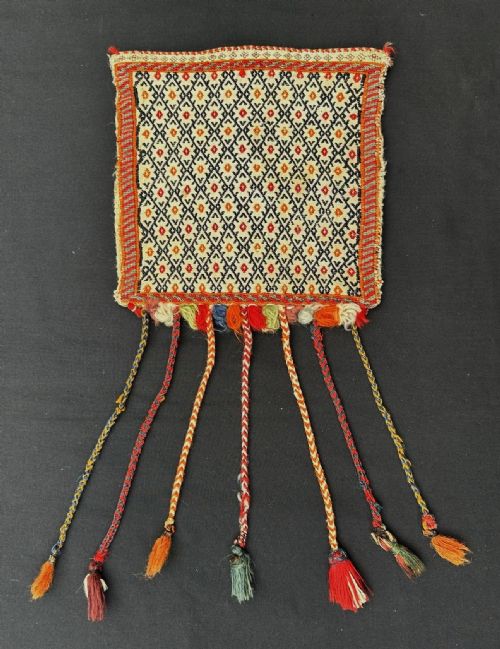
A multicolour antique rug encompasses various woven formats, including tribal carpets, flatwoven kilims, long runners, and small utility bags originating from nineteenth and early twentieth-century nomadic traditions.
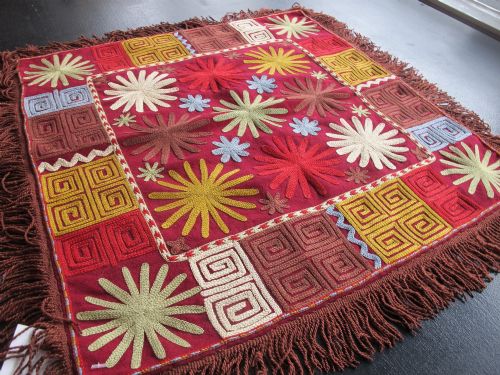
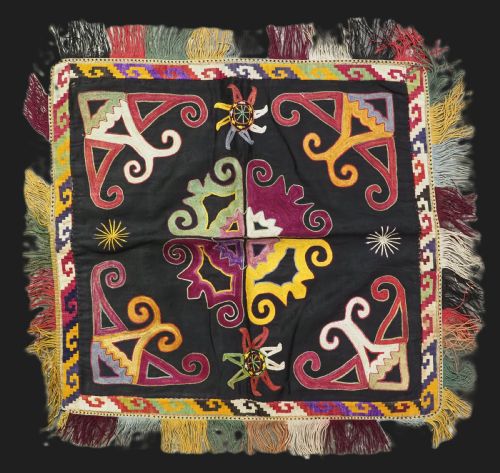
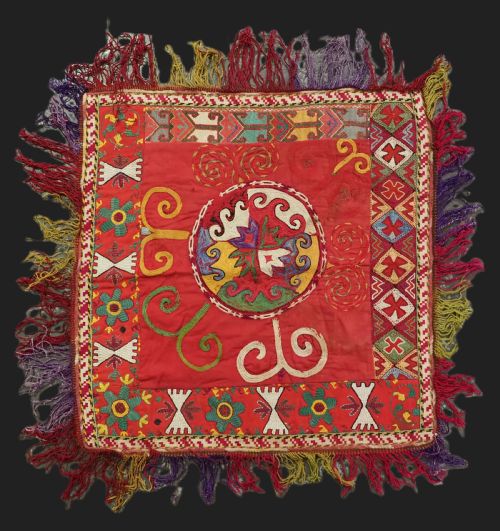
The selections on this page range from Persian tribal configurations and Caucasian geometric runners to Central Asian embroidered panels and Anatolian flatweaves.
Buyers meet both pile-woven floor coverings and flat-faced textiles designed for utilitarian or decorative domestic purposes.
Materials and construction
Weavers utilised hand-spun wool, cotton, and silk foundations, integrating natural dyes derived from plants and minerals to achieve lasting colour depth.
Techniques span knotted-pile weaving, slit-tapestry flatweaving, and detailed needlework such as silk and felt applique on fabric grounds.
Several items on this page began life as camel-hair bags for water pipes or baby cradles before finding new lives as collector pieces.
Assessing quality and execution
The standard of a piece rests on the precision of its geometric drawing, the saturation and harmony of its natural palette, and the tightness of the weave.
Finer examples demonstrate exceptional control over complex repeat medallions and graphic motifs, executed with resilient materials that retain their structural integrity.
The Multicolour Rug Glossary
- Kilim
- A flatwoven textile produced without a pile, traditionally utilised as a floor covering, wall hanging, or storage container.
- Boteh
- A stylised almond or pear-shaped motif of Persian origin, frequently repeated across tribal carpets and runner formats.
- Suzani
- An embroidered textile panel originating from Central Asia, stitched in silk on cotton or linen grounds for ceremonial use.
- Jajim
- A tightly woven band or striped utility cloth produced on narrow looms, often joined together to form larger covers.
Multicolour Rug: Frequently Asked Questions
How do I clean an antique rug?
Maintenance requires gentle surface dusting and professional care tailored to natural dyes and wool or silk fibres. Avoid harsh chemical treatments to preserve the integrity of the dyes.
Submerging old textiles in water or scrubbing vigorously can damage the structural weave and cause colour bleeding.
Where were these rugs made?
These pieces originate from nomadic confederacies and village workshops across Persia, the Caucasus, Anatolia, and Central Asia. Regions such as Shirvan, Fars, and Uzbekistan produced distinct regional styles.
Local tribal traditions dictated the specific patterns, materials, and weaving techniques employed by each group.
Are these items suitable for floors?
Floor placement depends on the specific format, as pile carpets and robust kilims handle foot traffic well. Lighter embroidered panels, wall hangings, and small bags are better suited for display away from heavy wear.
Using a suitable underlay helps protect delicate antique foundations from friction against hard surfaces.
How do I identify regional designs?
Regional identification relies on observing the specific arrangement of geometric motifs, border guards, and structural colour combinations. Caucasian pieces often display sharp polygons, while Persian tribal weavings favour complex medallions and figurative elements.
Comparing structural details and material choices helps distinguish between Anatolian, Caucasian, and Central Asian origins.