
Caucasian Tribal Area Rug
These robust pieces bring geometric designs and rich regional character into a room.
Caucasian Tribal Area Rug
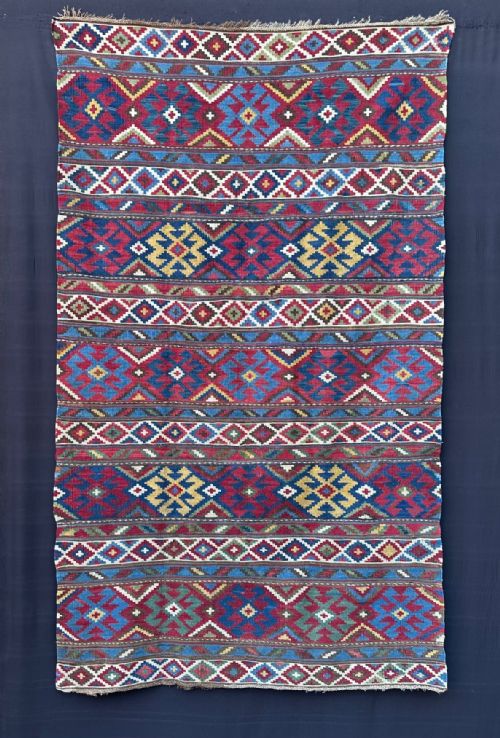
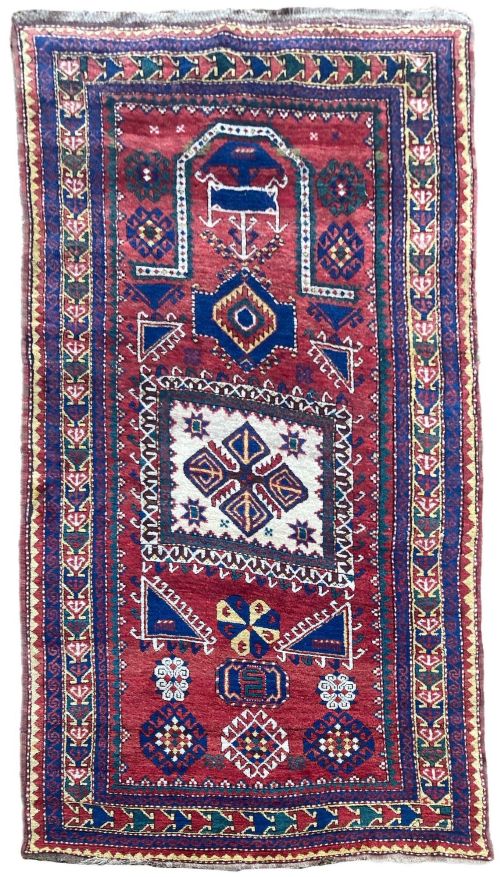
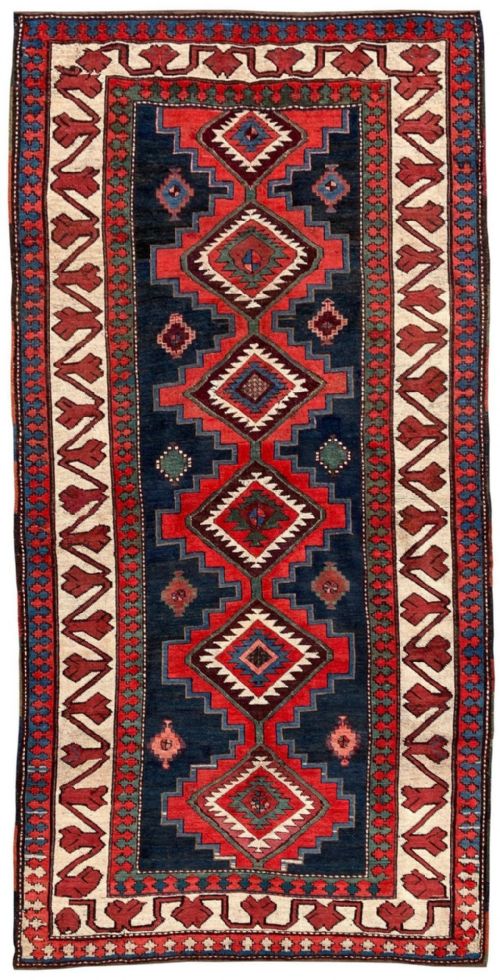
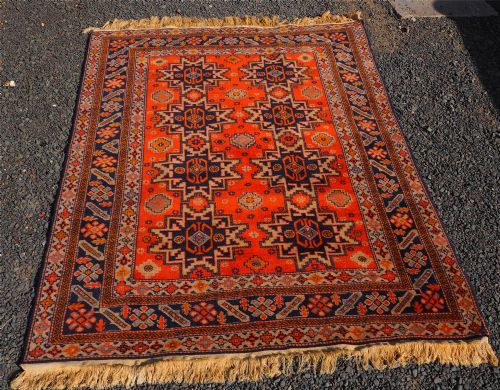
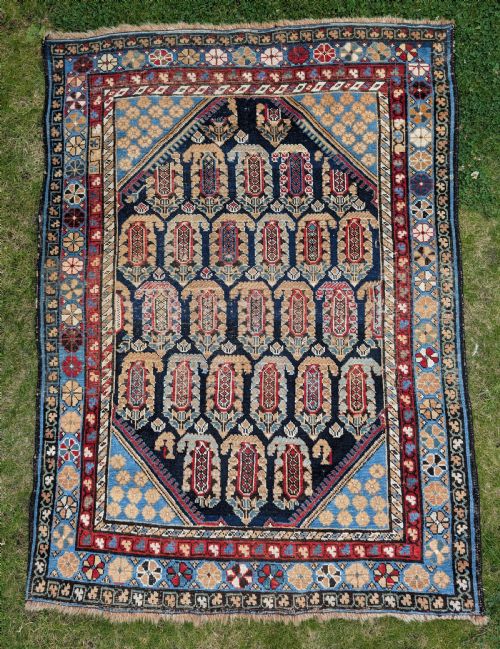
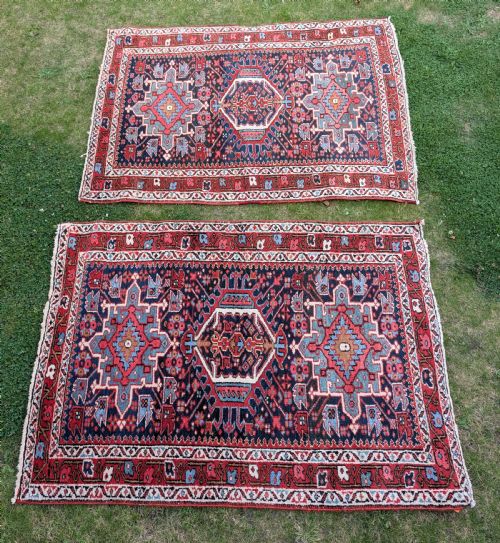
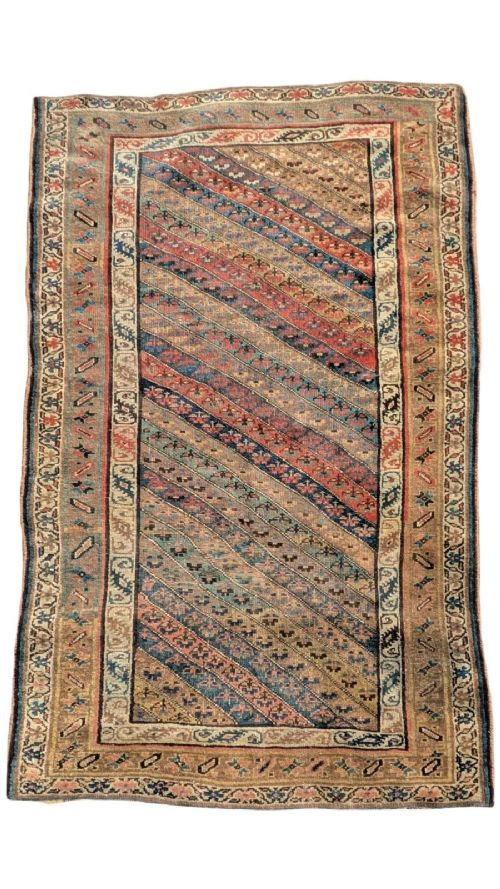
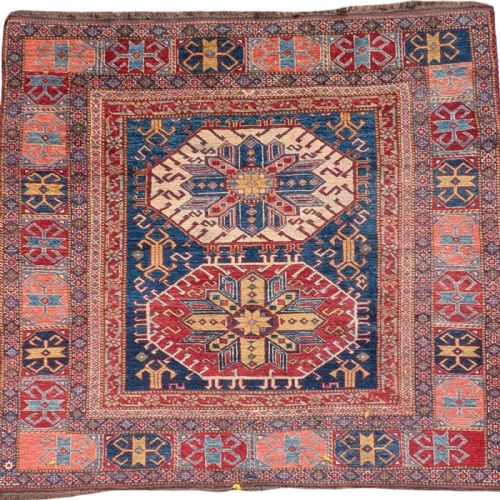
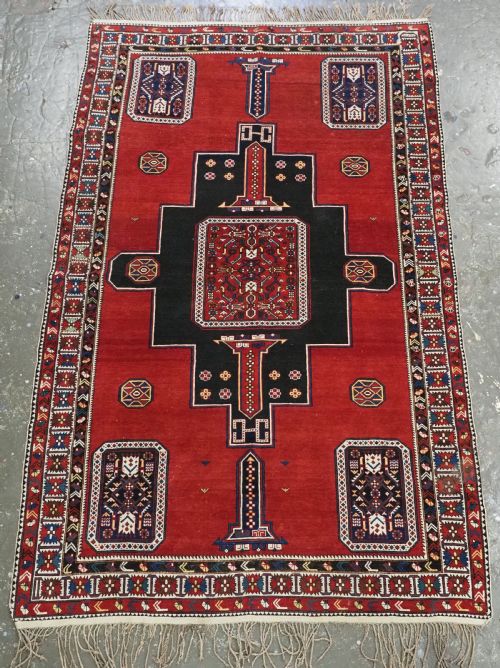
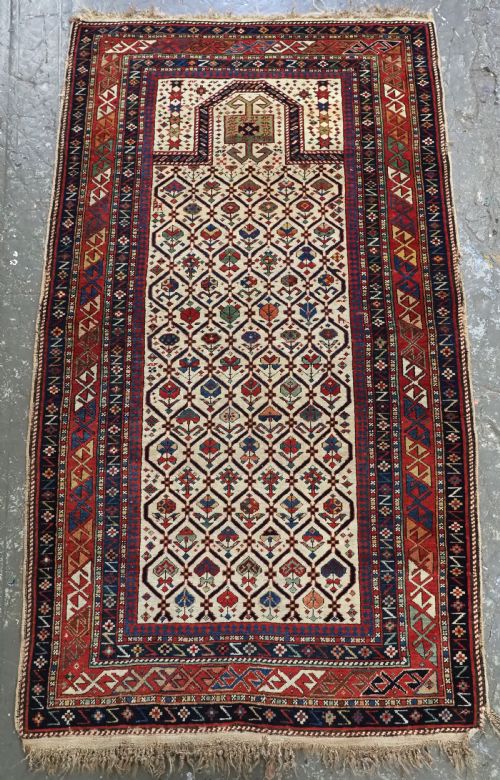
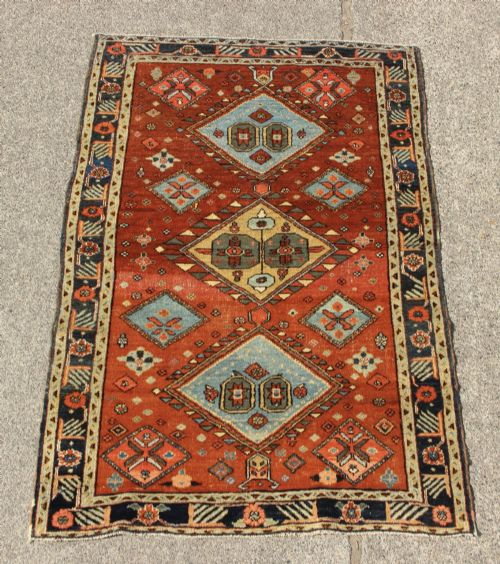
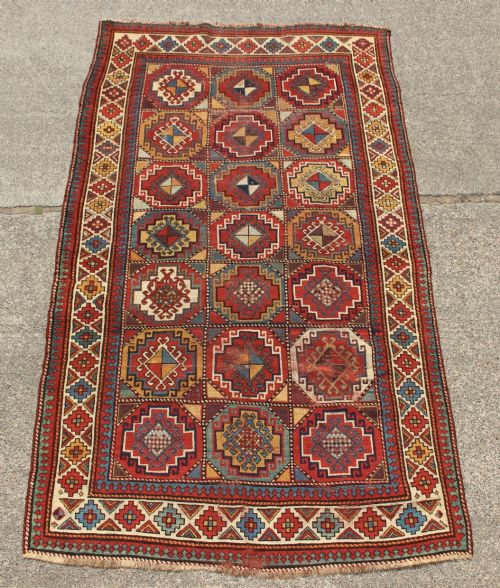
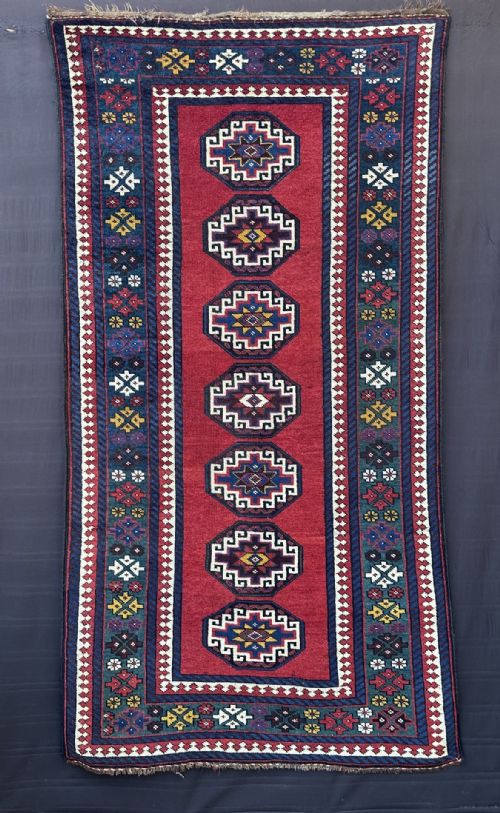
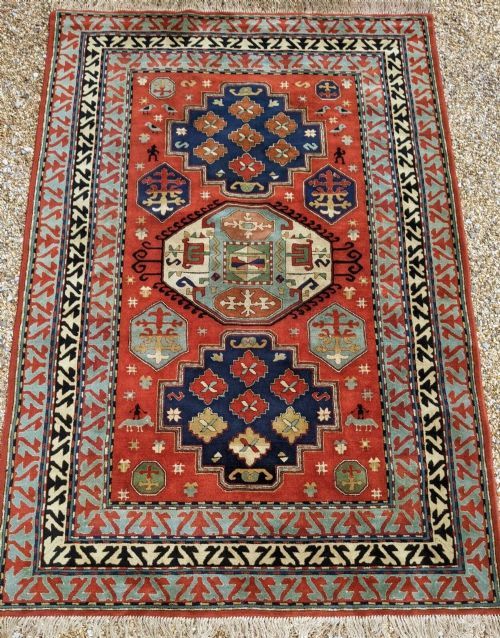
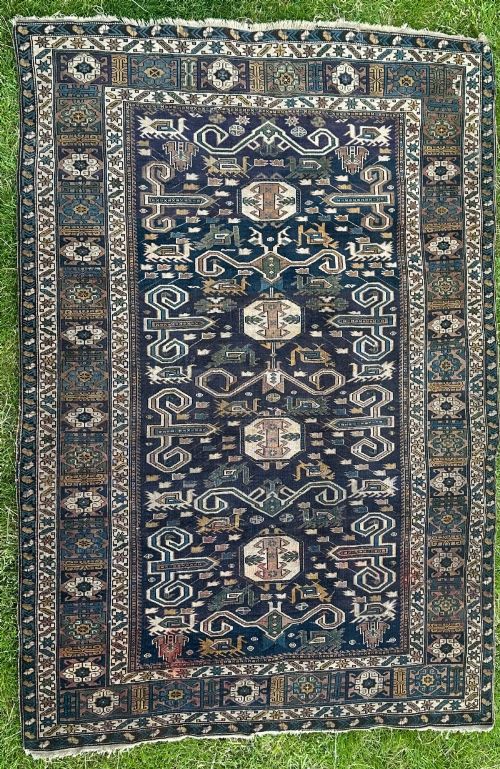
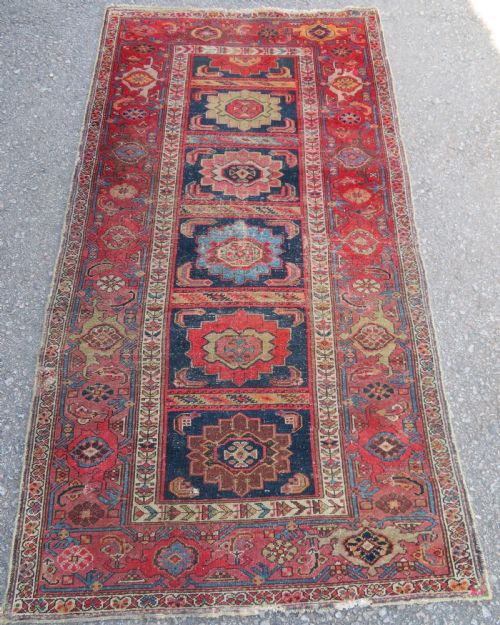
A caucasian tribal area rug brings striking geometric layouts, bold medallions, and rich regional patterns into domestic spaces. When searching for a caucasian tribal area rug, buyers encounter varied formats including runner rugs, prayer rugs, and larger carpets originating from regions such as Shirvan, Kazak, Kuba, and Daghestan.
The selections span from the mid-nineteenth century through to the early decades of the twentieth century, showcasing traditional village weaving practices. Common motifs include cruciform medallions, floral lattices, animal figures, and distinctive star patterns characteristic of Caucasian and Kurdish workshops.
Most examples found here present as floor coverings varying from compact mats to expansive carpets. Their durability stems from traditional hand-knotted construction, making them suited for both high-traffic areas and decorative display.
How they were made
These floor coverings rely on sturdy foundations built from wool and cotton, providing the necessary strength for traditional hand-knotting techniques. Weavers utilised hand-spun wool for the pile, ensuring a resilient surface that withstands daily use.
Colour comes from natural dyes applied to the wool, producing deep, complex tones that mellow gracefully over time. The combination of durable spinning methods and plant-based colourants gives each piece its characteristic handle and longevity.
Caucasian Tribal Area Rug Retail Price Guide 2026
Typical asking prices for caucasian tribal area rug among the pieces listed under this phrase on Sellingantiques today, from the lower quarter to the upper quarter. They describe what is for sale here now, not the wider market.
The listings feature hand-knotted pieces utilising natural dyes and hand-spun wool, dating from the mid-nineteenth century to the early twentieth century.
What varies in quality
Quality in these woven works rests upon the precision of the knotting and the clarity of the geometric design. Tighter structures and more deliberate drawing in the medallions indicate superior craftsmanship by the weaver.
The vibrancy and depth of the natural dyes significantly influence the overall standard of the piece. Finer examples maintain crisp pattern definition and harmonious colour transitions across the field.
The Caucasian Tribal Area Rug Glossary
- Kazak
- A designated style of rug originating from the Caucasus region known for bold geometric layouts and strong primary colours.
- Prayer rug
- A specialised format featuring a distinct niche or mihrab design used traditionally for devotional purposes.
- Kilim
- A flat-woven carpet or rug produced without a pile, created by tightly interweaving warp and weft strands.
- Kelleh
- A long, rectangular format of carpet traditionally suited for specific room proportions.
- Medallion
- A central decorative motif placed in the field of the rug, often repeating geometric or floral themes.
Caucasian Tribal Area Rug: Frequently Asked Questions
Where were these rugs made?
These pieces originate from historical weaving centres across the Caucasus region, including areas such as Shirvan, Kazak, Kuba, and Daghestan.
Local village weavers produced them using traditional techniques passed down through generations.
How do I care for my rug?
Regular gentle vacuuming without a rotating brush helps remove embedded dust and protects the hand-spun wool pile.
Professional cleaning suited for antique textiles preserves the natural dyes and structural integrity over time.
How are different regional styles identified?
Regional styles are distinguished by specific colour palettes, border arrangements, and characteristic geometric motifs.
For instance, Kazak pieces often display bold primary colours and large medallions, whereas Daghestan examples favour intricate lattices and star patterns.