







Antique Eastern Rug
An antique eastern rug brings centuries of tribal and regional artistry directly to your floor through distinct geometric and floral compositions.
Antique Eastern Rug
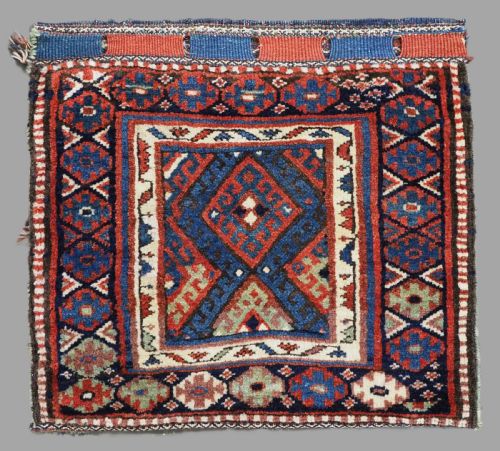
An antique eastern rug encompasses hand-woven floor coverings, flat-weaves, tapestries, and prayer rugs originating from Persian, Caucasian, Anatolian, and Central Asian weaving traditions. When exploring this category, you will frequently encounter tribal pieces from Kurdish, Baluch, and Timuri makers, alongside larger village and town carpets.
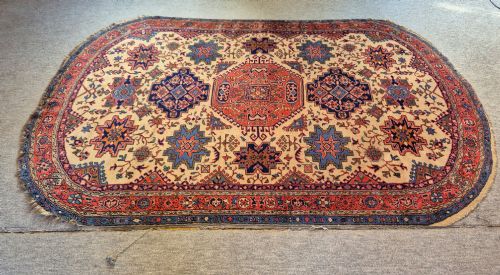
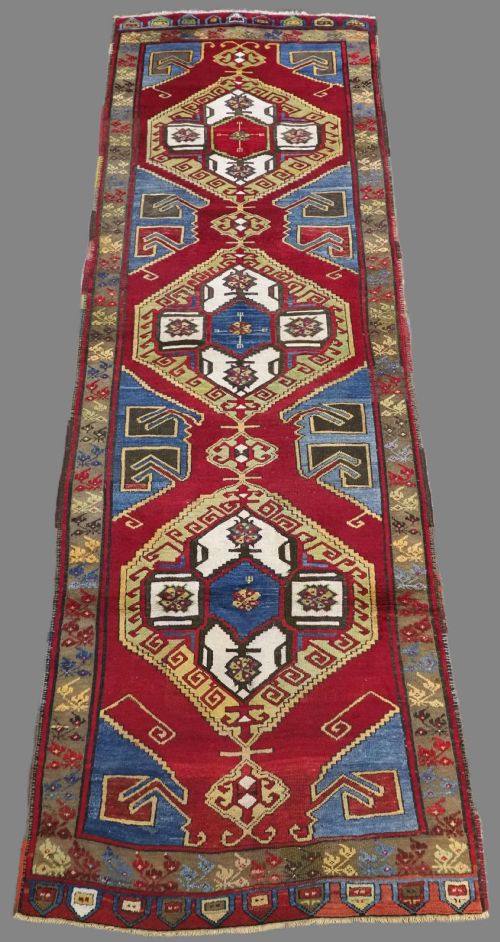
The selection includes diverse regional formats ranging from long runners and square kelims to complete rug bags and palace-size carpets. Pieces span production dates from the nineteenth century through the mid-twentieth century, capturing traditional motifs passed down across generations.
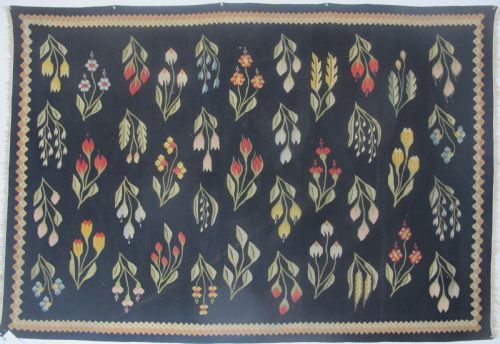
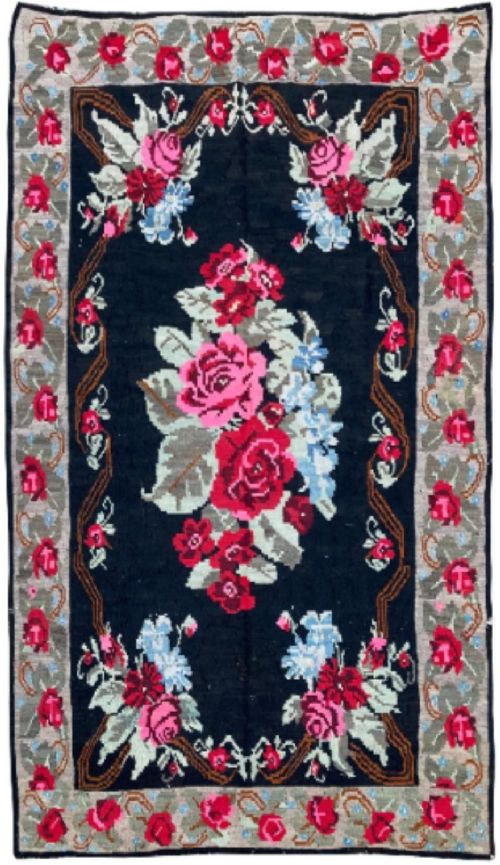
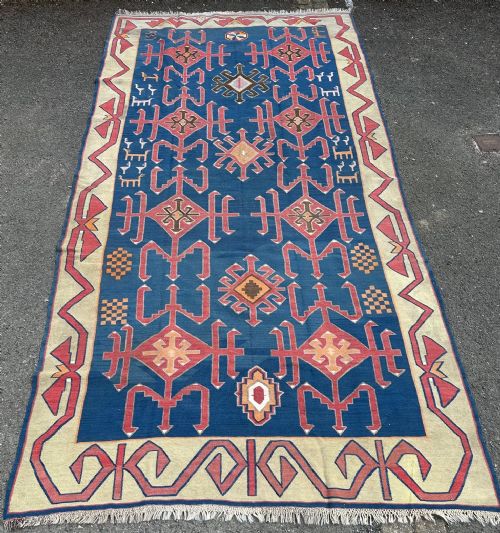
Flat-woven kilims from Bessarabia and the Caucasus appear alongside densely piled knotted carpets from regions such as Kashan, Tabriz, and Shirvan. Each surviving example reflects the specific utilitarian and cultural requirements of the district where it was produced.
Materials and construction methods
Weavers utilised hand-spun wool and cotton for foundations and pile, occasionally incorporating silk and leather elements for specific decorative or structural effects. Natural dyes provided the foundational palette for these textiles, resulting in rich, nuanced tones that developed depth over decades of use.
Construction techniques divide into pile-knotted formats and flat-weave structures such as Soumaks and kilims, where the pattern is created solely through the interweaving of warp and weft threads. Specialised regional formats also feature supplementary embroidery in silk on wool felt or complex tapestry weaves.
Certain antique Baluch and Kurd pieces incorporate small protective amulets and tiny stray tufts of camel hair woven secretly into the borders.
Quality variations in eastern rugs
Quality in these textiles rests upon the precision of the knotting or weaving, the integrity of the structural foundations, and the balance of the overall design composition. Tighter knot density and secure selvedges generally indicate superior durability and greater workshop or tribal skill.
The choice of materials and the stability of the natural dyes significantly influence the longevity and visual cohesion of the piece. Master weavers achieved exceptional harmony in palette and symmetry, distinguishing high-status town carpets from standard utilitarian village work.
Benlian
The Antique Eastern Rug Glossary
- Kilim
- A flat-woven carpet or rug produced without a pile by tightly interweaving warp and weft strands. These textiles serve as floor coverings, wall hangings, and functional storage bags.
- Soumak
- A flat-weave technique utilising a wrapping stitch over the warp threads to create a durable surface with a braided appearance on the face. It originates predominantly from Eastern Caucasus traditions.
- Kelleh
- A large, elongated format of Persian carpet traditionally designed to occupy the major floor space of a room flanked by smaller rugs. These formats display extended central medallion arrangements.
- Prayer Rug
- A compact rug featuring a central mihrab design used by individuals for daily devotional practices. They are portable and frequently exhibit distinct regional tribal symbols.
Antique Eastern Rug: Frequently Asked Questions
How do I identify a prayer rug?
Prayer rugs feature a distinct architectural niche or arch known as a mihrab at one or both ends of the field. This central design element points the worshipper during daily devotions and distinguishes these formats from standard room carpets.
They are typically smaller in scale to allow for portability and personal use within domestic spaces. Many examples incorporate floral vases, lamps, or symbolic amulets within or surrounding the arch.
What is the difference between a kilim and a rug?
A kilim is a flat-weave textile constructed without any raised pile by interweaving coloured weft threads tightly across the warp. This technique creates a smooth, reversible surface that functions well for both floor placement and wall display.
In contrast, a standard rug or carpet involves knotting individual tufts of wool or silk onto the foundation threads to produce a dense, plush pile. Piled carpets generally offer greater warmth underfoot and absorb more sound within a room.
Where were tribal rugs made?
Tribal rugs were produced by nomadic and semi-nomadic groups inhabiting the borderlands and rural districts of Persia, the Caucasus, Anatolia, and Central Asia. Communities such as the Baluch, Kurds, and Timuri tribes wove these textiles during seasonal migrations or in permanent encampments.
Their creations utilise readily available materials like hand-spun wool and rely on geometric patterns passed down through family lineages. Each tribal group expressed their distinct heritage through specific border arrangements and colour combinations.
How should I care for an antique eastern rug?
Regular, gentle vacuuming without a rotating brush roll prevents dust accumulation within the wool pile or flat-weave structure. Keeping the textile out of direct, harsh sunlight protects the natural dyes from premature fading over time.
Professional cleaning tailored to antique textiles is recommended every few years to preserve the integrity of the natural fibres. Promptly attending to spills by blotting with a clean, dry cloth prevents moisture damage to cotton foundations.