





Cast Bronze Relief
A cast bronze relief brings substantial weight and tactile depth to a wall or cabinet, capturing figures and ornament in enduring metal.
Cast Bronze Relief
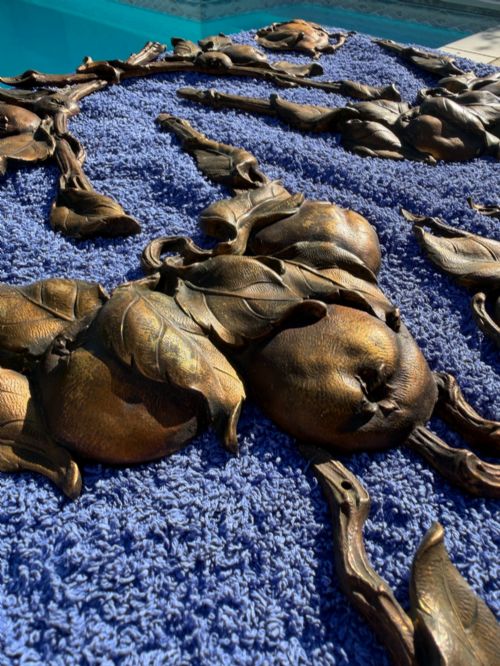
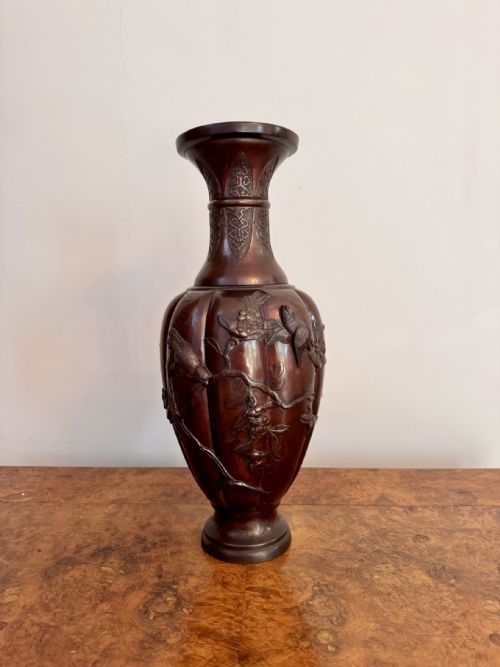
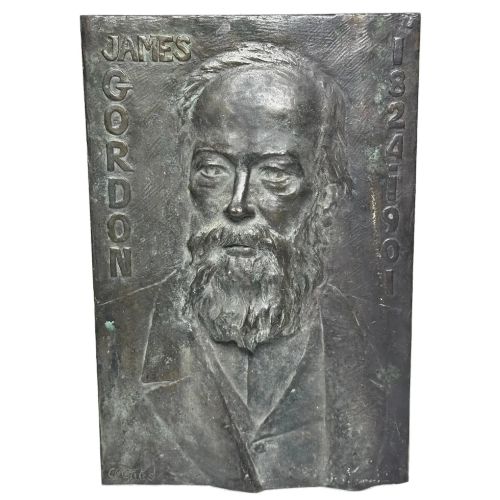
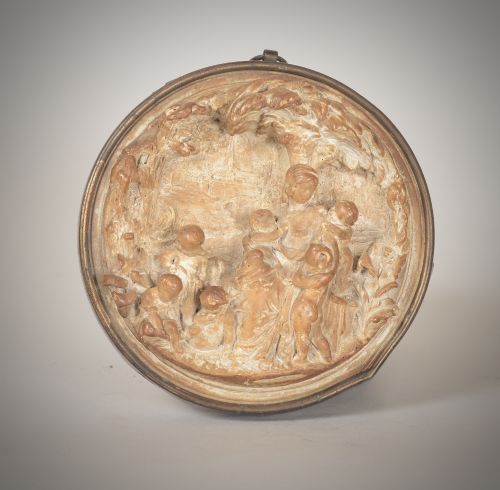
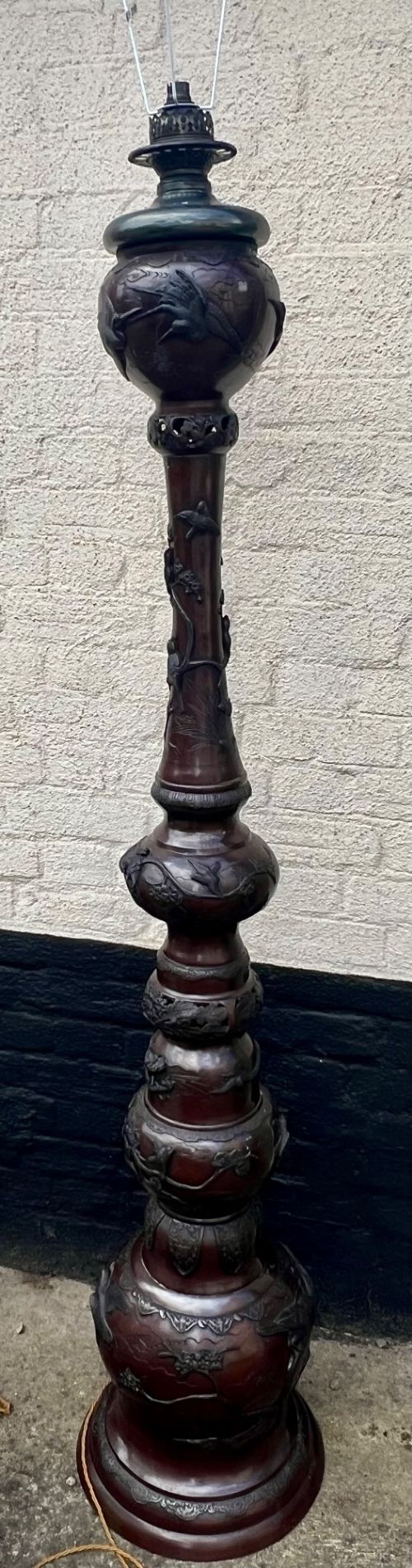
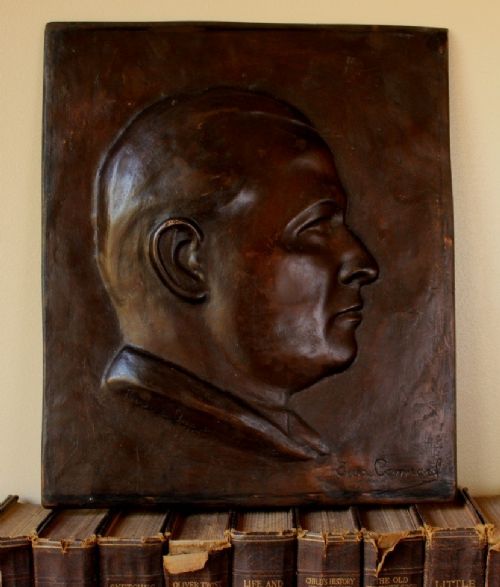
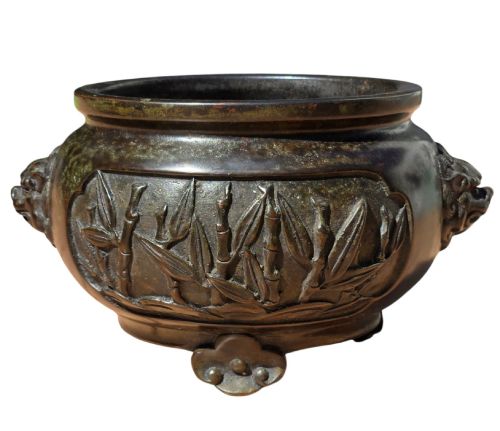
A cast bronze relief takes the form of wall plaques, portrait medallions, decorative panels, and armorial crests originating primarily across the nineteenth century. These objects record the sculptural tastes of the Victorian era, the Grand Tour, and Japanese Meiji period workshops.
The versions most frequently met on this page include framed portrait plaques, heraldic crests, and architectural appliques cast in bronze, patinated bronze, and occasionally cast iron. They range from small tabletop plaques to large monumental wall pieces.
Makers and foundries utilised traditional casting methods to produce these figurative and decorative panels, which served as commemoratives, interior ornaments, and scholarly furnishings.
Materials and casting techniques
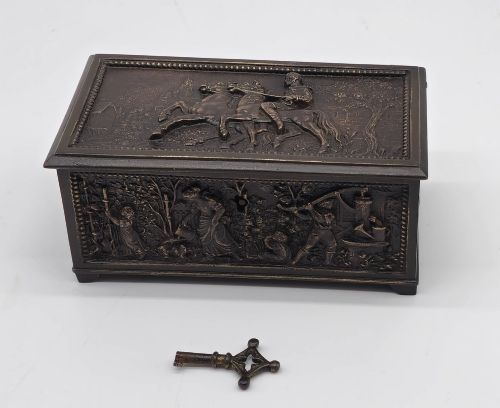
Makers relied primarily on bronze, brass, and patinated metal, poured into moulds to create sharp surface details and raised pictorial elements. The casting process allowed intricate scenes, such as portraits and heraldic symbols, to stand out in high relief from the background plate.
Surface treatments such as chemical patination, gilding, and silver plating were applied after casting to alter the tone and protect the metal. These finishes interact with light, accentuating the depth and modelling of the cast design.
Listings feature nineteenth-century cast bronze, brass, and patinated metal reliefs alongside cast iron portrait plaques.
Judging the depth and finish
Quality rests in the crispness of the casting and the precision of the chasing work done after the metal cooled. Finer pieces retain sharp details in hair, drapery, and lettering, whereas weaker examples show blurred edges and smoothed-over surfaces.
The depth of the relief and the sophistication of the patination separate standard commercial castings from exceptional signed or attributed works. A well-executed patination adds naturalistic tone and contrast to the figural elements.
Poix Blin·Alice Gates·Eugene Canneel·Kibundo
The Cast Bronze Relief Glossary
- Patination
- The surface colour and texture developed naturally over time or applied chemically by the maker. It protects the metal and defines the shadows in a relief.
- Chasing
- The manual finishing process using small hammers and punches to sharpen details on a cast metal surface. It separates high-grade work from raw factory output.
- Applique
- A decorative metal ornament designed to be affixed to furniture, panels, or walls. These elements are frequently cast in relief.
- Grand Tour
- The nineteenth-century practice of travelling through Europe collecting classical antiquities and souvenirs. Many bronze plaques and reliefs date from this context.
Cast Bronze Relief: Frequently Asked Questions
How do I hang a heavy cast bronze relief?
A heavy cast bronze relief requires secure wall fixings suited to the weight of the metal. Ensure screws are anchored directly into wall studs or heavy-duty wall plugs.
Avoid relying on standard picture wire for substantial pieces. Many plaques feature integrated mounting holes or sturdy rear brackets designed specifically for safe hanging.
How can I tell a nineteenth-century relief from a later copy?
Examine the rear of the plaque for casting marks, threaded posts, or mounting lugs appropriate to nineteenth-century production methods. Modern reproductions often feature uniform machine tooling or simplified back surfaces.
Look closely at the quality of the chasing and the stability of the patination. Period pieces display natural wear patterns and chemical patinas that resist easy imitation.
Where were these wall plaques displayed historically?
Interior spaces during the Victorian period and the Grand Tour era frequently featured bronze reliefs mounted on wood panels or displayed directly on library walls. They served as scholarly decorations or commemorative portraits.
Collectors also incorporated them into furniture fronts, desk sets, and architectural woodwork. Their durable material made them suitable for both domestic interiors and public offices.