


Cast Brass Andirons
Cast brass andirons bring functional warmth and polished period character to a hearth.

What these pieces are
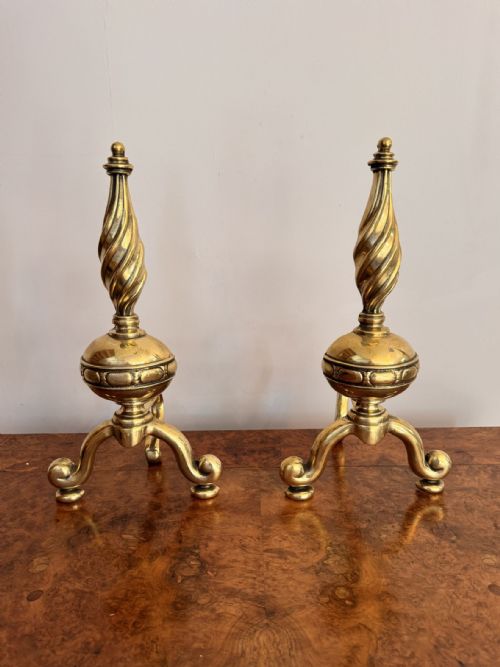
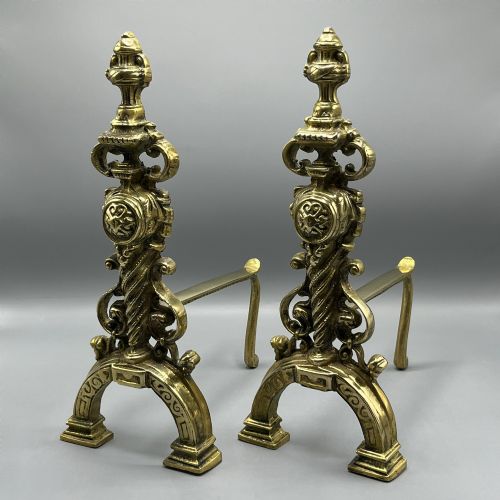
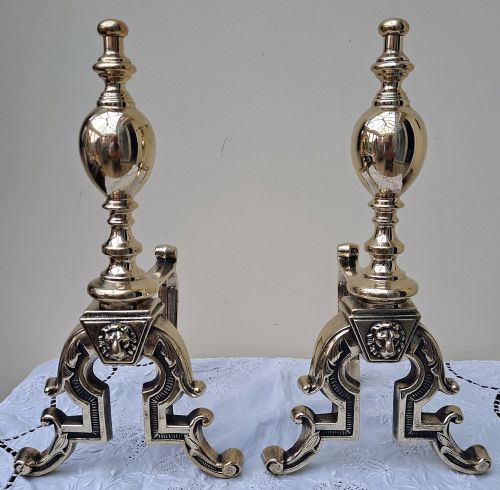
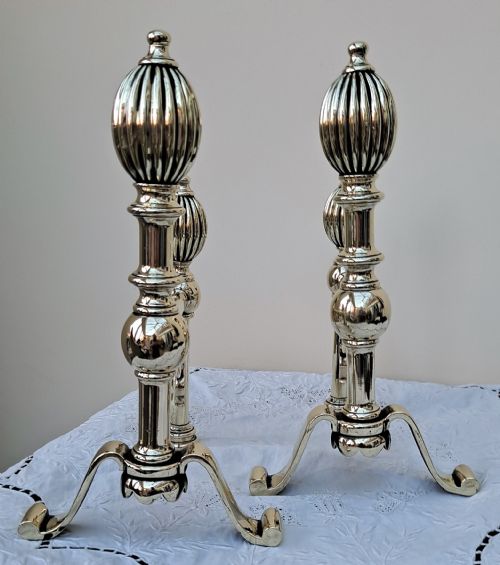
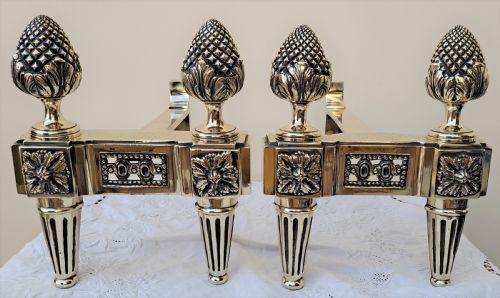
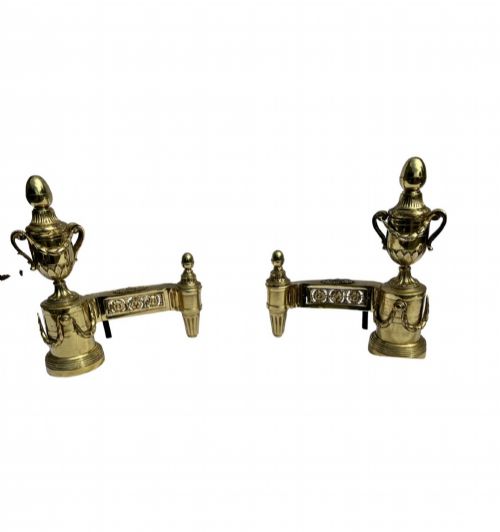
Cast brass andirons form the structural supports for logs within an open hearth, combining utility with decorative presence. Buyers searching for cast brass andirons encounter robust fireplace accessories originating from the nineteenth century, including Victorian examples and items from around eighteen-eighty.
How they were made
Maker's workshops utilised traditional casting methods to shape molten brass and iron into structural and decorative components. Skilled metalworkers produced substantial forms, employing techniques that allowed for intricate surface detail alongside sturdy load-bearing shafts.
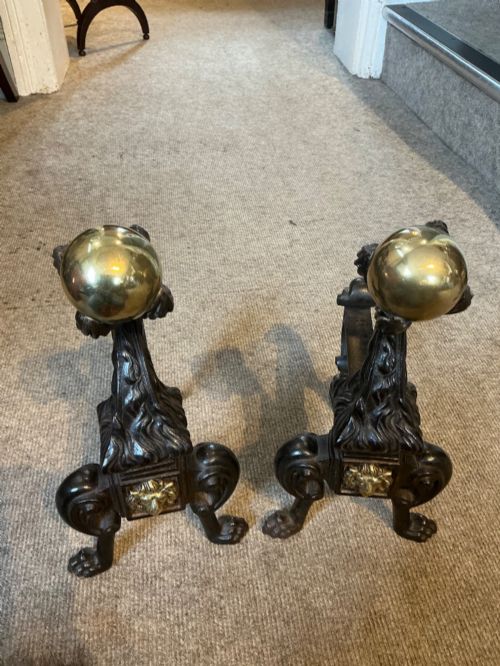
Makers combined cast brass elements with iron frames to ensure durability under the intense heat of an open fire. Surfaces often received careful finishing and polishing to highlight the warm metallic lustre.
Retail Price Guide 2026
Typical UK retail prices for cast brass andirons, calculated from the Sellingantiques database of over a million retail prices indexed since 2003. This retail price guide relies exclusively on Sellingantiques data; no external sources or auction records are used, so the figures do not describe the wider market.
Some nineteenth-century hearth dogs take the form of Egyptian sphinxes, bringing unexpected mythological drama to the living room carpet.
What varies in quality
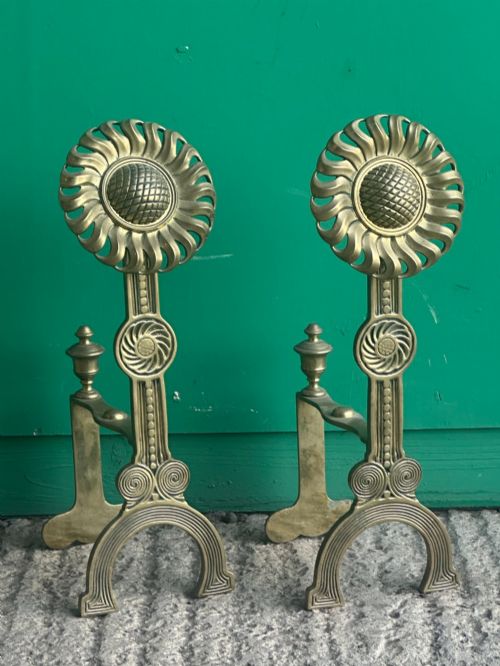
Quality rests in the weight of the metal and the crispness of the cast decoration rather than mere surface shine. Finer examples display deeper relief work and more ambitious decorative motifs, such as sunflower designs associated with aesthetic movement makers.
Substantial weight and solid construction separate standard production items from truly exceptional pairs. The integration of materials, where brass ornamentation meets sturdy iron shafts, dictates the overall integrity of the piece.
The Cast Brass Andirons Glossary
- Andiron
- A metal support for holding wood in an open fireplace. Also known historically as a fire dog.
- Cast brass
- Molten brass poured into a mould to create complex three-dimensional decorative objects. This technique allows for repeating detailed patterns.
- Aesthetic movement
- A late nineteenth-century design style emphasising visual beauty over narrative content. Sunflower motifs often appear within this context.
- Fire dog
- An alternative term for an andiron. The name derives from early forms that sometimes featured canine ornamentation.
Frequently Asked Questions
How do I use andirons?
Andirons sit inside the fireplace hearth to support logs above the floor, allowing air to circulate beneath the fire for better burning.
They serve as the physical bookends for your firewood while framing the open hearth as a focal point.
Were these made of solid brass?
Many examples combine cast brass decorative fronts with sturdy iron structural shafts to withstand high temperatures.
This mixed construction provided both aesthetic appeal and the necessary strength for holding heavy timber.
How do I date an andiron?
Dating relies on stylistic clues, manufacturing techniques, and historical design movements such as the Victorian era or aesthetic movement.
Evidence from nineteenth-century pieces shows specific decorative motifs and casting methods distinct to that period.
Do andirons come in pairs?
Yes, these fireplace accessories were manufactured and sold as matched pairs to balance logs evenly across the hearth.
Each pair shares identical casting patterns and proportions to maintain visual symmetry in the fireplace.