

Cased Spoon Set
A cased spoon set brings together matched silver flatware and fitted presentation boxes, offering both practical service and decorative display.
Cased Spoon Set
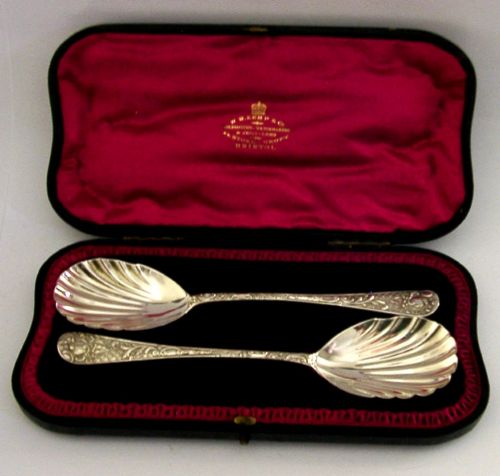
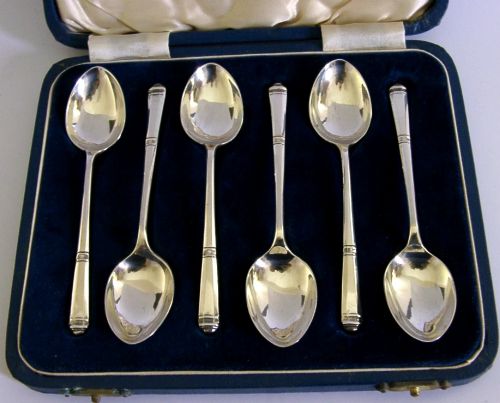
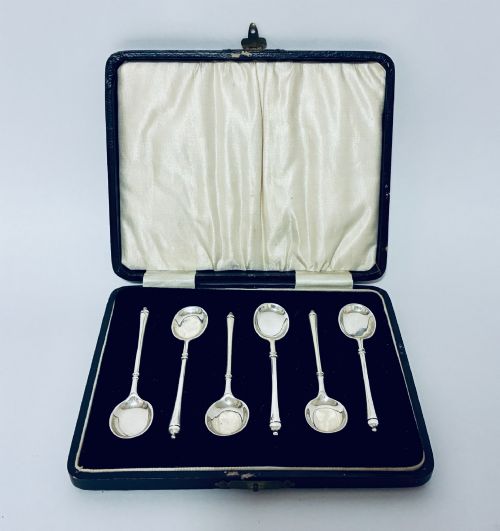
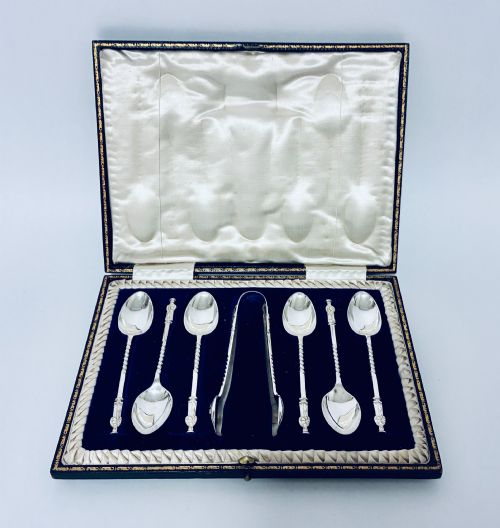
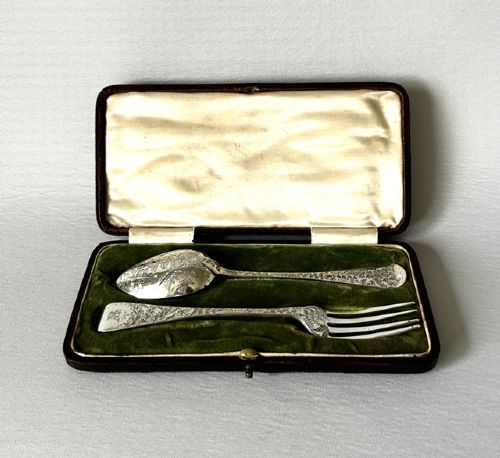
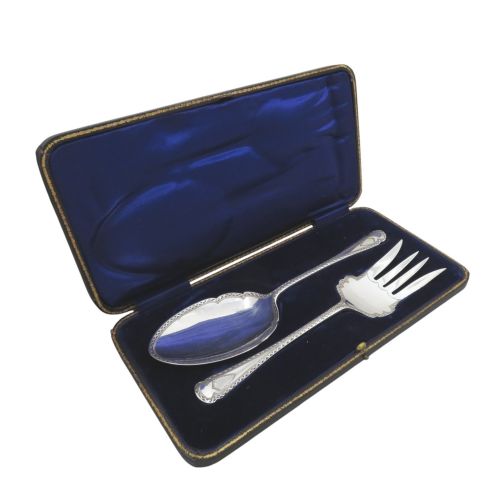
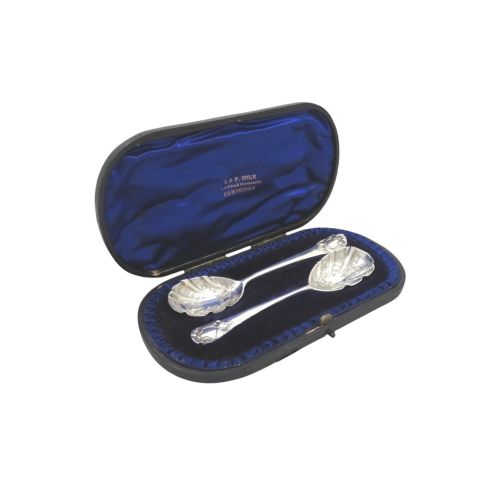
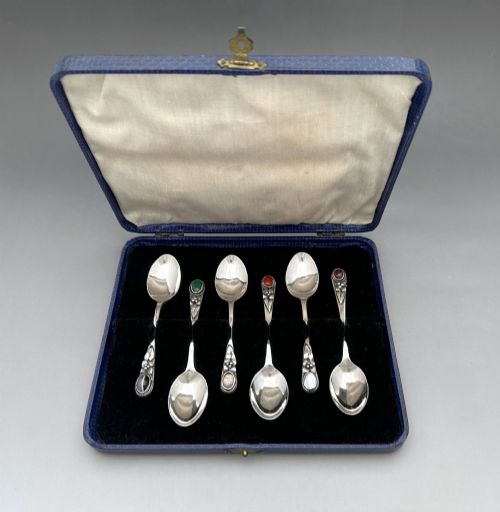
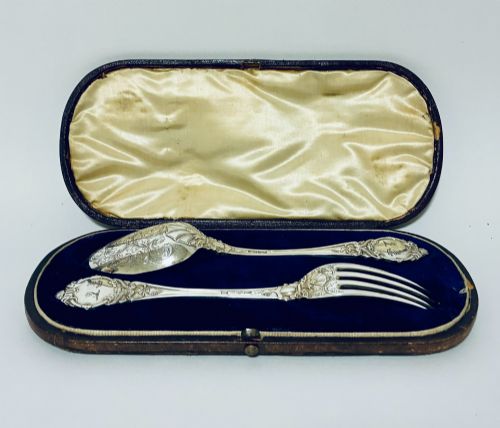
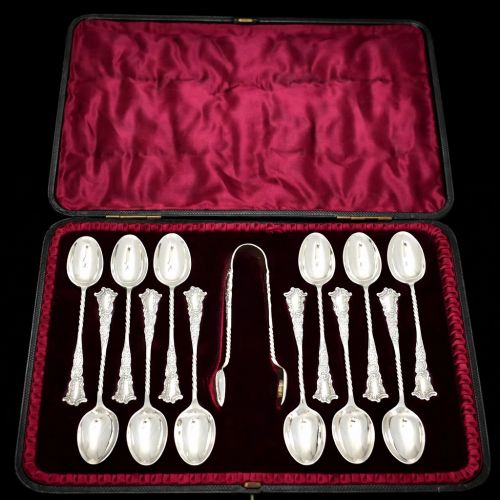
A cased spoon set comprises matched collections of silverware housed within dedicated presentation boxes lined with protective fabrics. Buyers exploring this category encounter everything from individual christening pieces to complete sets of six or twelve teaspoons accompanied by tongs.
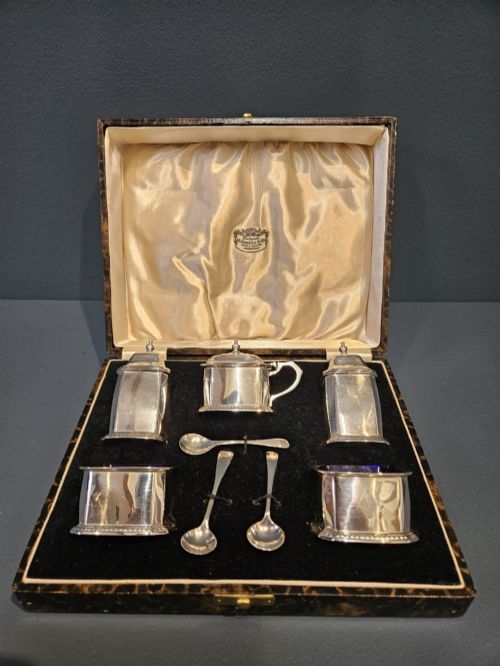
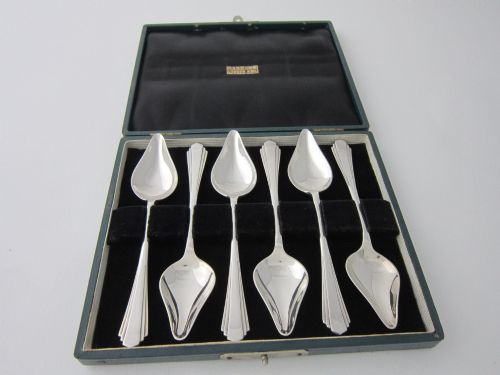
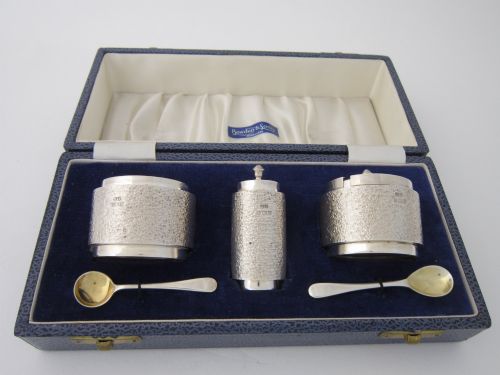
The selections span distinct periods ranging from Victorian and Edwardian craftsmanship to Art Deco and Mid-Century Modern designs. Alongside standard teaspoons, configurations frequently include coffee spoons, fruit servers, berry spoons, and condiment sets.
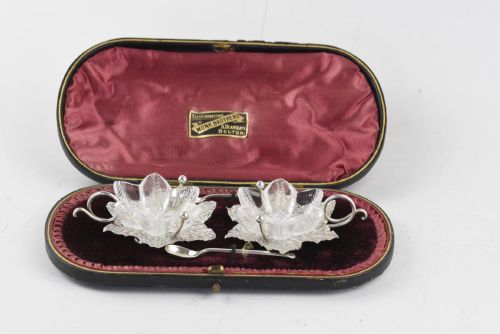
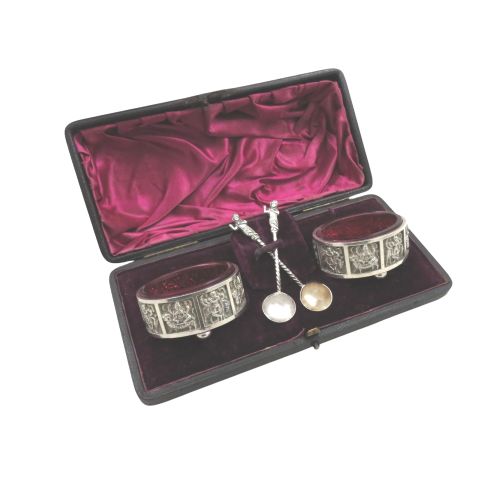
Presentation cases vary considerably in form, accommodating specialised items like butter knives, sugar sifters, and salt cellars with glass liners. These sets were originally intended for gifting on momentous occasions such as weddings, christenings, and anniversaries.
How They Were Made
Silversmiths shaped these pieces using solid sterling silver or silver-gilt, often employing intricate techniques such as guilloche enamel and hand engraving. Handles frequently feature decorative motifs, cast floral elements, or semi-precious stone settings.
Presentation boxes were constructed from wood and covered in durable exterior materials like leather or textured leatherette. Interiors were meticulously fitted with plush linings made from velvet, silk, satin, or soft cloth to cushion the silver securely.
Card suits, Hindu deities, and leaping reindeer all make unexpected appearances engraved or enamelled onto the miniature bowls of these collections.
What Varies in Quality
Distinction across the range lies in the complexity of the silversmith's work, from plain handles to elaborately cast deities, floral motifs, or multi-coloured enamel. The artistry of the maker and the depth of the hand engraving set superior examples apart.
The integrity and preservation of the presentation case also determine overall desirability, particularly when original satin and velvet linings remain intact alongside functional clasps and hinges.
Goldsmiths & Silversmiths·Henry Clifford Davis·Walker & Hall·Josiah Williams & Co·Turner & Simpson·David Andersen·Roberts & Belk·Wakely & Wheeler
The Cased Spoon Set Glossary
- Sterling Silver
- An alloy consisting of 92.5 percent silver by mass, with the remainder composed of copper or other metals to increase durability. This standard metal forms the foundation of most collectible flatware.
- Guilloche Enamel
- A decorative technique where a precise, intricate pattern is mechanically engraved beneath a translucent layer of coloured enamel. It appears frequently on twentieth-century coffee and tea spoons.
- Silver-Gilt
- Sterling silver that has been coated with a thin layer of gold on its surface, sometimes referred to as vermeil. This treatment provides a rich, warm golden hue to the interior bowls or entire bodies of spoons.
- Cruet Set
- A matched collection of small containers and spoons designed for holding condiments such as salt, pepper, and mustard at the dining table. These sets often incorporate fitted glass liners.
- Apostle Spoon
- A traditional spoon featuring the figure of an apostle or saint cast at the terminal of the handle. Complete sets or single examples were historically given as christening presents.
Cased Spoon Set: Frequently Asked Questions
What are cased spoon sets used for?
These sets served both functional dining purposes and ceremonial gift-giving for milestones like weddings and christenings.
They provided households with coordinated silverware ready for serving tea, coffee, fruit, and condiments during formal gatherings.
How do I care for cased silver?
Keep the silver stored inside its original fitted box away from direct sunlight and excessive humidity.
Minimise tarnishing by handling the pieces gently and using appropriate silver cleaning cloths only when strictly necessary.
How are different periods identified?
Maker marks, town marks, and date letters stamped directly onto the silver indicate the exact assay office and year of manufacture.
Stylistic indicators such as Victorian engraving, Edwardian flourishes, or Art Deco enamel work also signal the era of production.
Why do some spoons include glass liners?
Glass liners protected the sterling silver from corrosive food substances, particularly salt and mustard.
These removable inserts allowed users to clean the vessels easily without risking damage to the surrounding metal work.