


Carved Wooden Storage Trunk
A carved wooden storage trunk holds centuries of domestic history, offering generous proportions and robust joinery for modern interiors.
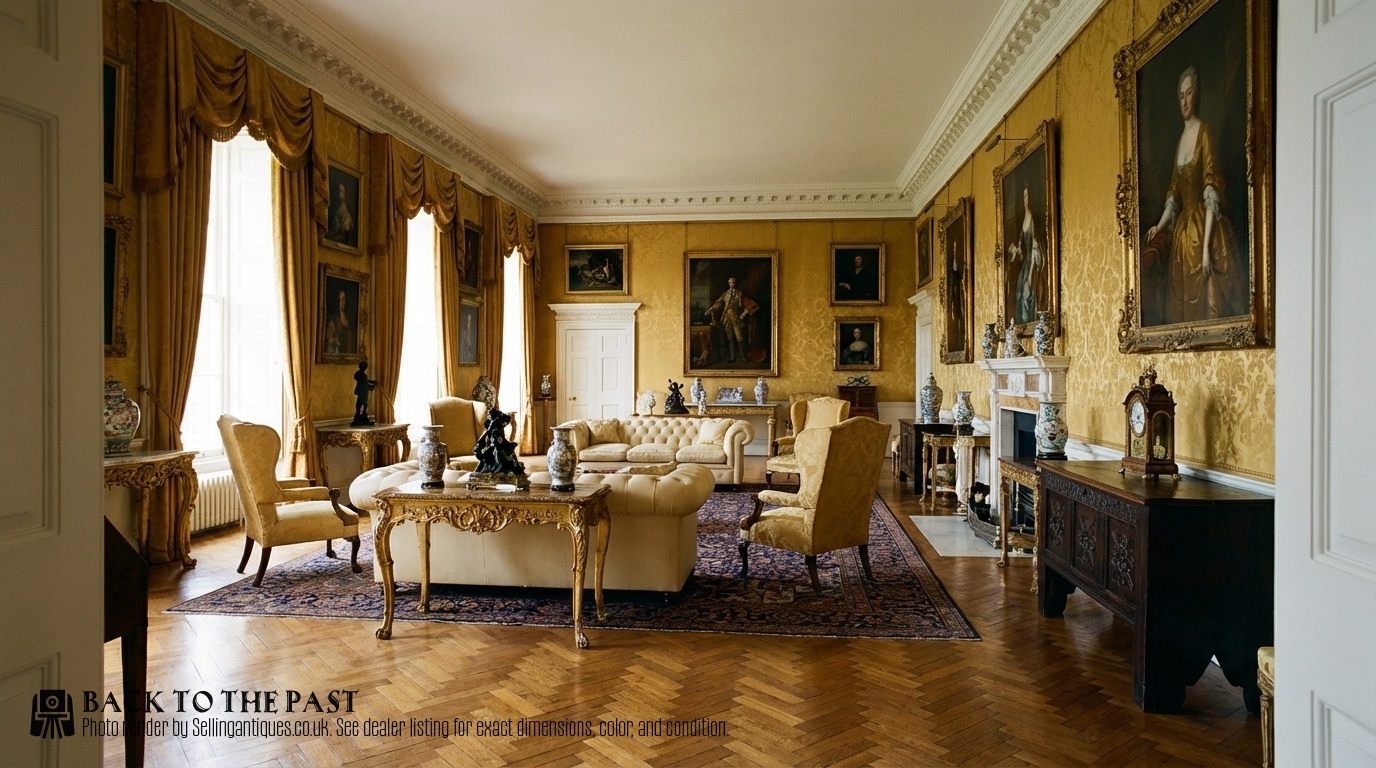
Carved Wooden Storage Trunk
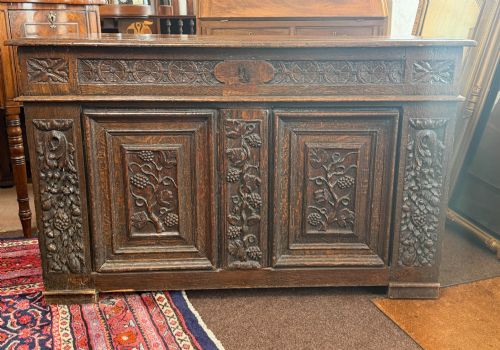
A carved wooden storage trunk encompasses heavy timber coffers, blanket chests, and dowry boxes spanning from the sixteenth century through the early twentieth century. Buyers seeking this phrase encounter sturdy receptacles originally designed to secure linen, valuables, and household provisions against damp and theft.
Oak forms the predominant timber across these listings, appearing alongside elm, teak, mahogany, cypress, and hardwood. Examples range from vernacular provincial pieces to elaborately carved joined constructions bearing regional stylistic traits.
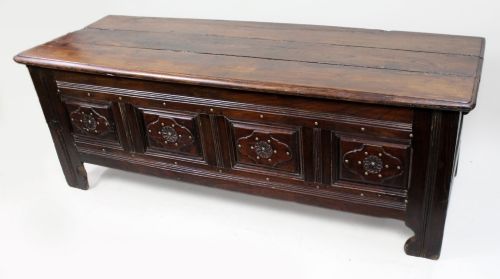
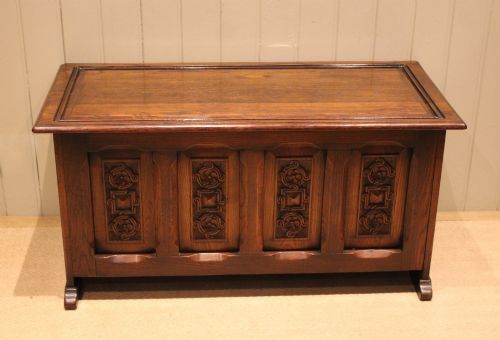
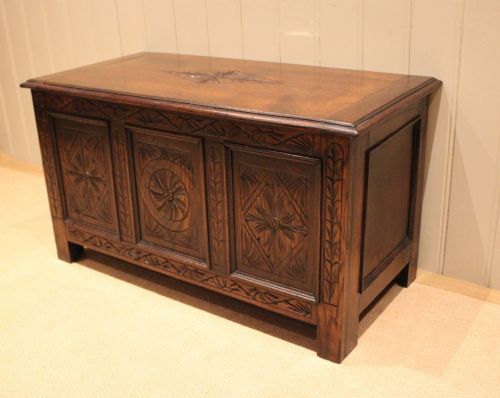
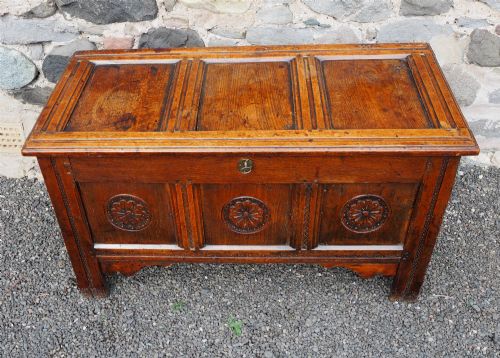
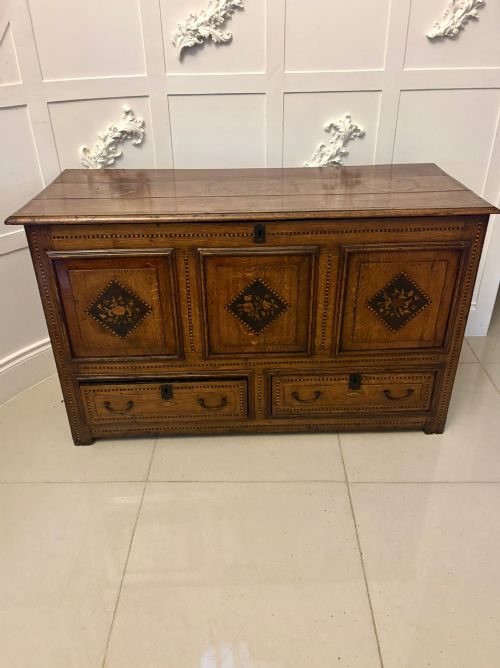
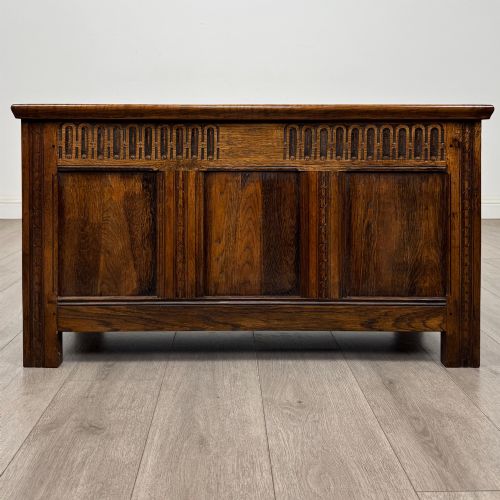
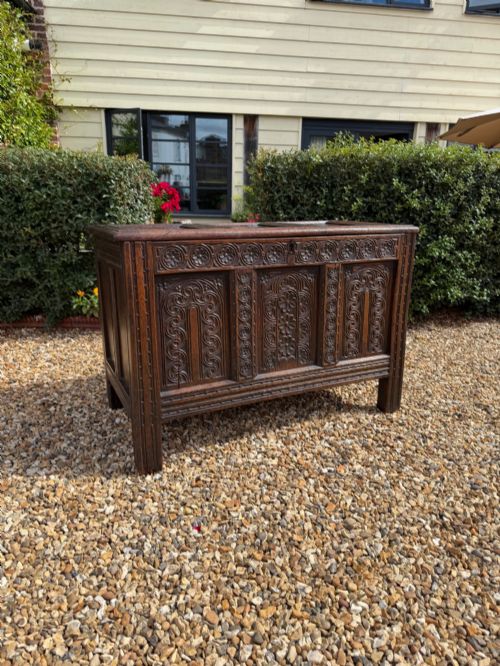
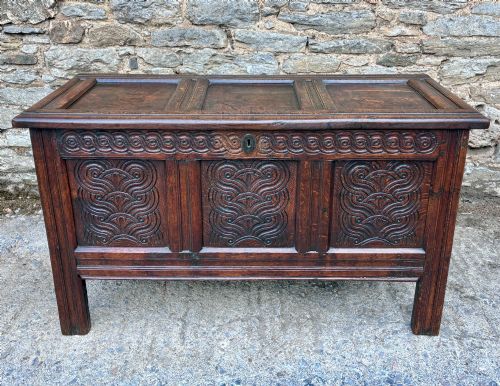
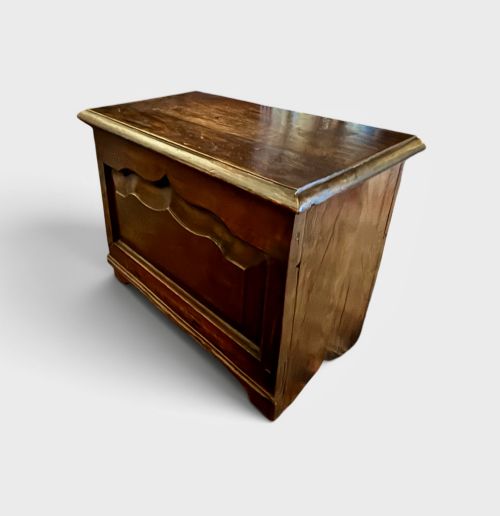
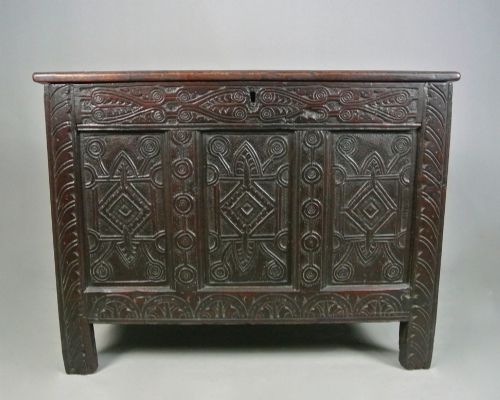
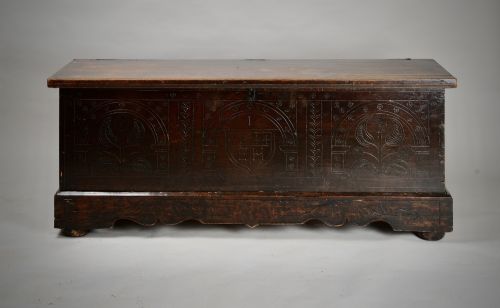
The version most commonly met on this page is the seventeenth or eighteenth century oak coffer, featuring panelled construction and carved geometric or floral motifs. Later interpretations include Edwardian adaptations, Arts and Crafts designs, and imported trunks with marquetry inlay or metal mounts.
How they were made
Joinery techniques define these pieces, utilising traditional mortise and tenon frames fitted with floating panels to accommodate seasonal wood movement. Timber was typically cleft or sawn from locally felled trees, then hand-planed and assembled with pegged joints rather than modern fasteners.
Carving was executed by hand using gouges and chisels directly onto the solid wood surface, creating relief patterns such as lunettes, scrolling foliage, and strapwork. Iron hinges, locks, and brass or iron straps frequently reinforce the structure, securing heavy lids to base boxes.
Regional styles span French Provincial, Jacobean, Tudor, Gothic, and Portuguese Colonial traditions.
What varies in quality
Construction depth and timber selection separate regional vernacular chests from master-carved urban commissions. The thickness of the oak boards, the crispness of the hand-carved relief, and the integrity of the original joined frame dictate the substantive rank of an individual trunk.
Surface preservation and structural honesty determine longevity, distinguishing untouched historic patination from heavy later restoration. Retaining original ironwork, floorboards, and hinges elevates the historical coherence of the piece.
The Carved Wooden Storage Trunk Glossary
- Coffer
- A large wooden chest used historically for storing valuables, plate, or documents. These heavy receptacles frequently doubled as benches within domestic halls.
- Mule chest
- A storage chest featuring one or more drawers built into the base beneath the main compartment. This hybrid form emerged as domestic storage needs evolved during the seventeenth and eighteenth centuries.
- Joined oak
- Furniture constructed using interlocking mortise and tenon joints secured by wooden pins. This method preceded the widespread adoption of nailed or screwed carcases.
- Marquetry inlay
- Decorative patterns formed by fitting contrasting veneers or solid wood pieces into prepared recesses within the surface timber. This technique appears on select seventeenth-century and revival pieces.
- Strapwork
- Carved ornamental bands resembling interlaced leather straps or scrolls. It is frequently seen on Jacobean and Elizabethan panels.
Carved Wooden Storage Trunk: Frequently Asked Questions
How were carved wooden storage trunks used historically?
These trunks served as secure repositories for household textiles, church plate, charters, and personal wealth. In medieval and early modern households, they functioned simultaneously as storage, seating, and tables.
Travellers also utilised robust chests for transporting belongings on horseback or carriages. Their heavy timber construction provided protection against moisture and pilfering before fitted wardrobes became common.
How do I live with a carved wooden storage trunk?
Place the trunk away from direct heat sources and strong sunlight to prevent the timber from splitting or warping. Maintain stable room humidity to preserve the historic wood and its surface finish.
Position the piece at the foot of a bed, beneath a window, or as a coffee table in a living space. The interior compartment provides practical storage for blankets, cushions, or bulky items.
How do I tell seventeenth century oak from later revival pieces?
Examine the tool marks, timber shrinkage, and method of joinery visible on the interior and underside. Period pieces display hand- cleft boards, irregular peg placement, and natural oxidation accumulated over centuries.
Revival furniture from the nineteenth or twentieth centuries often exhibits uniform machine-sawn dimensions and cleaner, sharper internal angles. Contemporary lock mechanisms or modern screw fixings also indicate later manufacture.
What is the difference between a coffer and a blanket box?
A coffer typically denotes a heavy, joined oak chest from the sixteenth or seventeenth century constructed with heavy framing and panels. These pieces possess deep historical roots and architectural carved decoration.
Blanket box is a general term often applied to lighter or later domestic chests intended specifically for linen storage. These later versions frequently date from the eighteenth century onwards and feature simpler board construction.