


Early English Oak Trunk
An early english oak trunk brings centuries of history into a room, offering robust storage built from sturdy native timber.
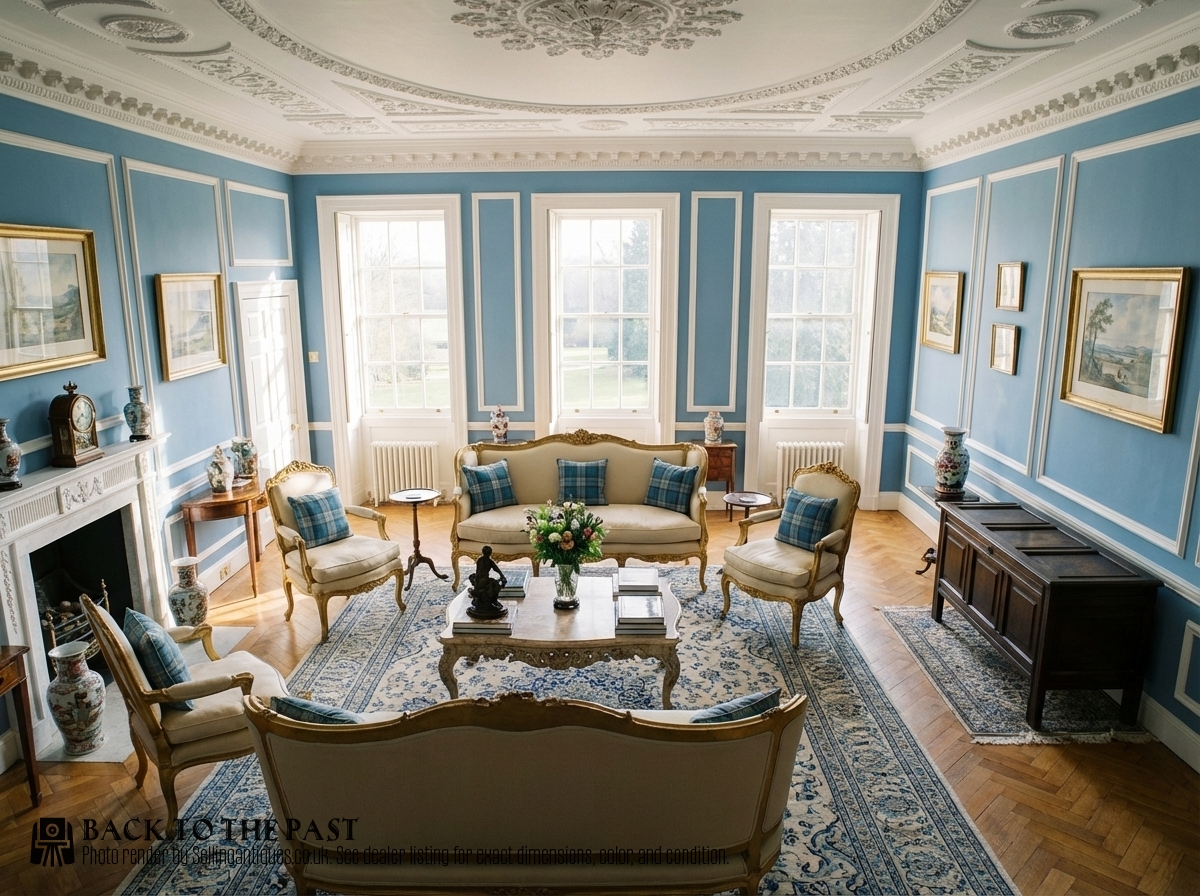
Early English Oak Trunk
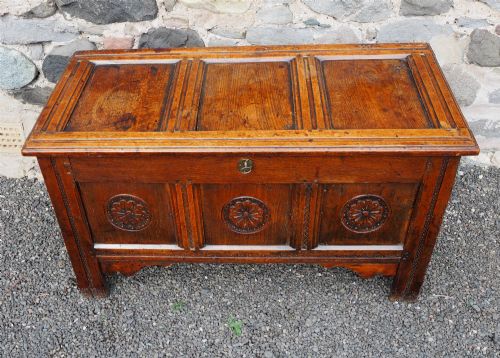
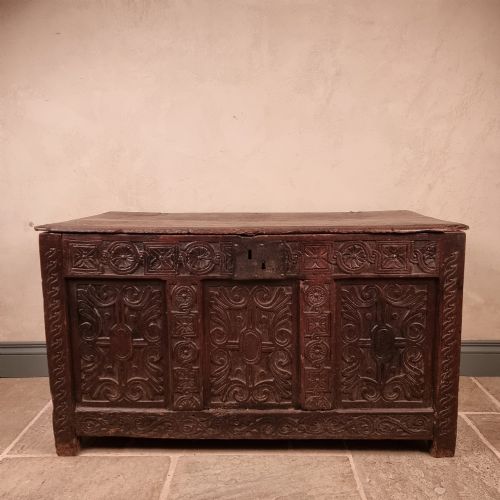
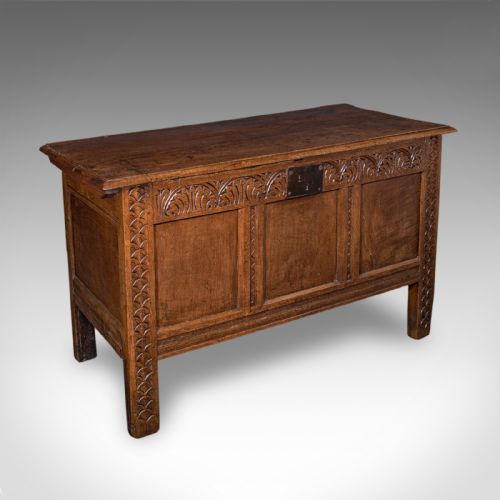
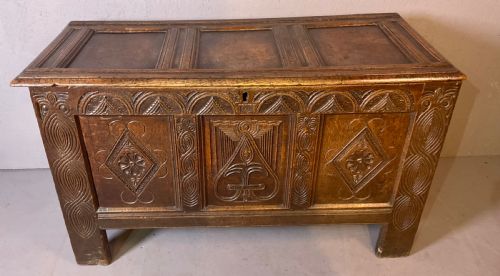
An early english oak trunk is a foundational piece of antique furniture, appearing on this page primarily as coffers, blanket boxes, and storage chests dating from the sixteenth to the eighteenth century. You will most frequently encounter seventeenth-century panelled examples alongside sixteenth-century joined pieces and early Georgian alternatives from around 1720.
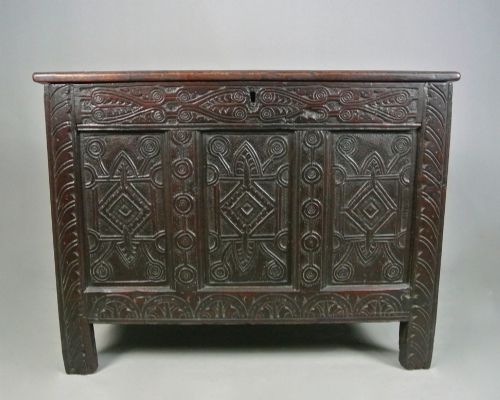
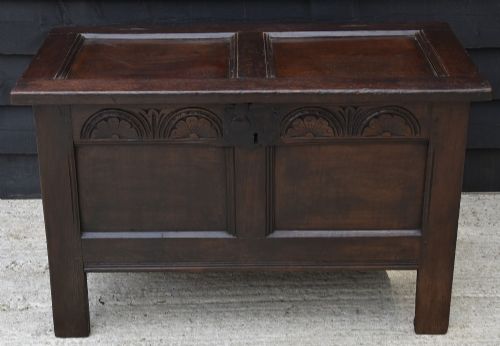
These items served domestic and security functions, holding household textiles, valuables, or documents in everyday settings. The selection includes simpler five-plank and six-plank constructions alongside highly decorated formats featuring carved panels or arcading.
Materials and construction methods
Makers utilised native oak for the primary carcass and panels, selecting dense timber for durability and strength. This heavy wood was joined using traditional framing techniques and pegged joints.
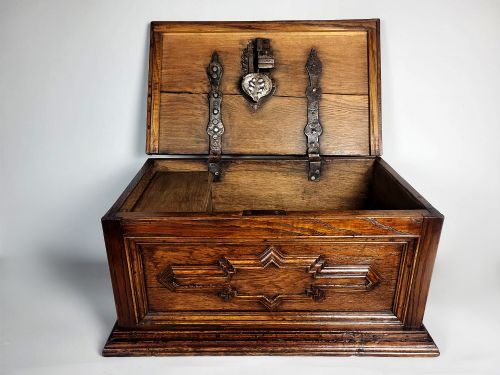
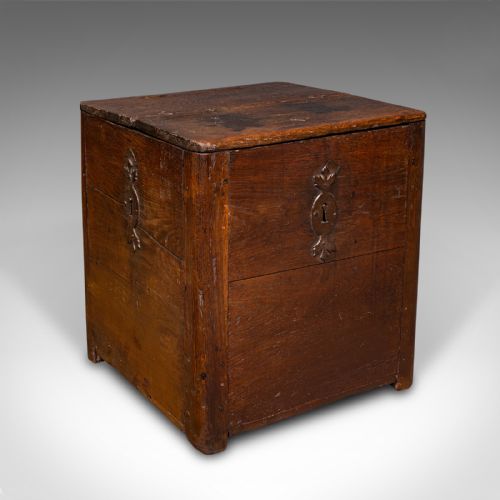
Hardware played a functional and structural role, with wrought iron and steel used for hinges, strapwork, and complex locking mechanisms on safe boxes and strongboxes.
The listings span from the 16th century through the early 18th century, incorporating oak, iron, wrought iron, and steel.
Distinctions in craftsmanship and survival
Quality rests in the integrity of the timber, the precision of the joinery, and the retention of original elements such as locks, hinges, and baseboards. Pieces retaining their authentic surface patination stand apart from those altered or overly restored over centuries of use.
The sophistication of the decoration marks another division, moving from utilitarian plank construction to intricate carved panels, arcaded detailing, and specialised forms like sword chests or safe boxes.
The Early English Oak Trunk Glossary
- Coffer
- A traditional chest or box used for storage, typically fitted with a hinged lid and heavy timber construction. These items often served multiple purposes within early domestic interiors.
- Linenfold
- A style of carved wooden panelling resembling folded linen cloth, frequently seen on sixteenth-century pieces. This decorative motif adds texture to the front elevations of chests.
- Arcaded
- A row of decorative arches carved into the wood surface, characteristic of seventeenth-century joinery. This architectural detail reflects the prevailing design influences of the period.
- Five-plank
- A simple construction method using five distinct boards joined at the edges to form a rectangular chest. This utilitarian technique represents an early and direct approach to trunk making.
- Mule chest
- A storage chest featuring one or more drawers beneath the main compartment. This form bridges the traditional coffer and the later chest of drawers.
Early English Oak Trunk: Frequently Asked Questions
How old is my oak trunk?
Dating relies on construction methods, timber characteristics, and decorative motifs such as linenfold carving or arcading. Sixteenth-century pieces often display simpler joined frames, while seventeenth-century examples frequently feature panelled construction.
Hardware also provides clues, as hand-wrought iron hinges and complex steel locks align with specific periods of manufacture. Comparing these structural details to documented examples helps narrow down the decade of origin.
What were these chests used for?
These trunks functioned primarily as secure storage for household valuables, textiles, documents, and personal belongings. Their heavy construction and robust locks protected contents from theft and environmental damage.
Over time, specific forms evolved for specialised contents, such as sword chests for weaponry or safe boxes for currency and documents. In domestic spaces, they frequently doubled as seating benches or window seats.
How do I care for antique oak?
Maintaining antique oak involves keeping the timber away from direct heat sources and sudden humidity changes to prevent warping and splitting. Gentle dusting with a dry cloth preserves the historic surface patination without stripping the wood.
Avoid modern liquid polishes or silicone-based cleaners, which can build up and damage the porous surface over time. Natural waxes applied sparingly help nourish the dry timber.