


Carved Wooden Fire Screen
These carved wooden fire screen designs shield rooms from hearth heat while adding rich period texture.
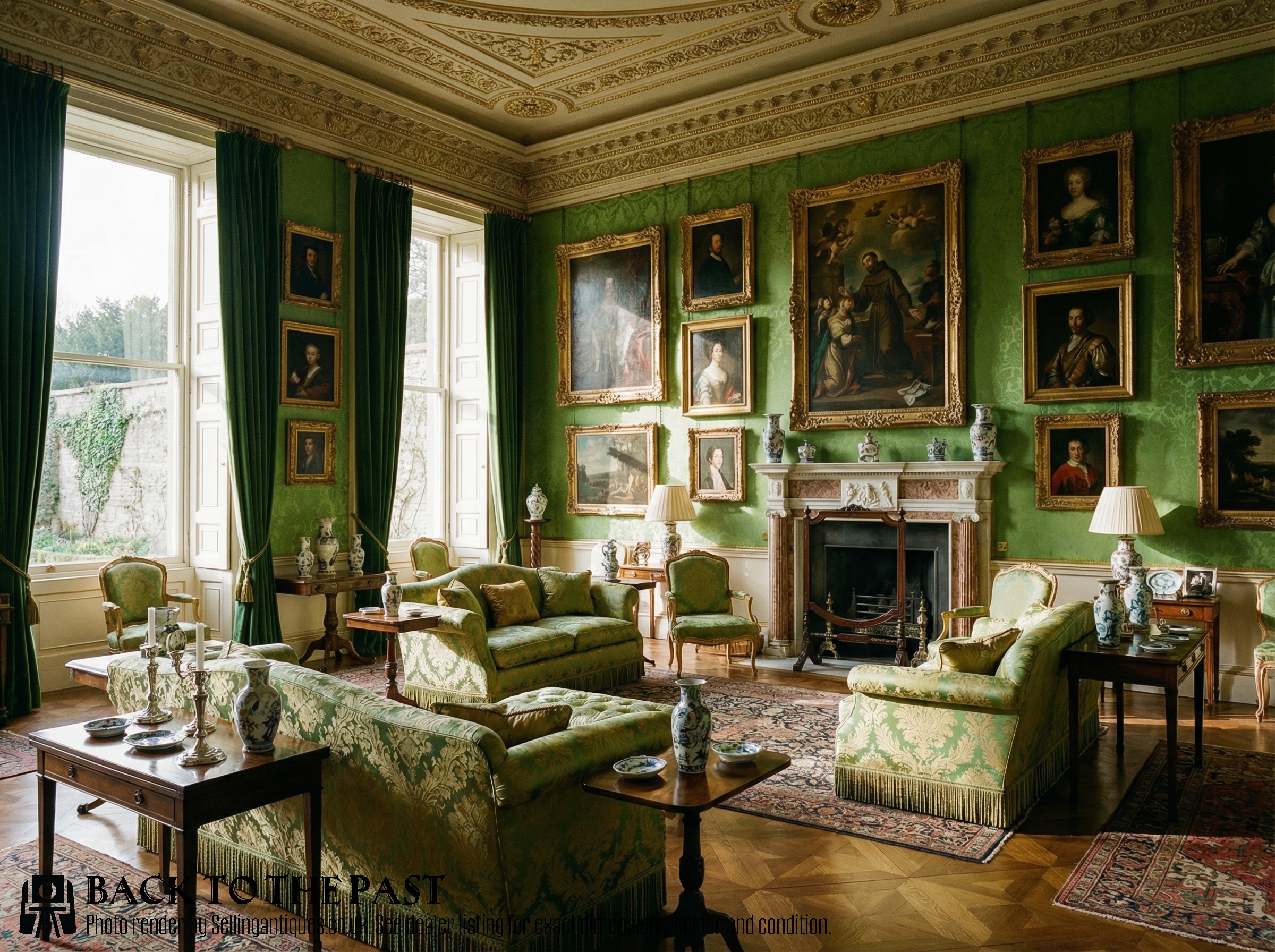
Carved Wooden Fire Screen
A carved wooden fire screen is a protective hearth accessory designed to block excessive radiant heat from an open fireplace when the fire dies down. Buyers searching for this phrase encounter various historical iterations spanning the Georgian, Victorian, and Edwardian eras, as well as the early twentieth century.
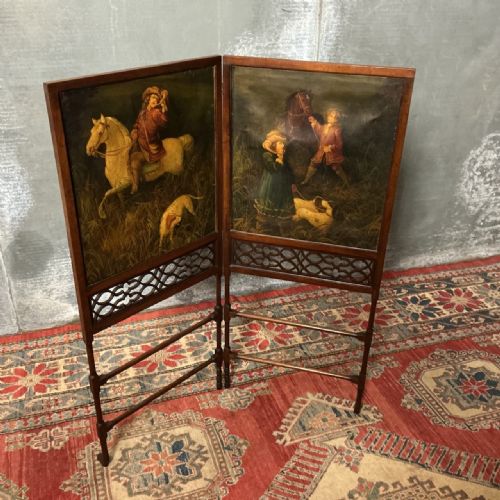
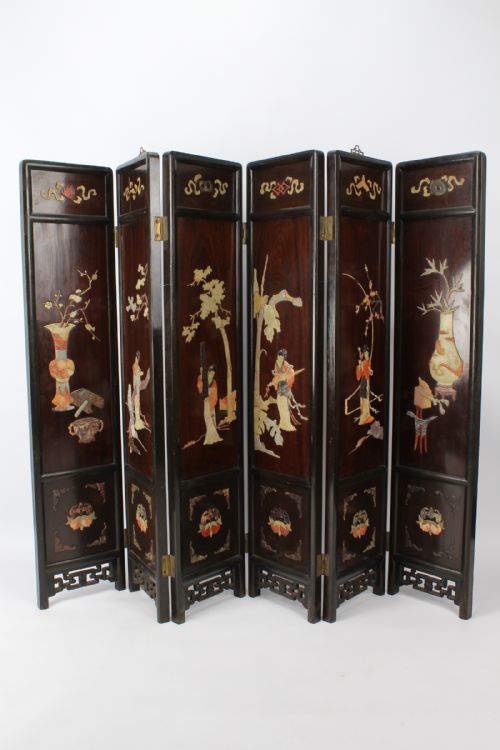
The pieces appearing on this page predominantly reflect Victorian and Edwardian aesthetics, alongside Black Forest and Qing Dynasty examples. Common formats include solid timber frames enclosing textiles, needlework panels, oil paintings, glass, or brass components.
Originating as practical room dividers and hearth guards, these items evolved into decorative focal points for the parlour. Their survival across centuries demonstrates their dual role as utilitarian room furniture and ornate display pieces.
How they were made
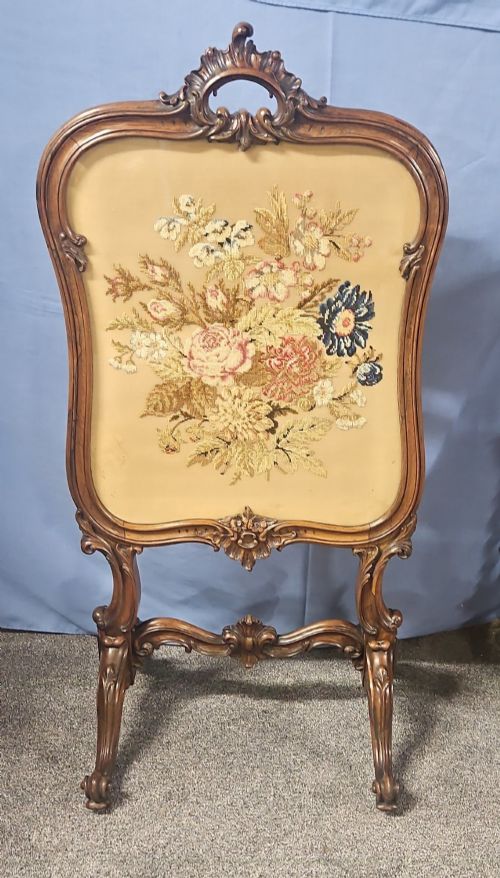
Workshops utilised dense timbers such as walnut, mahogany, oak, and rosewood to construct the structural frames. Artisans carved these hardwoods by hand, applying ornate detailing that reflects Victorian Rococo Revival or Black Forest stylistic traditions.
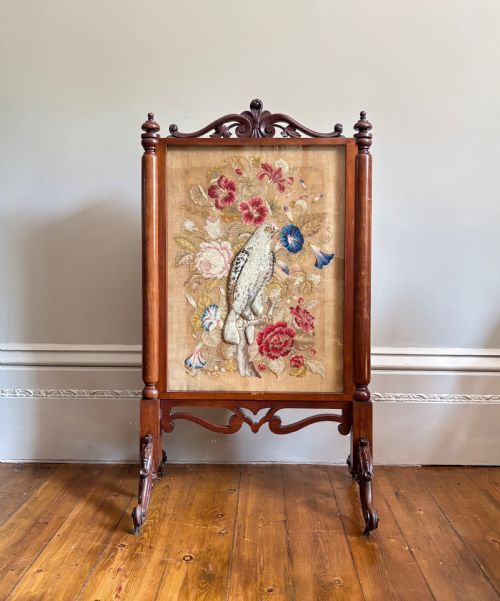
The central panels required diverse artisanal skills, incorporating hand-woven woolwork, Berlin work, needlepoint, tapestry, and embroidered textiles. Some variations integrate etched glass, oil paintings on canvas, and bronze or brass hardware to secure adjustable doors.
Carved Wooden Fire Screen Retail Price Guide 2026
Typical asking prices for carved wooden fire screen among the pieces listed under this phrase on Sellingantiques today, from the lower quarter to the upper quarter. They describe what is for sale here now, not the wider market.
Listings feature walnut, mahogany, oak, and rosewood frames paired with textile, wool, canvas, glass, and brass elements.
What varies in quality
Quality rests primarily in the depth and precision of the timber carving and the integrity of the joinery within the frame. Superior examples demonstrate crisp hand-carved detail in hardwoods like walnut and rosewood rather than shallow mechanical shaping.
The artistic execution of the central panel heavily influences the standard of the piece, distinguishing finely rendered needlepoint, pastoral tapestry, or oil paintings from simpler fabric inserts. Additionally, the inclusion of functional mechanisms, such as adjustable doors or integrated glass, elevates the complexity of the manufacture.
The Carved Wooden Fire Screen Glossary
- Berlin work
- A type of counted-thread embroidery popular during the nineteenth century, worked in wool on canvas from printed pattern grids. It frequently forms the colourful central panel of a hearth guard.
- Needlepoint
- A form of canvas work embroidery stitched with yarn using a needle, creating a dense and durable decorative surface. This technique appears widely across Victorian hearth furnishings.
- Black Forest
- A regional style of nineteenth-century wood carving originating in central Europe, known for naturalistic motifs and deep relief work. Pieces from this tradition often feature bold sculptural animals or foliage.
- Rococo Revival
- A nineteenth-century design movement favouring asymmetrical scrollwork, natural curves, and ornate floral motifs. This style heavily influences the carved wooden frames of the period.
Carved Wooden Fire Screen: Frequently Asked Questions
What is a carved wooden fire screen?
A carved wooden fire screen is a decorative barrier placed in front of an unlit or dying hearth to block heat and conceal the grate. They combine a solid timber frame with an internal panel made from textile, needlework, glass, or painted canvas.
Historically used to protect room occupants from the intense heat of open fires, these pieces functioned primarily as moveable partitions. Over time, they became important decorative elements within period interiors.
How were fire screens used?
These screens stood between seating areas and the fireplace during warmer months or when the fire burned low. They shielded ladies' faces from the direct heat of the flames, which could melt heavy makeup or discolour skin.
Beyond hearth protection, they served to divide larger rooms and add decorative colour to nineteenth-century parlours. Their portability allowed homeowners to reposition them wherever heat control or visual privacy was required.
How do I date a fire screen?
Dating relies on examining the timber species, carving style, and materials used within the central panel. Georgian and early Victorian pieces often feature heavy mahogany or walnut with hand-stitched tapestry, while Edwardian versions lean towards lighter frames and different artistic mediums.
Construction methods and hardware also provide chronological clues. Hand-cut joinery points to earlier nineteenth-century manufacture, whereas alternative panel mediums like oil paintings or etched glass often correspond to specific decades.
How do I care for needlework panels?
Needlework panels require protection from direct sunlight to prevent the wool and textile threads from fading. Keeping them away from excessive moisture and heat sources preserves the integrity of the organic fibres.
Gentle dusting with a soft brush maintains the surface without disturbing the woven threads. Avoid harsh chemical cleaners on both the fabric and the surrounding carved wooden frame.
Are fire screens still practical?
While modern central heating reduces the need for hearth guards, these screens remain practical as decorative room dividers or background pieces. They add historical character and texture to contemporary living spaces.
Collectors utilise them to introduce period craftsmanship and organic wood tones into a room. Their freestanding nature allows them to be placed against empty walls or unused fireplaces.