
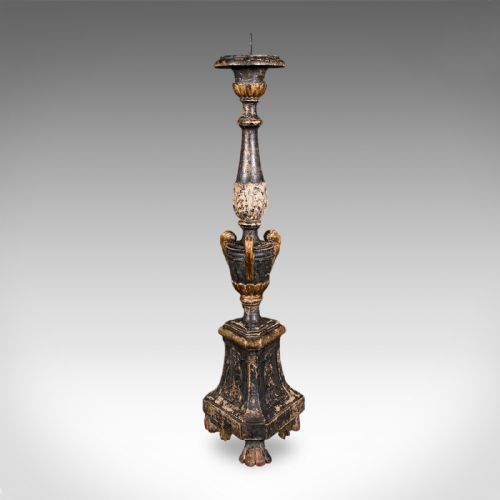


Carved Wooden Candle Holders
Carved wooden candle holders bring warmth and historical texture to a room, ranging from simple oak barley twists to elaborate giltwood altar pieces.
Carved Wooden Candle Holders
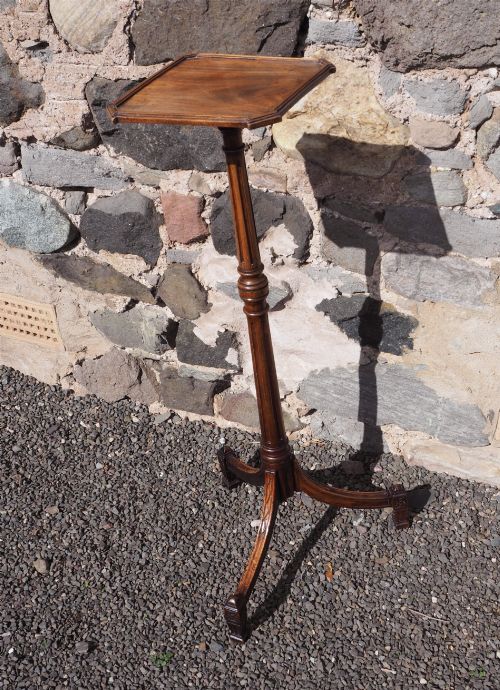
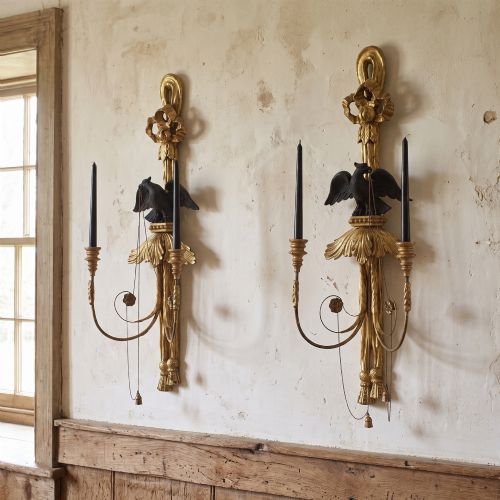
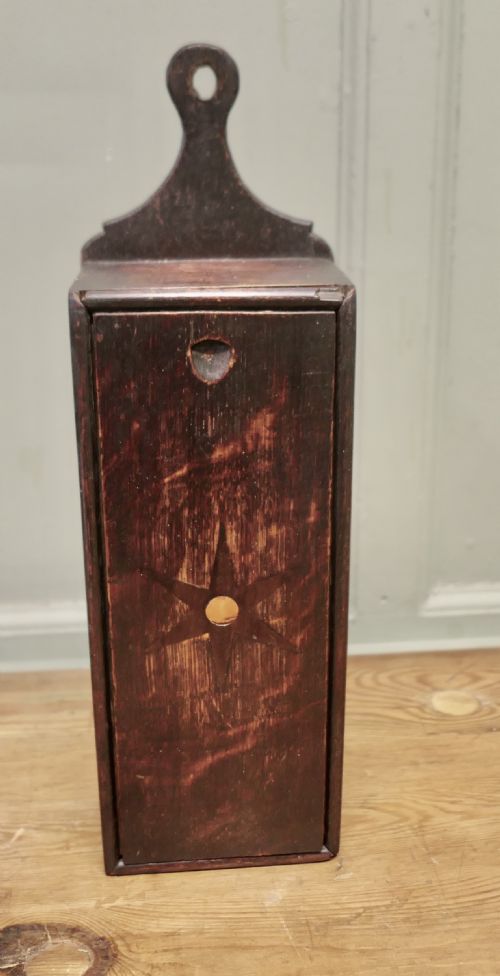
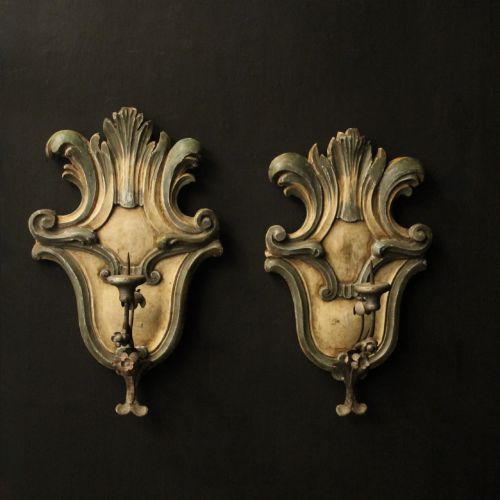
When you search for carved wooden candle holders, you encounter a diverse selection of lighting fixtures and stands spanning several centuries. The inventory includes pairs of candlesticks, wall sconces, torcheres, and candle boxes originating from English, French, Italian, and Dutch workshops.
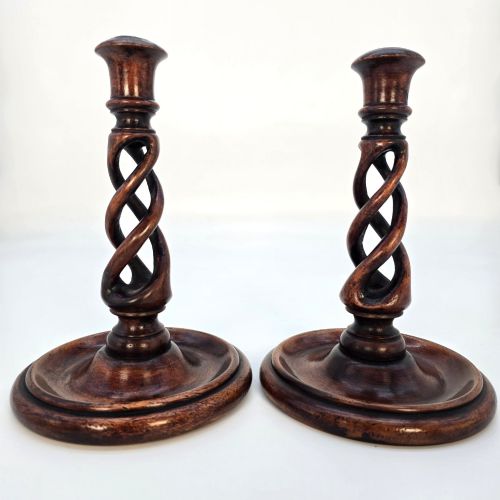
You are most likely to meet 19th-century interpretations alongside 18th-century originals and early 20th-century folk art examples. Common domestic forms involve barley twist stems and column candlesticks, while more sculptural pieces take the shape of figures, animals, and architectural fragments.
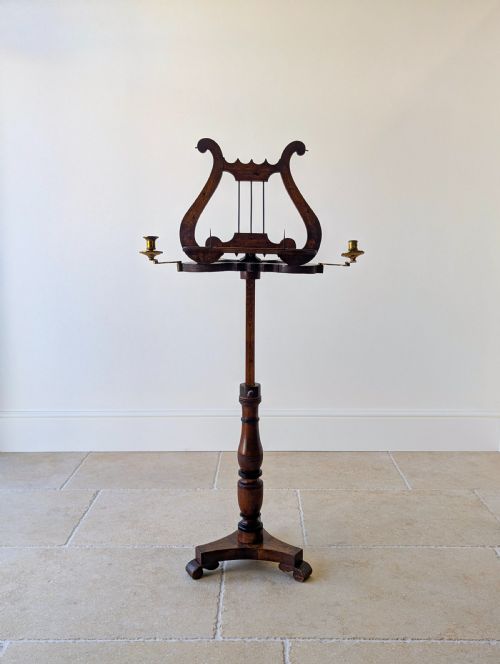
The assortment extends beyond table pieces to incorporate wall-hanging sconces and tall floor torcheres designed for heavier illumination. Many items reflect distinct regional aesthetic movements, including Baroque, Georgian, and various revival styles.
Materials and construction methods
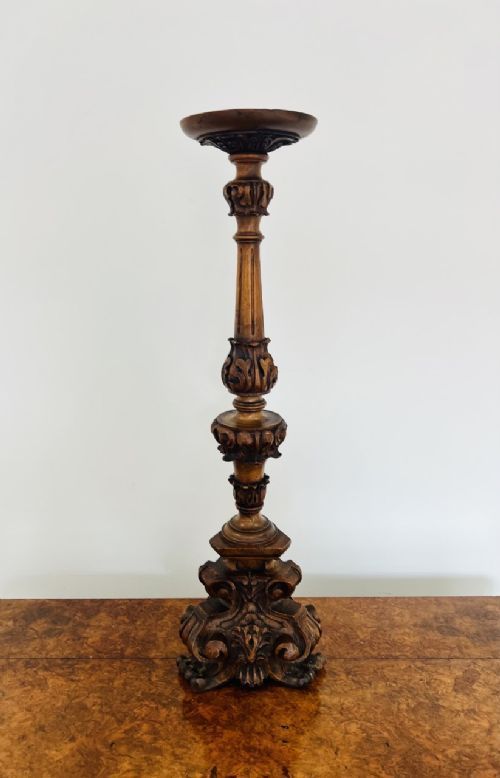
Carpenters and turners utilised dense timbers such as oak, walnut, mahogany, fruitwood, and lignum vitae to ensure stability for tall stems. Wood was shaped using lathes for twist designs or worked by hand with chisels for figurative and acanthus leaf carvings.
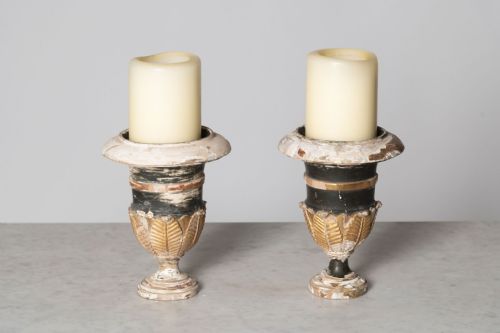
Surface treatments frequently involved applying gesso beneath gold leaf, silver leaf, or polychrome paint, while other items rely on the natural grain enhanced by wax polish. Brass sockets and iron prickets were routinely integrated to hold the candles safely above the wooden structure.
The listings encompass walnut, oak, mahogany, fruitwood, and lignum vitae materials across periods from the 17th to the 20th century.
Assessing quality and execution
Depth and crispness of the hand-carved detail distinguish standard production from superior craftsmanship, particularly in foliate motifs and figurative pieces. Sharp undercut work and balanced proportions indicate a skilled hand rather than mass production.
The integrity of the timber and the preservation of original giltwood, silver leaf, or painted surfaces heavily influence the character of the object. Retaining original components, such as matching brass drip pans or pricket spikes, marks a higher grade of preservation.
The Carved Wooden Candle Holders Glossary
- Torchere
- A tall stand designed to support a candle holder or lamp. These pieces often feature carved columns or figurative pedestals.
- Pricket
- A sharp metal spike on a candlestick that secures the base of a candle. This form is frequently found on altar-style and ecclesiastical pieces.
- Giltwood
- Timber coated with a thin layer of gold leaf or gold paint over a gesso ground. This finish creates a reflective surface suited to formal interior lighting.
- Treen
- Small domestic wooden objects made by turning or carving. Collectors prize early treen candlesticks for their tactile surfaces and patination.
- Barley Twist
- A spiral carving resembling a twisted rope, popular on 17th-century furniture and replicated extensively in later oak candlesticks.
Carved Wooden Candle Holders: Frequently Asked Questions
How do I date an antique wooden candlestick?
Dating relies on examining tool marks, timber species, and wear patterns around the base and socket. Eighteenth-century pieces often show hand-turned irregularities and period-specific secondary woods.
Later Victorian and early twentieth-century examples tend to display more uniform machine assistance or revival stylistic markers. Comparing the construction to documented pieces helps narrow the decade of manufacture.
Are wooden candle holders safe to use with real candles?
Most antique wooden holders accommodate standard taper candles, provided the metal bobeche or socket remains intact. Care is necessary to prevent wax from spilling directly onto exposed historic wood surfaces.
Many collectors prefer using fitted dripless candles or electric alternatives to protect fragile giltwood and painted finishes from heat damage. Regular inspection of the metal spike or cup ensures the candle stays secure.
What is the difference between a candlestick and a sconce?
Candlesticks are freestanding objects designed for placement on tables, mantelpieces, or altars. Their bases provide a stable footing for tabletop illumination.
Sconces are wall-mounted fixtures featuring backplates or extending arms that project the light outward into the room. Both forms utilise similar carved wooden techniques but serve entirely different mounting purposes.
How should I clean and maintain carved wooden holders?
Maintenance requires gentle dusting with a soft, dry brush to clear debris from deep crevices in the carving. Avoid liquid polishes, water, and chemical cleaners that can degrade antique wax, gesso, or leaf finishes.
Keeping pieces away from direct sunlight and stable humidity levels prevents the timber from splitting or warping. Occasional microcrystalline wax application helps preserve bare wooden surfaces.