
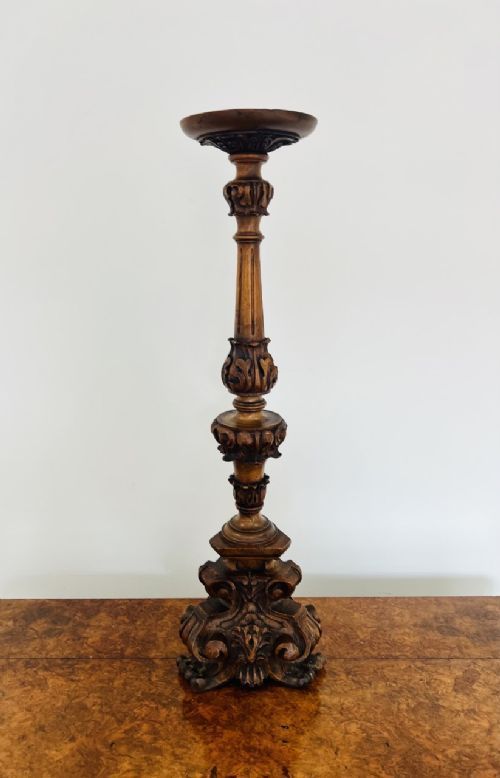


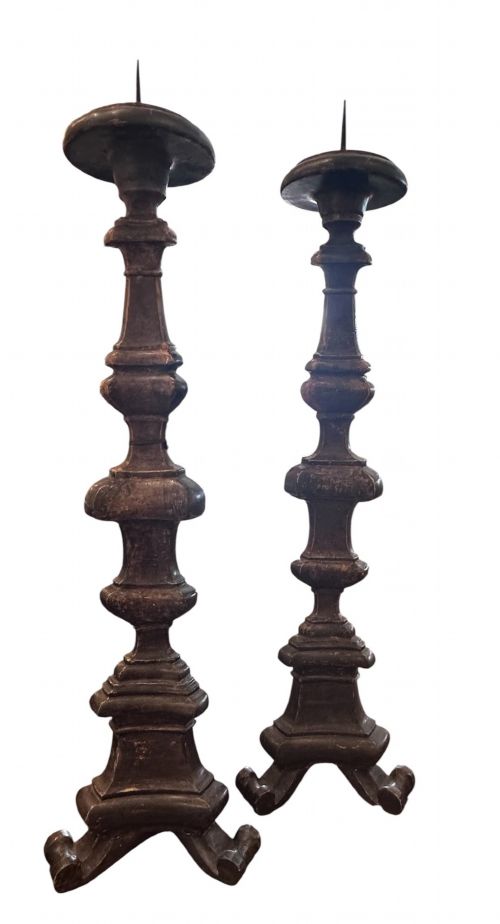


Carved Wooden Altar Stand
A carved wooden altar stand brings centuries of devotional craft and ecclesiastical grandeur into a domestic interior.

Carved Wooden Altar Stand
When you search for a carved wooden altar stand, you encounter ecclesiastical and devotional furnishings originating primarily from European and Asian traditions. These objects encompass torcheres, candle stands, pricket sticks, and low tables designed for sacred spaces or ceremonial display.
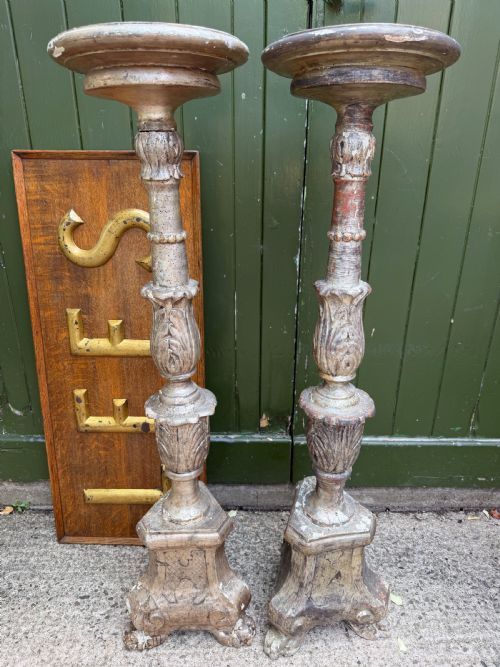
The selections available span multiple centuries, with particular strength in eighteenth and nineteenth-century Italian and French examples. Baroque and neoclassical styles dominate the offerings, frequently incorporating gilded or silvered surfaces intended to catch candlelight.
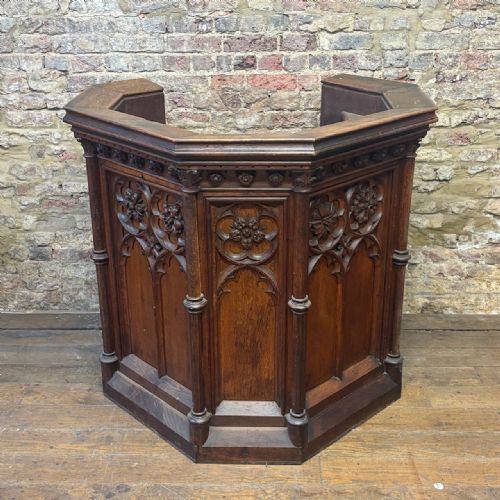
Buyers also encounter related liturgical forms such as shrines, pulpits, and reliquary mirrors alongside traditional support stands. These pieces function today as striking architectural elements or sculptural plinths within contemporary rooms.
Materials and Construction Methods
Carvers utilised native hardwoods such as oak, walnut, pine, and boxwood, shaping them with deep relief and intricate architectural motifs. Many foundational timbers received layers of gesso to prepare the surface for subsequent gilding with gold leaf or silvering.
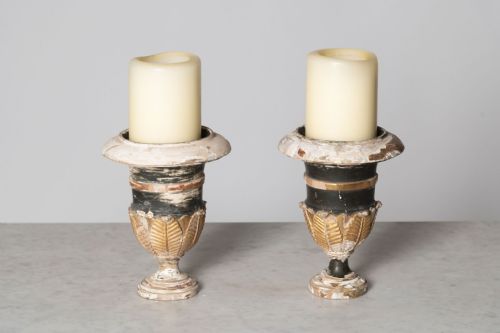
Decorative finishes frequently include polychrome decoration, marbleising effects, and hand-applied metal leaf. Joinery techniques reflect the period of manufacture, relying on traditional pegged or tenoned joints appropriate for heavy liturgical furnishings.
Some pricket sticks still bear the faint, stubborn wax drippings of forgotten devotions from centuries past.
Distinction in Quality and Execution
The division between ordinary and exceptional pieces rests upon the crispness and depth of the hand carving. Superior examples exhibit fluid drapery, sharply defined acanthus leaves, and balanced proportions that demonstrate the hand of a skilled sculptor rather than routine workshop production.
The preservation of original surface treatments, including patinated giltwood, authentic silver leaf, and aged gesso, dictates the desirability of a piece. Retaining the authentic layered finish rather than modern repainting preserves the historical integrity prized by collectors.
The Carved Wooden Altar Stand Glossary
- Torchere
- A tall ornamental stand designed to support a candle or light source. These often feature elaborate carved columns and tripod bases originating from seventeenth and eighteenth-century European workshops.
- Giltwood
- Timber that has been coated with fine gold leaf over a prepared gesso base. This technique creates a luminous reflective surface favoured in baroque ecclesiastical design.
- Pricket
- A sharp metal spike atop a candlestick or altar stand designed to secure a large candle in place. This form is particularly common in historic church metalwork and carved wooden pricket sticks.
- Gesso
- A traditional plaster mixture applied to wood surfaces as a smooth base for gilding or painting. It allows carvers to achieve fine detail before applying gold or silver leaf.
Carved Wooden Altar Stand: Frequently Asked Questions
What is an altar stand?
An altar stand is a historic furnishing created to elevate sacred objects, candles, or crucifixes during religious services. These pieces were carved from wood and often finished with gilt or silver leaf to enhance their visual impact in dim chapels.
Today, these stands serve as striking decorative pedestals or sculptural focal points within domestic interiors. Their architectural forms complement both traditional and contemporary room designs.
How do I identify Italian baroque stands?
Italian baroque stands typically feature dramatic scrolling foliage, cherubs, and energetic asymmetric movement carved into heavy timber. They often utilise giltwood finishes that amplify the theatrical lighting effects characteristic of the seventeenth and eighteenth centuries.
Examining the depth of the carving and the quality of the underlying gesso helps confirm the period of origin. Master carvers from this era produced fluid, dynamic silhouettes that stand apart from later revival pieces.
How do I care for antique giltwood?
Antique giltwood requires gentle maintenance, avoiding moisture, direct sunlight, and modern chemical polishes that can lift the delicate gold leaf. Dusting should be performed softly with a dry feather duster or a very soft brush to protect the fragile gesso foundation.
Keeping these pieces in stable indoor humidity prevents the underlying timber from expanding and cracking. Proper placement away from direct heat sources ensures the historic surface survives intact for future generations.