

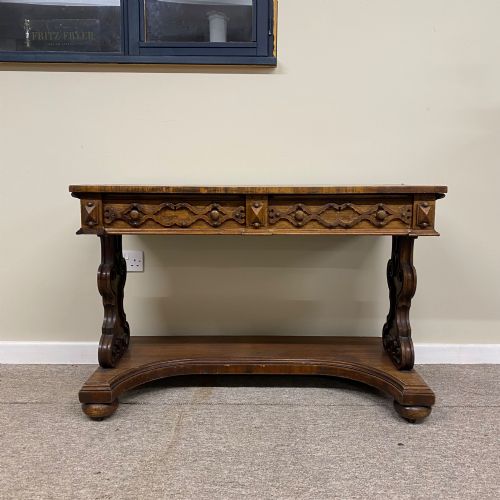
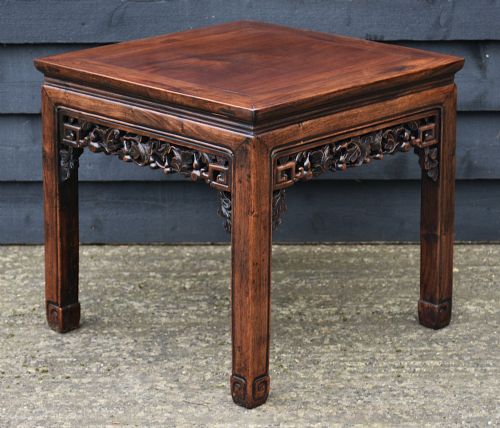
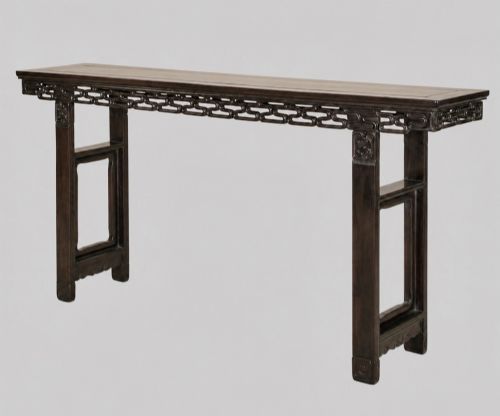
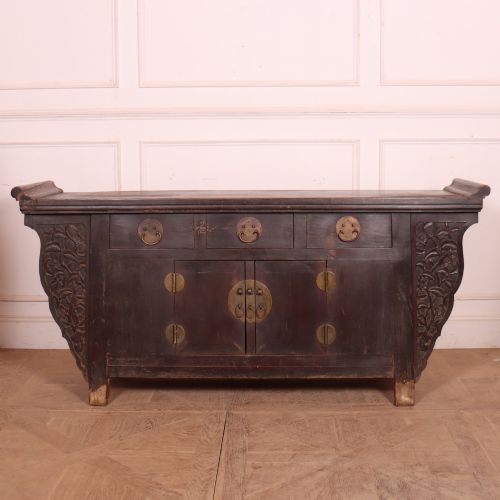



Dark Wood Altar Table
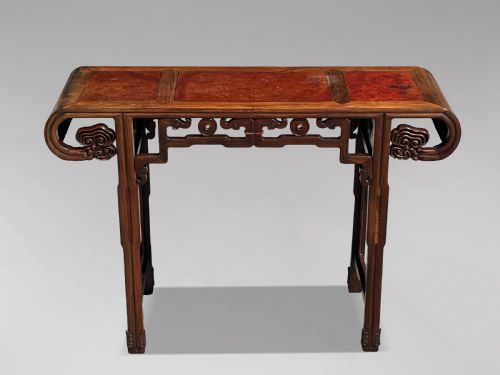
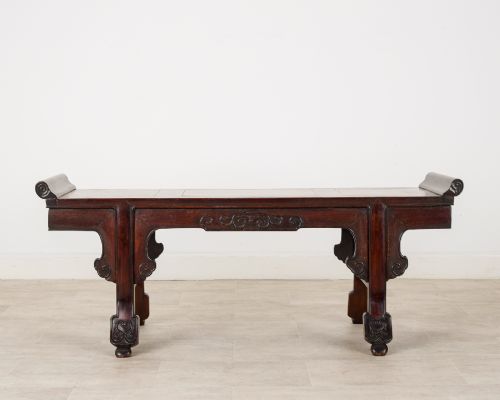
These dark wood altar table examples bring centuries of Chinese tradition and rich timber grain directly into a modern hallway or living space.

Dark Wood Altar Table
A dark wood altar table serves as a striking focal point, typically originating from the Qing dynasty or later periods. These pieces function well as console tables, sideboards, or narrow display surfaces in contemporary settings.
The selection here draws primarily upon Chinese provincial and traditional designs rendered in dense timbers. Most examples encountered on this page date from the nineteenth century, though earlier eighteenth-century items also appear.
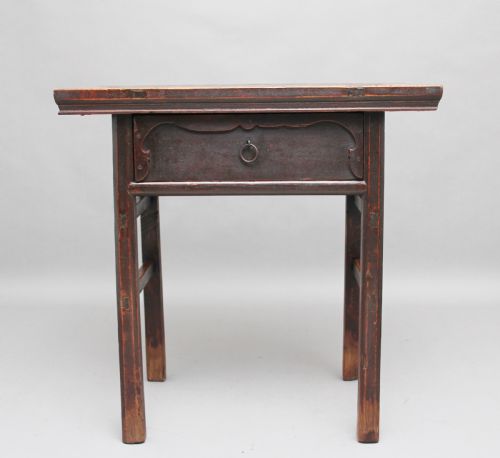
Forms range from simple plank-top trestle tables to heavily carved rectangular variants with distinctive corner legs. Buyers frequently choose these forms to anchor an entrance hall or to provide a contrasting surface against neutral walls.
Materials and construction methods
Cabinet makers utilised heavy Asian hardwoods such as hongmu, rosewood, and elm to build these sturdy surfaces. These dense timbers provide the structural integrity required for long, narrow console forms without excessive sagging.
Surface treatments often include traditional lacquer applications alongside subtle brass hardware where drawers or compartments are present. Joinery relies upon traditional framing techniques that accommodate the natural movement of timber over centuries.
Dark Wood Altar Table Retail Price Guide 2026
Typical asking prices for dark wood altar table among the pieces listed under this phrase on Sellingantiques today, from the lower quarter to the upper quarter. They describe what is for sale here now, not the wider market.
Listings feature traditional Asian hardwoods including rosewood, hongmu, and elm across nineteenth-century console and altar table formats.
Distinguishing quality across the range
The refinement of the carving separates standard provincial pieces from more ambitious workshop productions. Crisp detailing on aprons and legs demonstrates the hand of a more accomplished artisan.
The choice of timber heavily influences the character and weight of each piece, with dense rosewood and hongmu commanding particular attention. Grain depth and original surface patination determine how successfully a table integrates into a refined interior.
The Dark Wood Altar Table Glossary
- Hongmu
- A dense tropical hardwood prized in Chinese furniture making for its deep reddish-brown tone and heavy weight. It resists warping and takes a fine polish.
- Qing Dynasty
- The final imperial dynasty of China, spanning from sixteen-forty-four to nineteen-twelve. Furniture from the late nineteenth century falls within this extensive stylistic period.
- Plank-top
- A tabletop constructed from solid boards joined horizontally rather than veneered over a secondary core. This method ensures a durable and honest working surface.
- Elm
- A resilient Asian timber frequently utilised for provincial furniture due to its fibrous grain and strength. It accepts dark finishes and develops a rich patina over time.
Dark Wood Altar Table: Frequently Asked Questions
Where should I place a dark wood altar table?
These narrow surfaces suit entrance halls, long corridors, or living room walls where floor space is limited. Their linear profile allows them to sit flush against a wall while displaying lamps or decorative objects.
They also function effectively behind low sofas or as striking sideboard alternatives in dining spaces. The substantial timber presence grounds the surrounding interior without dominating the room.
How do I care for antique hardwood furniture?
Maintain the finish by dusting regularly with a soft, dry cloth and avoiding silicone-based polishes. Keep the timber away from direct heat sources and dramatic humidity fluctuations to prevent splitting.
Occasional application of natural beeswax helps nourish dry wood and preserves the historical surface patination. Treating the timber gently ensures the finish deepens naturally over decades of use.
Are these tables sturdy enough for daily use?
Traditional Chinese joinery creates robust frames designed to support heavy ceremonial objects without structural failure. The heavy hardwoods utilised in these pieces provide exceptional stability for everyday living.
While slender in appearance, the corner leg construction and solid aprons distribute weight effectively. They handle normal household burdens easily when placed on a level floor.
How can I tell an older table from a later reproduction?
Examine the underside and joints for hand-cut joinery marks, wear patterns, and timber shrinkage appropriate to age. Nineteenth-century examples display natural oxidation and tool traces consistent with historical workshop practices.
The weight of the wood and the depth of the surface finish also offer strong clues regarding period origin. Genuine age shows in the subtle irregularities of hand-planed boards and joint movement.