






Asian Hardwood Table
An asian hardwood table brings dense timber and traditional joinery together, offering a practical surface with distinct regional character.
Asian Hardwood Table
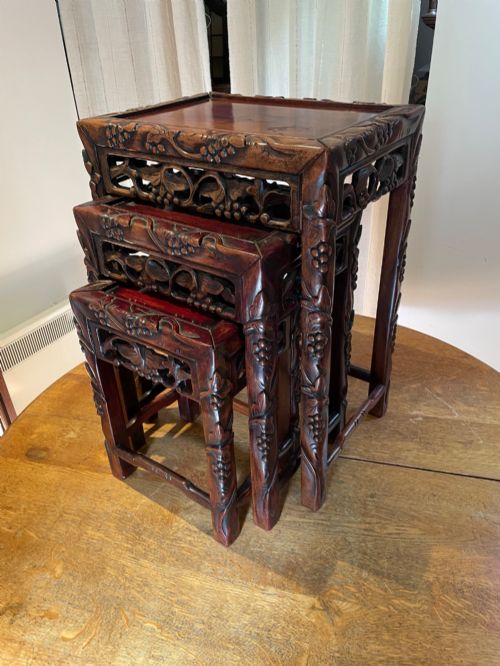
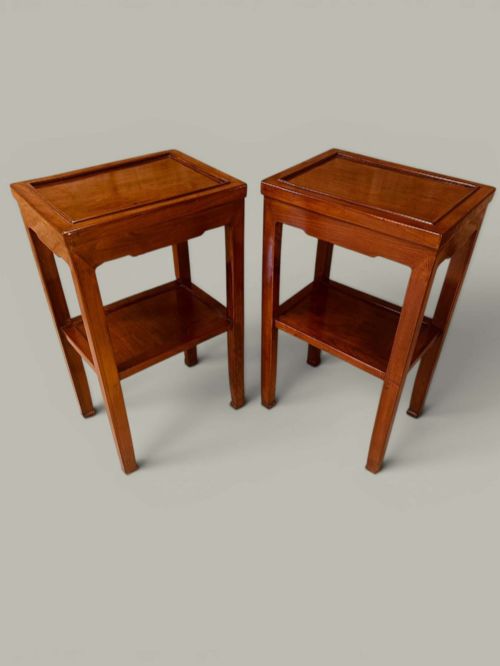
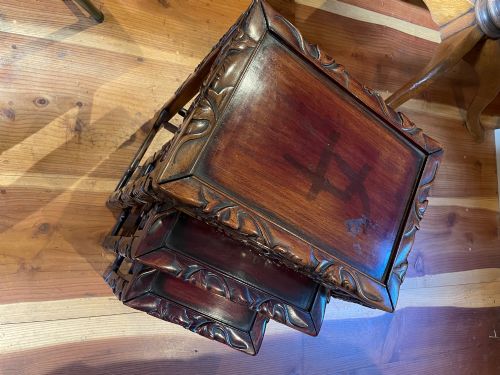
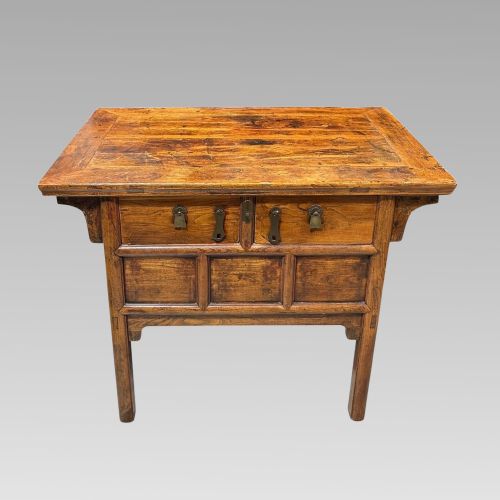
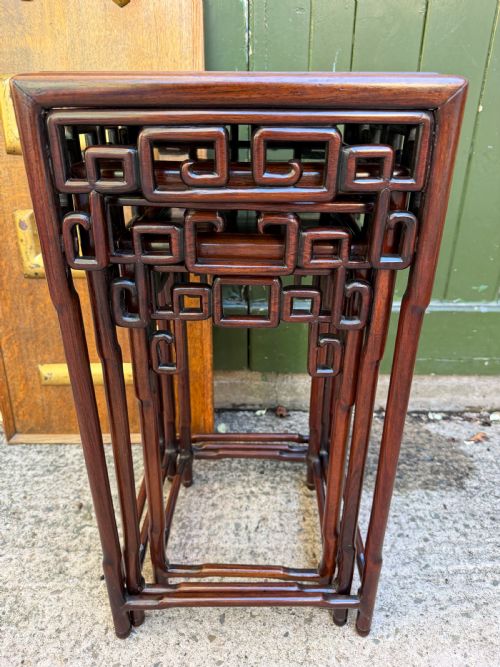
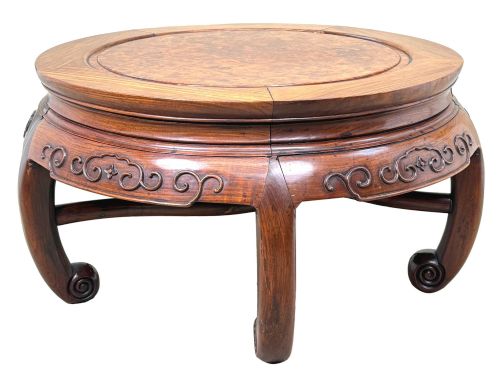
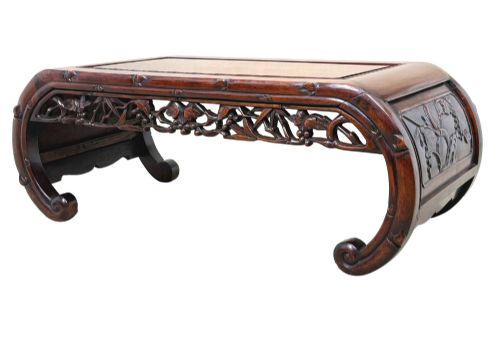
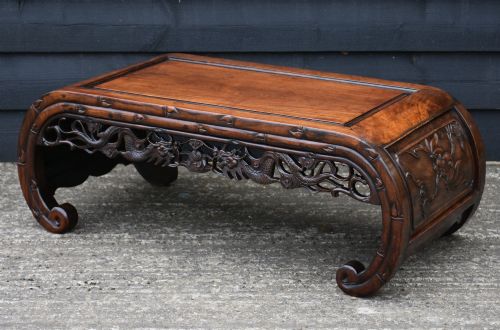
When you search for an asian hardwood table, you encounter a variety of forms including low tables, coffee tables, nests of tables, altar tables, and plant stands. The pieces span periods from the eighteenth century through to the early twentieth century, incorporating Victorian and Meiji eras alongside Qing Dynasty and Chinese Export styles.
You are most likely to meet circular or rectangular coffee tables, side tables, and marble-topped stands on this page. These items originate primarily from China and Japan, taking the shape of low opium tables, graduated nests, and pedestals designed for display.
The selection reflects traditional domestic furniture adapted for modern interiors. Makers utilised dense timbers to build durable surfaces that double as decorative centrepieces.
Materials and construction
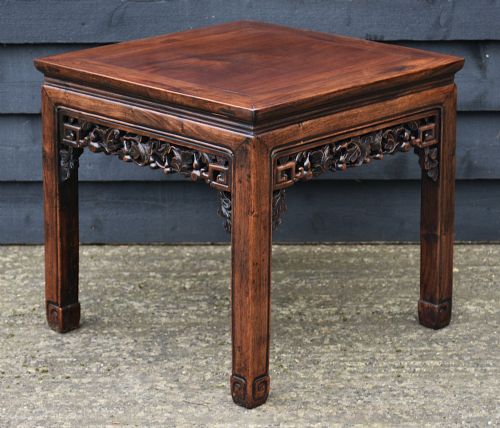
Carpenters constructed these tables using dense timbers such as rosewood, hongmu, huanghuali, padouk, and elm. These heavy woods provided the structural strength required for intricate carving without the need for excessive metal fasteners.
Surface decoration frequently involved contrasting inlays of mother of pearl, alongside inset marble panels and brass details. Artisans shaped the wood using traditional mortise and tenon joinery, often leaving the grain visible to highlight the natural patterns of the material.
Asian Hardwood Table Retail Price Guide 2026
Typical asking prices for asian hardwood table among the pieces listed under this phrase on Sellingantiques today, from the lower quarter to the upper quarter. They describe what is for sale here now, not the wider market.
Listings feature items from the 18th century, 19th century, and early 1900s, constructed from rosewood, elm, marble, and brass.
Variations in quality
The standard of a piece depends heavily on the selection of timber and the precision of the carving. Dense rosewoods and well-figured huanghuali sit at the upper end of the range, showing deep natural colour and tight grain.
Execution of inlay work and the tightness of the joinery separate standard examples from finer items. Clean integration of marble tops and deeply undercut botanical carvings indicate skilled workshop production.
The Asian Hardwood Table Glossary
- Hongmu
- A dense tropical hardwood often translated as red wood, utilised for traditional Chinese furniture. It takes a fine polish and shows deep natural colour.
- Opium table
- A low rectangular or square table traditionally used for resting while smoking or dining at floor level. These low tables now function widely as coffee tables.
- Shibayama
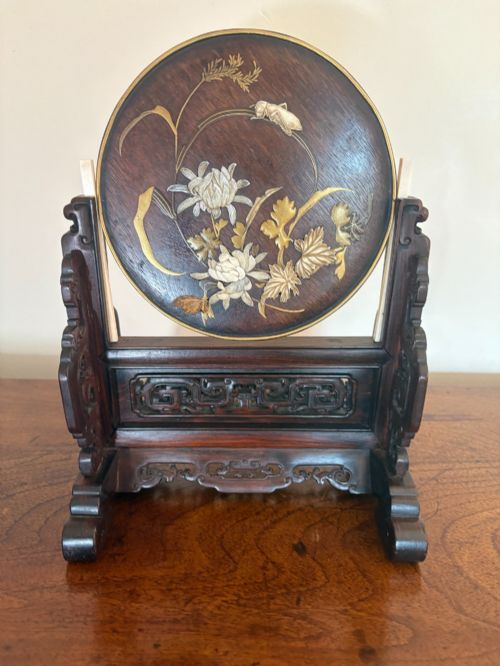
- A Japanese craft technique involving the inlay of delicate materials such as shell, ivory, and coral into a wood or lacquer base. It appears on decorative panels and table screens.
- Nest of tables
- A set of graduated tables designed to fit neatly beneath one another when not in use. They became popular for occasional entertaining and tea service.
Asian Hardwood Table: Frequently Asked Questions
What is an opium table?
An opium table is a low surface originally built for use at floor height in traditional settings. They now serve well as low coffee tables in contemporary rooms.
Most examples date from the nineteenth century and feature sturdy hardwood construction with minimal carving or rolled-over ends.
How do I identify rosewood furniture?
Rosewood displays a heavy weight, tight grain, and deep reddish-brown or dark purple coloration. The timber takes a smooth polish without requiring heavy varnishing.
Checking the underside or unpolished areas reveals the dense natural fibre characteristic of hongmu and related Asian hardwoods.
How do I clean marble top tables?
Marble inserts require gentle cleaning with a damp cloth and mild soap to protect the polished stone surface. Avoid acidic cleaners that can etch the mineral structure.
Regular dusting keeps the timber frame and inset stone protected from grit accumulation.