

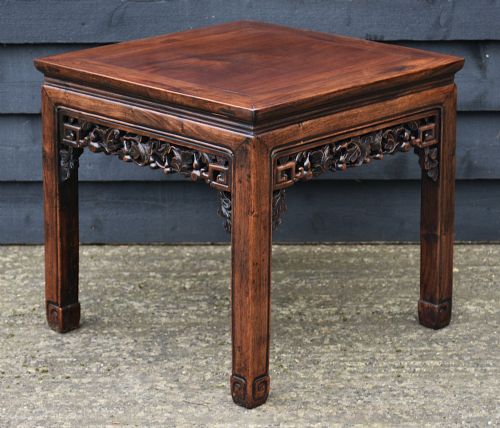
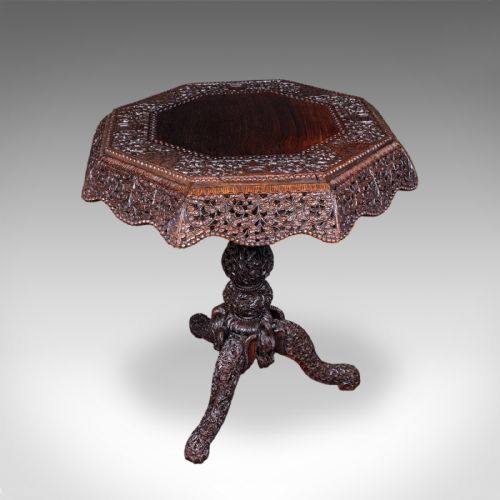
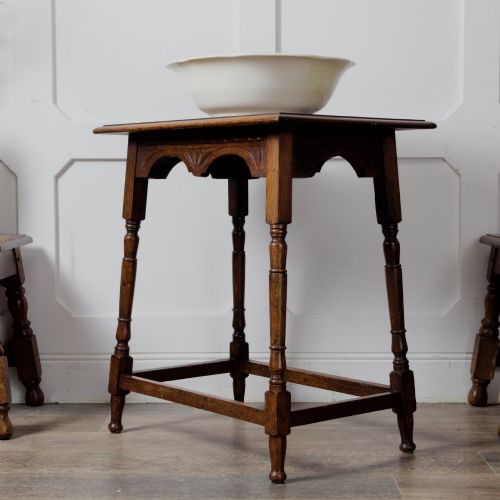

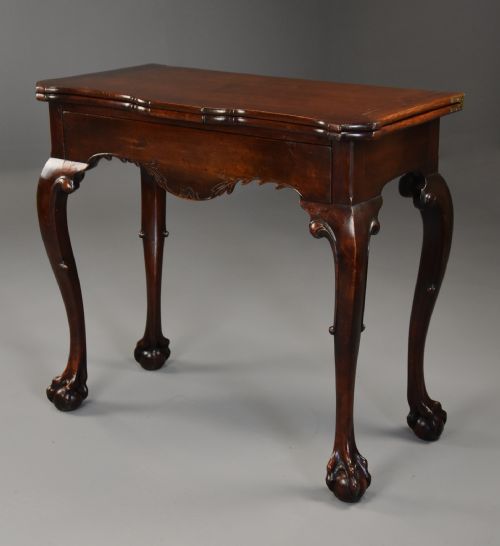


Carved Apron Tea Table
A carved apron tea table brings together structural timber and regional craftsmanship, offering a functional surface shaped by decorative skirts.
Carved Apron Tea Table
A carved apron tea table unites low surfaces and side furniture with shaped woodwork beneath the main top. These pieces emerge across distinct periods, ranging from eighteenth-century examples to later twentieth-century iterations.
The selections span diverse origins, with many pieces originating from Chinese traditions involving rosewood, padouk, and huanghuali timber. Alongside these, British and European examples appear in mahogany, oak, and walnut.
Forms vary from low coffee tables and opium tables to traditional tea and silver tables. Buyers encounter square, rectangular, and circular formats designed for domestic use.
Materials and construction methods
Makers utilised dense hardwoods such as rosewood, padouk, and mahogany alongside domestic timbers like oak, walnut, and elm. These materials provided the structural stability needed for intricate under-table carving.
Joinery methods depended on precise timber fitting, allowing skirts and aprons to be integrated directly beneath the top surface. Selected pieces incorporate brass fittings, red lacquer finishes, or inlaid bird designs.
Surface treatments range from polished patinas on hardwood to painted finishes on regional European variants. The grain of burr birch and walnut is frequently highlighted to emphasise the natural figure of the wood.
Carved Apron Tea Table Retail Price Guide 2026
Typical asking prices for carved apron tea table among the pieces listed under this phrase on Sellingantiques today, from the lower quarter to the upper quarter. They describe what is for sale here now, not the wider market.
Several tables were built so low to the ground that they required entirely different seating arrangements.
Distinctions in construction and finish
The refinement of the woodwork defines the upper tier of these tables. Crisp execution in carved aprons separates standard utility pieces from finer workshops.
Timber selection heavily influences the standing of a piece. Dense, figured hardwoods and choice burr veneers command attention for their grain depth and natural lustre.
The Carved Apron Tea Table Glossary
- Padouk
- A heavy tropical hardwood known for its reddish hue and durable properties. It appears frequently in nineteenth-century Oriental furniture.
- Silver table
- An eighteenth-century form designed to hold tea and silver services. These tables often incorporate raised edges or elaborate tray tops.
- Opium table
- A low domestic table type originating from China. These pieces sit close to the floor and typically feature substantial carved aprons.
Carved Apron Tea Table: Frequently Asked Questions
What is a carved apron tea table?
A carved apron tea table is a low or standard-height surface featuring decorative woodwork beneath the top. These pieces serve functional roles in living spaces while displaying regional decorative styles.
Examples range from Chinese hardwood low tables to eighteenth-century Irish silver tables. The carved section under the top provides the primary stylistic identity.
How do I date a wooden tea table?
Dating relies on timber choice, construction techniques, and stylistic markers. Eighteenth-century pieces often show specific regional joinery and dense mahogany or walnut figures.
Later nineteenth and twentieth-century examples frequently utilise Asian hardwoods or oak. Examining the wear patterns and finish helps confirm the period of origin.
Where were these tables made?
The listings include pieces from diverse geographic traditions. Many originate from Chinese workshops utilising rosewood and padouk.
European examples from British, Irish, Swedish, and Danish makers also appear. These utilise regional timbers such as oak, elm, and painted woods.
How do I care for antique hardwood tables?
Care involves maintaining stable indoor humidity levels to prevent timber movement. Regular dusting with a soft cloth preserves the polished surface.
Avoid placing wooden tables near direct heat sources or strong sunlight. Natural oils and waxes help maintain the patina of rosewood and mahogany over time.