
Oriental Wooden Stand
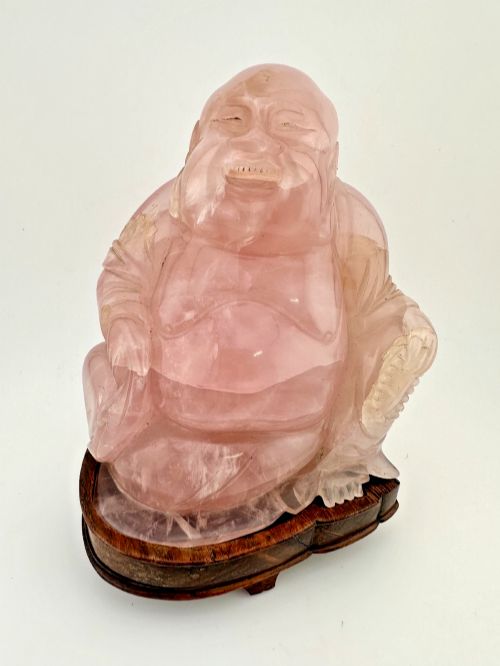
An oriental wooden stand holds an object in a room, bringing together dense timber and careful carving from diverse traditions.
Oriental Wooden Stand
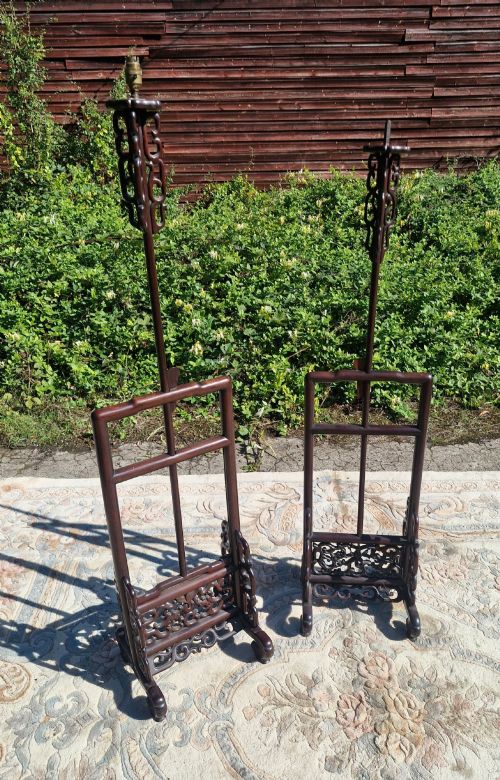
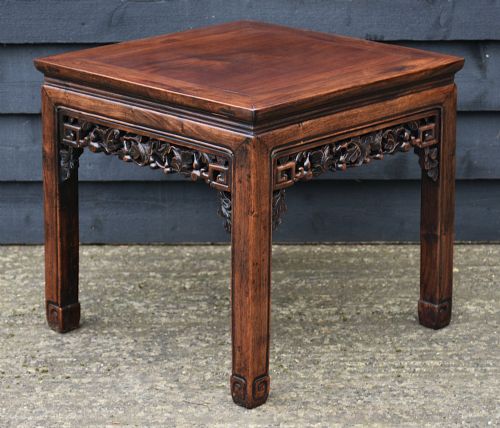
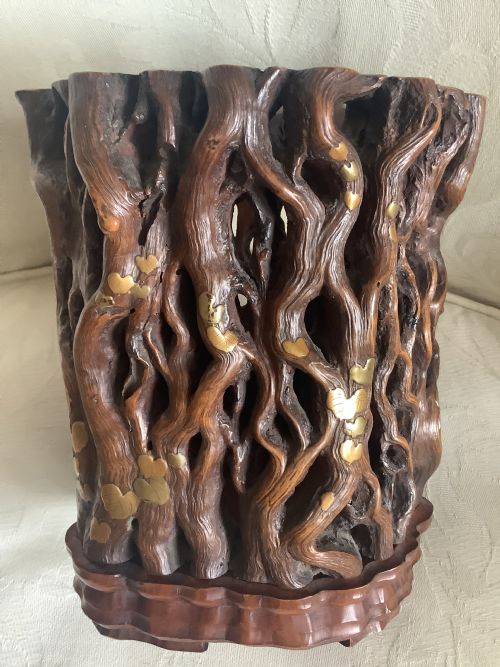
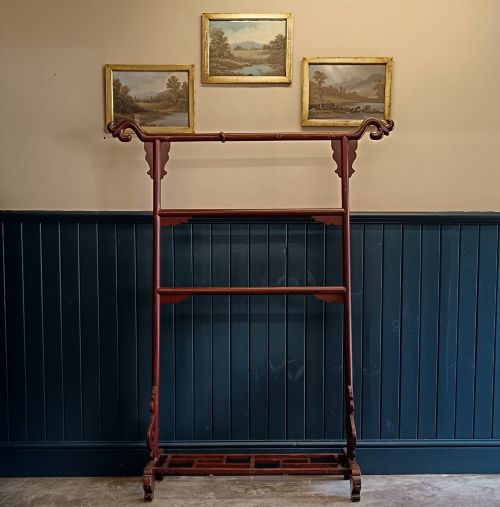
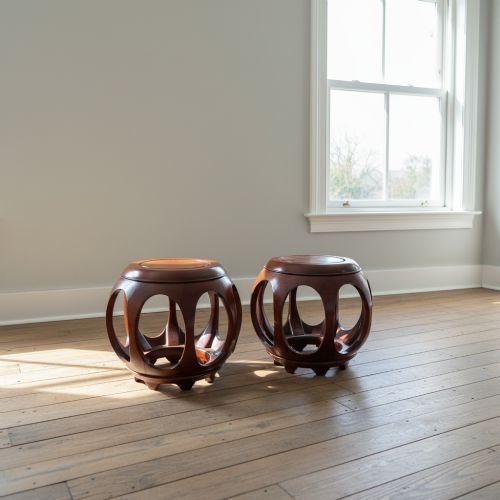
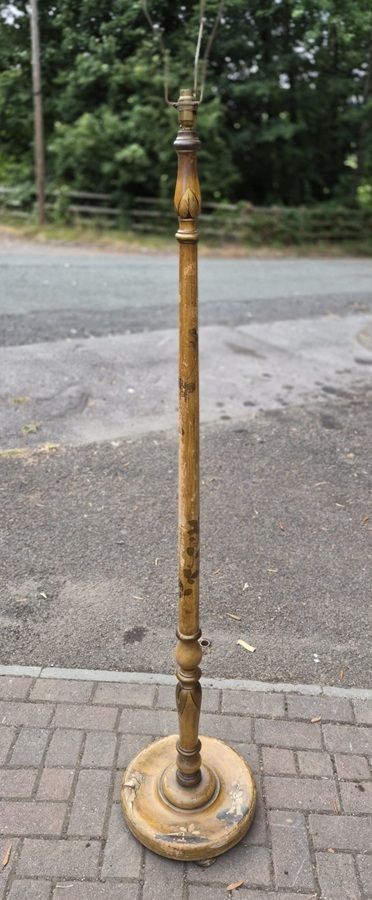
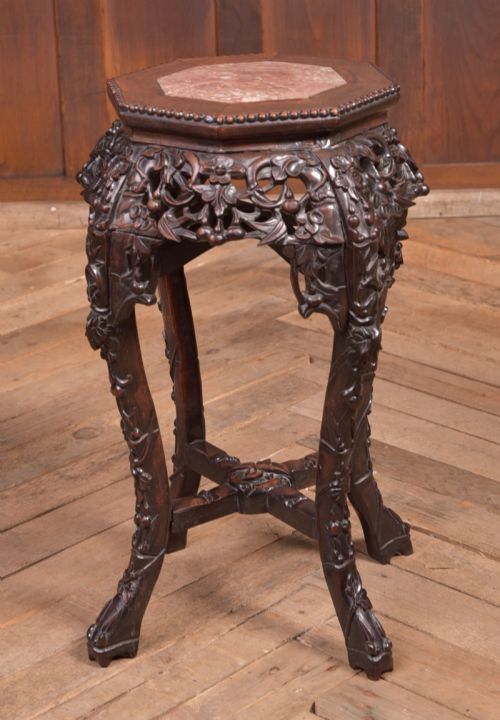
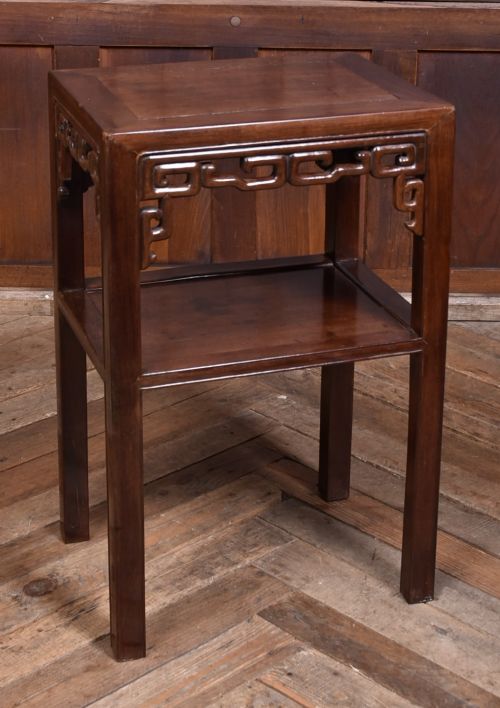
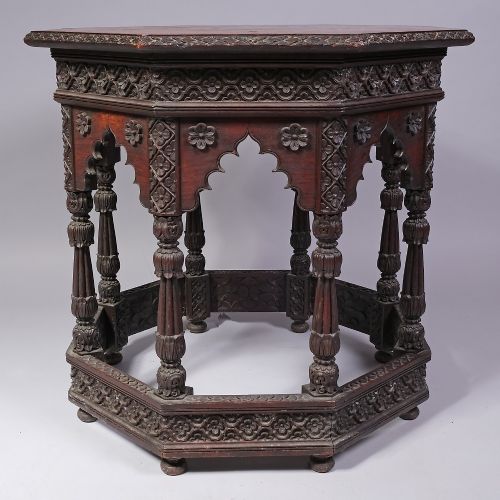
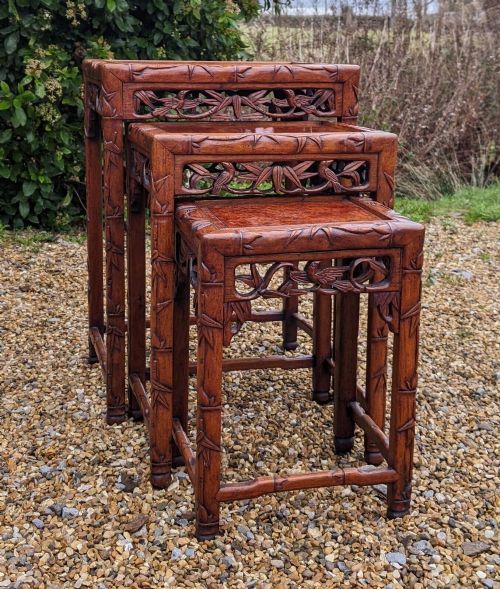
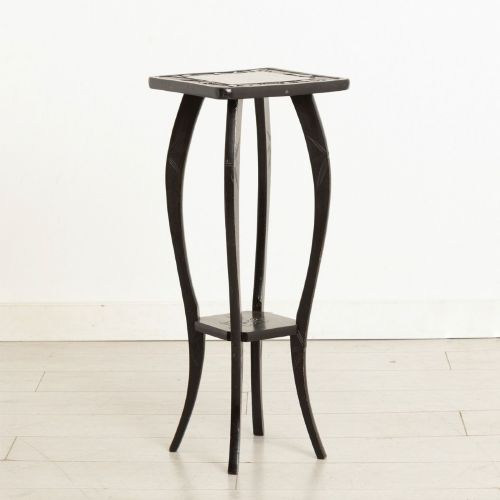
When searching for an oriental wooden stand, one encounters low tables, jardiniere supports, and display bases designed to elevate objects or furnish domestic interiors. These items emerge from the nineteenth century into the early decades of the twentieth century, reflecting periods such as the Victorian, Edwardian, Meiji, and Qing eras. The physical forms span plant stands, barrel stools, vase tables, and pedestal supports alongside occasional tables and garment racks.
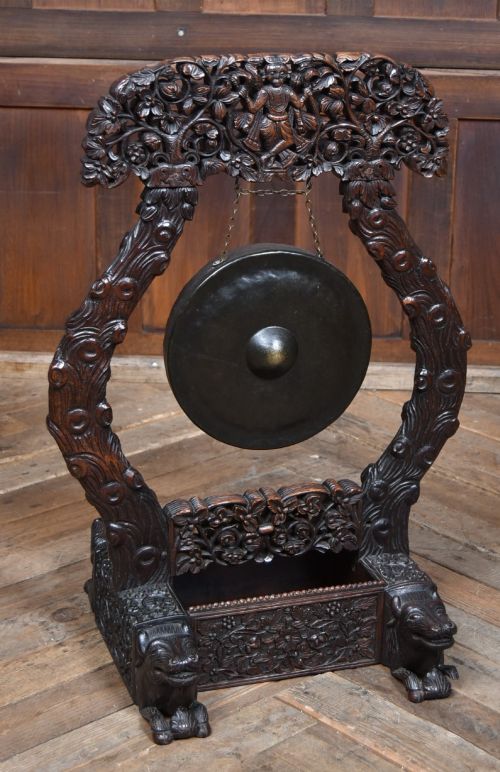
The aesthetic vocabulary draws upon traditional carving techniques, geometric joinery, and inlaid details that vary by workshop and destination market. Pieces originating from workshops in China, India, and Japan demonstrate distinct regional preferences in timber selection and decorative motifs. Each form serves a domestic function, whether holding a tea ceremony bell, a bonsai display, or a ceramic jardiniere.
Materials and construction
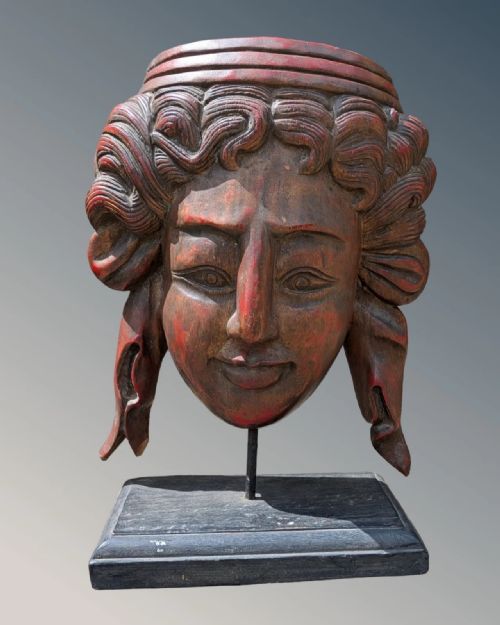
Maker workshops utilise dense timbers such as rosewood, teak, huanghuali, and general hardwood alongside softer burr woods for contrasting panels. These woods are shaped through hand carving, mortise and tenon joinery, and structural framing designed to support heavy marble tops or bronze sculptures without warping. Surface treatments incorporate traditional lacquer, polychrome paint, and giltwood highlights to accentuate the grain and carved relief.
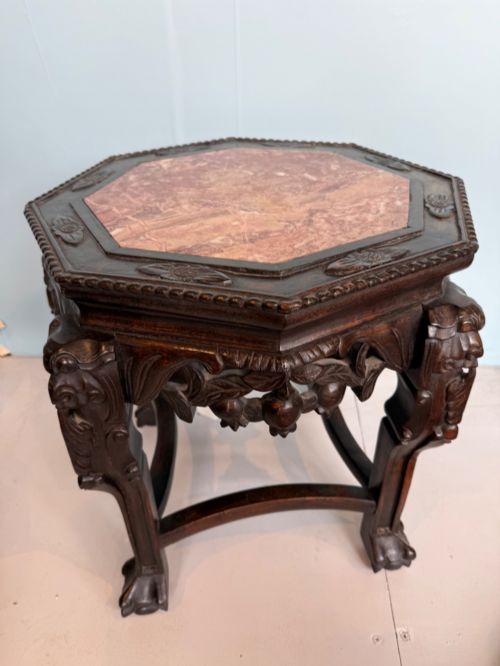
Inlaid details involving mother of pearl, brass wire, and contrasting wood veneers frequently embellish the structural surfaces of tables and stands. Marble inserts are bedded directly into wooden frames to provide a stable, cool surface for plants and ceramic vessels. Carved elements range from pierced floral aprons to animal figures, executed entirely by hand with specialised chisels and gouges.
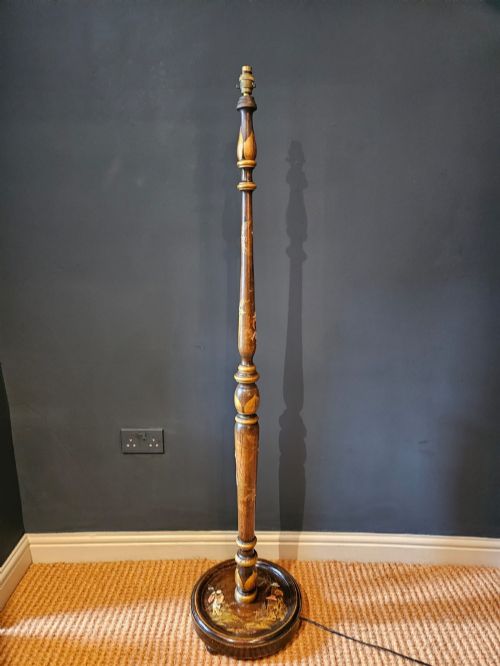
Listings feature periods spanning from the eighteenth-century Chinoiserie coffer to Edwardian lamp standards and Meiji period cabinetry.
Assessing quality
Quality rests upon the density and selection of the timber, the crispness of the hand carving, and the integrity of the structural joinery. Superior examples exhibit tightly grained rosewood or heavy hardwoods with precise, deep relief carving that retains sharp edges without filler or soft spots. The integration of marble tops, where fitted, demonstrates meticulous masonry and joinery that sits flush within the surrounding wooden frame.
Finer pieces display an absence of structural movement, utilising traditional interlocking joints rather than modern adhesives or metal fasteners to maintain stability. The finish - whether polished lacquer, wax, or oil - highlights the natural figure of the wood rather than masking surface irregularities. Attention to detail on unseen undersides and interior framing consistently separates standard utilitarian items from exceptional workshop productions.
The Oriental Wooden Stand Glossary
- Hardwood
- Timber derived from broad-leaved trees, including rosewood and teak, prized for density and resistance to wear. These heavy woods form the structural core of most nineteenth-century display tables and stools.
- Jardiniere
- A decorative pot or stand intended to hold growing plants or floral arrangements. Such stands frequently incorporate water-resistant marble tops to protect the underlying timber.
- Chinoiserie
- European interpretation and imitation of Chinese artistic traditions, popular in furniture and decorative arts during the eighteenth and nineteenth centuries. This style utilises lacquer, gilt, and painted motifs on standard European furniture forms.
- Cloisonné
- Enamelling technique where thin metal wires form compartments on a metal base, filled with coloured paste and fired. This decorative method often appears on accompanying vessels displayed upon wooden stands.
Oriental Wooden Stand: Frequently Asked Questions
What were oriental wooden stands used for?
These pieces served practical roles in domestic interiors as elevated platforms for heavy porcelain vases, bronze sculptures, and potted plants. By raising objects off the floor or table surface, they protected delicate surfaces and granted prominence to valued ornaments.
In addition to display duties, certain forms functioned as small tea tables, occasional tables, or garment racks within domestic spaces. Their varied heights and top configurations accommodated specific ceremonial or everyday items.
How do I identify the period of a stand?
Dating relies upon timber choice, joinery construction, and stylistic markers associated with specific manufacturing eras like the Qing Dynasty or Meiji period. Nineteenth-century examples often display heavier, denser hardwoods and hand-cut joinery without modern mechanical fasteners.
Later pieces from the early twentieth century frequently incorporate commercial production methods, lighter secondary woods, or specific European-influenced styles like Edwardian Chinoiserie. Examining the tool marks and wear patterns on the underside provides further clues to age.
Are marble inserts original to these stands?
Marble inserts were routinely incorporated into the tops of plant stands, pedestal tables, and vase supports during manufacture. The stone provided a durable, cool surface that resisted moisture damage from watered plants or hot ceramic vessels.
Replacement marble panels do occur over time due to accidental breakage, so inspecting the fit and edge finish helps determine originality. The stone should sit flush within the wooden rebate without excessive filler.
How should I care for antique hardwood?
Maintenance requires keeping the timber away from direct heat sources and rapid humidity fluctuations that cause wood to split or warp. Regular dusting with a soft, dry cloth preserves the finish without abrasive polishes.
Occasional application of traditional beeswax helps nourish dry wood and maintain the natural lustre of dense timbers like rosewood. Avoid liquid cleaners that might penetrate unsealed joints or degrade historic lacquer finishes.