





Rosewood Incense Stand
These rosewood incense stands are carved Chinese hardwood pieces created to hold vessels and vases.
Rosewood Incense Stand
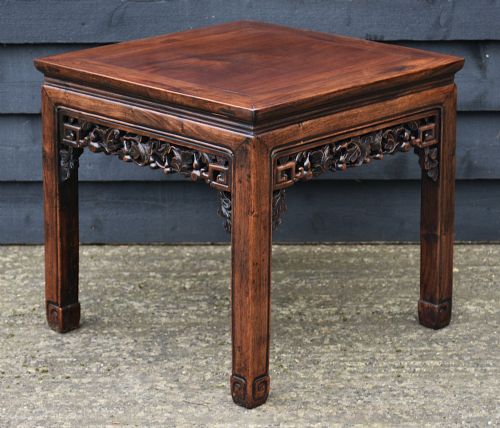
A rosewood incense stand is a low table, plant stand, pedestal, stool or occasional table designed for display in the Chinese export and Qing Dynasty tradition.
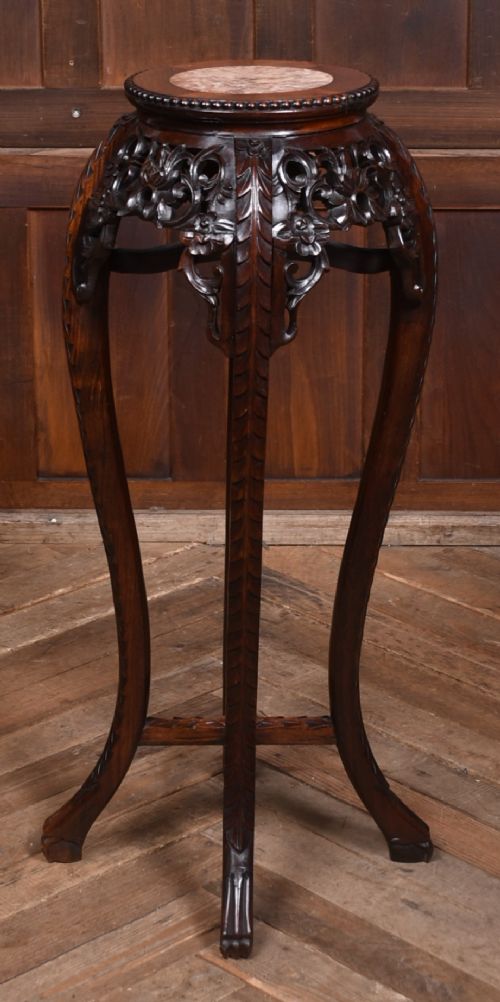
The pieces appearing here include low tables, pot stands, vase stands, end tables and dish-top stools originating from the nineteenth century and the early twentieth century.
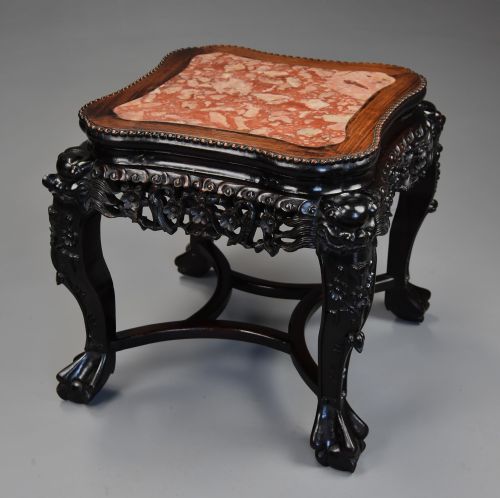
Buyers meet variations such as square low tables, marble-inset top tables, and carved huali hardwood stands dating from the Victorian period through to nineteen twenty.
How they were made
These items utilise dense rosewood and huali hardwood, often combined with inset marble tops for a contrasting surface.
Carving defines the construction, shaping the hardwood into low tables, pedestals and stools with detailed profiles.
Rosewood Incense Stand Retail Price Guide 2026
Typical asking prices for rosewood incense stand among the pieces listed under this phrase on Sellingantiques today, from the lower quarter to the upper quarter. They describe what is for sale here now, not the wider market.
Listings feature hardwood, rosewood, and huali wood alongside marble inset tops from the nineteenth and early twentieth centuries.
What varies in quality
Quality rests in the crispness of the hardwood carving and the careful fitting of the marble inset tops.
The selection of the timber, particularly figured rosewood and huali hardwood, distinguishes the finer examples.
The Rosewood Incense Stand Glossary
- Huali wood
- A dense Chinese hardwood prized for furniture and stands. It yields a strong grain suitable for carved details.
- Marble inset
- A stone slab fitted directly into the wooden top of a stand. This provides a cool, smooth surface for vases and pots.
- Low table
- A compact table standing close to the floor. These pieces serve secondary display functions in a room.
- Qing Dynasty
- The final imperial dynasty of China, spanning from sixteen forty-four to nineteen twelve. Pieces from this era reflect traditional woodworking and carving techniques.
Rosewood Incense Stand: Frequently Asked Questions
What were rosewood incense stands used for?
These pieces were built to support incense burners, vases, and decorative vessels in traditional interiors. Their sturdy hardwood construction held heavy ceramic and bronze objects securely.
Over time, collectors adapted them as small side tables, plant stands, and low display surfaces for various decorative items.
How do I identify a Qing Dynasty stand?
Look for dense rosewood or huali timber combined with traditional carved motifs. The joinery and surface detailing reflect nineteenth-century Chinese export workmanship.
Many examples feature inset marble panels or shaped tops characteristic of the period's output.
How do I live with a rosewood stand?
Place the stand where it can support a single object, such as a ceramic bowl or a small plant. Keep it away from direct heat sources to protect the dense hardwood.
Maintenance involves simple dusting with a dry cloth to preserve the finish of the rosewood and huali surfaces.
What is the difference between a pot stand and a low table?
Pot stands and vase stands generally feature taller, narrower proportions designed to elevate a single vessel. Low tables offer a broader surface area closer to the floor.
Both forms utilise the same carved hardwood and marble inset construction methods seen across the period.