







Traditional Chinese Display Table
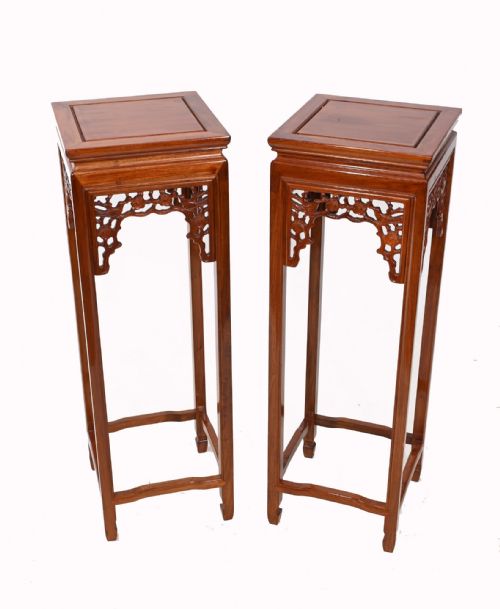
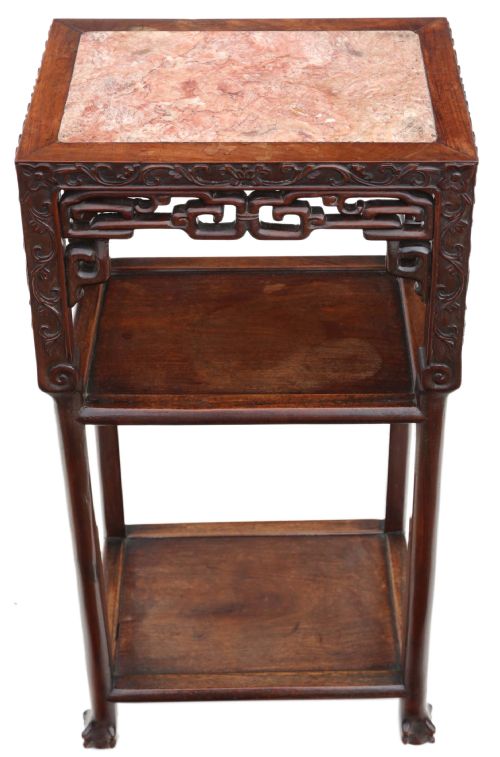
These traditional chinese display table pieces bring heavy hardwood and marble to a room, offering sturdy surfaces for vases and plants.

Traditional Chinese Display Table
A traditional chinese display table serves as a solid surface for plants, vases, and ornaments in a room. Buyers examining this page will find plant stands, pedestals, nests of tables, occasional tables, and console tables.
The pieces on this page span the nineteenth century, including items dated to eighteen eighty and nineteen ten. They draw on Qing dynasty styles and Chinese traditional forms, often appearing as matched pairs or individual stands.
Forms range from simple stools and side tables to multi-tiered stands and altar tables. Hardwood forms the core of these listings, frequently accompanied by marble insets.
How they were made
Craftsmen built these items using dense dark hardwoods, rosewood, and hongmu, selecting timbers capable of supporting heavy decorative objects. Joinery techniques allowed frames to hold weight without modern fasteners.
Makers integrated polished marble panels into table tops to provide cool, durable surfaces for porcelain and bronze vessels. Brass and mother-of-pearl details occasionally accent the wood structures.
Carved decoration draws on Qing dynasty motifs, shaping the aprons and legs of stands, pedestals, and nest tables. Surfaces received finishes that emphasised the natural grain of the timber.
Traditional Chinese Display Table Retail Price Guide 2026
Typical asking prices for traditional chinese display table among the pieces listed under this phrase on Sellingantiques today, from the lower quarter to the upper quarter. They describe what is for sale here now, not the wider market.
Materials recorded on this page include hardwood, rosewood, hongmu, marble, brass, and mother-of-pearl.
What varies in quality
The grade of timber dictates the substance of a traditional chinese display table, with dense hongmu and heavy rosewood sitting at the upper end of the scale. Plain secondary woods appear in simpler utility items.
Carving depth and precision separate standard production from superior examples. Crisp relief work on aprons and legs requires skilled hand labour, whereas softer execution appears on basic occasional tables.
Fitted marble inserts that sit flush within hardwood frames demonstrate careful carpentry. Variations in structural rigidity mark the difference between solid daily-use items and lighter decorative pieces.
The Traditional Chinese Display Table Glossary
- Hongmu
- A dense tropical hardwood favoured for traditional Chinese furniture due to its deep colour and heavy weight. It resists wear and takes a fine polish.
- Nest of tables
- A set of graduated tables designed to fit neatly beneath one another when not in use. They appeared frequently in Victorian interiors for serving tea or holding small objects.
- Plant stand
- A tall, narrow table or pedestal designed specifically to elevate potted plants or jardinières. These pieces prioritise vertical stability.
- Qing Dynasty
- The final imperial dynasty of China, lasting from sixteen forty-four to nineteen twelve. Its aesthetic heavily influences the carved motifs and forms seen on nineteenth-century tables.
- Altar table
- A long, narrow table traditionally used for ritual purposes in Chinese homes and temples. In Western interiors, they function as console or side tables.
Traditional Chinese Display Table: Frequently Asked Questions
What were traditional chinese display table pieces used for?
These tables served primarily to elevate decorative objects such as porcelain vases, bronzes, and potted plants within domestic spaces. Their varied heights allowed owners to create layered displays in reception rooms.
In nineteenth-century European homes, they were adopted to showcase imported Asian artefacts and furnishings. Nests of tables offered flexible surfaces that could be pulled out as needed for tea or small items.
How do I identify a Qing dynasty style table?
Look for characteristic carved motifs, such as scrolling foliage, dragons, or geometric borders along the aprons and legs. The use of dark hardwoods like hongmu and rosewood is also typical.
Proportions tend to be sturdy, with straight or slightly curved legs designed to bear significant weight. Many pieces incorporate inset marble panels on the top surface.
Where should I place a pedestal stand?
Pedestal stands suit corners, empty wall spaces, or flanking larger pieces of furniture where height variation adds interest. Their narrow footprint allows them to fit into confined areas.
Ensure the floor surface is level, as these tall structures rely on a stable base to support heavy vases or sculptures safely. Avoid placing them in direct sunlight to protect the hardwood finish.
How do I care for hardwood and marble?
Dust hardwood surfaces regularly with a soft, dry cloth to prevent dirt accumulation. Avoid silicone-based polishes, which can build up and dull the timber over time.
Clean marble inserts with a damp cloth and mild soap, avoiding acidic cleaners that can etch the stone. Use coasters or felt pads beneath objects placed on the marble.