
Asian Dark Wood Table
An asian dark wood table brings dense timbers and traditional joinery together, offering a grounded surface for display or daily use.

Asian Dark Wood Table
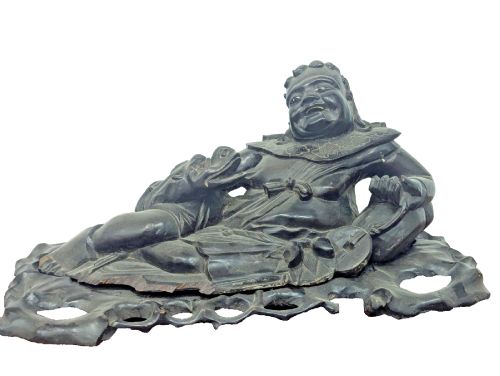
When searching for an asian dark wood table, collectors encounter a variety of forms rooted in traditional craftsmanship, predominantly originating from China and Japan. These pieces span centuries of production, including the Qing Dynasty and the Meiji Period, reflecting distinct regional designs.
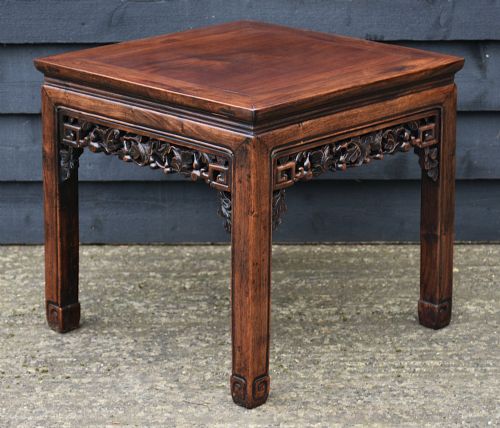
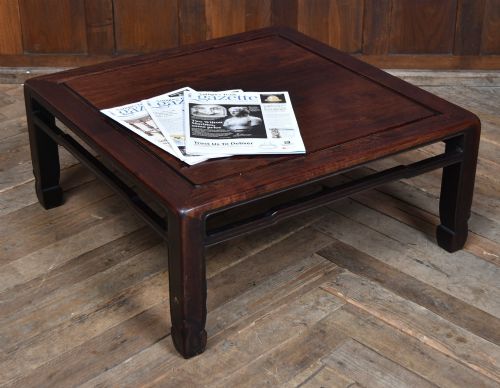
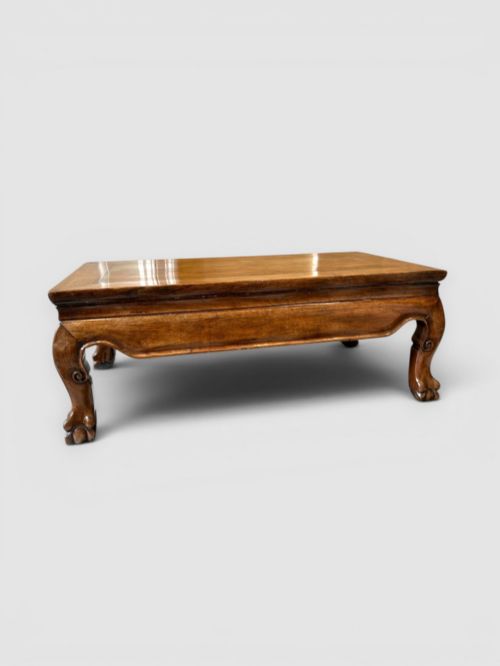
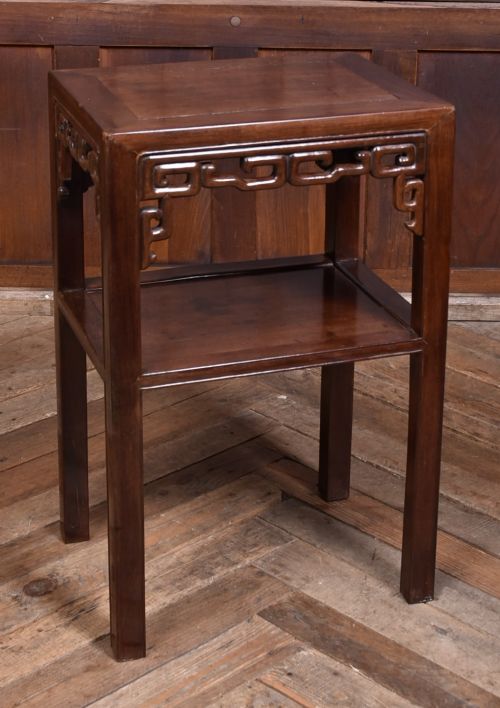
Low tables, coffee tables, and opium tables form a large portion of the available items, alongside plant stands and side tables. Makers frequently utilised dense timbers like rosewood, padouk, and elm to construct these functional household objects.
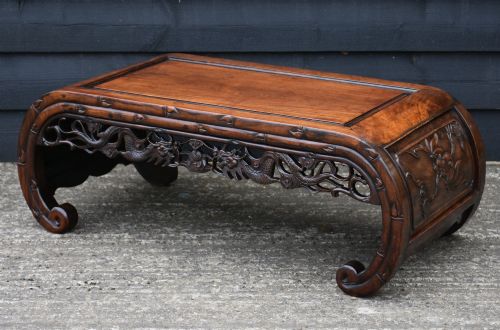
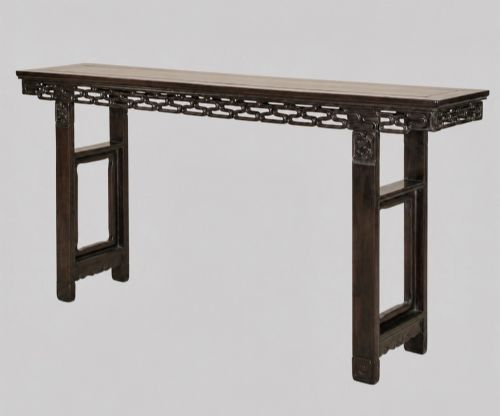
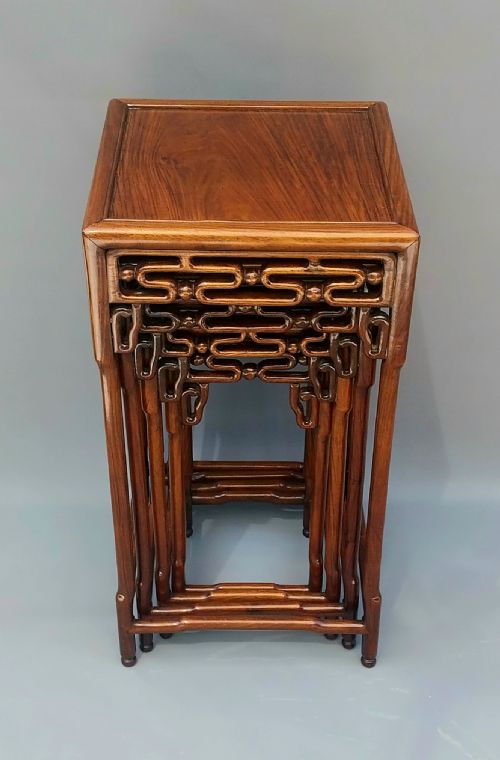
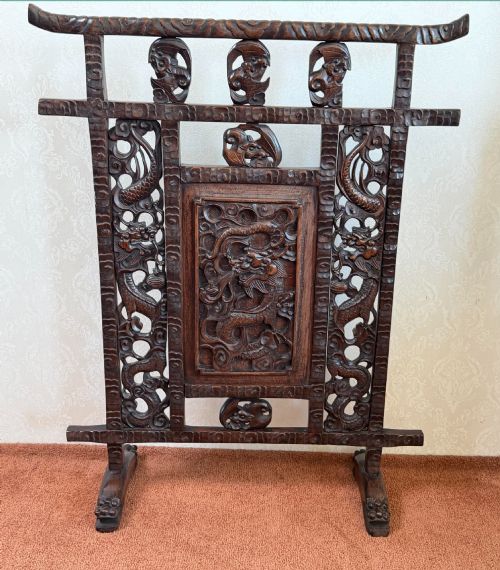
Surviving examples range from compact corner leg tables and nests of tables to larger altar tables and partners desks. Many incorporate marble inserts, lacquer work, or carved details such as dragons.
Materials and Construction
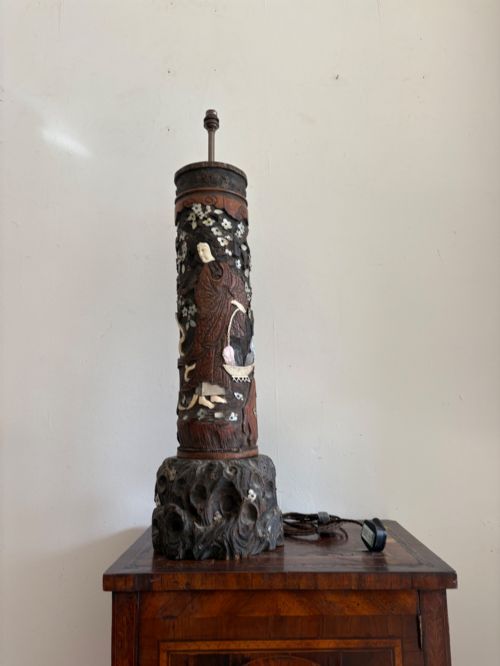
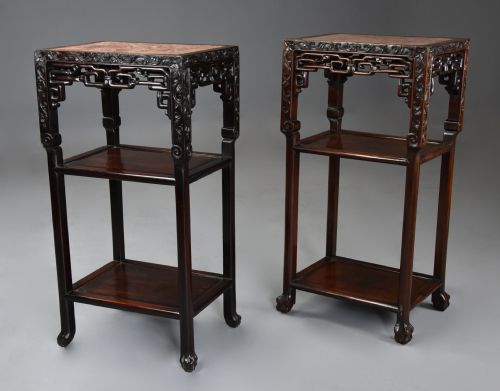
Construction relies heavily on dense hardwoods, specifically rosewood, padouk, and elm, selected for their strength and deep colouration. Artisans often combined these timbers with brass hardware, mother of pearl inlay, and marble top inserts.
Traditional joinery techniques allowed frames to hold firm without extensive metal fasteners. Carved motifs, such as dragon details, were worked directly into the solid wood surfaces.
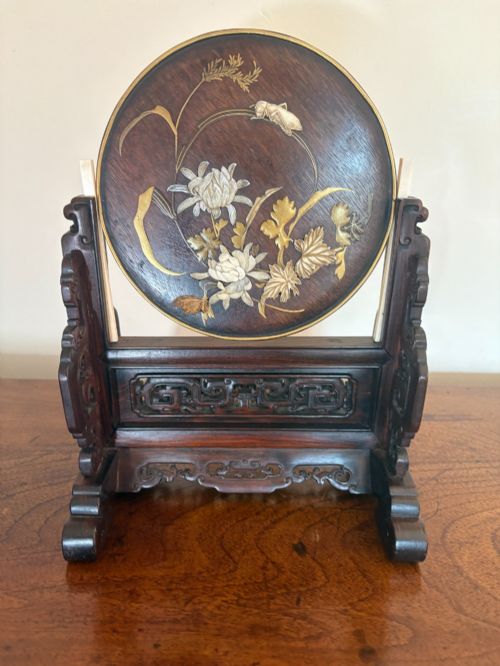
Object types seen on this page range from coffee tables and nests of tables to table screens, altar benches, and plant stands.
Assessing Quality
Quality rests on the selection of timber and the crispness of the carved ornamentation. Dense hardwoods like rosewood and hongmu command attention due to their weight and fine grain.
The integration of decorative elements, such as inlaid mother of pearl or fitted marble panels, separates standard production from finer workshop output. Crisp joinery and well-balanced proportions indicate skilled execution.
The Asian Dark Wood Table Glossary
- Opium table
- A low-standing wooden table traditionally used for social gatherings and leisure. These pieces often feature simple lines or subtle carved details.
- Altar table
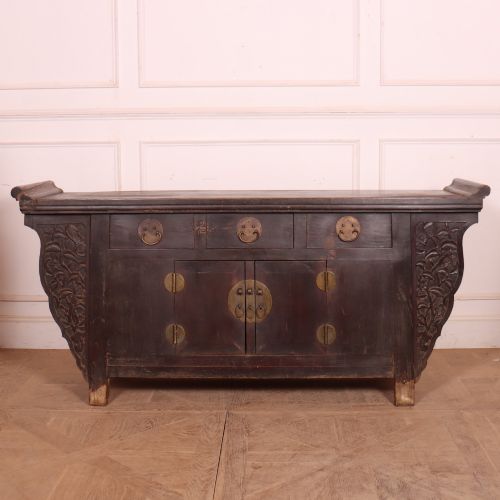
- A long, elevated table originally used for ceremonial purposes in homes or temples. They typically feature distinctive upturned ends or carved aprons.
- Hongmu
- A translation meaning red wood, referring to various dense tropical hardwoods used in fine Chinese furniture. It yields a heavy, dark finish.
- Shibayama
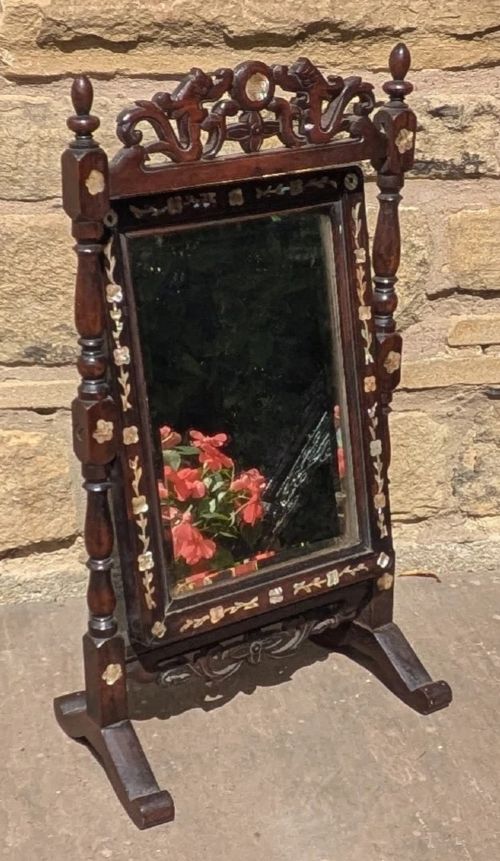
- A Japanese decorative technique involving inlaid materials like mother of pearl, ivory, and tortoiseshell. It appears on panels and screens.
- Hibachi
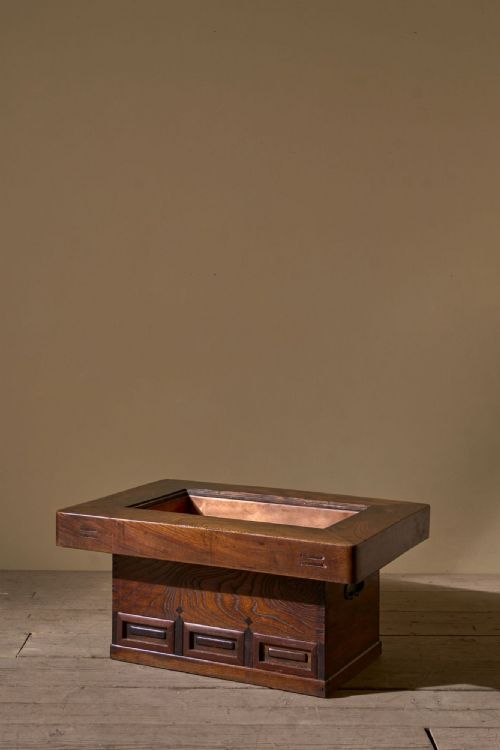
- A traditional Japanese heating device, often housed in a wooden container or table. They reflect domestic life of the Meiji period.
Asian Dark Wood Table: Frequently Asked Questions
What is an opium table?
An opium table is a low wooden piece designed for use while sitting on mats or cushions. They served various domestic functions beyond their original name.
These tables frequently feature robust hardwood construction and minimal carving, making them versatile for modern coffee table use.
How do I identify Chinese rosewood?
Chinese rosewood, including varieties like hongmu, is exceptionally heavy and dense. The timber displays a deep, dark colour with a tight, fine grain.
Examining the underside or unpolished areas reveals the true weight and natural tone of the hardwood.
What is a Meiji period stand?
A Meiji period stand is a piece of Japanese furniture manufactured between eighteen sixty-eight and nineteen twelve. These often incorporate detailed carving and inlaid elements.
Such stands frequently feature marble tops or delicate pot stand configurations suited for display.
How were altar tables used?
Altar tables served ceremonial and display purposes in traditional households and temples. Their elevated length made them focal points in a room.
Today, their narrow proportions and distinctive end flanges allow them to function well as console tables in hallways.