


Carved Wood Pedestal Table
These carved wood pedestal table examples combine solid timbers and central supports, offering sturdy utility and sculptural form for domestic interiors.
Carved Wood Pedestal Table
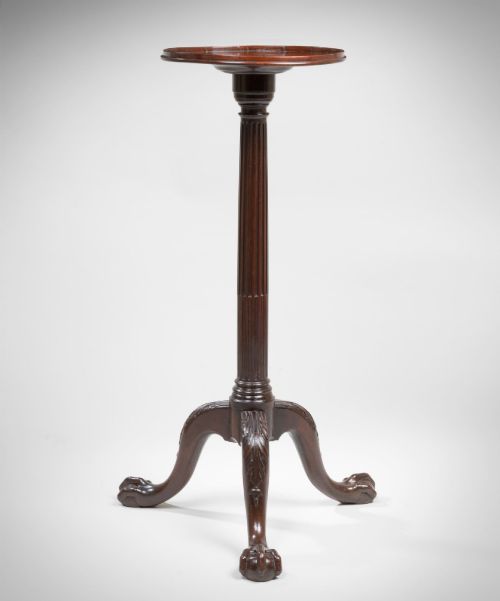
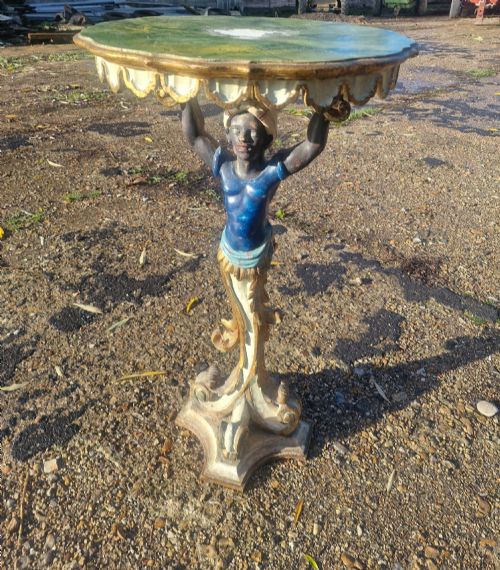
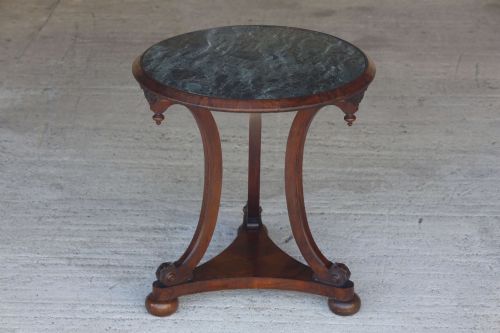
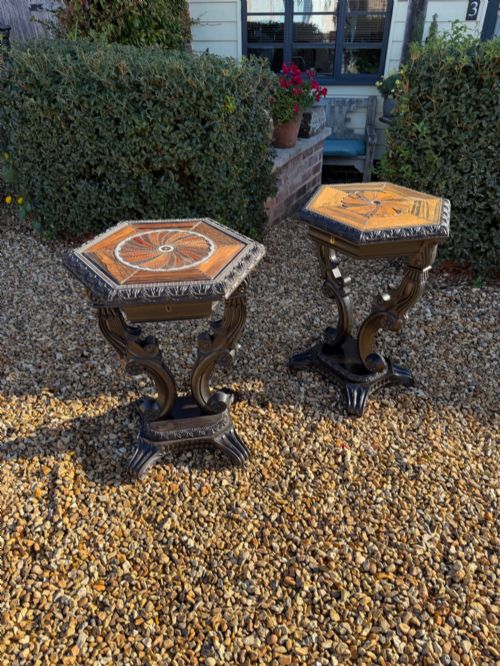
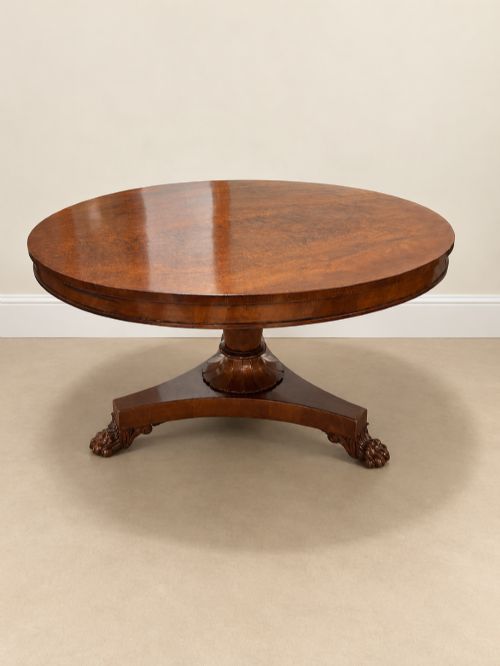
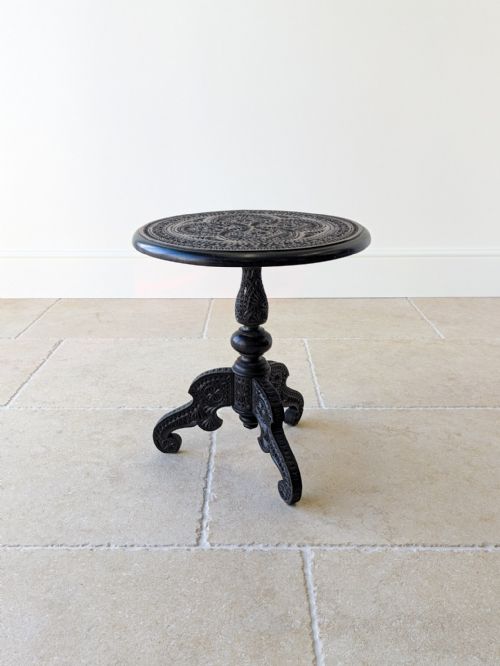
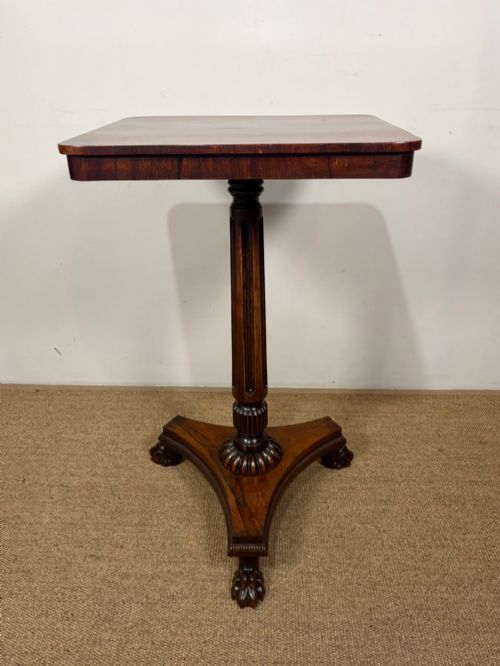
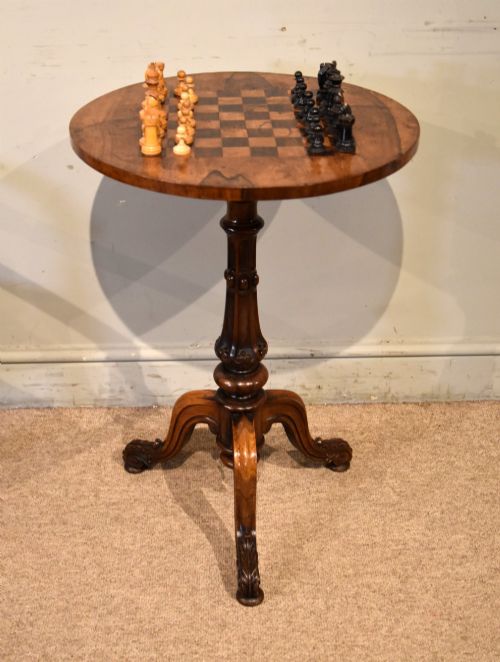
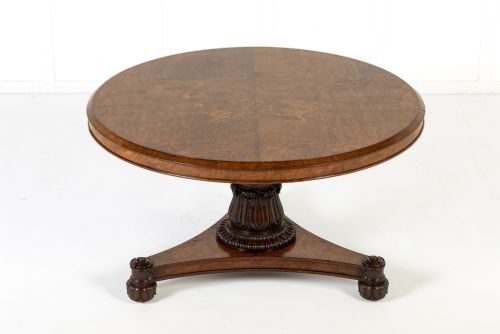
When you examine a carved wood pedestal table, you are looking at freestanding furniture supported by a central pillar rather than four corner legs. These pieces range from small wine and lamp tables to large dining and centre tables designed for specific domestic rooms.
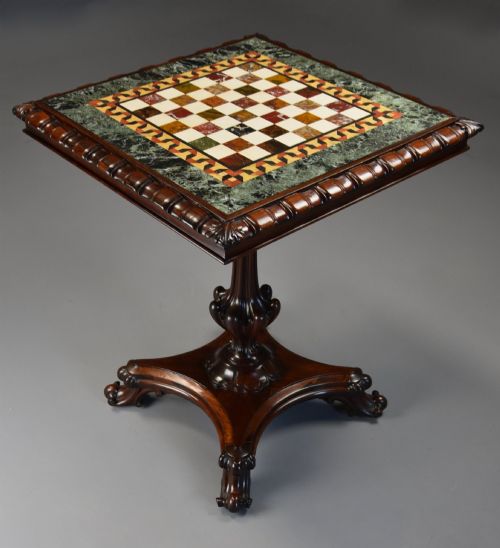
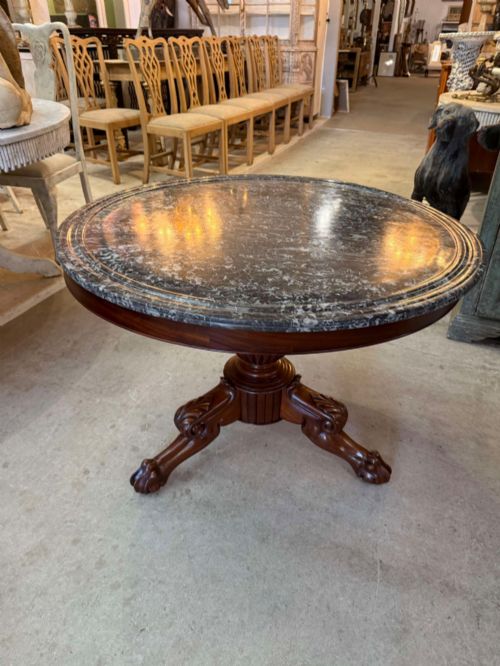
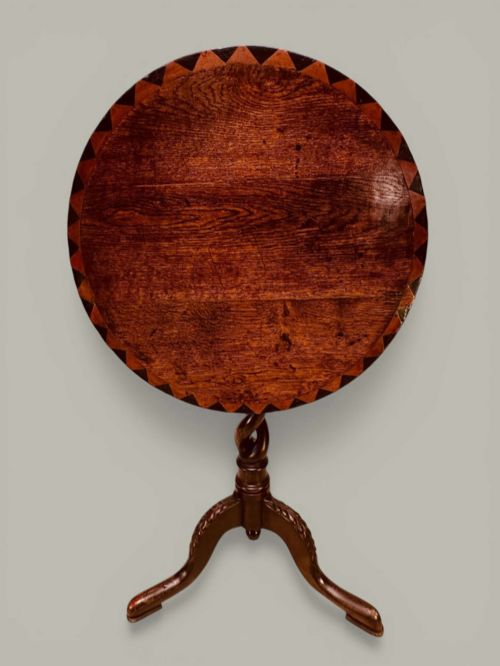
Victorian and nineteenth-century examples in rosewood, mahogany, and walnut appear most frequently in this selection. Formats include tilt-top occasional tables, card tables with foldover tops, and circular breakfast tables resting on triform or carved bases.
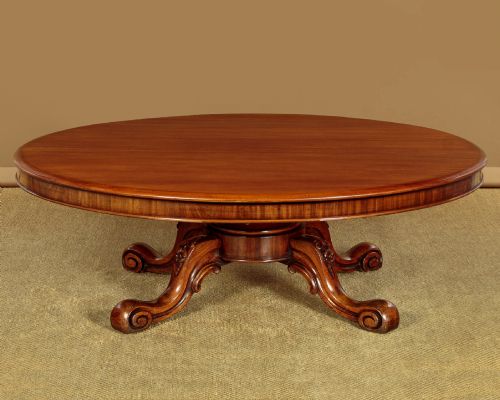
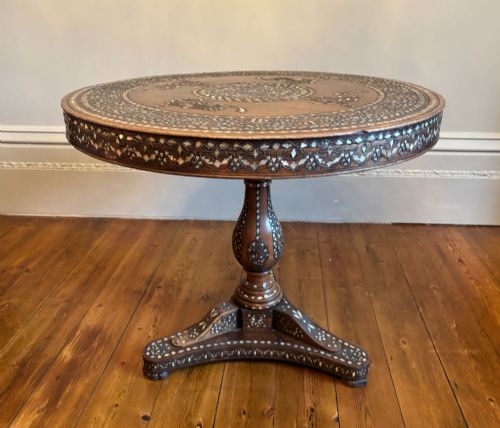
Origins stretch across English workshops, Anglo-Indian production, and French regional pieces, reflecting varied stylistic influences from Regency to Arts and Crafts. Buyers select them for their combination of compact footprints and decorative carving around the column and base.
How they were made
Cabinet makers utilised dense hardwoods such as rosewood, mahogany, walnut, padauk, and ebony to construct both the tabletops and the central turned or carved pedestals. These timbers provided the necessary structural strength to support heavy tops without requiring multiple legs.
Carving was executed by hand on the solid wood pillars, paw feet, and friezes, often supplemented by brass inlays, marble inserts, or figured wood veneers on the main surfaces. Joinery techniques included tilt-top mechanisms, pivot hinges for card tables, and sturdy pegged joints connecting the pillar to the base.
Carved Wood Pedestal Table Retail Price Guide 2026
Typical asking prices for carved wood pedestal table among the pieces listed under this phrase on Sellingantiques today, from the lower quarter to the upper quarter. They describe what is for sale here now, not the wider market.
One late Victorian piece includes an elephant table equipped with painted wooden tusks.
What varies in quality
The standard of carving on the central pillar and feet determines much of the visual merit, separating sharp, deep hand-chiselling from soft or mechanical shaping. Selection of timber also dictates grade, with highly figured burr walnut, rich rosewood grain, and solid mahogany commanding greater regard than plain secondary woods.
Structural integrity in the pedestal attachment and the stability of the tabletop mechanism govern mechanical worth. Tables that remain rigid on their bases without wobble or excessive wear in the tilt or pivot joints represent superior original construction.
Gillows
The Carved Wood Pedestal Table Glossary
- Pedestal
- A central vertical support that replaces traditional corner legs on a table. It distributes weight downward onto a shaped plinth or feet.
- Triform base
- A three-sided foot arrangement beneath the central pillar, frequently terminating in scroll or paw feet. It provides balance for circular dining and breakfast tables.
- Card table
- A folding table with a hinged top that opens to reveal a baize-lined playing surface. Many examples include a concealed well beneath the top for counters or cards.
Carved Wood Pedestal Table: Frequently Asked Questions
Where do I put a pedestal table?
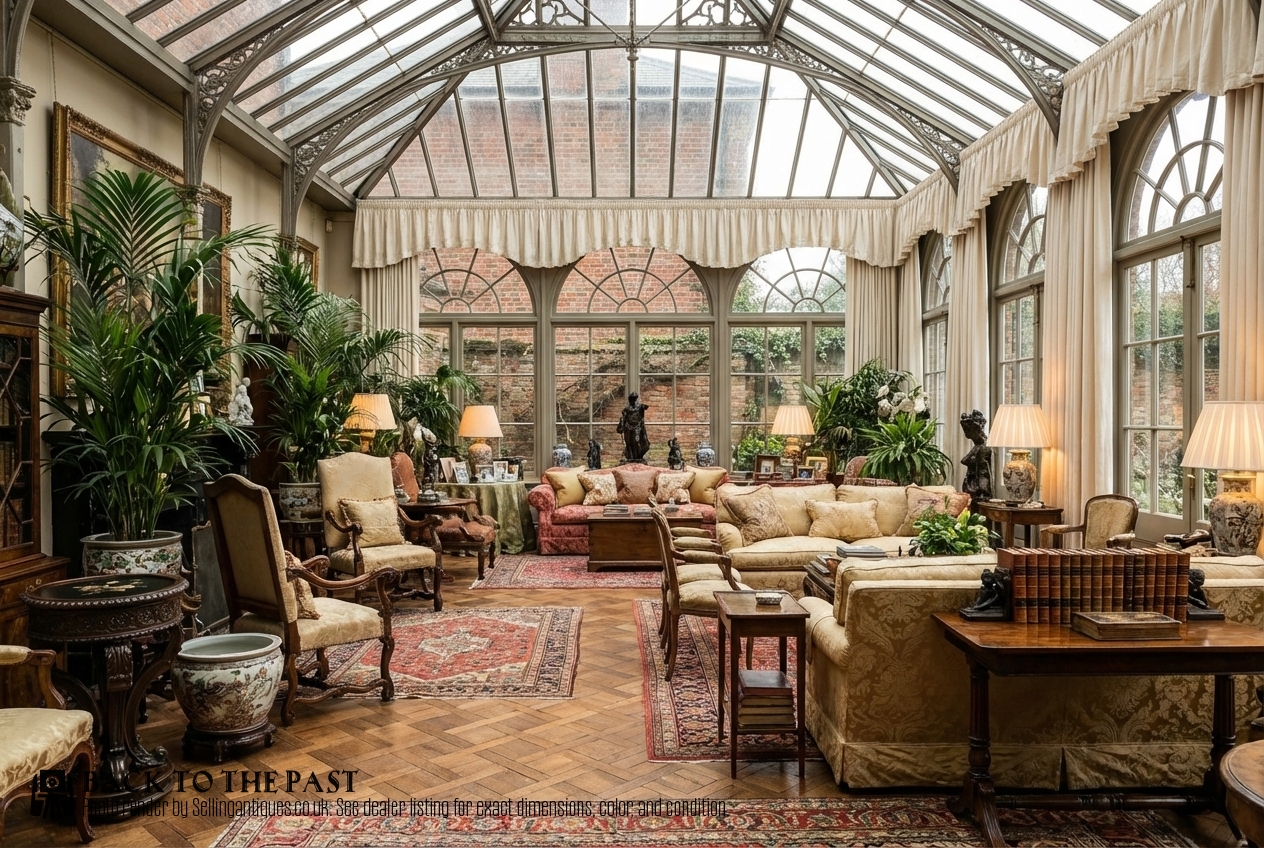
These tables suit centre placements in reception rooms, corners for lamps, or beside seating as wine tables. Their central pillar allows chairs to tuck underneath easily without corner legs obstructing placement.
Larger circular versions function well as dining or breakfast tables in the middle of a room where a focal point is required.
How do I care for rosewood and mahogany?
Maintain timber surfaces by dusting with a dry cloth and avoiding placement near direct heat sources or strong sunlight. Wax polish applied sparingly preserves the sheen of nineteenth-century finishes.
Protect marble inserts and wooden tops from moisture by using coasters and mats during daily use.
What is the difference between a tilt-top and a fixed table?
Tilt-top tables feature a hinged mechanism allowing the surface to flip vertically for storage against a wall. Fixed tables maintain a rigid connection between the top and the central pillar.
Tilt mechanisms were common on occasional and breakfast tables to save space in smaller domestic rooms.
How do I identify a Victorian table?
Victorian pieces often utilise dense rosewood or burr walnut with rich grain patterns and heavy carved pedestals. Look for platform bases, paw feet, and robust joinery typical of nineteenth-century workshops.
Details like brass castors beneath the feet and turned columns point directly to this period.