


Victorian Colonial Furniture
Victorian colonial furniture combines sturdy campaign practicality with intricate regional craftsmanship, built for life in transit and distant postings.
Victorian Colonial Furniture
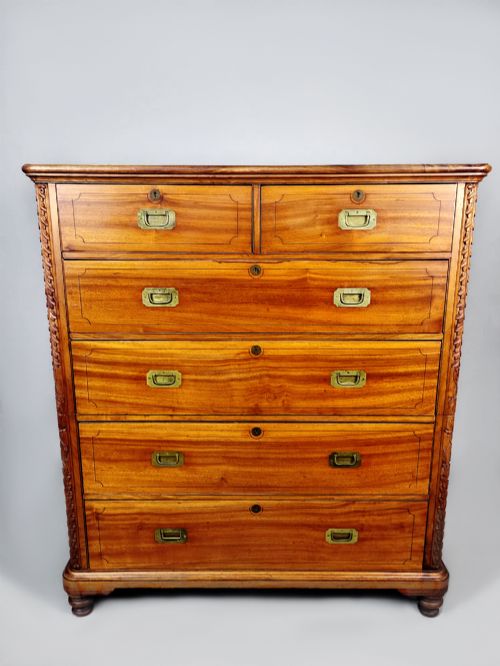
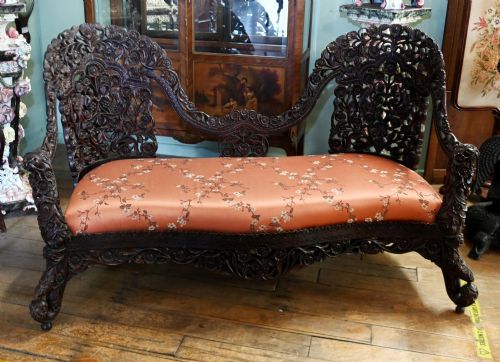
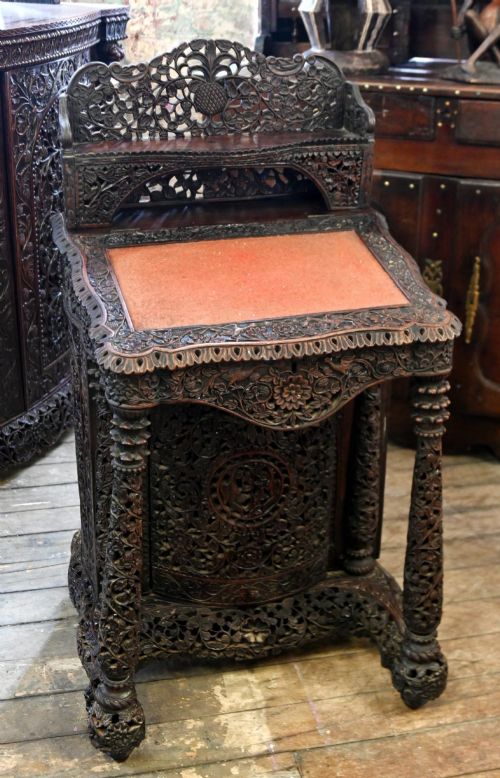
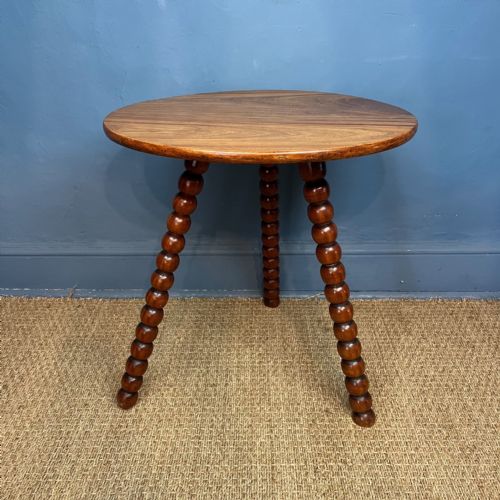
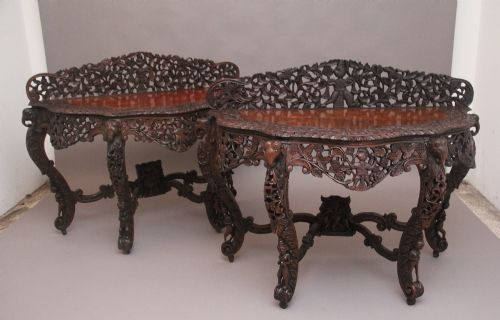
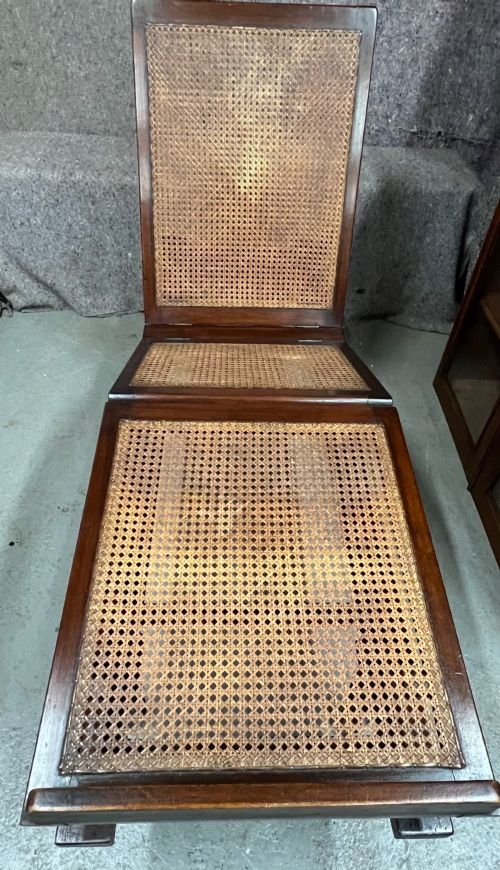
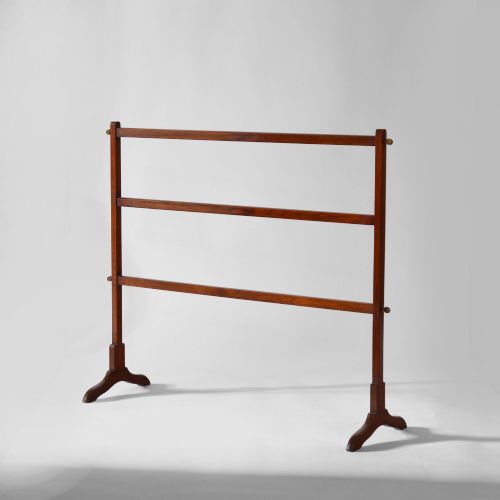
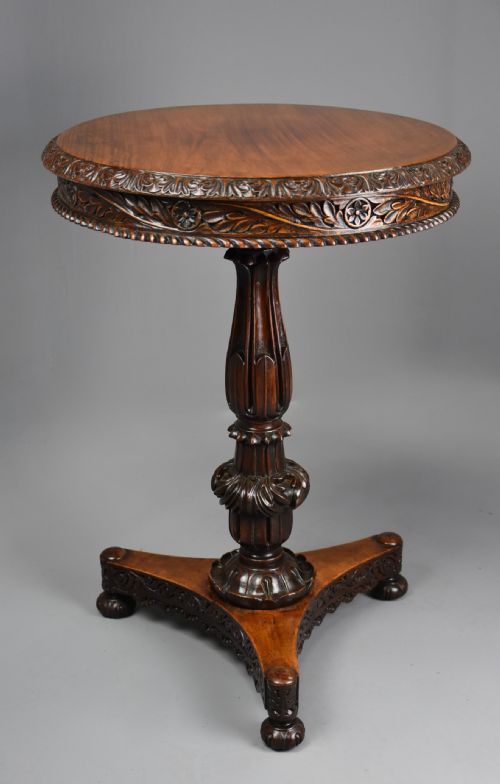
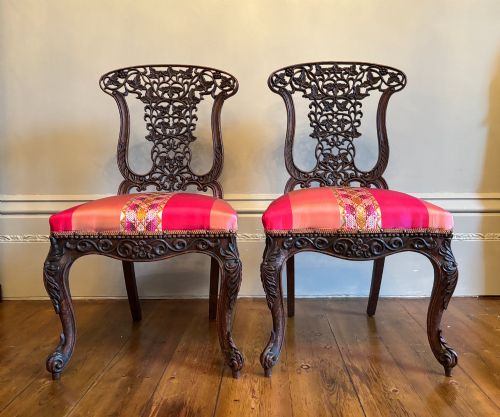
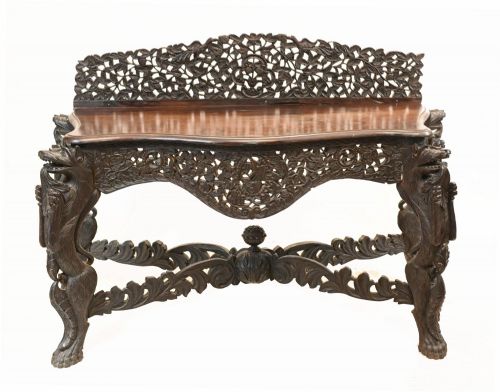
When you search for Victorian colonial furniture, you encounter robust campaign items and ornately carved Anglo-Indian pieces designed for British officers and administrators abroad during the nineteenth century. The selection ranges from modular chests of drawers and desks to occasional tables, cabinets, and seating.
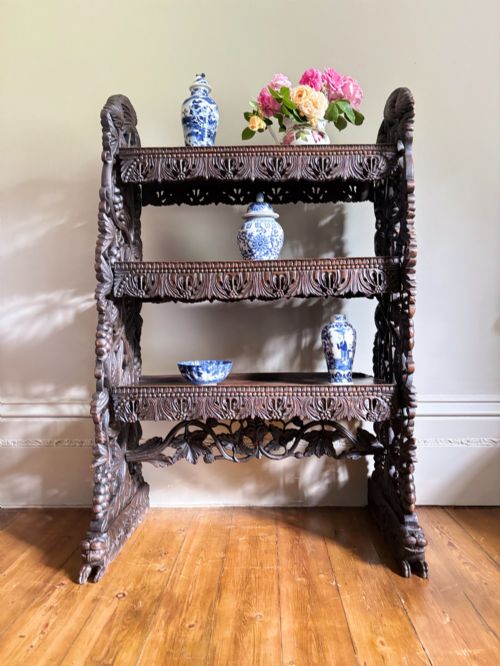
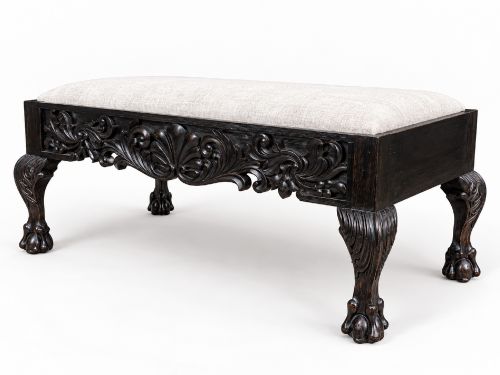
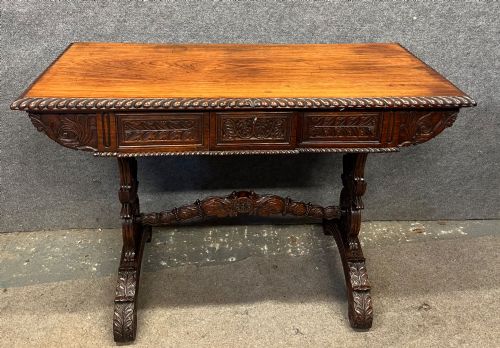
Teak, mahogany, padauk, and rosewood dominate the forms, frequently styled with campaign mounts or deep regional relief carving. These works reflect the intersection of British domestic taste and indigenous woodworking traditions across India, Burma, and Ceylon.
Materials and construction methods
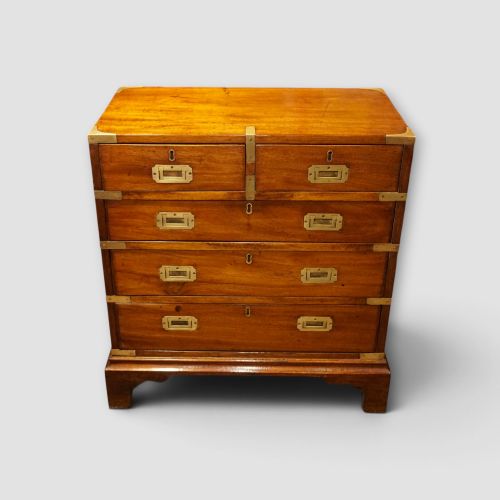
Dense tropical timbers such as teak, padauk, rosewood, and ebony provide the structural integrity required to withstand humid climates and frequent transit. Brass is utilised extensively for corner brackets, flush handles, and strapwork to protect vulnerable edges on campaign items.
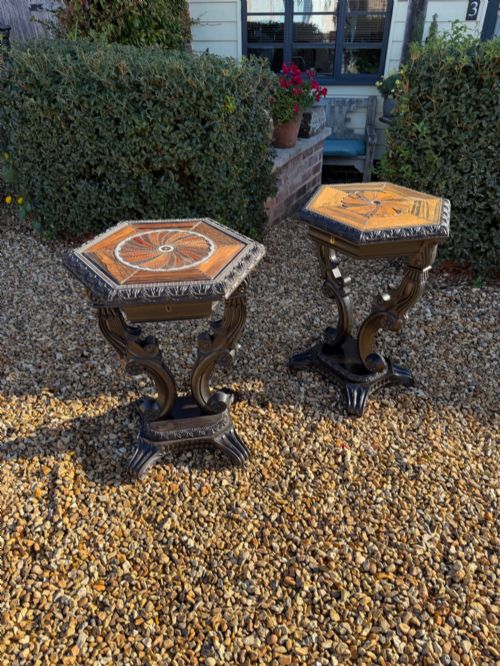
Joinery techniques balance portability with permanence, seen in modular chests built in sections and tables with tilt mechanisms. Intricate surface decoration involves deep relief carving, bone or ivory inlay, and marquetry depicting foliage, animals, and geometric patterns.
Victorian Colonial Furniture Retail Price Guide 2026
Typical asking prices for victorian colonial furniture among the pieces listed under this phrase on Sellingantiques today, from the lower quarter to the upper quarter. They describe what is for sale here now, not the wider market.
Listings span the nineteenth century, featuring teak, padauk, rosewood, and brass across campaign and Anglo-Indian styles.
Evaluating quality and execution
The degree of refinement in the hand-carved ornamentation separates standard production from exceptional examples, particularly in regional items from centres such as Hoshiarpur or Galle. Crisp depth in floral or animal motifs indicates skilled workshop execution.
Structural integrity depends on the retention of original brass hardware, flush-fitting campaign sections, and stable secondary timbers. Pieces retaining maker stamps or retailer plaques carry stronger documentation of their origins.
Army And Navy
The Victorian Colonial Furniture Glossary
- Campaign chest
- A modular set of drawers constructed in two or more stackable sections with recessed brass handles and corner brackets, designed for military transport.
- Padauk
- A heavy, durable reddish-brown tropical hardwood frequently utilised in Anglo-Indian furniture production.
- Teak
- A dense, weather-resistant timber native to South and Southeast Asia, chosen for its stability in humid conditions.
- Teapoy
- A small occasional table or box, often fitted with compartments, used originally for holding tea canisters.
- Marquetry
- The art of applying decorative pieces of veneer to a structural surface to form intricate pictures or patterns.
Victorian Colonial Furniture: Frequently Asked Questions
What is a campaign chest?
A campaign chest is a modular set of drawers built in sections so officers could transport their belongings easily during military relocations.
These pieces feature flush brass handles and corner brackets to prevent snagging and damage while on the move.
How do I care for tropical hardwood?
Tropical hardwoods like teak and padauk require stable indoor humidity levels to prevent the wood from drying out or splitting.
Apply a microcrystalline wax periodically to maintain the surface sheen without sealing the natural grain.
Where was this furniture made?
These pieces were produced in British colonial territories including India, Burma, and Ceylon during the nineteenth century.
Local workshops combined British forms with indigenous carving styles and native timbers.
How can I date these items?
Dating relies on timber choices, brass hardware styles, and construction methods associated with the Victorian era.
Mid to late nineteenth-century pieces often display specific regional motifs or retailer stamps inside the drawers.