
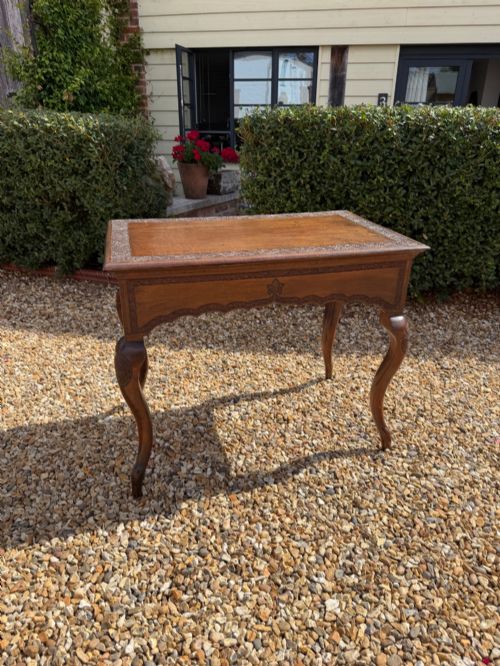
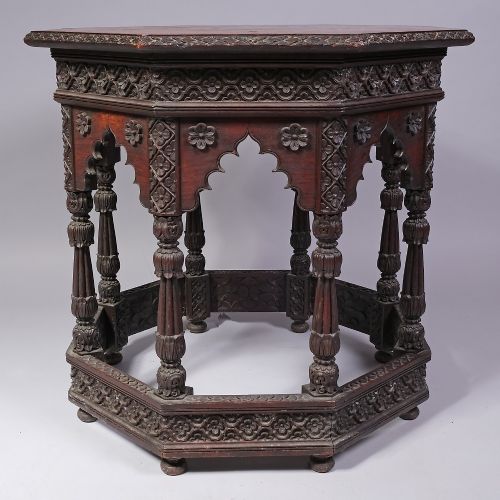
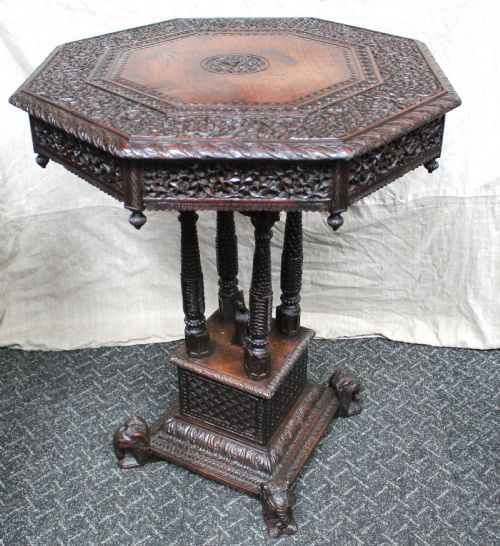
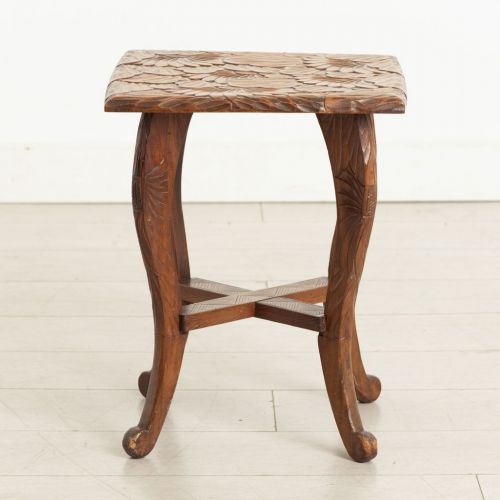


Hand Carved Occasional Table
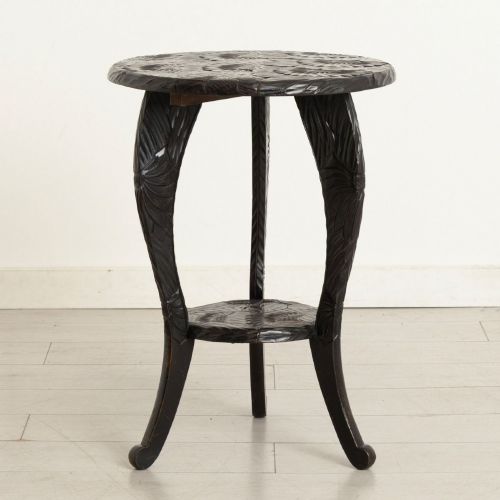
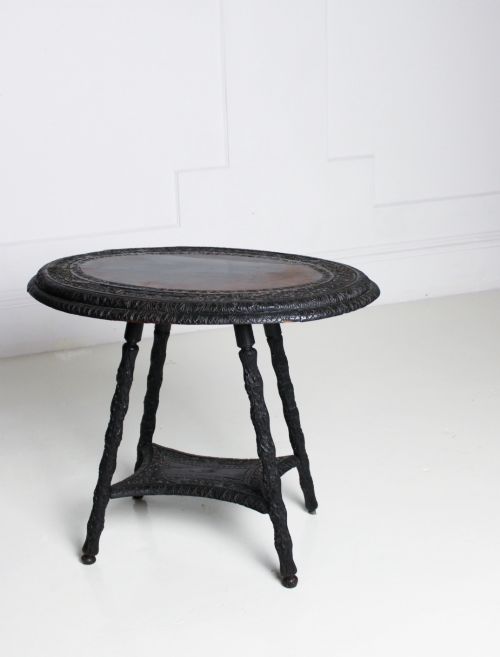
A hand carved occasional table brings intricate global craftsmanship and rich texture into a room, serving as a striking spot for a lamp or a cup.
Hand Carved Occasional Table
When searching for a hand carved occasional table, you encounter a wide variety of portable display surfaces, side stands, and coffee pieces produced across global trade routes during the nineteenth and early twentieth centuries. These items range from compact octagonal folding stands to nests of tables and low pedestal designs.
The most common examples on this page hail from the Indian subcontinent, Burma, and China, often categorized under Anglo-Indian, Anglo-Burmese, or Chinese Export styles. Makers utilised regional aesthetics to create functional furniture that suited British colonial tastes and domestic parlours alike.
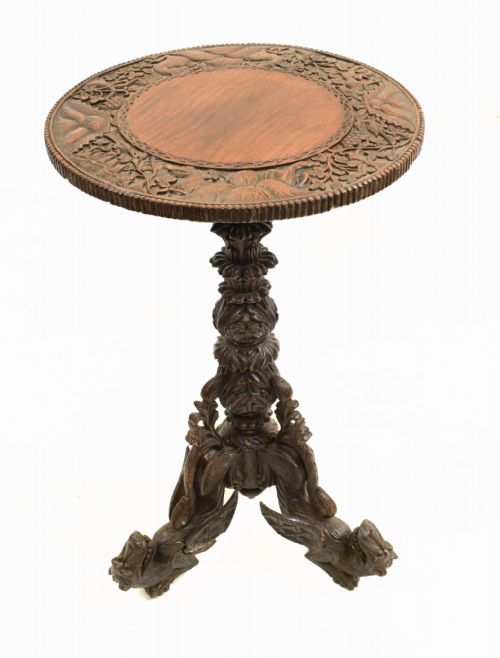
Forms vary significantly, from simpler circular tops supported by carved animal figures such as elephants and camels to heavily decorated geometric patterns. They function today just as they did originally: movable accents that anchor a corner or sit beside a chair.
How they were made
Artisans relied on dense regional timbers such as teak, walnut, rosewood, and general hardwood, selecting materials capable of holding sharp, deep relief carving. Walnut and teak provided the structural stability needed for folding mechanisms and intricate pierced work.
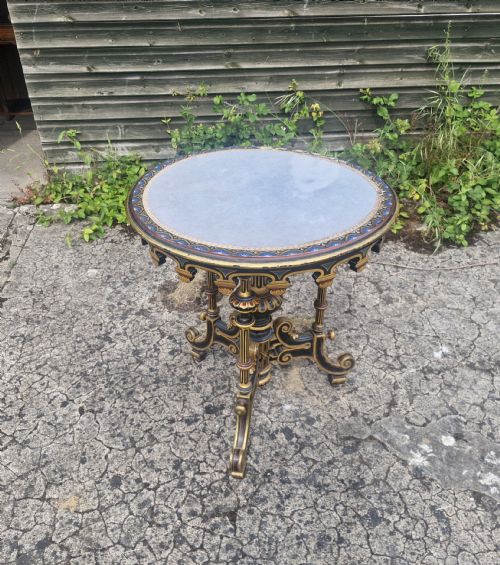
Surface embellishment frequently involved hand chiselling deep foliate motifs, dragons, or architectural scrollwork directly into the solid wood. Some tables incorporated contrasting elements like bone inlays, painted highlights, or fitted copper trays inset into the wooden frame.
Listings feature periods spanning from the 1800s George III era through the Victorian epoch and into 1920.
What varies in quality
The distinction between ordinary and exceptional work lies in the crispness and depth of the chisel marks across the timber. Superior pieces display finely detailed undercutting and balanced symmetry in the carving rather than flat, machine-like repetition.
Construction integrity also defines the tier of a piece, particularly in folding bases and nested sets where joints must align correctly without excessive wobble. The choice of timber grain and the complexity of the regional motifs elevate certain examples above standard export production.
Liberty of London
The Hand Carved Occasional Table Glossary
- Anglo-Indian
- Furniture made in India during the British period, combining local carving traditions with European forms. These pieces often feature dense foliate patterns and native hardwoods like teak.
- Octagonal
- Having eight sides. This geometric table shape is particularly common in Anglo-Indian and Middle Eastern occasional furniture.
- Japonisme
- The influence of Japanese art on Western design during the late nineteenth century. It appears in imported goods and European pieces inspired by Eastern aesthetics.
- Marquetry
- The art of applying pieces of veneer to a structure to form decorative designs. Victorian examples frequently utilise this technique on table tops alongside carved bases.
- Nest of tables
- A set of graduated tables designed to fit neatly beneath one another. They were popular in the Edwardian era for entertaining.
Hand Carved Occasional Table: Frequently Asked Questions
How do I date a carved wooden table?
Dating relies on examining the timber type, carving style, and construction methods. Pieces from the nineteenth century frequently show hand-tool marks and traditional joinery rather than modern fasteners.
Comparing the decorative motifs, such as Victorian foliate designs or specific colonial export styles, helps narrow the decade of production. Archives and maker signatures also offer precise markers.
Where should I place an occasional table?
These compact tables suit living rooms, hallways, or reading corners where surface space is needed without cluttering the floor. Their portable nature allows them to move easily beside a chair or sofa.
Many designs feature folding bases, making them practical for flexible room layouts. They function well holding small lamps, books, or decorative objects.
What woods were used in antique tables?
Carpenters utilised native timbers appropriate to the region of manufacture, including teak, walnut, rosewood, and general dense hardwoods. These woods offered the durability required for intricate relief carving.
Softer woods were occasionally used for painted or decorated surfaces, while luxury export items favoured heavily figured grain. The choice of material often reflects the geographic origin of the workshop.