




Carved Wood Netsuke
These carved wood netsuke are tactile toggles shaped as animals, figures and natural forms, designed to secure pouches and boxes to a traditional kimono sash.
Carved Wood Netsuke
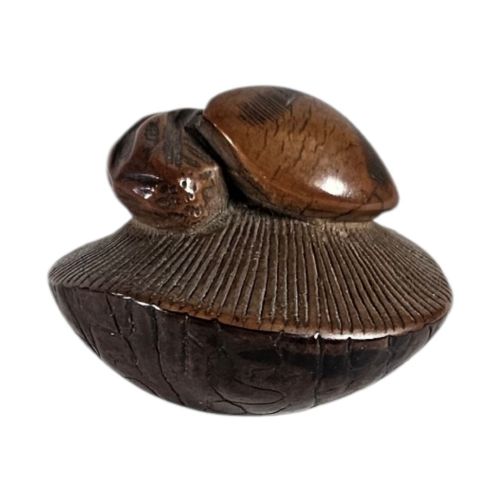
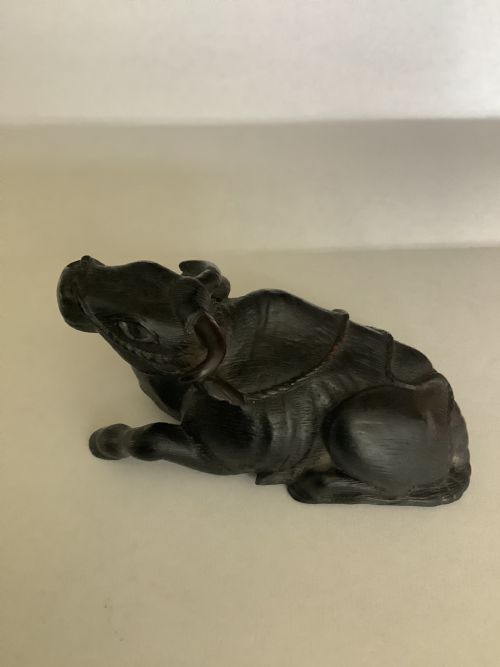
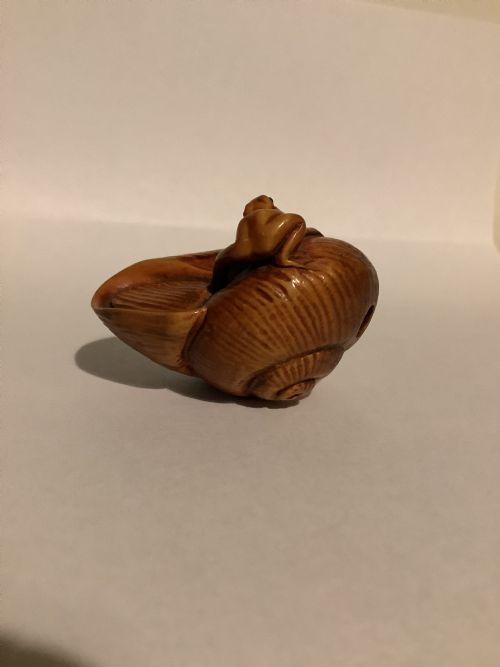
When you search for carved wood netsuke, you encounter miniature sculptures spanning the Edo and Meiji periods, alongside Edwardian examples. The most common material met here is boxwood, carved into subjects ranging from frogs and rodents to human figures and mythical deities.
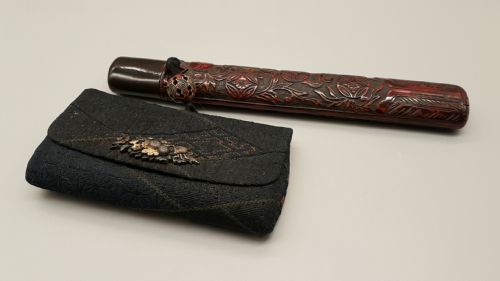
These objects served a practical function as toggles, known as netsuke, suspended from sashes to anchor tobacco pouches and containers. The listings encompass both standard button-like toggles and elongated sashi forms designed to tuck behind a sash.
Originating primarily within Japanese traditional craftsmanship, these pieces frequently depict subjects from folklore and nature, including snails on mushrooms, clusters of nuts and monkeys. The range extends from compact figural carvings to combined smoking accessories incorporating silk pouches and pipecases.
Judging quality in carving
Quality rests upon the depth of the carving and the naturalism of the form, distinguishing fluidly rendered animal subjects from rigid or flatly executed pieces. Superior examples display precise anatomical observation and a tactile finish that rewards handling from every angle.
Signatures by identified carvers elevate individual pieces, marking work executed with greater compositional ambition and control over material. The integration of himotoshi channels for cords, carved cleanly without disrupting the main design, further separates standard production from accomplished work.
Carved Wood Netsuke Retail Price Guide 2026
Typical asking prices for carved wood netsuke among the pieces listed under this phrase on Sellingantiques today, from the lower quarter to the upper quarter. They describe what is for sale here now, not the wider market.
The listings span boxwood, horn, silk, lacquer, metal and mother-of-pearl across the 19th century, Edwardian era, and Edo and Meiji periods.
Tomochika·Masayuki·Masanao·Masatada
The Carved Wood Netsuke Glossary
- Netsuke
- A miniature toggle used in traditional Japanese dress to suspend a container from a sash. They prevent the cord from slipping.
- Boxwood
- A dense, pale wood prized by carvers for its fine grain and suitability for intricate miniature detail. It develops a rich patina with handling.
- Meiji Period
- The era in Japanese history spanning from 1868 to 1912, characterised by opening trade and refined craftsmanship. Pieces from this time often show increased naturalism.
- Edo Period
- The period from 1603 to 1867 governed by the Tokugawa shogunate, when urban culture and portable arts flourished. Carvings from this era frequently depict traditional folklore and deities.
- Himotoshi
- The parallel or integrated holes through a netsuke for the cord to pass. Their placement and wear patterns indicate how the toggle hung.
Carved Wood Netsuke: Frequently Asked Questions
What is a carved wood netsuke?
A carved wood netsuke is a small, sculptural toggle historically worn in Japan to secure suspended pouches and boxes to a kimono sash. They combine practical fastening functions with miniature artistic expression.
Carvers shaped these objects from dense woods like boxwood into animals, humans and mythical figures, ensuring the piece could be handled comfortably and gripped easily.
How were netsuke used?
Netsuke functioned as counterweights and toggles for suspended items such as inro boxes or tobacco pouches. A cord passed from the pouch, through the netsuke, and tucked behind the sash.
The toggle hung outside the sash, keeping personal containers secure while allowing freedom of movement during daily activities.
How do I tell Edo and Meiji periods apart?
Edo period carvings typically reflect classical subjects and traditional styling, tied to the rigid social structures of the shogunate era. They often emphasise symbolic or folk themes.
Meiji period pieces often exhibit more dynamic naturalism and detailed observation, influenced by international exhibitions and changing artistic freedoms following the restoration.
Why are some netsuke signed?
Signatures indicate the carver or workshop responsible for the piece, often carved into the base or hidden within the design. Signed works usually reflect higher skill levels and deliberate artistic intent.
Unsigned pieces remain common, as many functional toggles were produced anonymously for everyday wear without bearing a maker's mark.