


Japanese Wooden Figurine
These Japanese wooden figurine items are carved works of art that bring traditional craftsmanship and character into any interior space.
Japanese Wooden Figurine
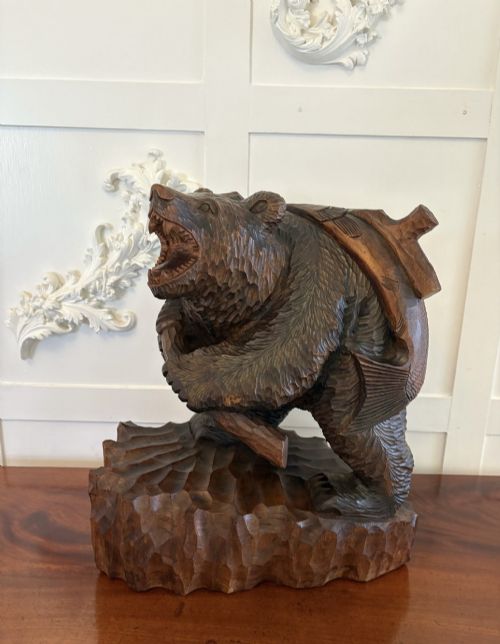
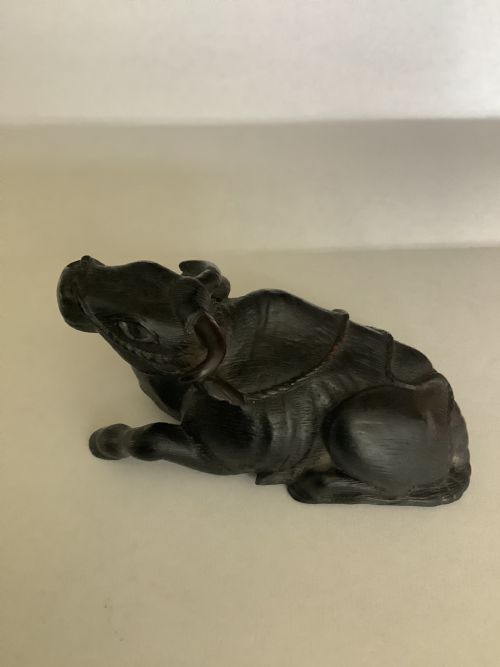
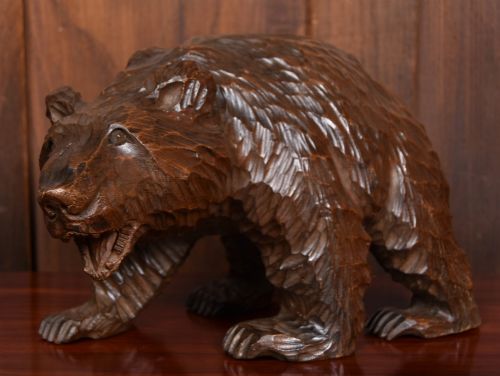
A japanese wooden figurine is a hand-carved sculptural object originating from periods such as the Meiji and Edo eras, alongside Edwardian interpretations. These pieces take the form of bears, traditional deities, animals, and human figures, reflecting rich cultural narratives. Collectors encounter compact netsuke and okimono alongside larger decorative sculptures.
How they were made
Carvers utilised boxwood, linden wood, hardwood, and general carved wood to shape these figures. Artisans applied hand-carving techniques, sometimes incorporating wood stain to accentuate grain and depth. Specific regional methods, such as the nata-tsukuri style involving hatchet work, left distinct surface textures.
Makers often signed their work directly into the material, marking individual authorship on pieces like netsuke and okimono. Detail work relied entirely on sharp hand tools to define fur, clothing folds, and facial expressions without modern mechanical assistance.
What varies in quality
Quality rests in the precision of the carving and the vitality of the subject matter. Superior pieces show expressive anatomical control in animals and expressive depth in human figures, while simpler examples remain stiff. Signed works by established carvers generally command closer attention for their refined execution.
The choice of medium also dictates the fineness achievable, with dense boxwood permitting microscopic detail compared to broader linden wood strokes. Surface preservation and the crispness of remaining tool marks preserve the original artistic intent.
Tomochika
The Japanese Wooden Figurine Glossary
- Netsuke
- A small carved toggle historically used to anchor a sagemono pouch to a kimono sash. These miniature sculptures often depict animals or mythological figures.
- Okimono
- A small Japanese display object intended for traditional interior decoration on a tokonoma shelf. They range from single figures to complex groupings.
- Meiji Period
- The era in Japanese history spanning from 1868 to 1912, characterised by opening trade and exceptional decorative arts production. Carvings from this time show high technical ambition.
- Kibori Kuma
- A traditional style of wooden carved bear originating from the Hokkaido region. These figures frequently carry salmon in their jaws.
- Boxwood
- A dense, pale wood prized by carvers for its fine grain and ability to hold intricate detail without splintering.
Japanese Wooden Figurine: Frequently Asked Questions
What is a netsuke?
A netsuke is a small carved toggle with two holes or channel paths for a cord, historically worn by Japanese men to suspend small containers from their sashes.
Over time, these practical items evolved into highly collectable miniature sculptures depicting animals, folk heroes, and daily life.
How do I display these figures?
These carvings suit stable display surfaces away from direct sunlight and sudden radiator heat, which can dry out natural timber.
Placing them on open shelves or within cabinets allows close inspection of the fine chisel marks and signed bases.
Are all these pieces signed?
Many fine pieces carry artist signatures carved directly into the underside or side of the wood, though plenty of authentic folk art remains unsigned.
Signatures add historical context but the overall skill of the carving remains the primary indicator of quality.
What is an okimono?
An okimono is a decorative statue meant for display in a Japanese home rather than for functional wear on clothing.
These sculptures portray deities, workers, and animals with great narrative detail and sculptural presence.