





Hand Carved Okimono
These hand carved okimono are sculptural Japanese figures in boxwood and hardwood, prized for their intricate detail and character.
Hand Carved Okimono
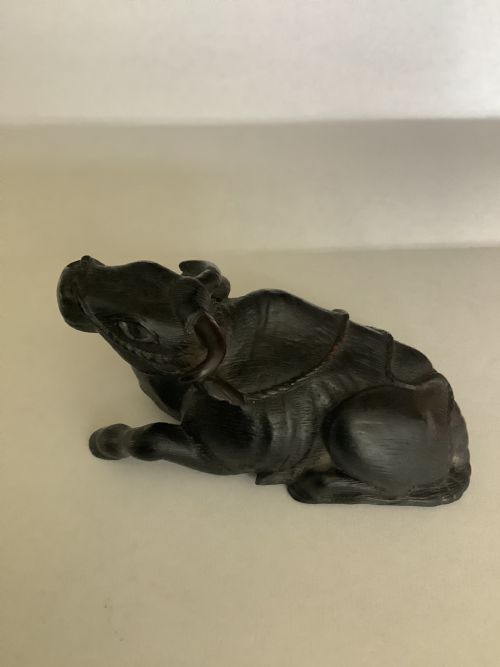
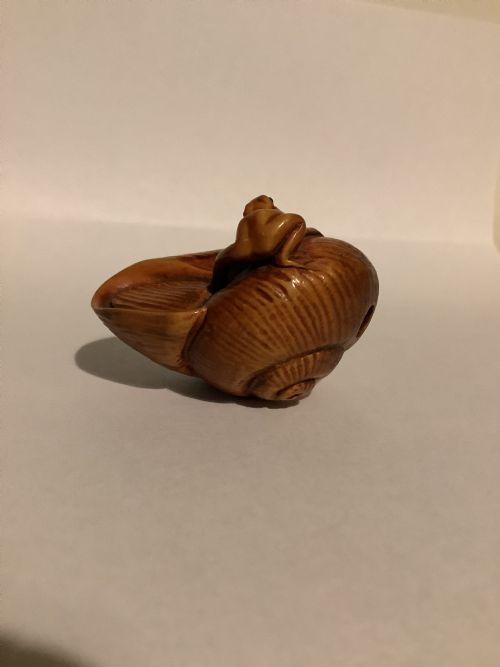
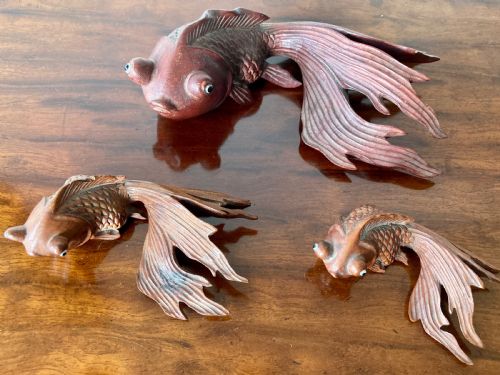
When you search for hand carved okimono, you encounter sculptural figures originating from Japan, mostly dating across the nineteenth century and the Meiji period. These decorative objects take the form of animals, deities and figures, such as Fukurokuju or a young boy sitting on a ram. Most examples on this page are carved from boxwood, dark stain or general hardwood, capturing small domestic scenes and natural subjects with great precision.
The selection includes related forms like netsuke and small wooden sculptures, reflecting traditional craftsmanship from the Edo and Meiji periods. You meet pieces depicting tigers, rodents, rabbits and clusters of nuts alongside human figures. Each item serves as a compact display piece, intended for close appreciation rather than large room decoration.
How they were made
Many pieces show a high level of signed craftsmanship, utilising the natural grain of the wood to strengthen slender components like limbs and ears. Artisans finished the surfaces smoothly, sometimes incorporating inset materials like glass for added realism in figures and animals.
Several carvings immortalize small creatures caught in the middle of a mundane day, including a very busy rodent.
What varies in quality
The distinction between ordinary and exceptional hand carved okimono lies in the liveliness of the carving and the depth of the detail. Finer works display realistic movement in subjects such as animals and figures, while simpler pieces remain stiff and formulaic.
Material choice and signature presence elevate certain pieces above others. Artisans who paid attention to the natural characteristics of boxwood and hardwood produced sharper lines and more durable miniature sculptures.
The Hand Carved Okimono Glossary
- Okimono
- A Japanese decorative display object meant for placement in a tokonoma alcove or on a shelf. These standalone sculptures range from human figures to animals.
- Netsuke
- A small carved toggle fastener attached to the end of a cord from a kimono pouch. They share materials and carving styles with okimono.
- Boxwood
- A dense, pale wood prized by carvers for holding extremely fine detail without splitting. It darkens gracefully with age.
- Meiji Period
- The era of Japanese history from eighteen sixty-eight to nineteen twelve, known for exceptional decorative arts produced for domestic and export markets.
Hand Carved Okimono: Frequently Asked Questions
What is an okimono?
An okimono is a traditional Japanese freestanding sculpture designed for indoor display on a shelf or in an alcove.
Unlike functional items, these carvings exist purely for aesthetic appreciation and storytelling.
How do I care for wooden okimono?
Keep wooden okimono away from direct sunlight and sudden temperature changes to prevent the timber from splitting.
Dust them gently with a soft, dry brush without applying modern polishes or oils.
Are these pieces signed?
Some pieces feature carved artist signatures, usually found on the underside or integrated into the design.
Unsigned examples remain common and rely entirely on the quality of the workmanship for identification.
What subjects do they show?
Common subjects include animals such as tigers, rabbits and rodents, alongside mythical figures and daily life scenes.
Carvers also depicted natural forms like clusters of nuts and traditional deities.