


Asian Art Carving
Asian art carving encompasses centuries of detailed sculptural and decorative works in wood, stone, jade, and lacquer, offering rich historical depth for collectors.
Asian Art Carving
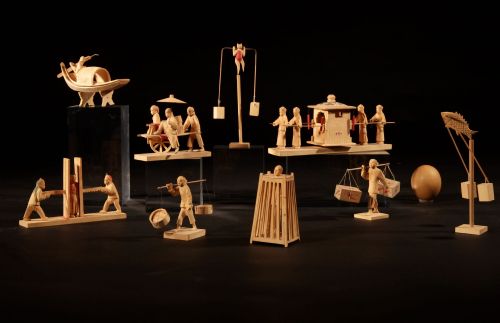
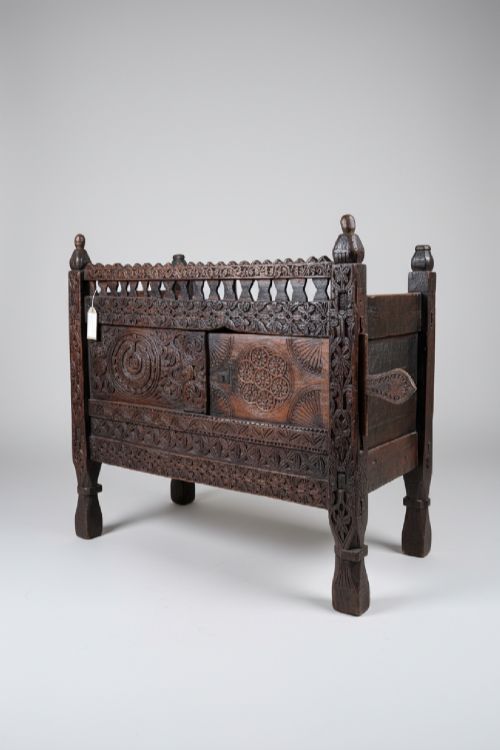
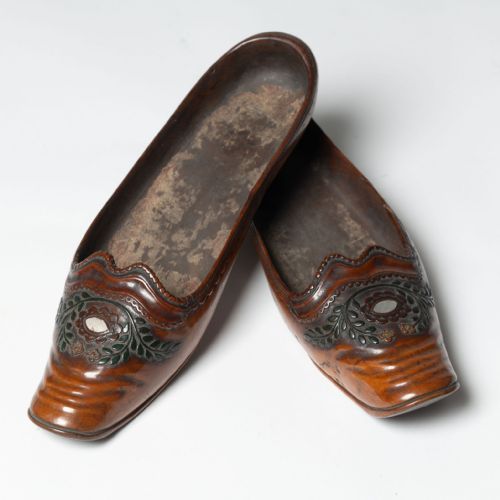
Asian art carving brings together sculptures, wall panels, netsuke, and ritual objects originating from diverse traditions across China, Japan, Burma, and Southeast Asia. These pieces range from monumental guardian figures and temple statues to delicate scholar's items and everyday carved containers.
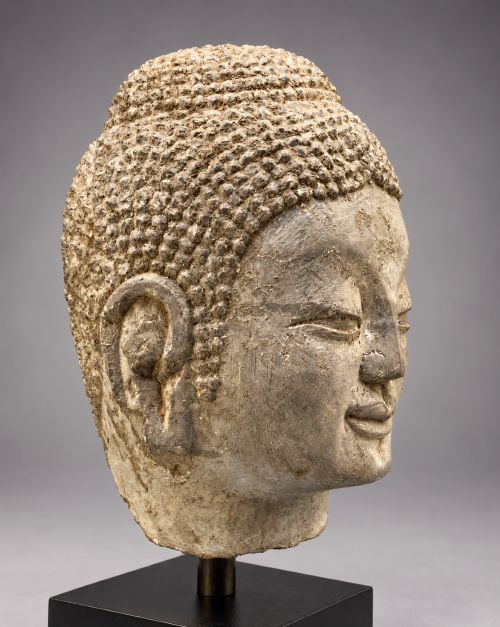
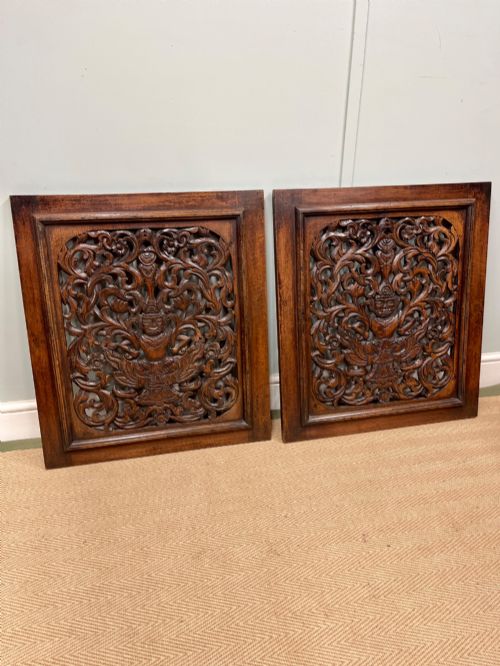
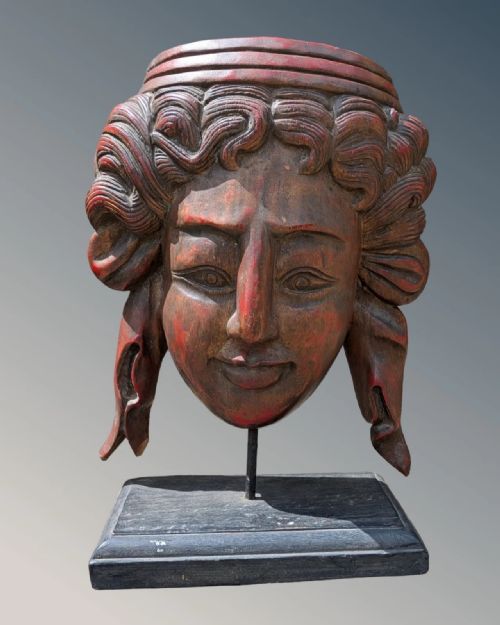
The objects appearing here span multiple centuries, stretching from pre-sixteenth century limestone Buddha heads to nineteenth-century Burmese panels and twentieth-century Indonesian dancers. Traditional Chinese Qing Dynasty works and Japanese Edo or Meiji period carvings form a significant portion of what a buyer encounters.
How they were made
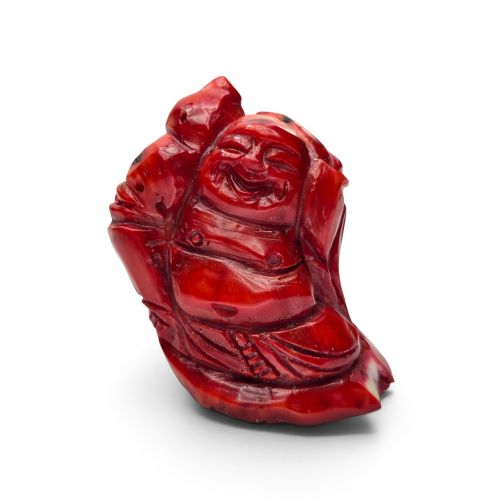
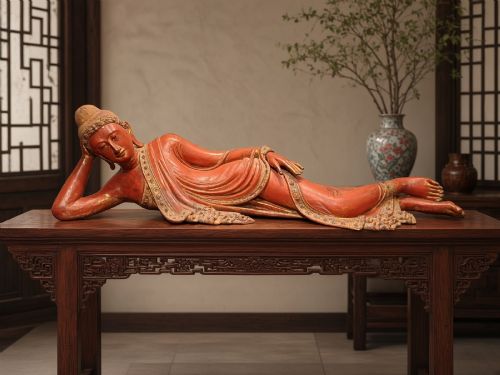
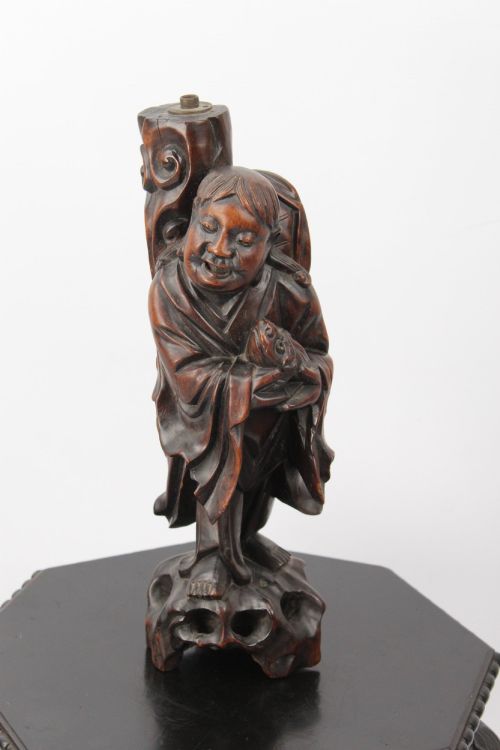
Carvers utilised organic and mineral materials such as hardwood, teak, root wood, amber, bone, horn, ivory, tortoiseshell, jade, bowenite serpentine, marble, and limestone. Artisans frequently applied surface treatments including gold leaf, polychrome paint, lacquer, and mother-of-pearl inlay to enrich the visual texture.
Techniques relied on precise hand-tool work to achieve high relief, intricate openwork, and fine details on subjects ranging from deities and mythological figures to daily life scenes and natural motifs.
What varies in quality
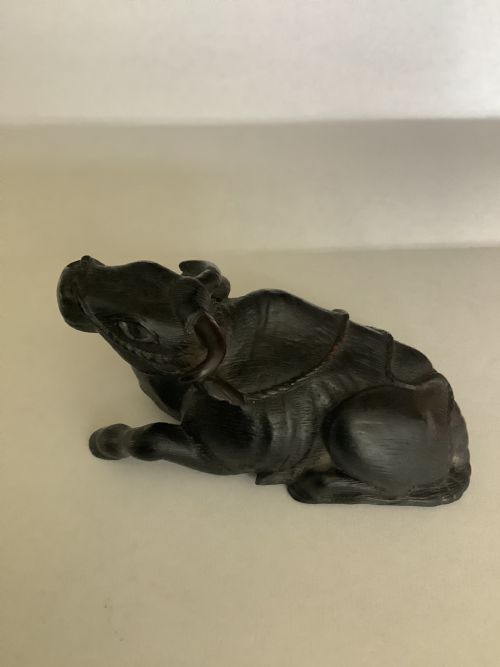
Quality rests upon the depth and precision of the hand-carving, where masterful execution brings clarity and expression to complex figures like Guardian Kings, deities, and animals. The choice of material also dictates distinction, separating standard utility woods from dense hardwoods, precious coral, fine jade, and detailed cinnabar lacquer.
Condition and completeness play a major role, distinguishing pieces retaining their original stands, gilding, or polychrome decoration from those showing heavy surface loss or later alterations.
The Asian Art Carving Glossary
- Netsuke
- A small carved toggle used in traditional Japanese dress to secure a small pouch or container to a kimono sash. These miniature sculptures often depict animals, figures, or mythical subjects.
- Cinnabar lacquer
- A decorative technique involving numerous layers of red lacquer applied to a core material before being deeply carved with intricate patterns and figures. This method requires considerable time and skill.
- Ruyi sceptre
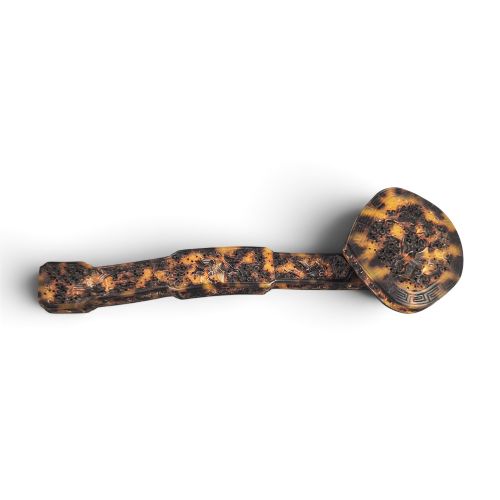
- A curved decorative talisman originating in China, traditionally symbolising power and good fortune. These are often carved from precious materials such as tortoiseshell, jade, or hardwood.
- Lokapala
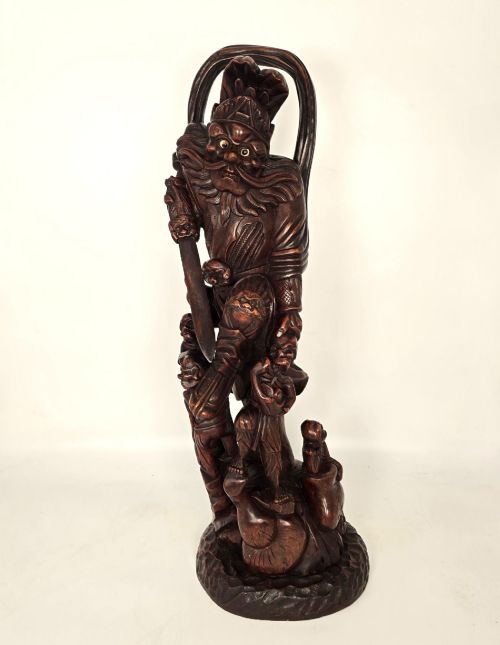
- A Guardian King in Buddhist tradition, typically depicted in armour with fierce expressions and dynamic postures. Sculptures of these figures were designed to protect sacred spaces.
Asian Art Carving: Frequently Asked Questions
What materials are common in Asian art carvings?
Carvings appear in a wide variety of organic and mineral mediums, including hardwoods like teak and root wood, alongside stone, marble, jade, bone, and horn.
Artisans also utilised lacquer, gold leaf, and shell inlay to decorate panels, statues, and smaller decorative objects.
How were temple panels and wall plaques used?
Temple panels and wall plaques served architectural and decorative roles within sacred and domestic spaces across China and Southeast Asia. They frequently depicted deities, immortals, birds, and foliage in high relief.
Many of these architectural elements were carved from wood and finished with polychrome paint or gilt.
How can I tell the difference between periods?
Differentiating periods relies on observing stylistic markers, such as the distinct sculptural conventions of the Qing Dynasty, the Meiji period, or earlier dynastic works. Material choices and carving depth also offer clues to the era of production.
Historical records and traditional motifs help anchor specific pieces to centuries ranging from the pre-sixteenth era to the twentieth century.
Where did netsuke originate?
Netsuke originated in Japan as functional toggles for securing small containers hung from kimono sashes. Over time, they evolved into highly detailed miniature sculptures carved from wood, amber, and other materials.
Signatures on these small pieces often indicate the work of individual carvers.